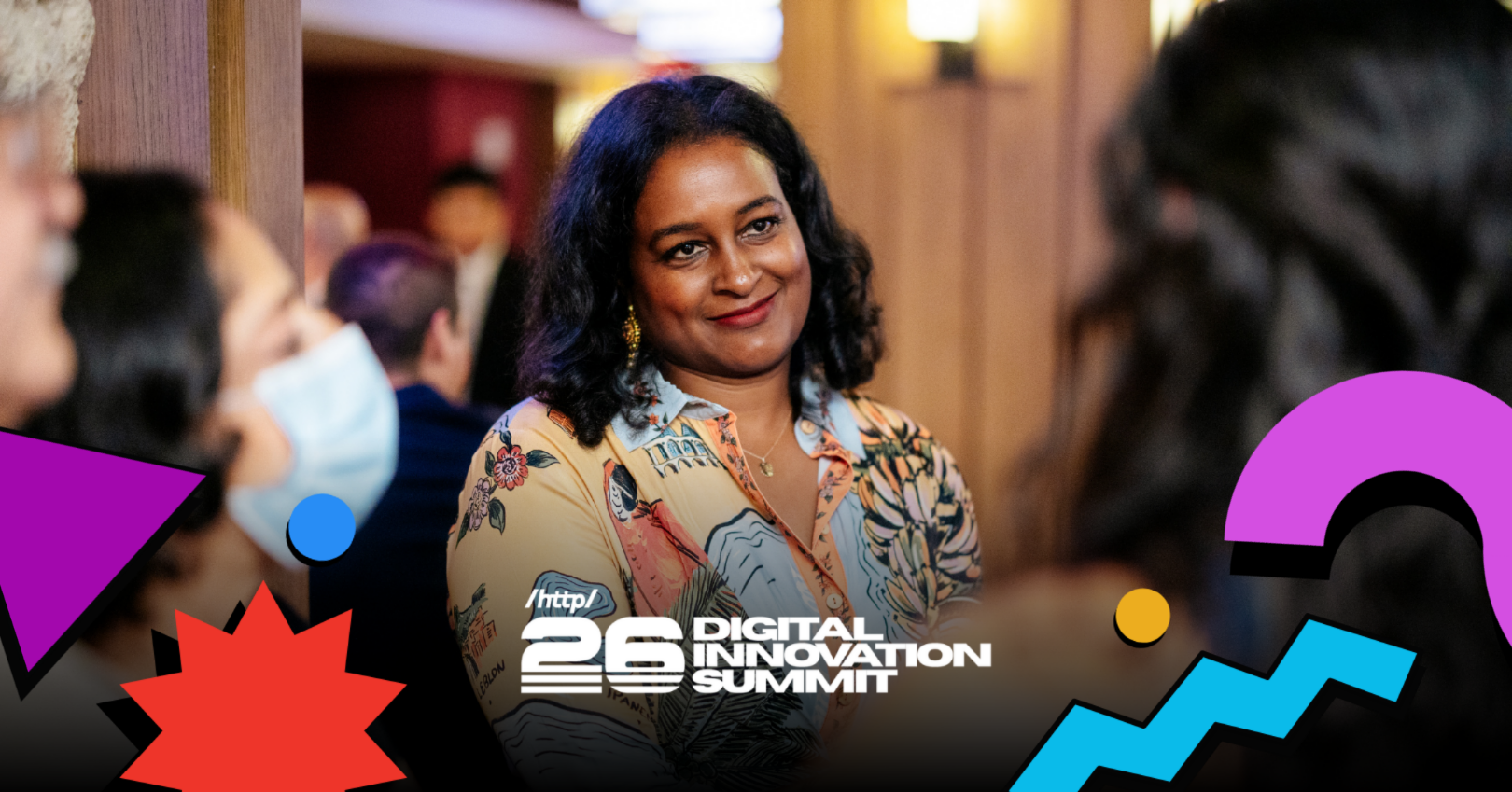
Digital Innovation Summit 2026

EVENT RECAP
The Digital Innovation Summit 2026 brought together leaders, policymakers, advocates, researchers, and industry experts to examine how technology is reshaping the way communities connect, work, participate, and create opportunity. Held during the 30th anniversary year of /http/, this year’s Summit explored the rapidly changing role of artificial intelligence, the infrastructure powering its growth, and the policies needed to ensure that technological progress translates into meaningful opportunity.
Across conversations on AI, workforce development, wireless connectivity, data privacy, local journalism, and elections, one message emerged clearly: the future of digital innovation will be shaped not only by what technology can do, but by who gets to participate, who benefits, and how communities are protected along the way.
From the energy and water demands of expanding AI infrastructure to the need for culturally responsive workforce training, trusted information, responsible data practices, and meaningful community participation, DIS26 examined the opportunities and challenges at the intersection of technology and everyday life. The conversations underscored the importance of building a digital future that is innovative, inclusive, accountable, and responsive to the communities it serves.
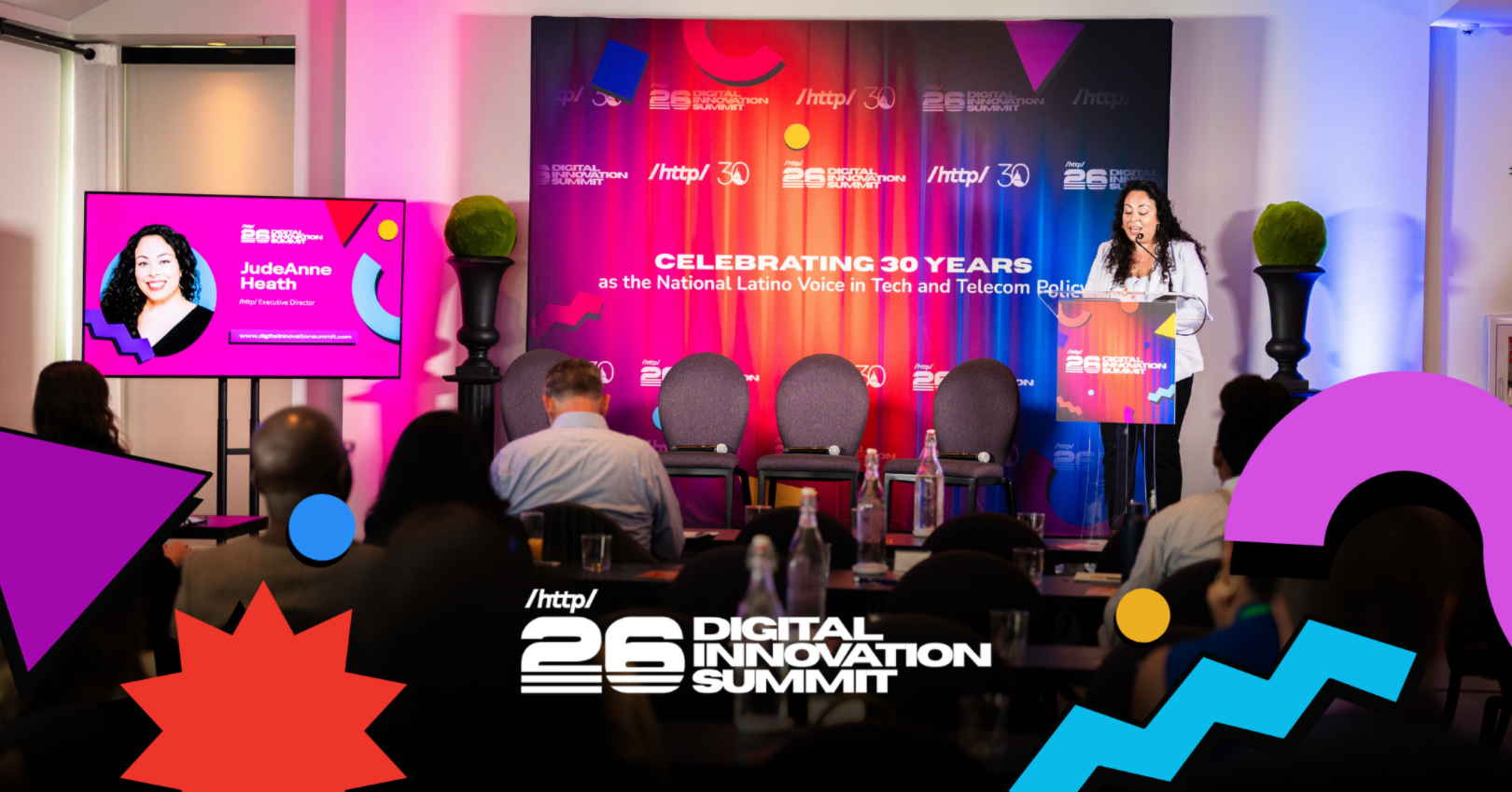
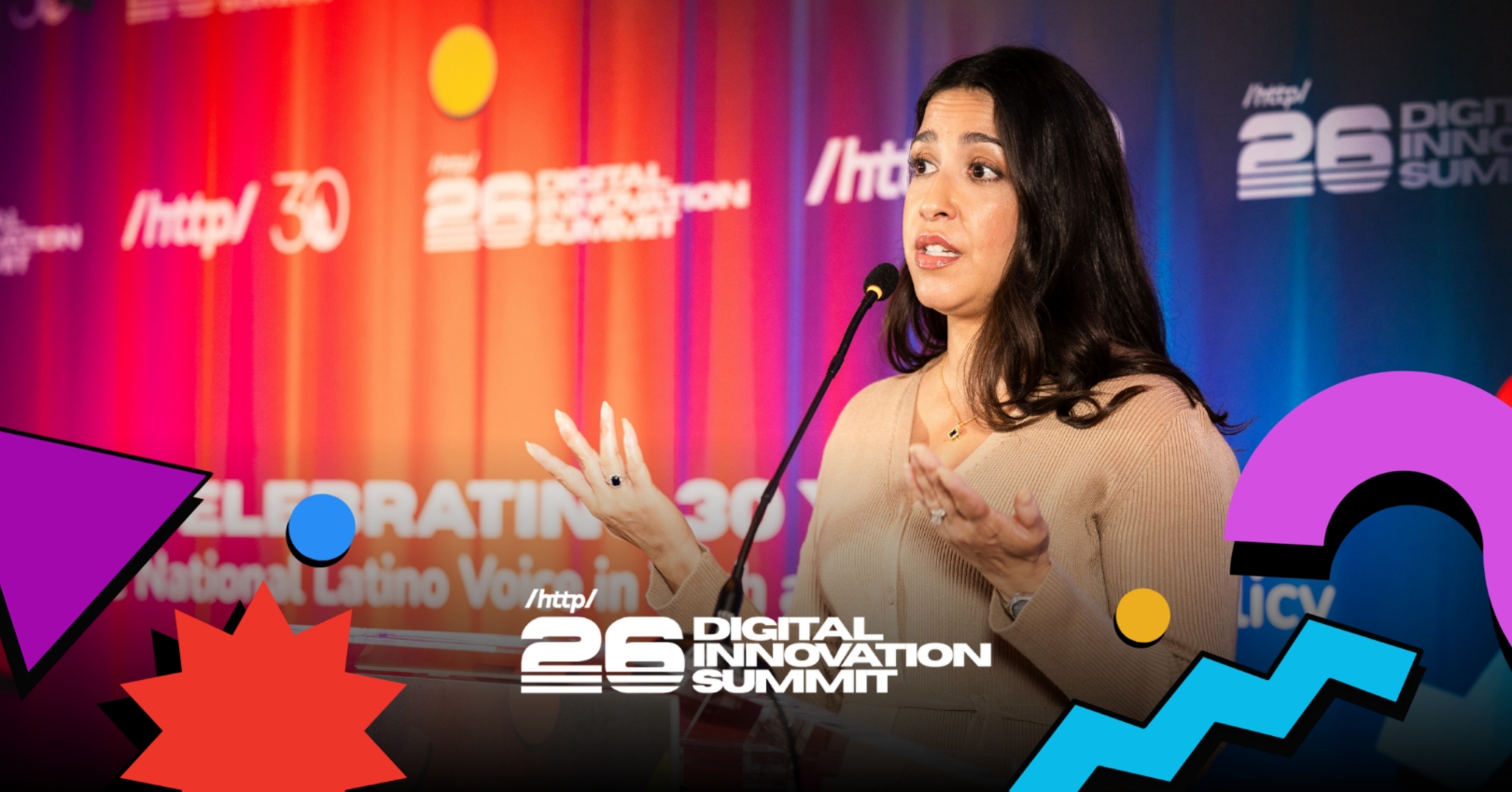
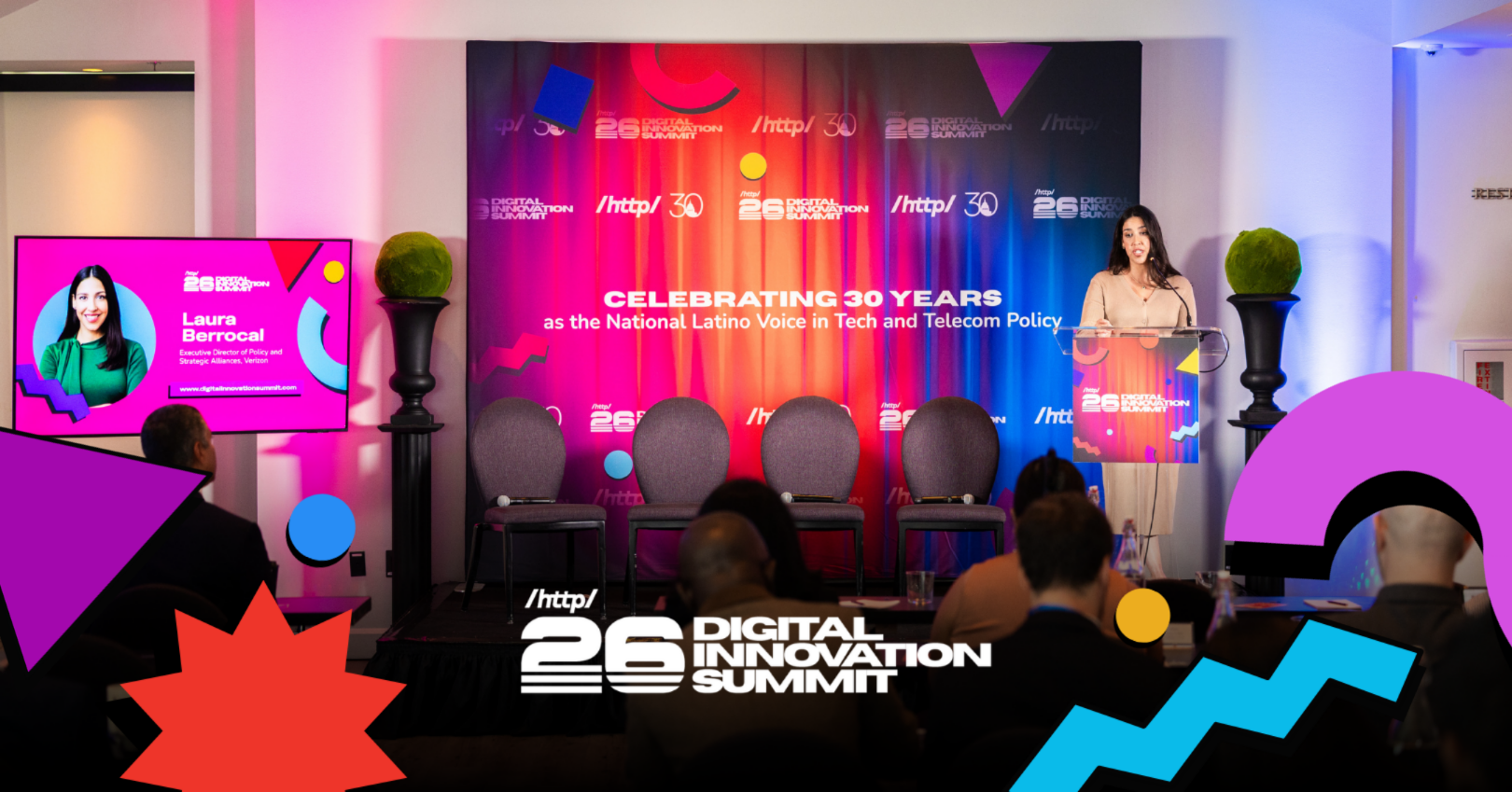
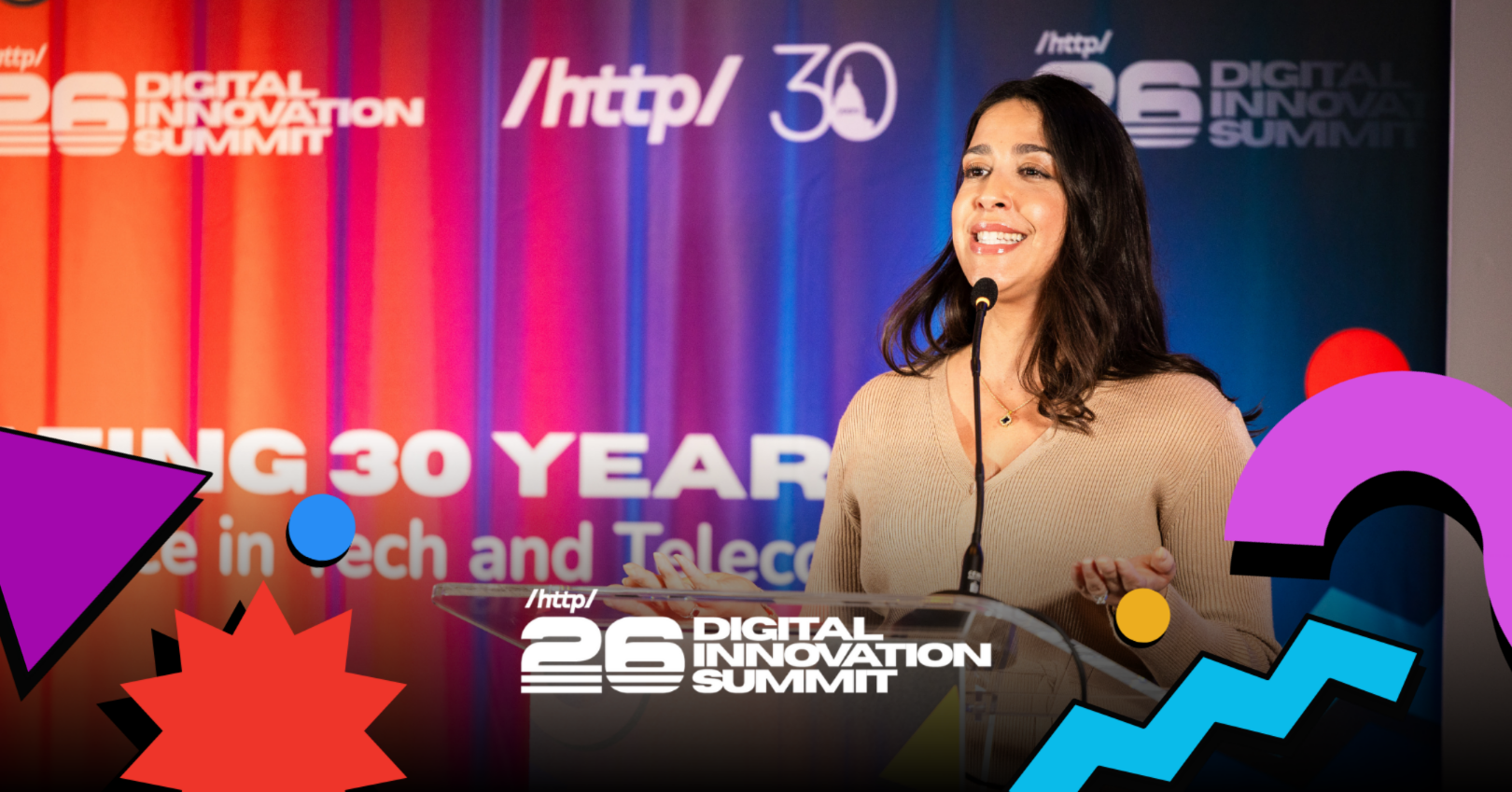
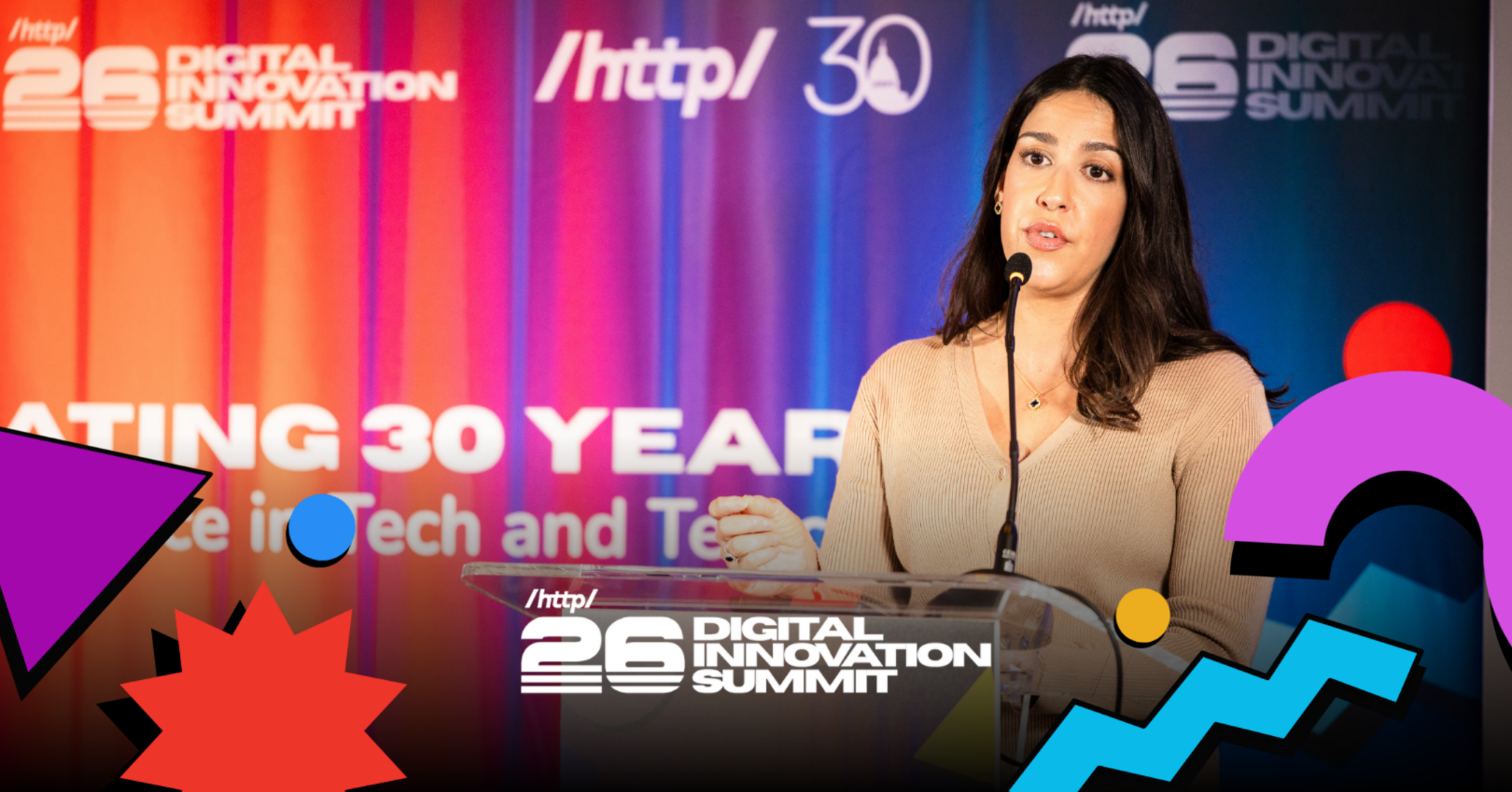
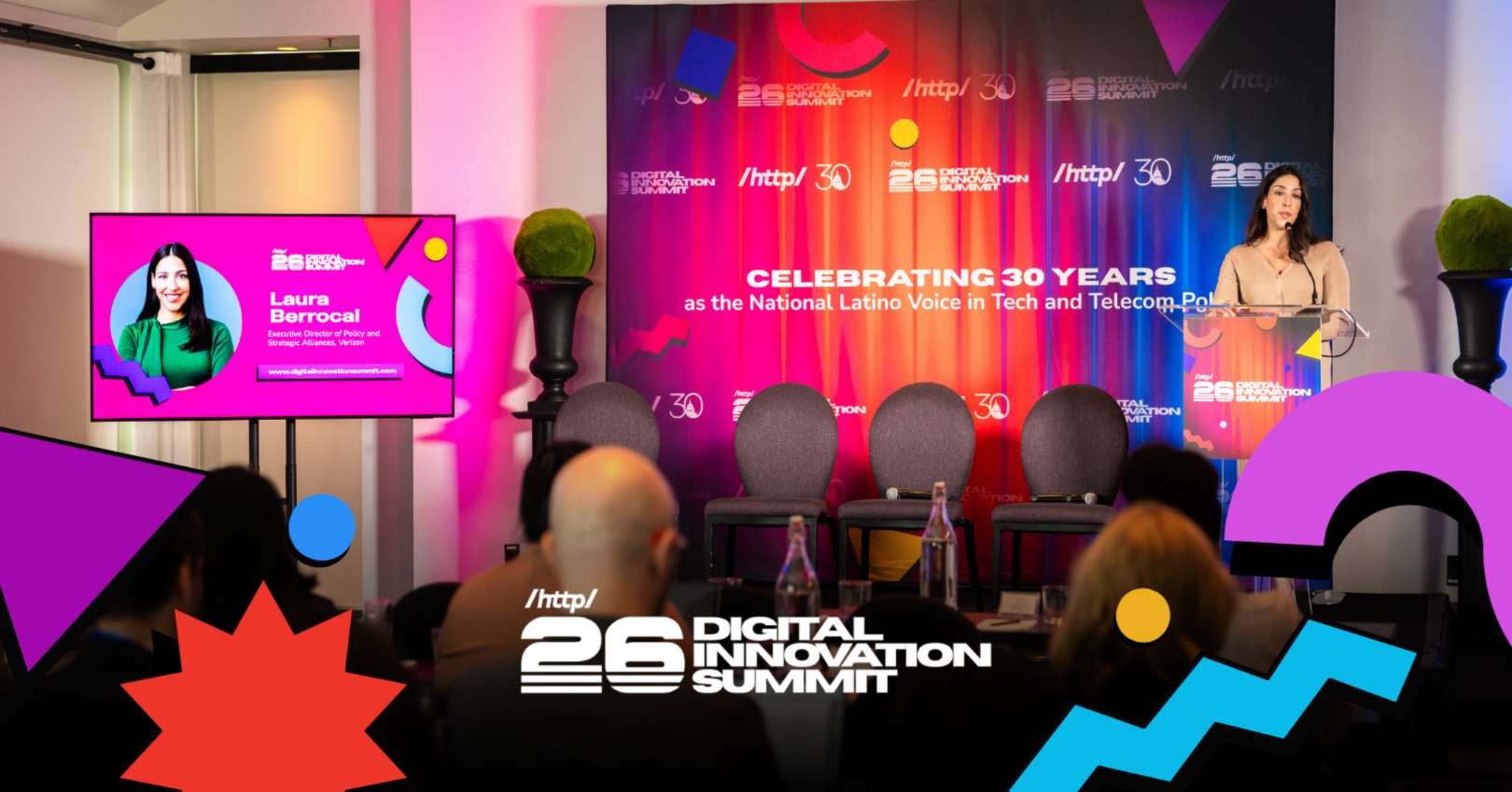
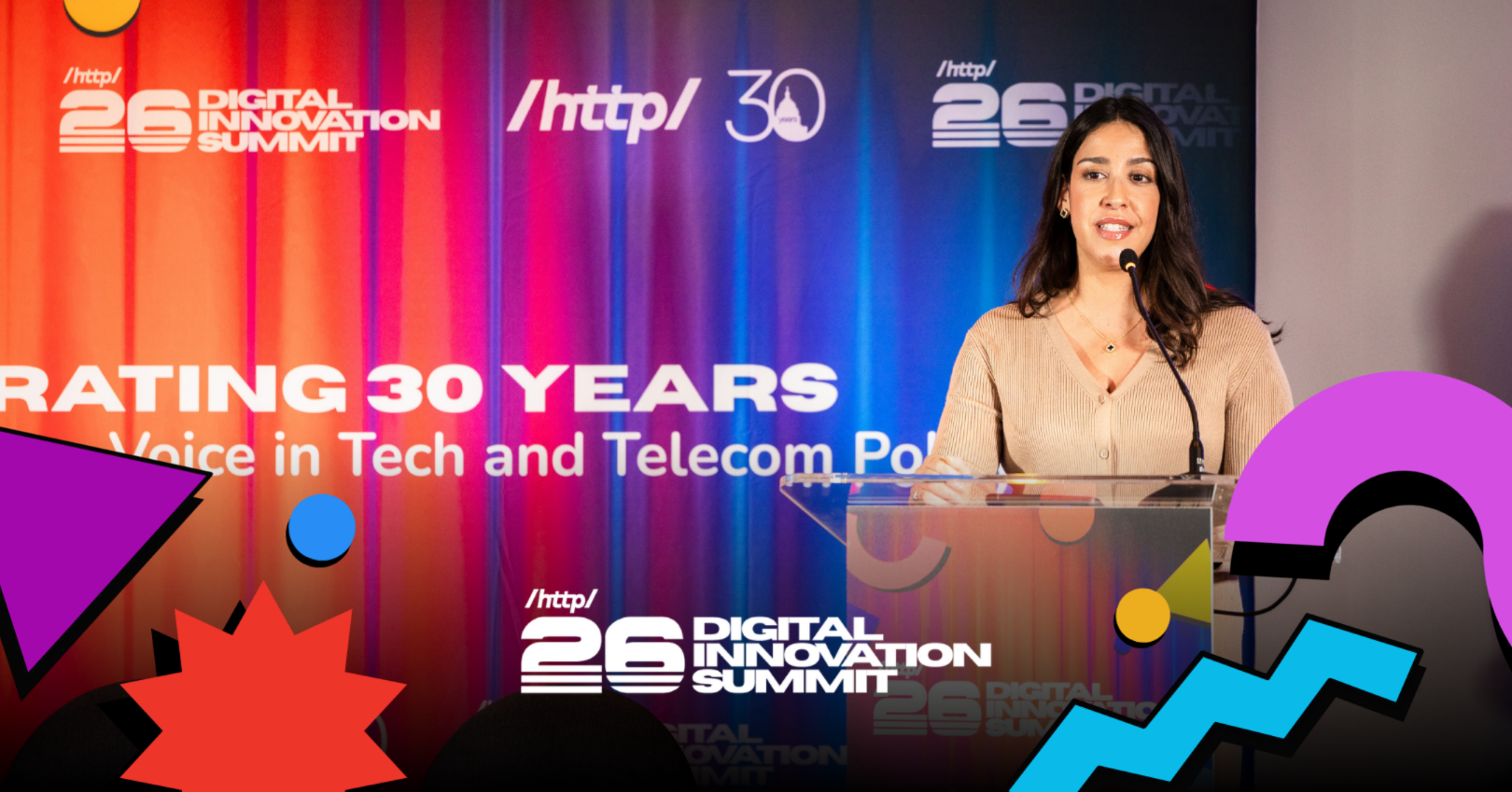
Welcome Remarks Recording Here
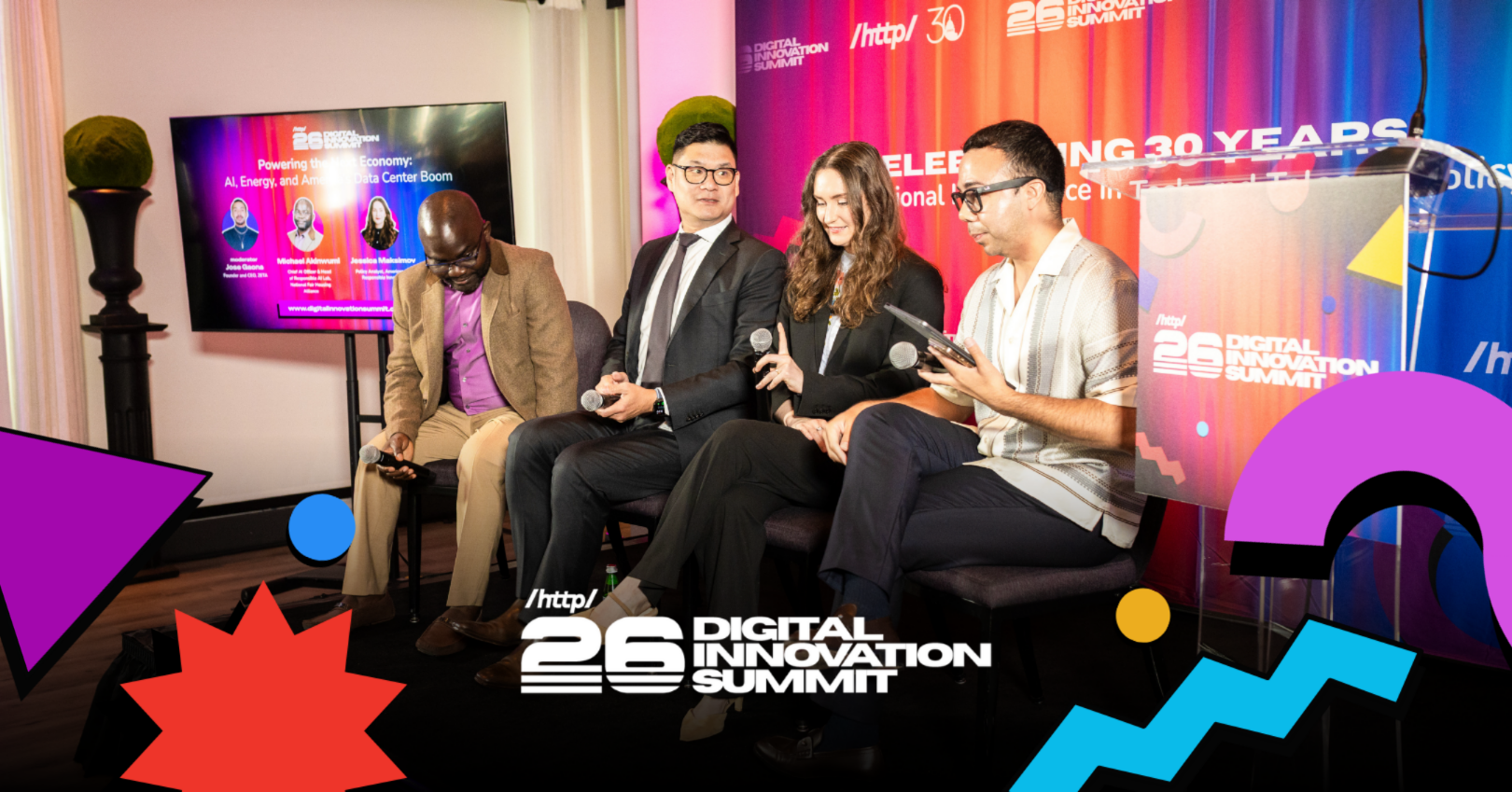
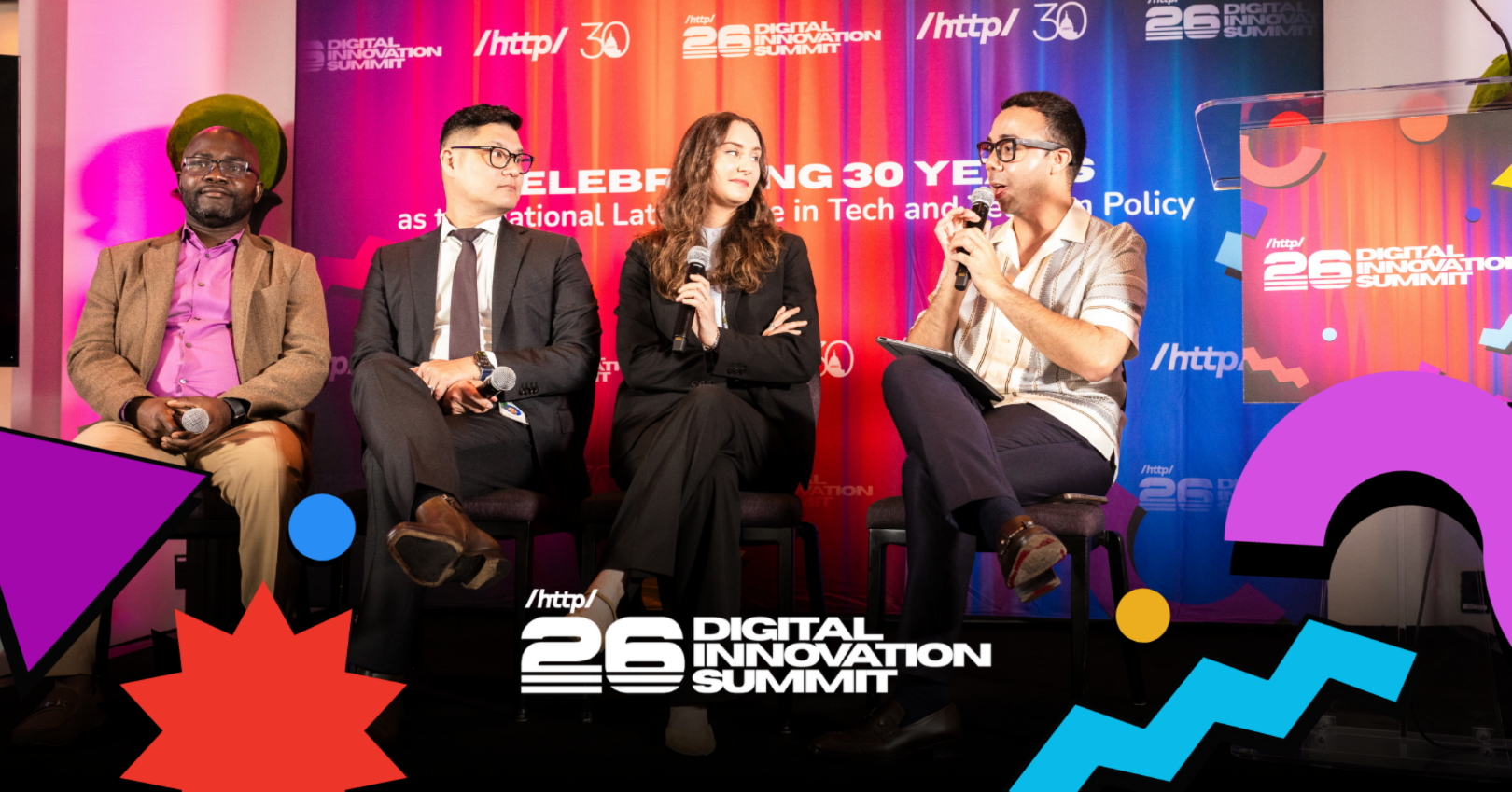
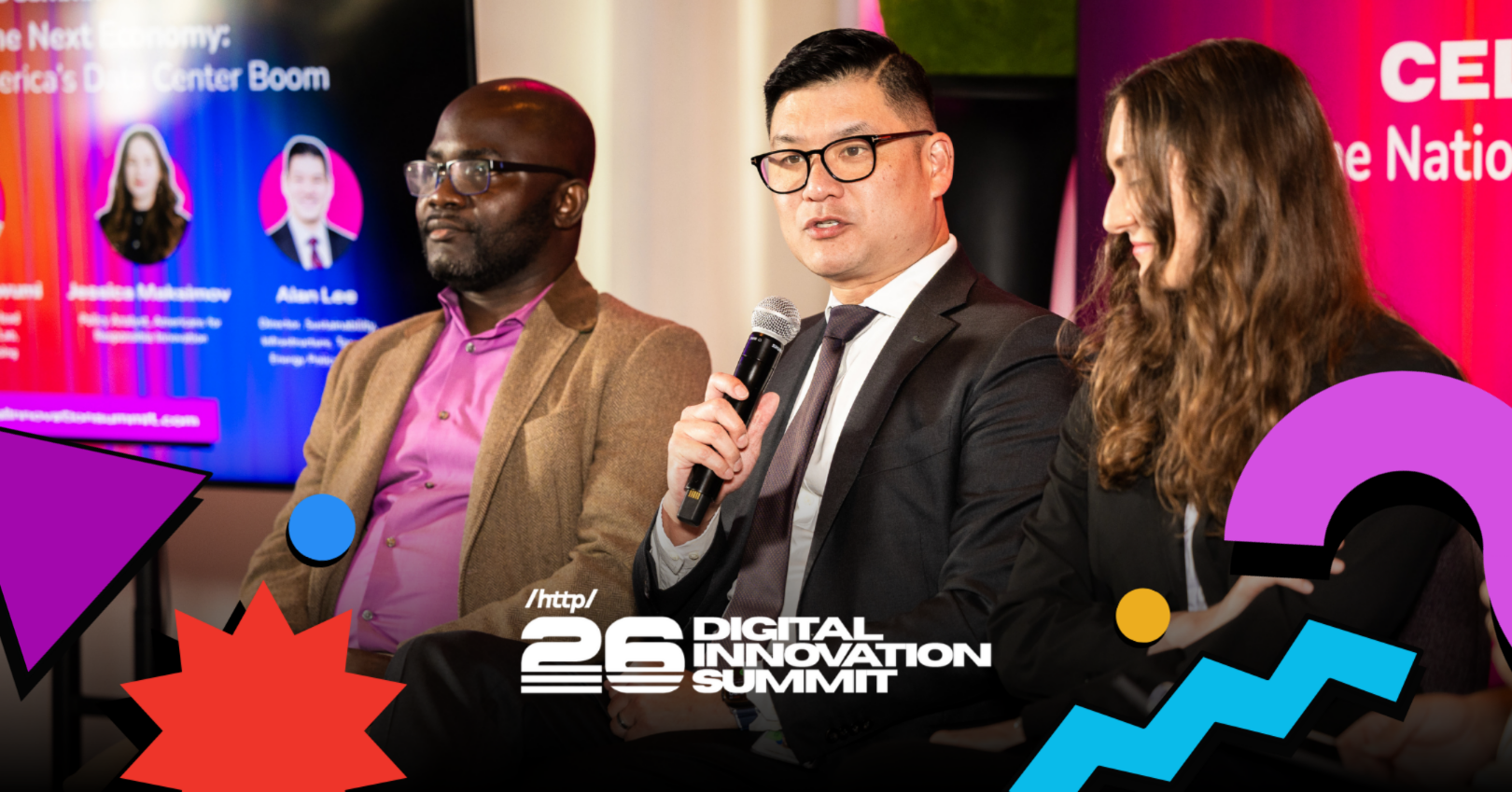
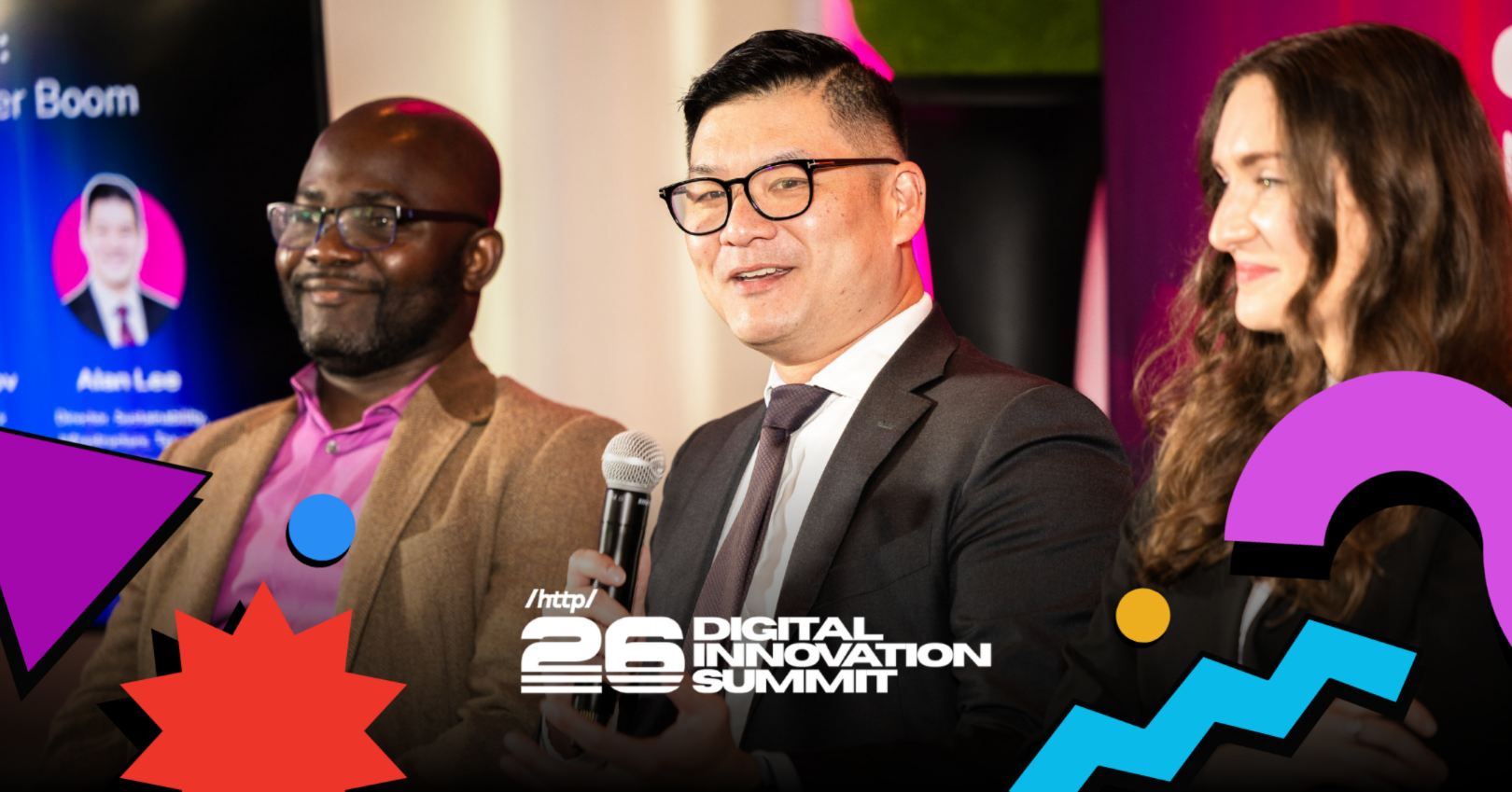
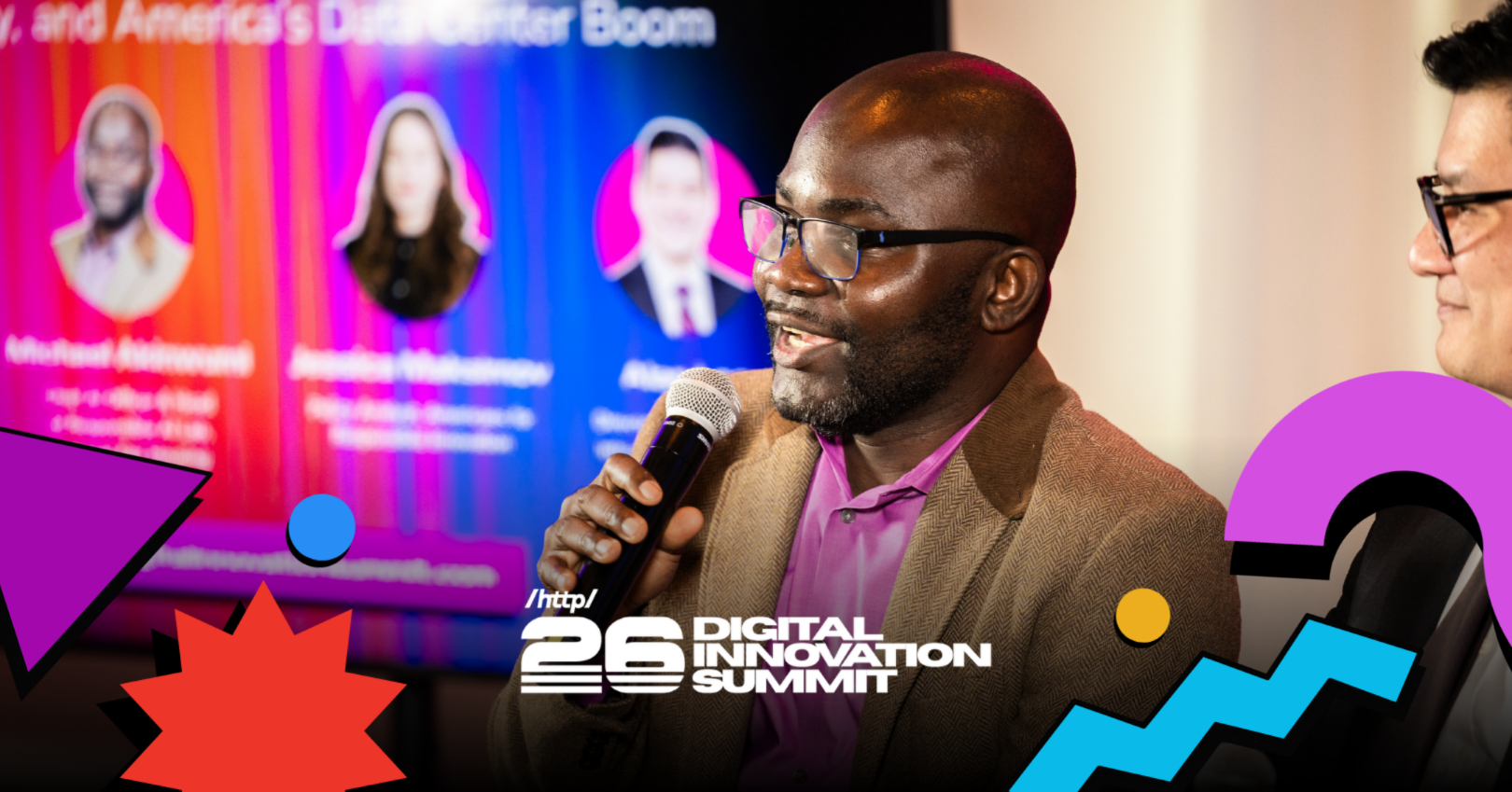
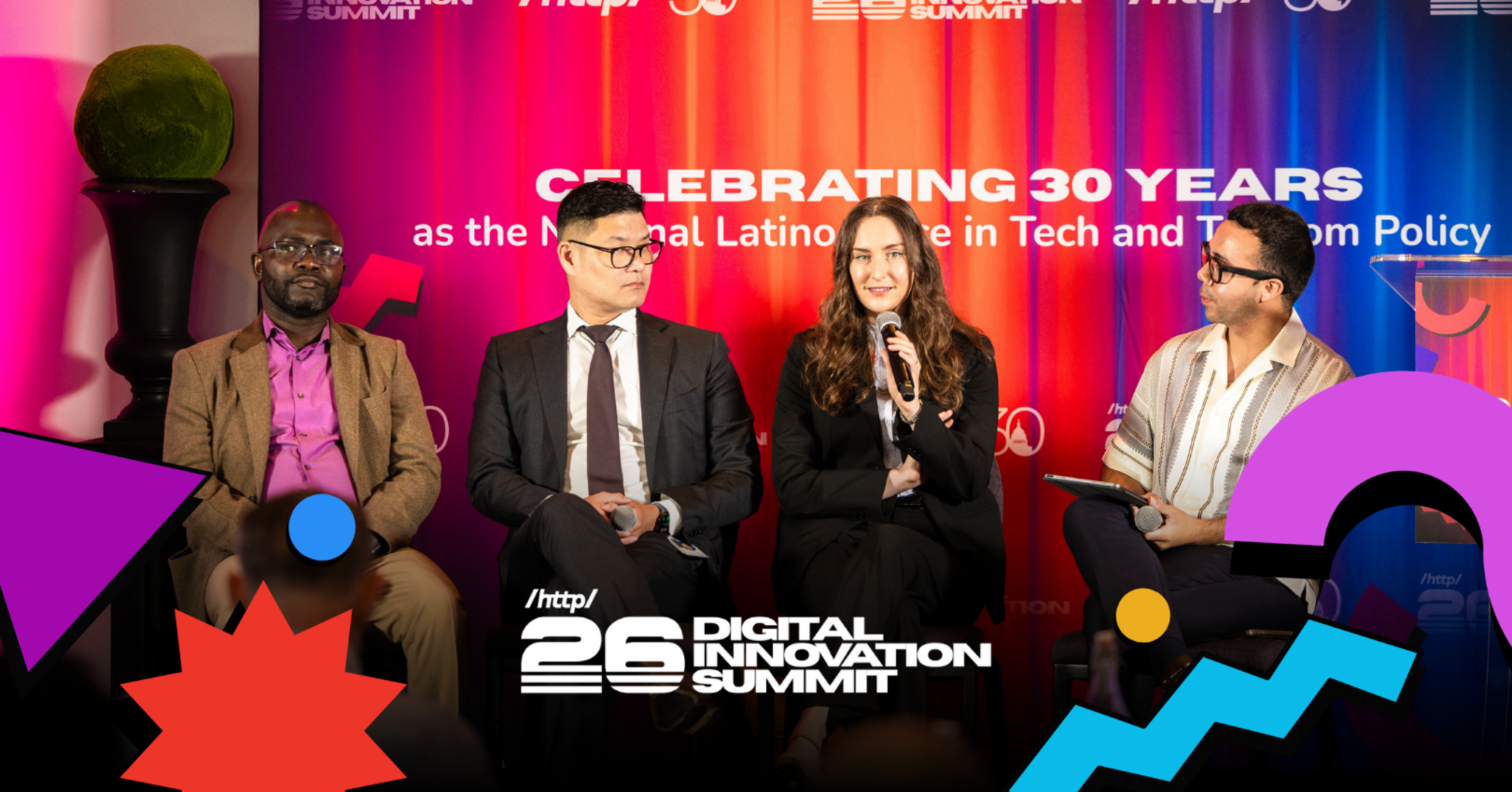
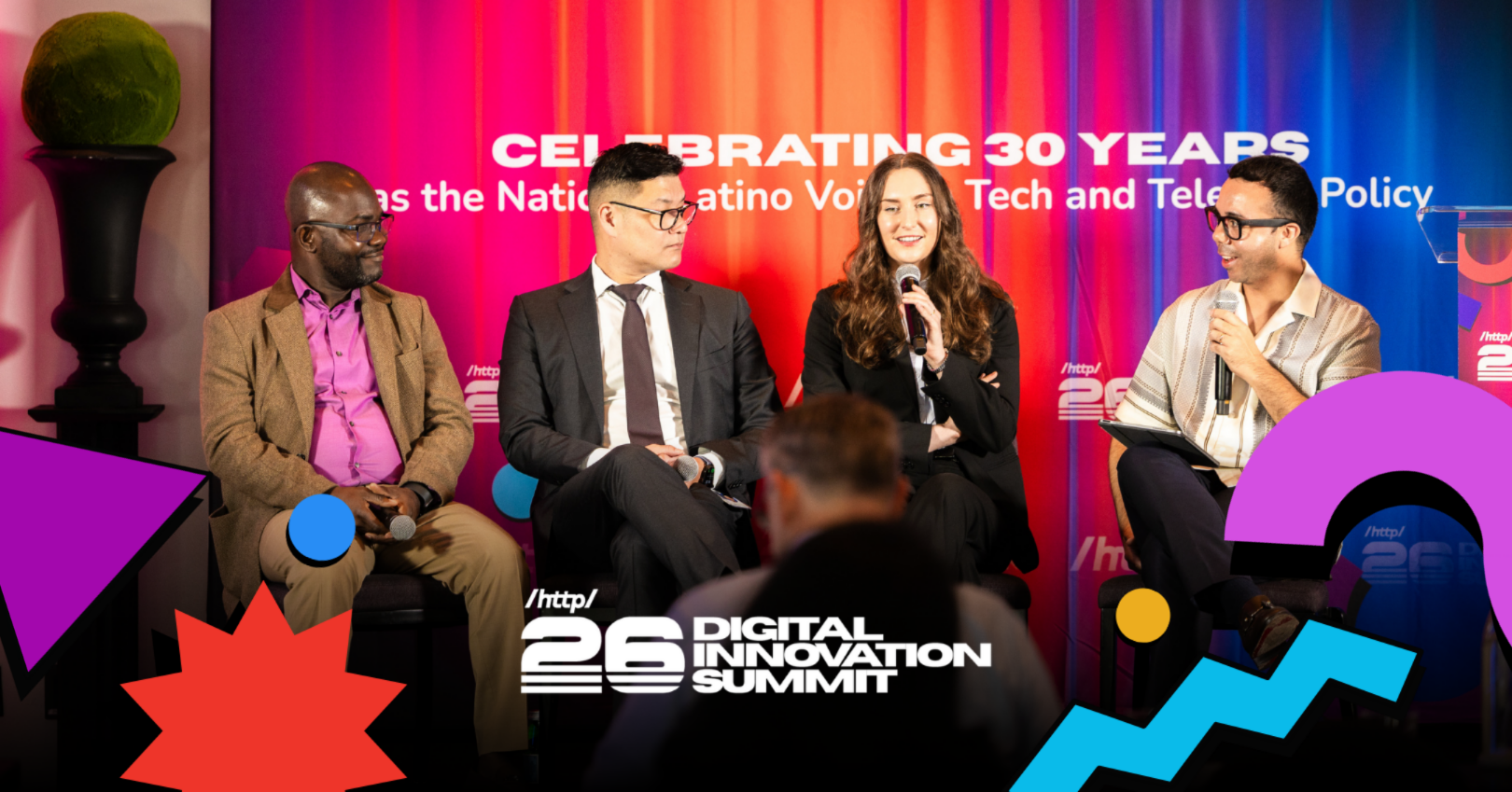
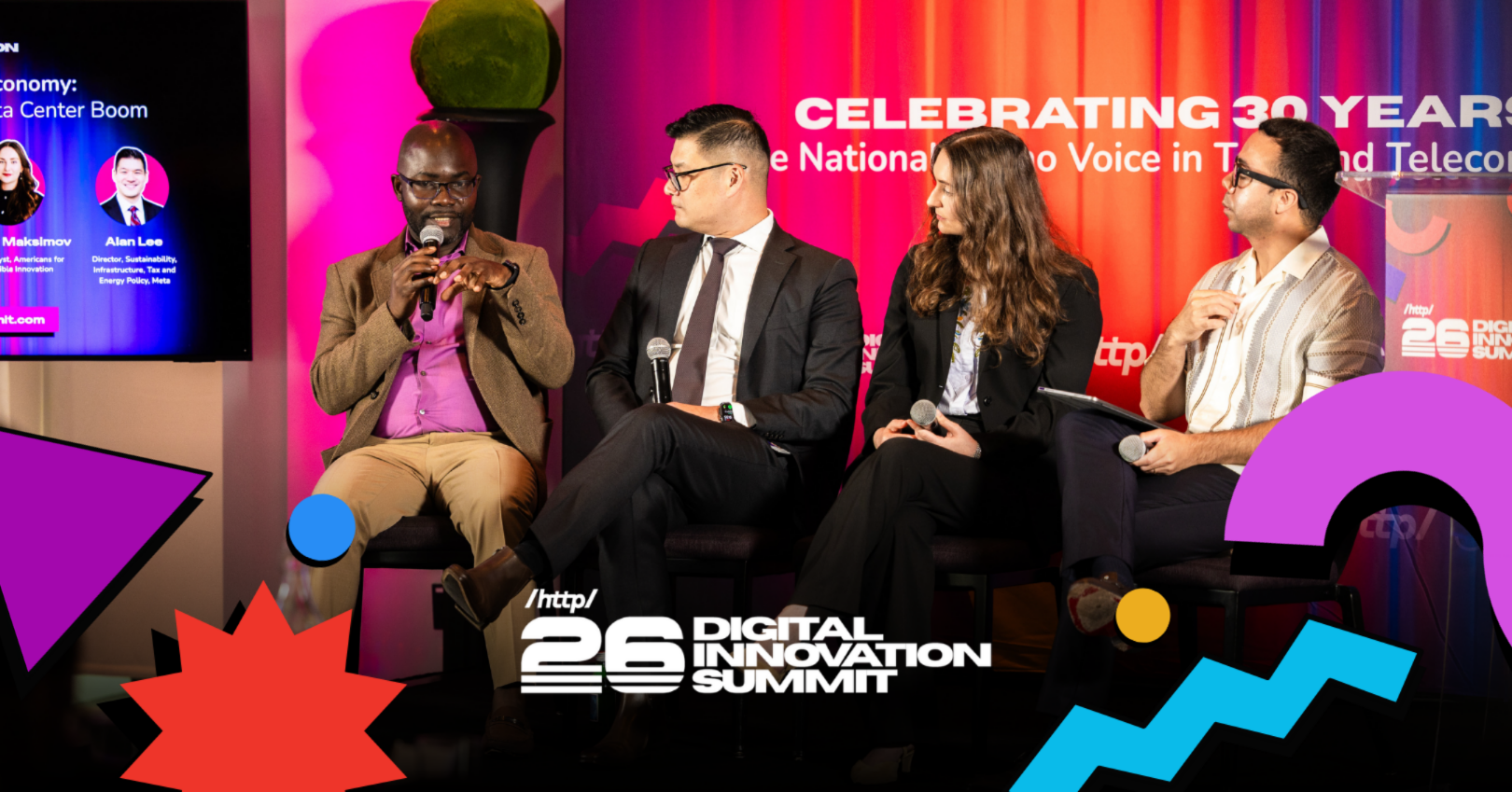
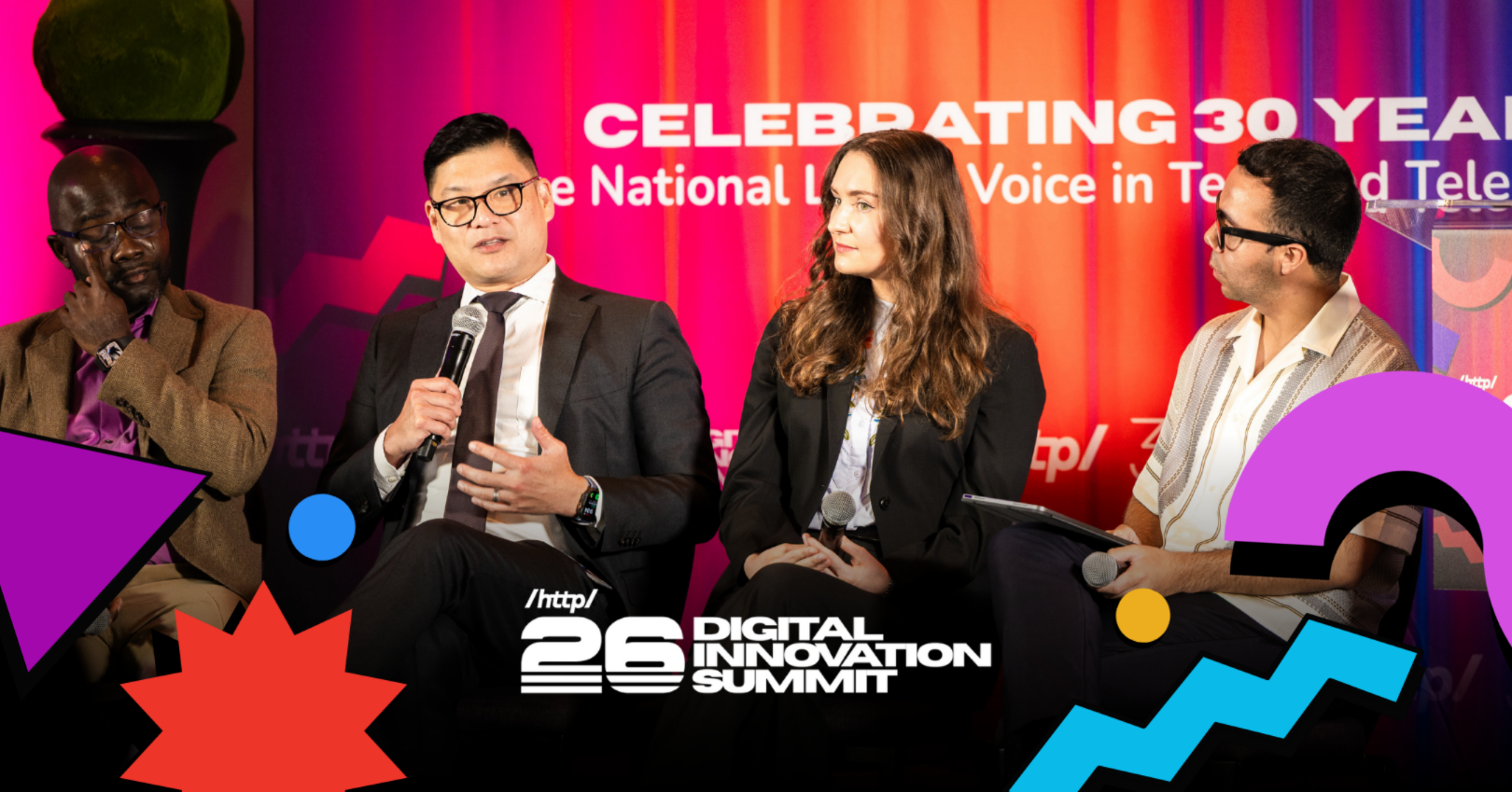
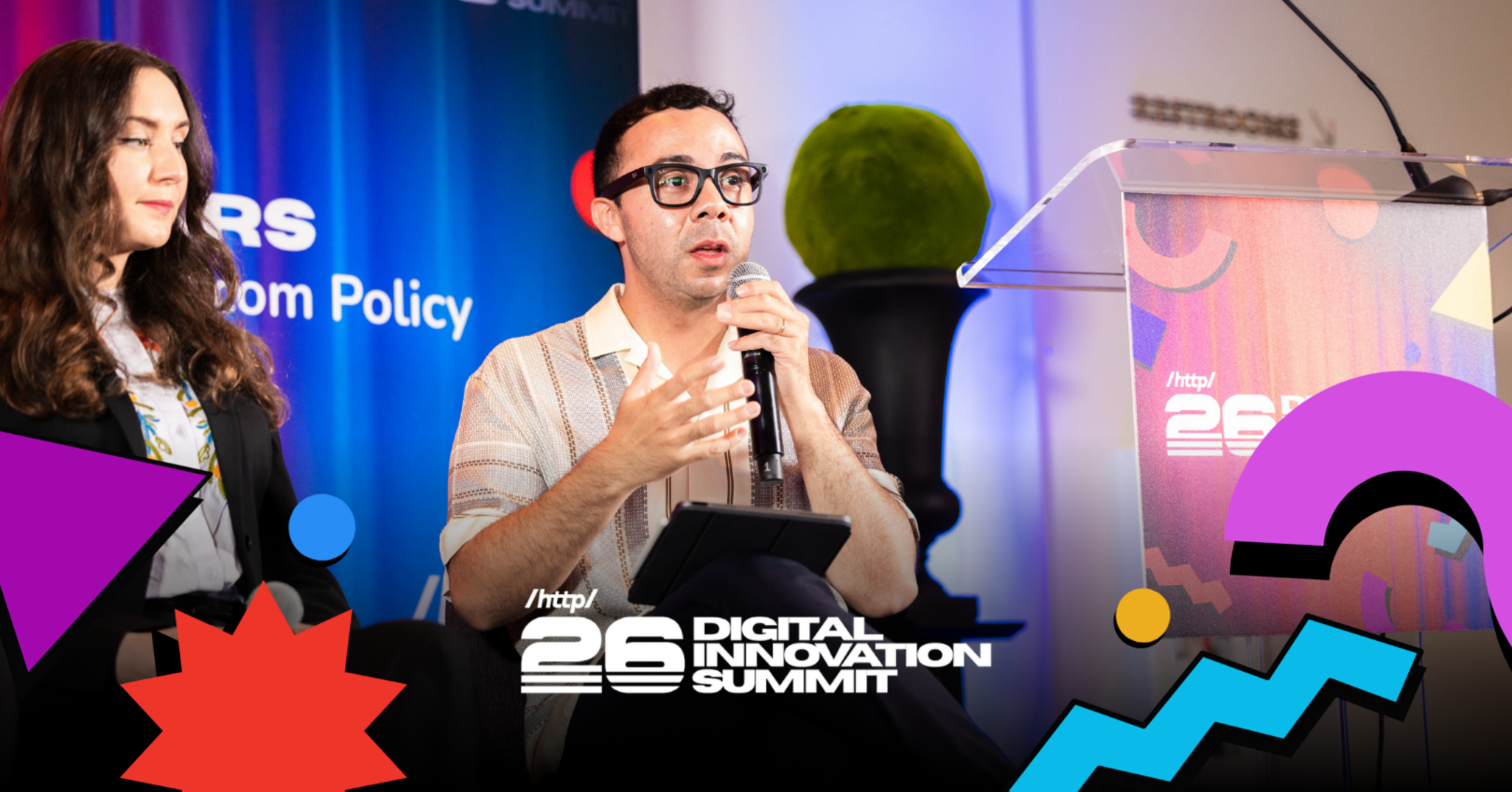
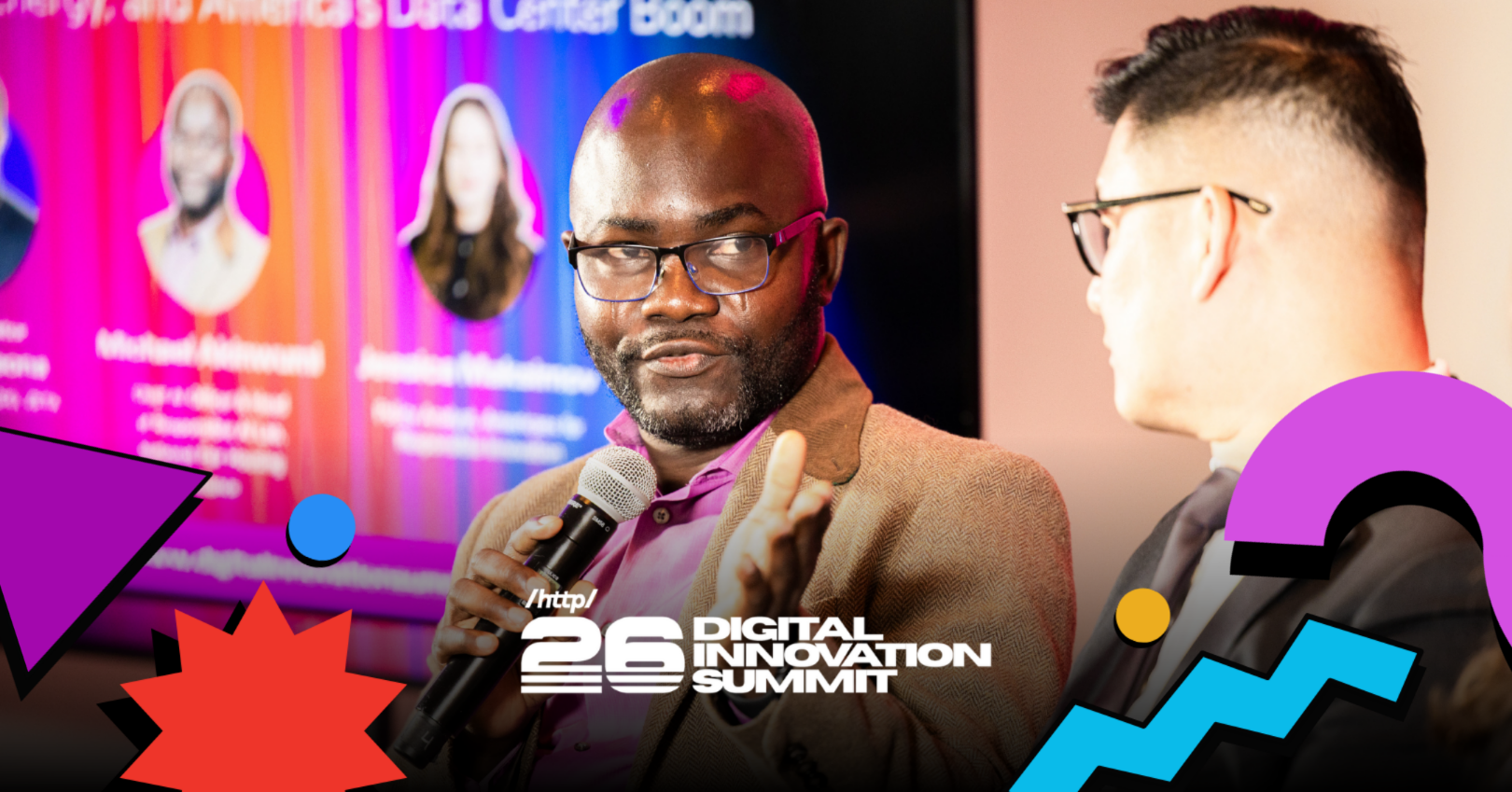
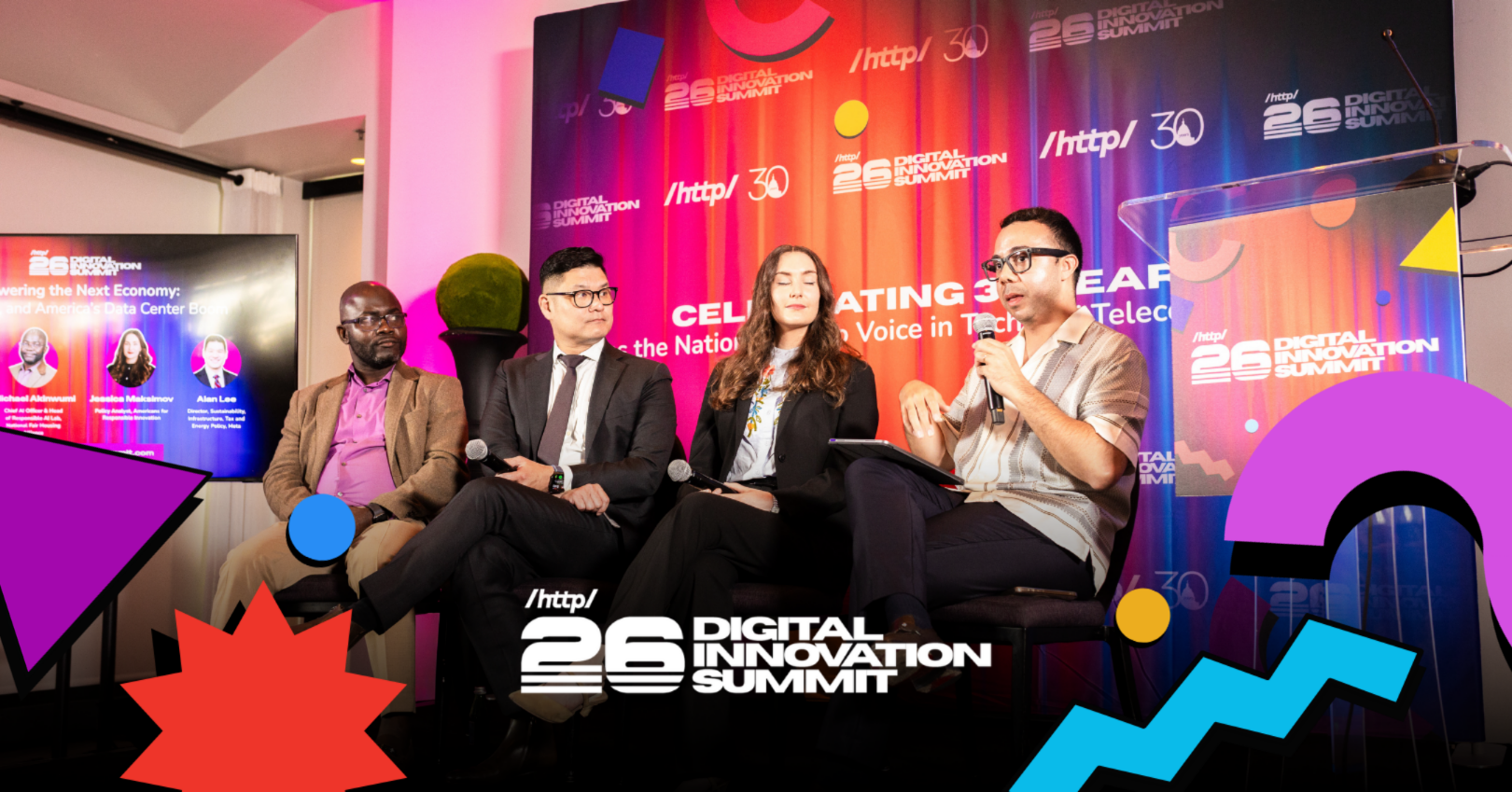
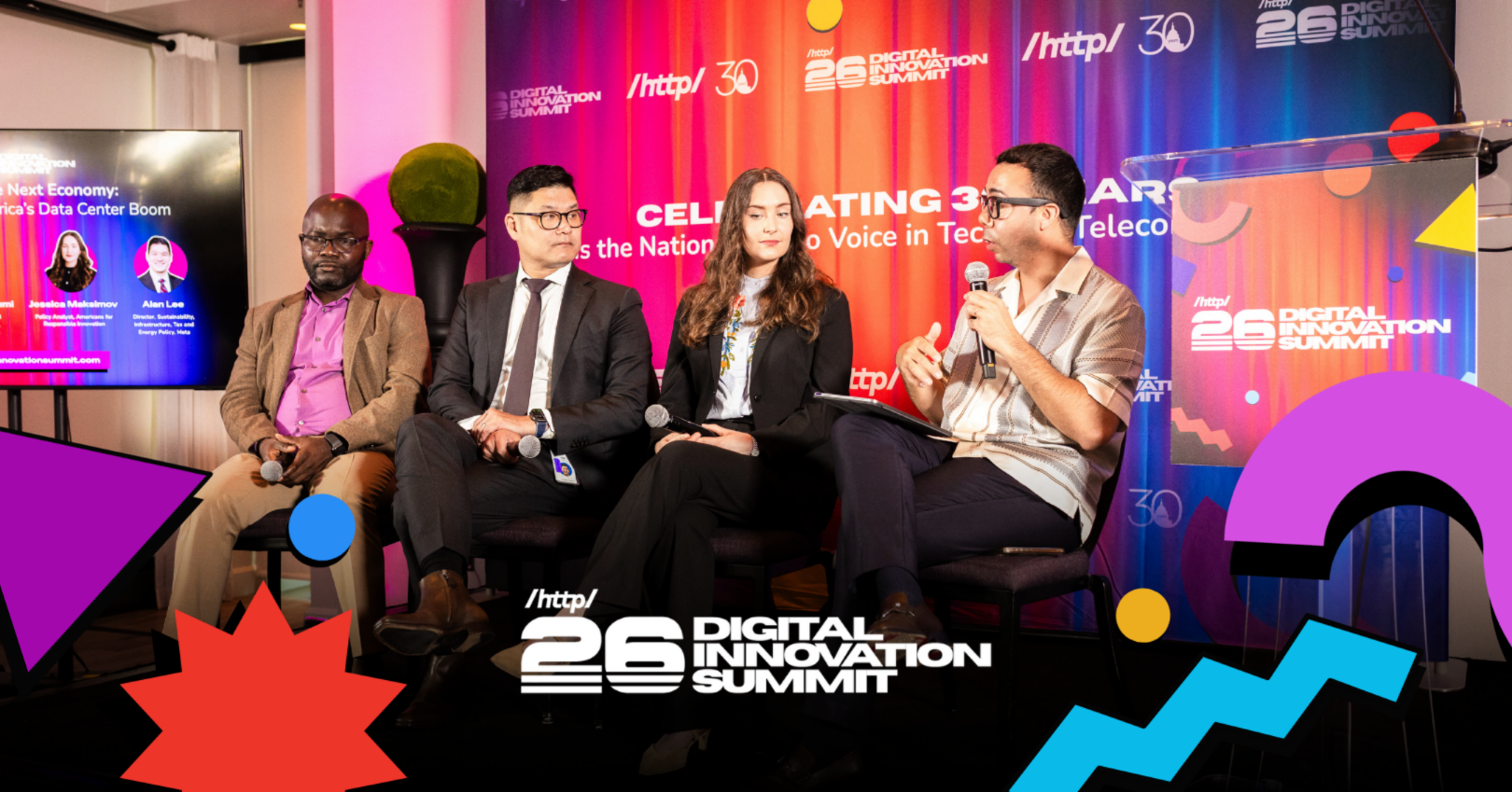
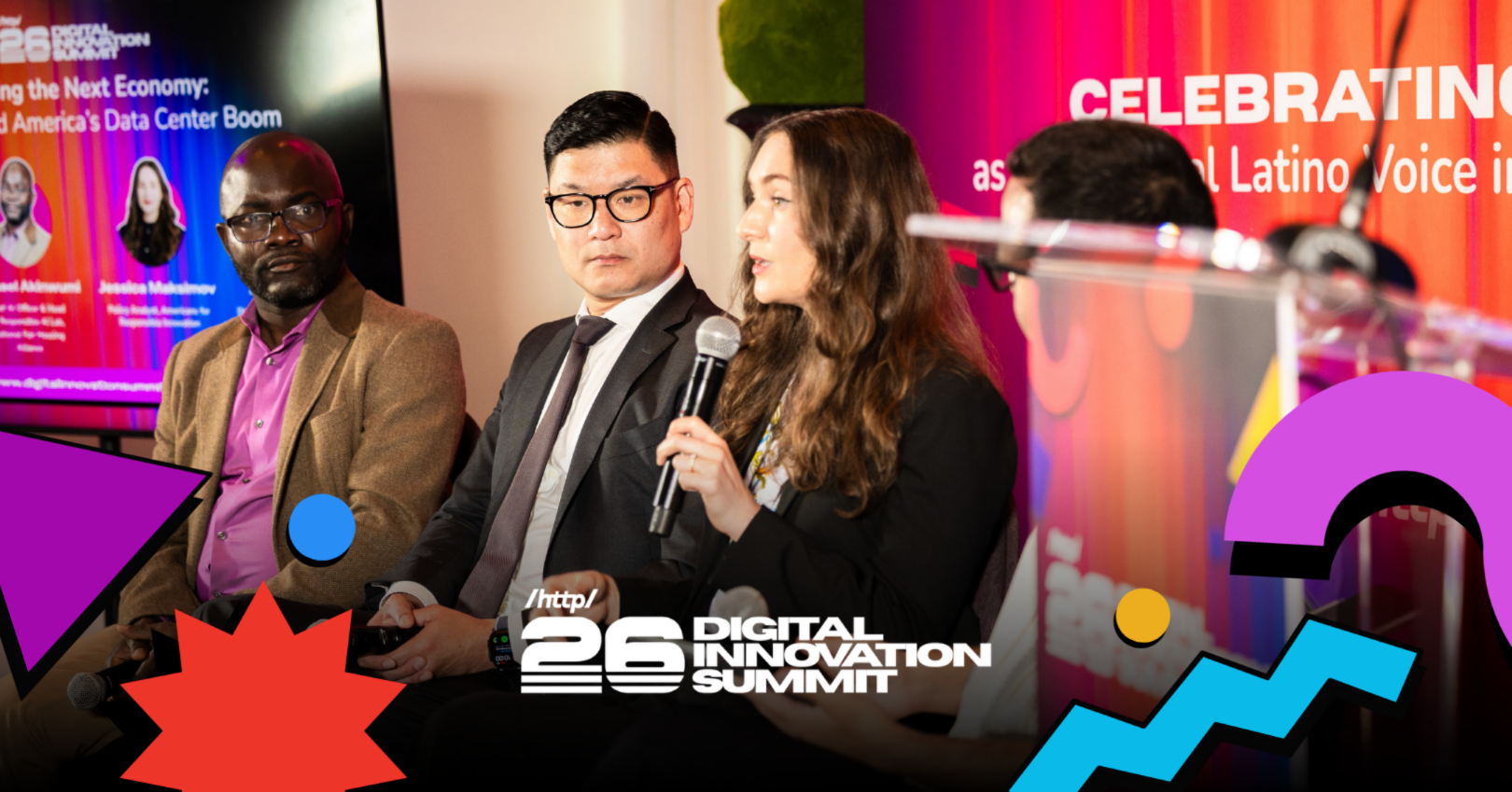
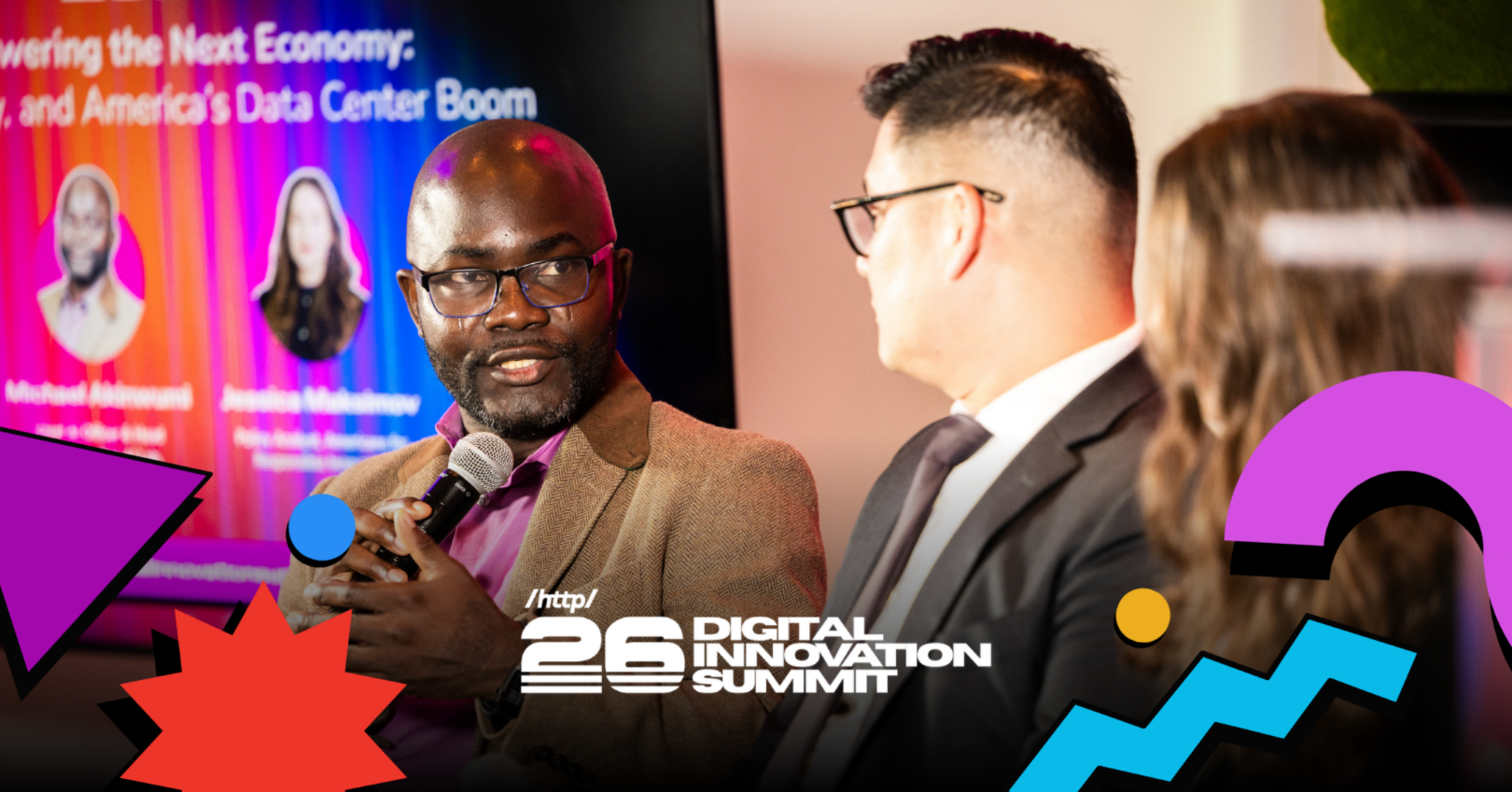
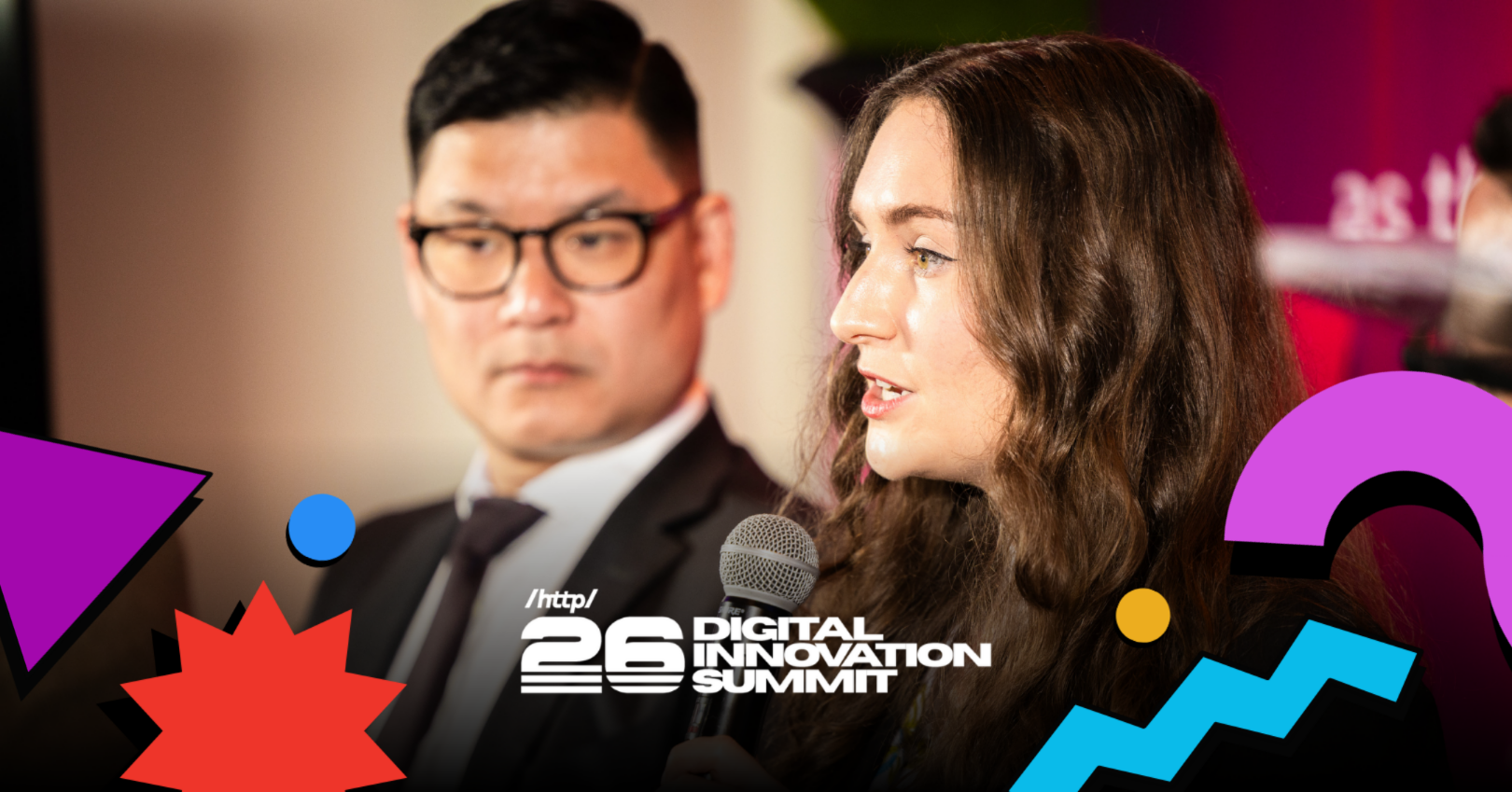
Panel 1 — Powering the Next Economy: AI, Energy, and America’s Data Center Boom
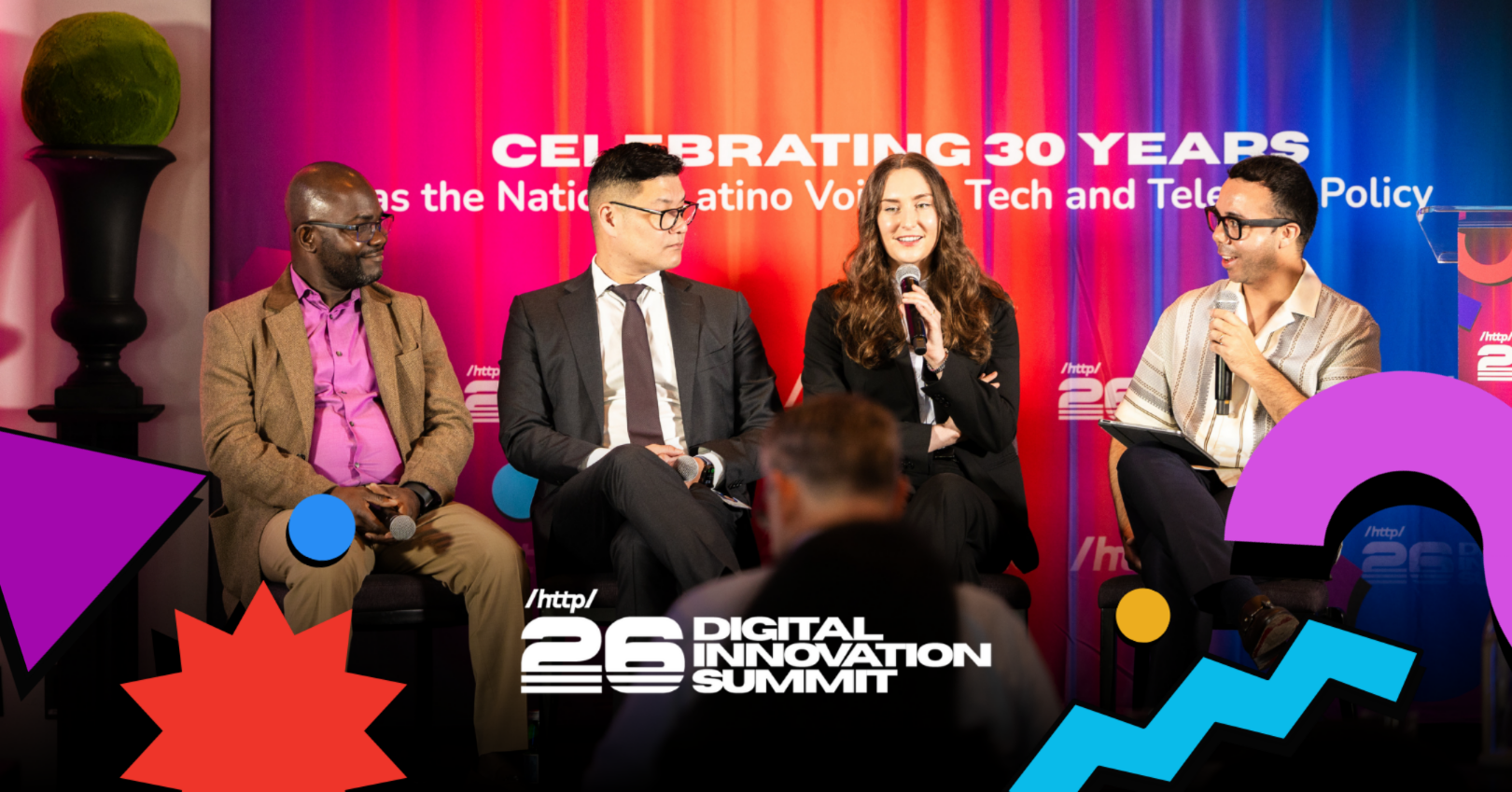
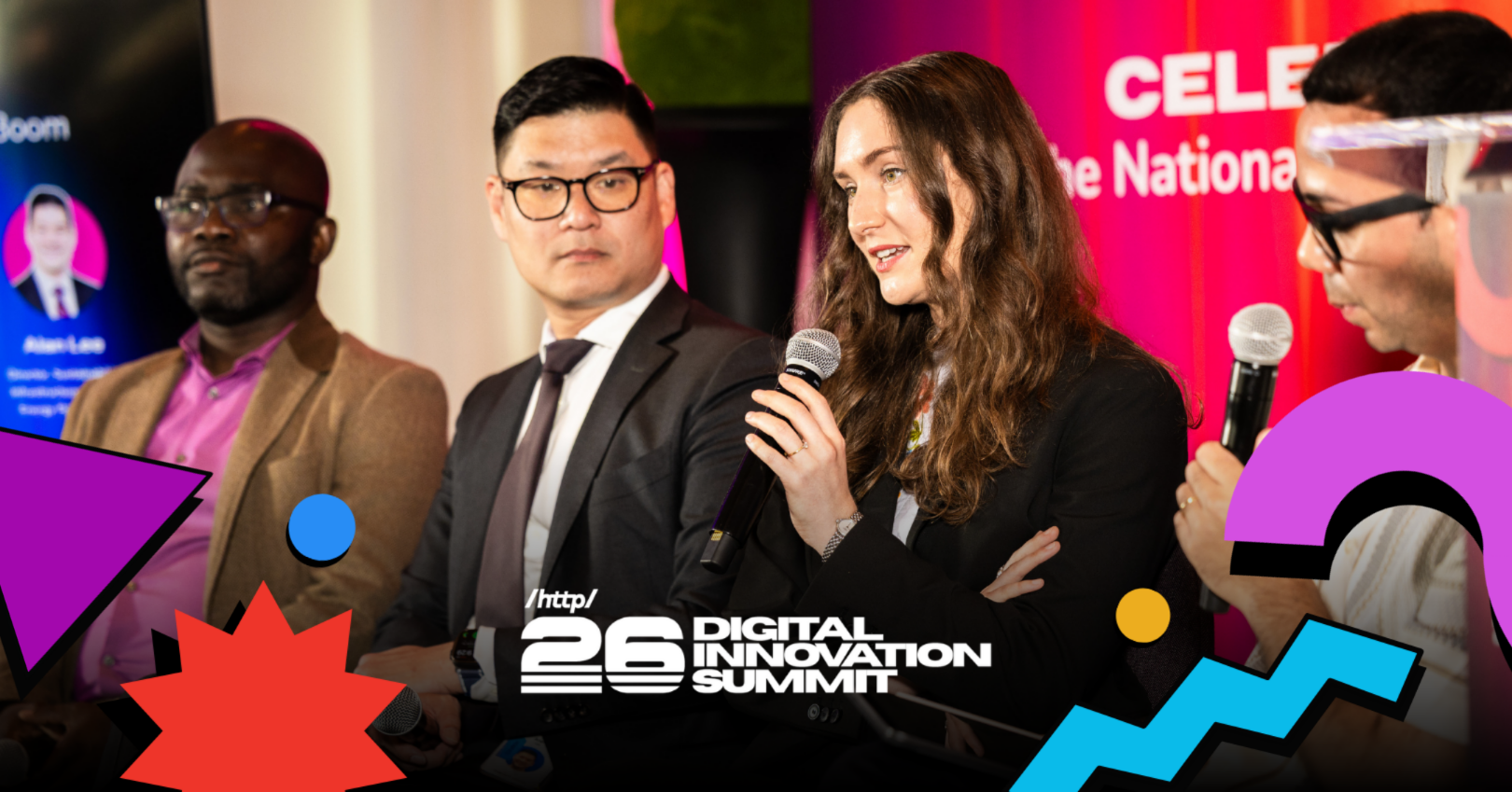
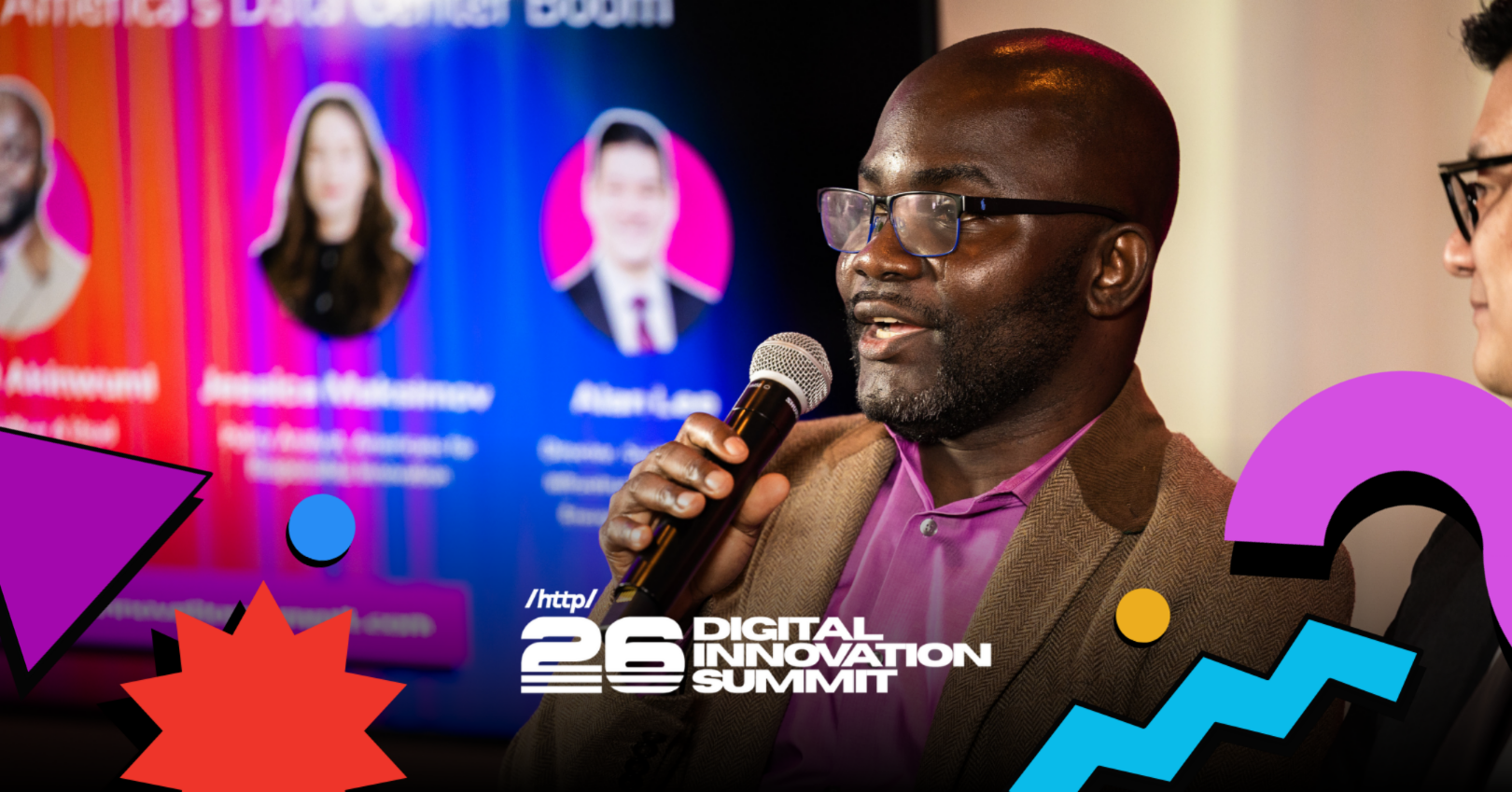
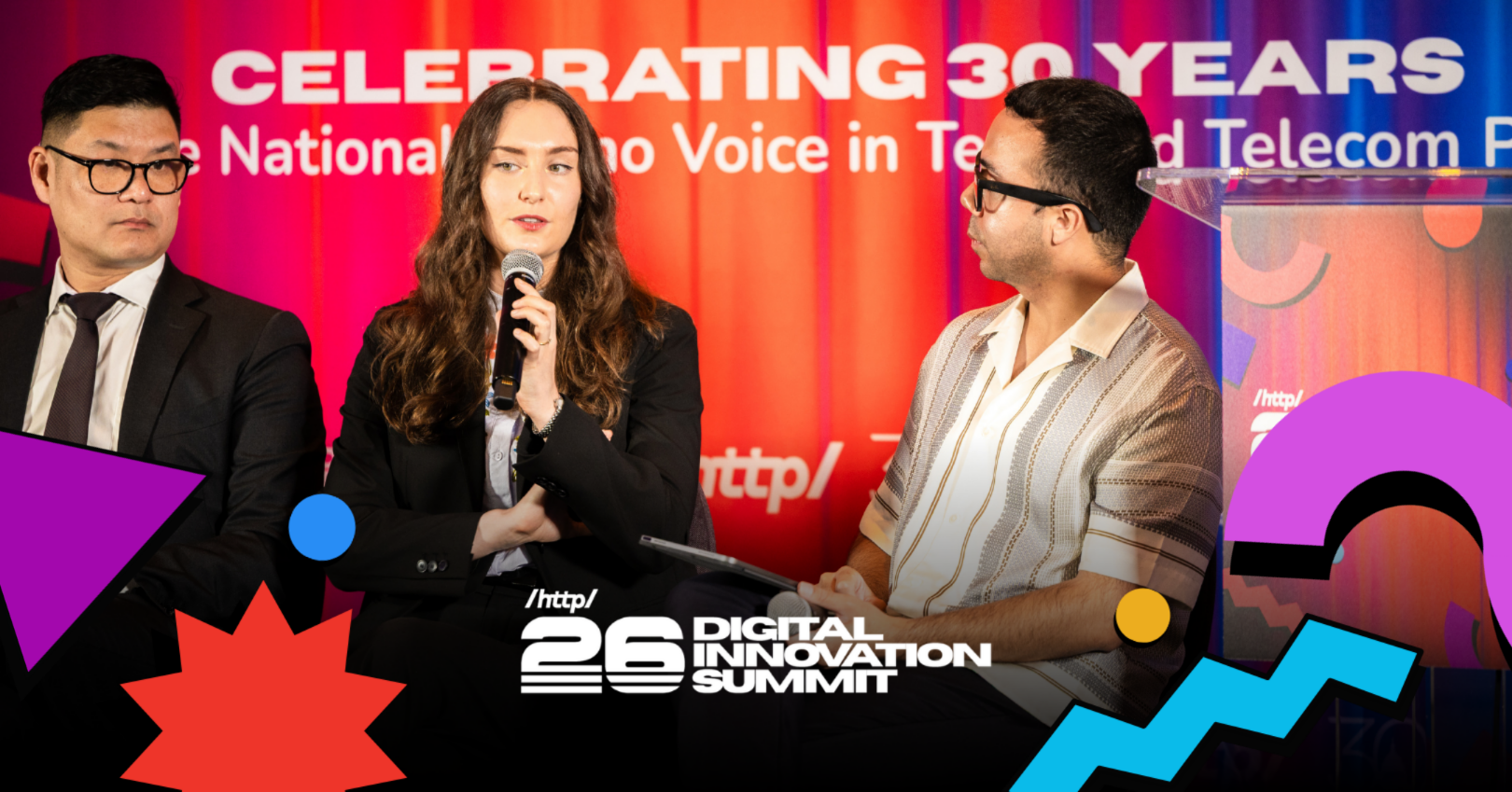
As AI adoption accelerates, so does the demand for the infrastructure behind it. Moderated by Jose Gaona of Zeta, this conversation examined what the rapid expansion of data centers means for energy, water, local communities, and economic development.
Panelists emphasized that communities should have transparency into the trade-offs associated with hosting large-scale infrastructure, including its impact on local water and energy resources. Rather than relying on a one-size-fits-all approach, they discussed the importance of localized standards that reflect the needs and circumstances of individual communities.
The discussion also highlighted the role of appropriate zoning, including the use of pre-zoned industrial sites and brownfields, alongside environmental protections such as the Clean Water Act.
Representatives from Meta discussed efforts to address water consumption and invest in local infrastructure, including wastewater treatment, while also highlighting workforce development as an important part of the economic opportunity associated with data center growth. The conversation noted that the benefits of this expansion extend beyond direct employment and require strong training pipelines to prepare local workers for new opportunities.
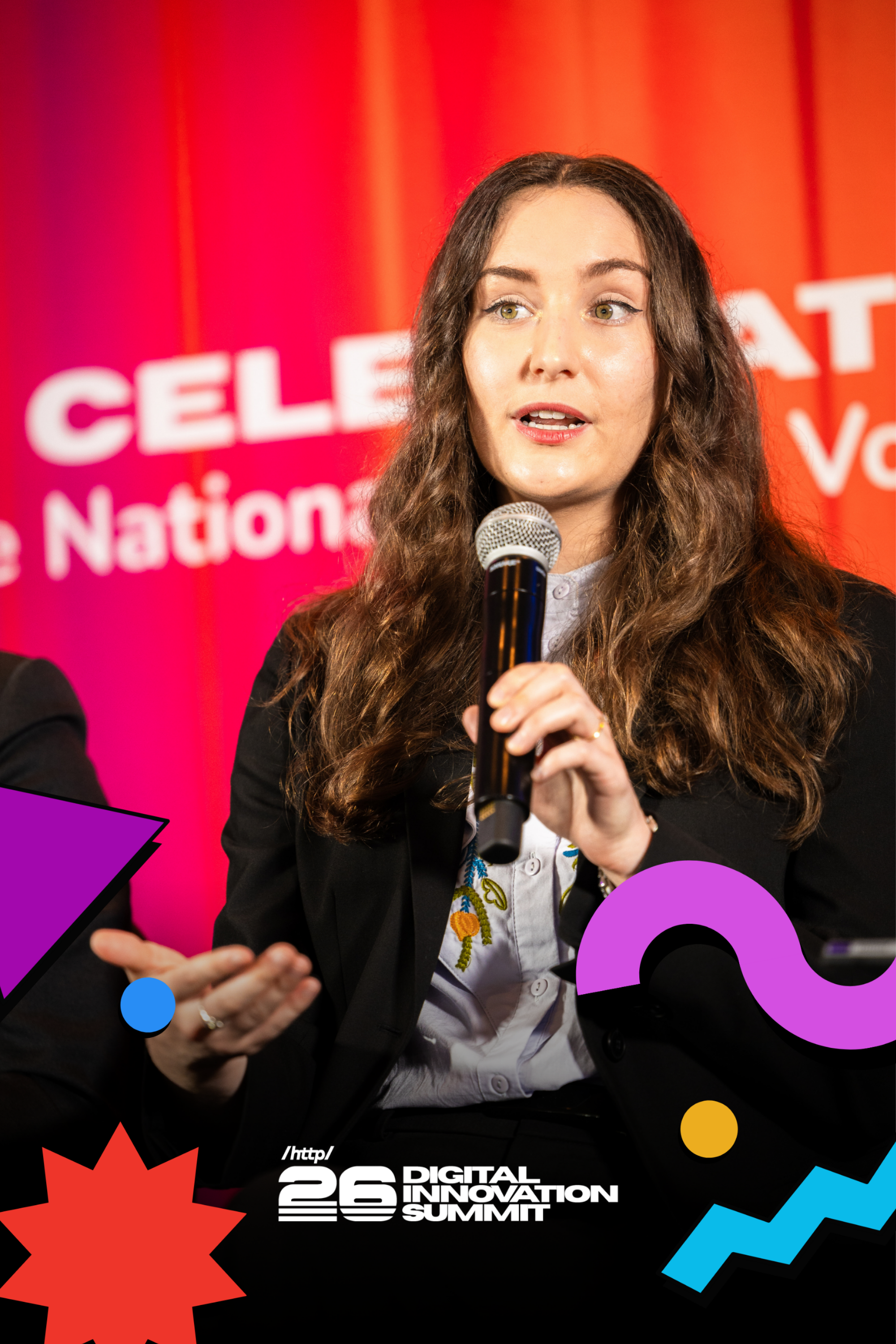
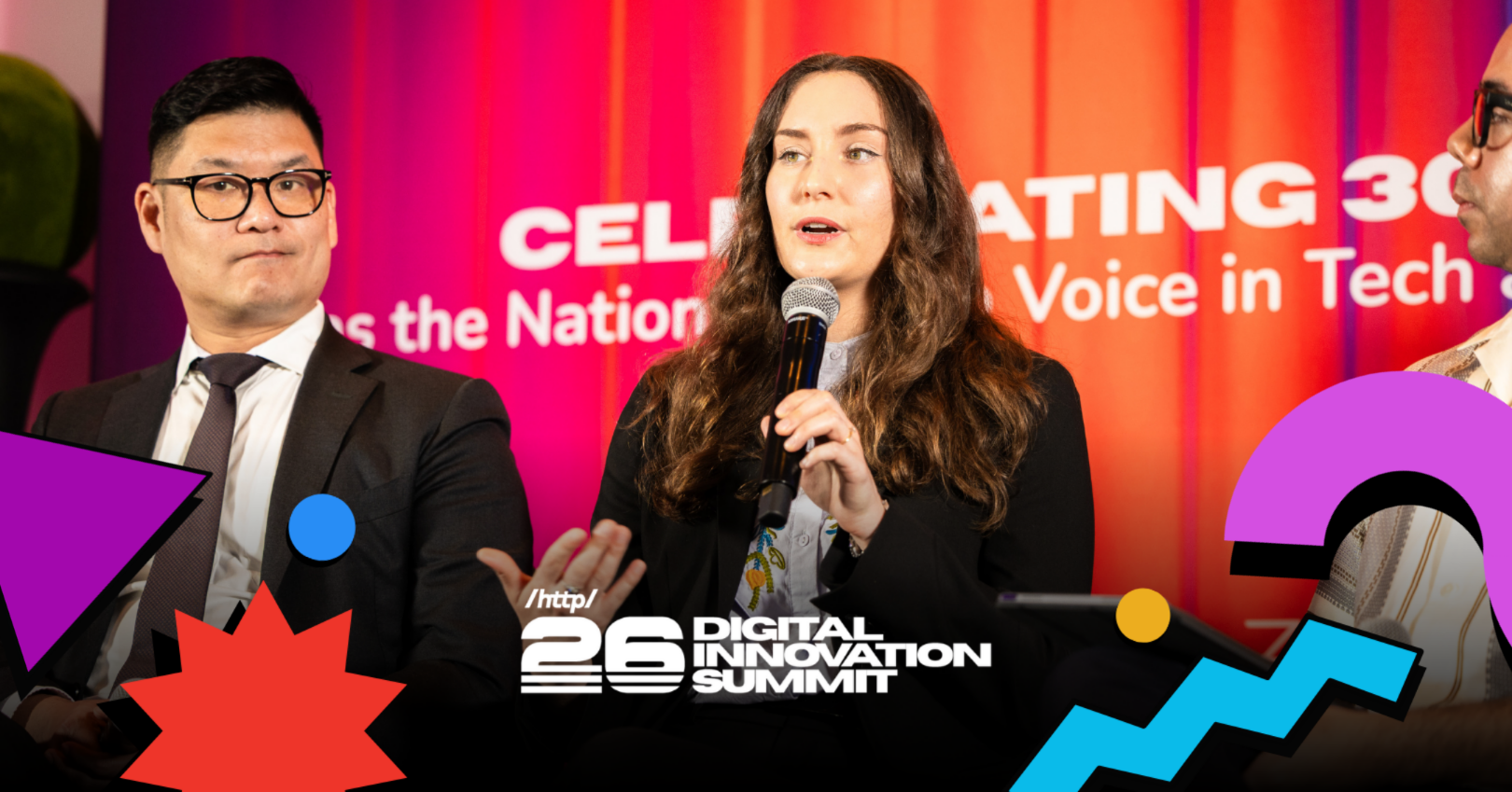
Jessica Maksimov of Americans for Responsible Innovation emphasized the importance of transparency at the national level, calling for consistent reporting of data center electricity consumption so policymakers and communities can better understand and plan for the infrastructure demands of AI.
Overview
The conversation made clear that AI’s growth is also an infrastructure story. As communities consider the opportunities associated with data centers and the AI economy, questions around energy, water, environmental protections, transparency, and workforce development will be increasingly important to ensuring that growth is responsible and locally beneficial.
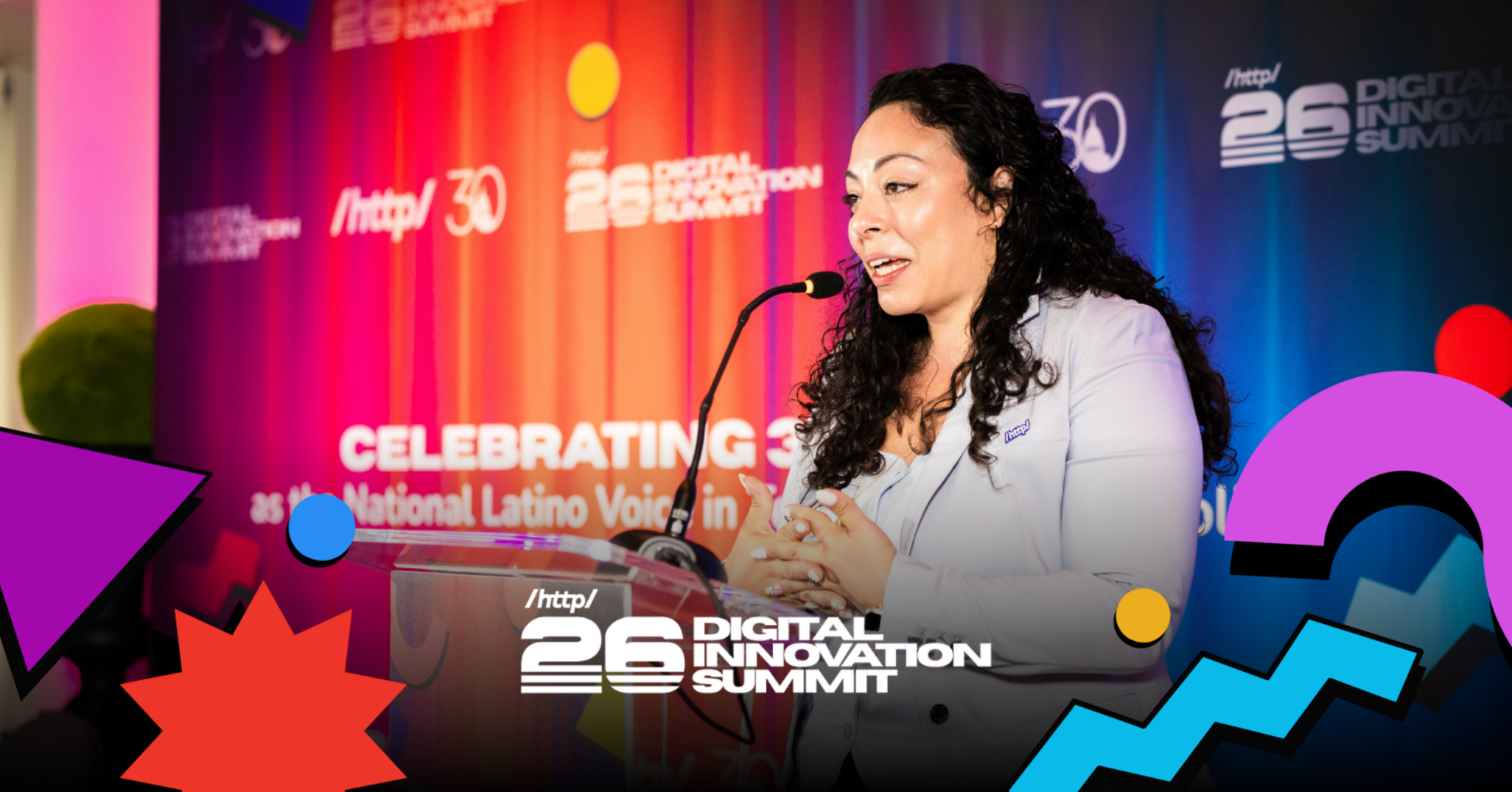
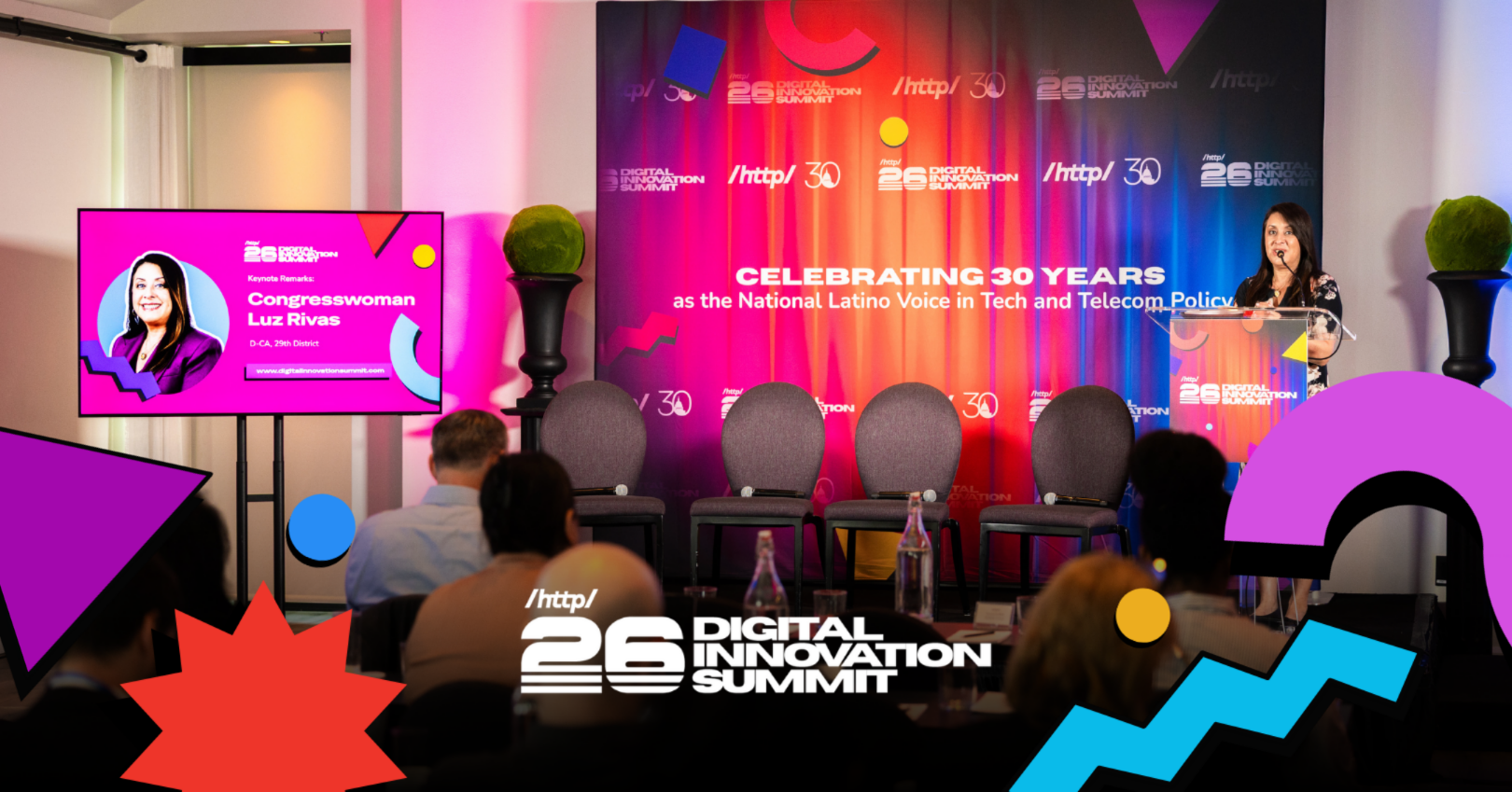
Keynote Remarks — Congresswoman Luz Rivas (CA-29)
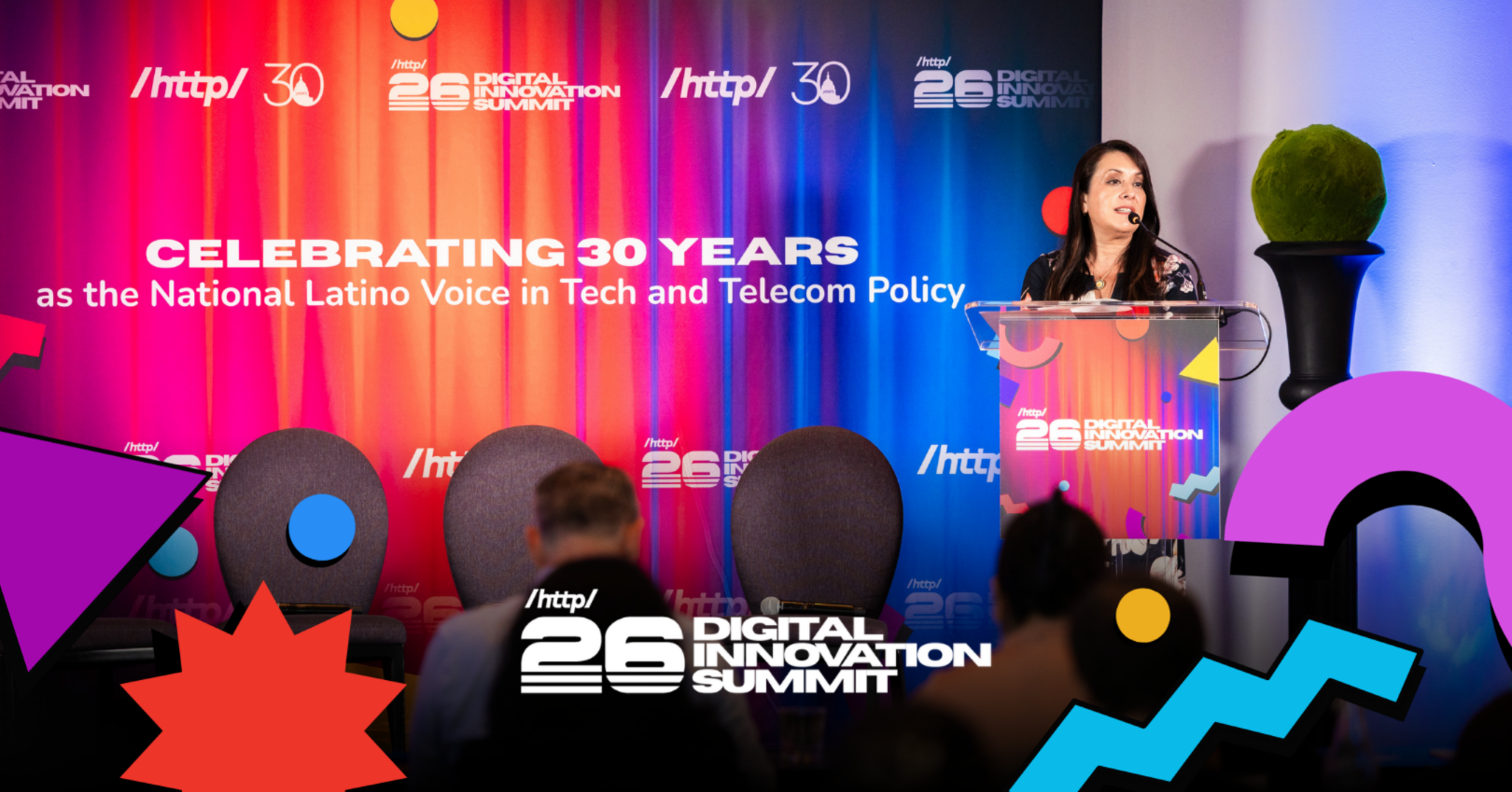
Keynote Remarks Recording Here
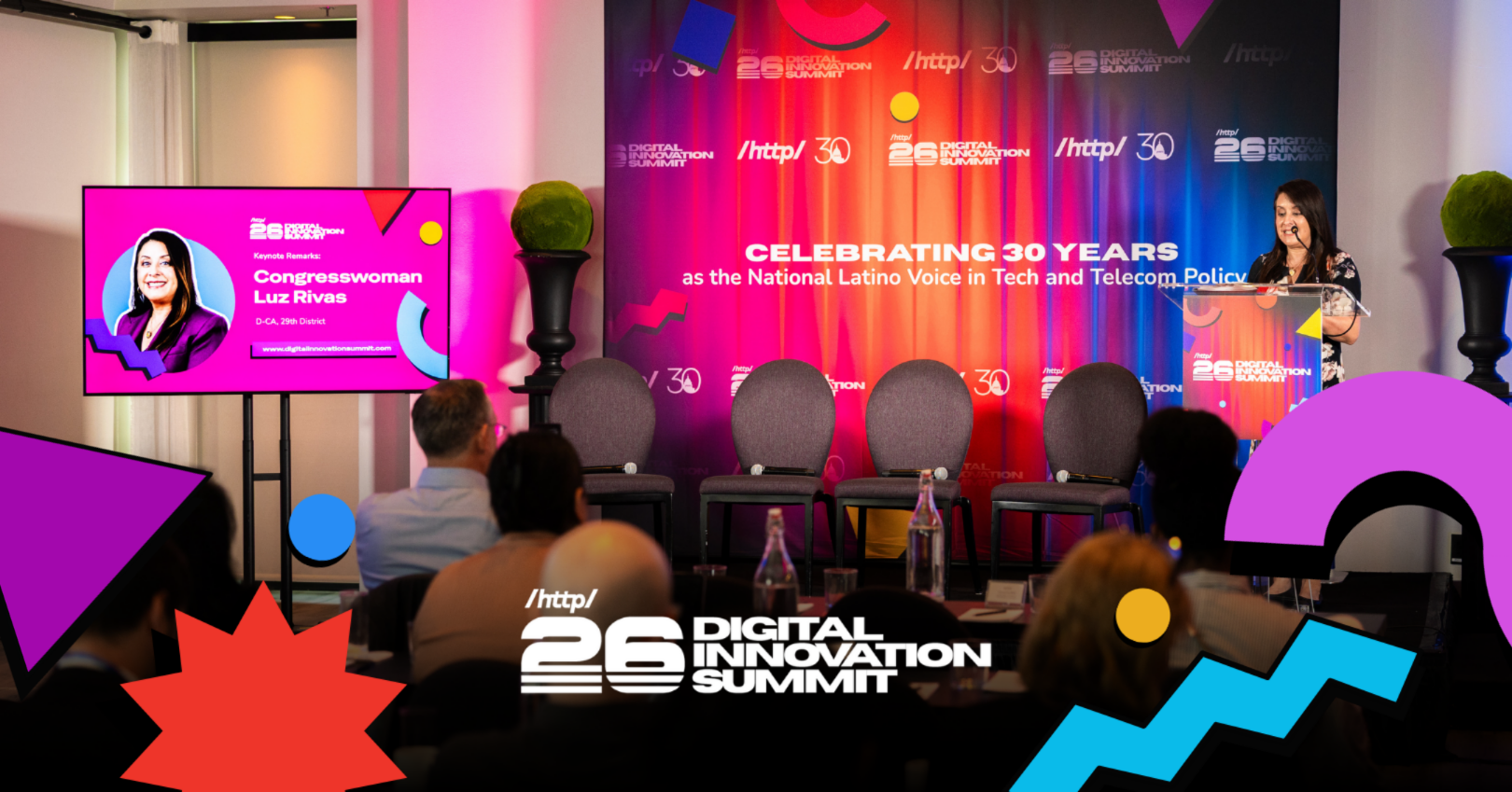
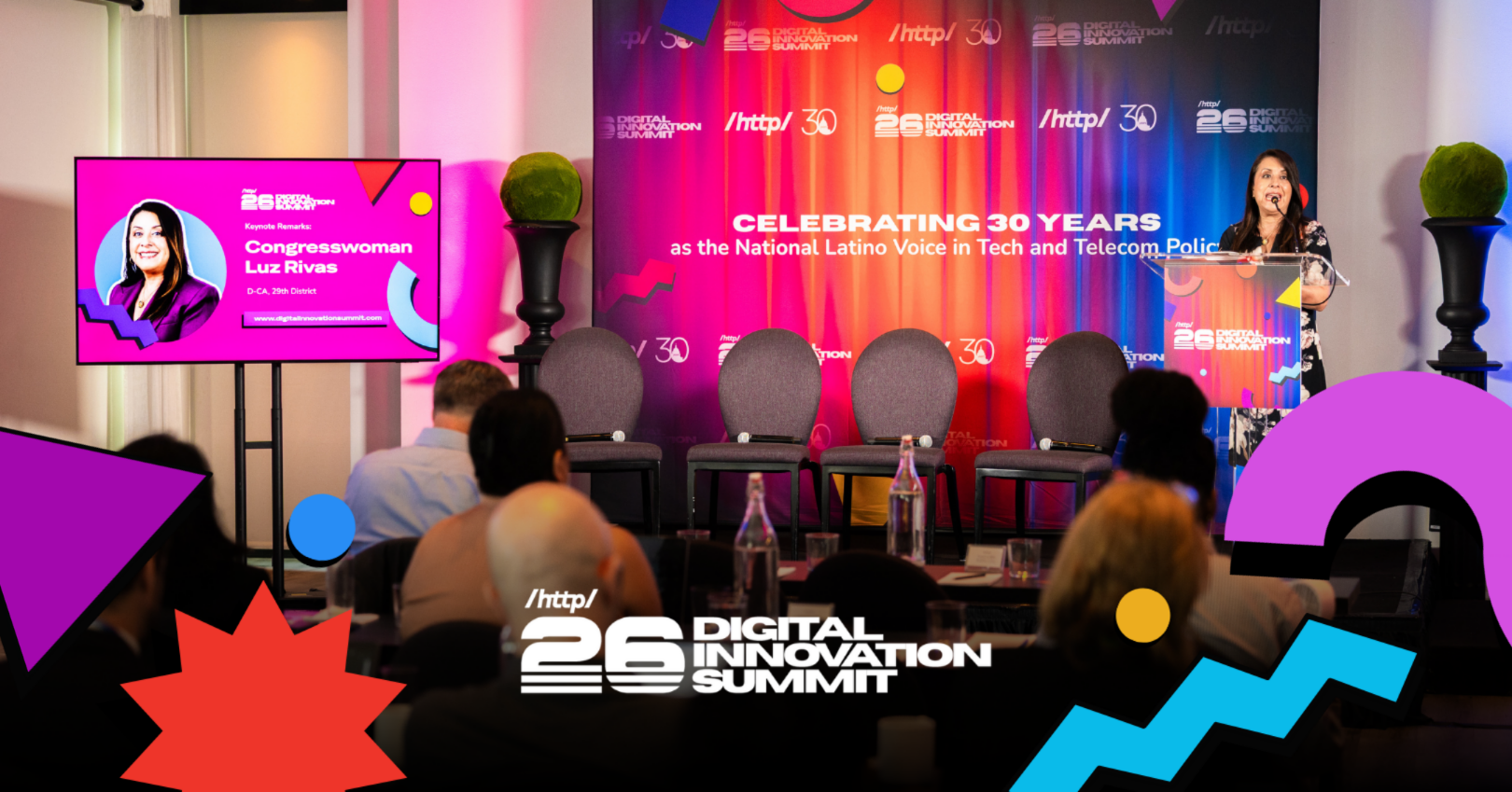
Congresswoman Luz Rivas (CA-29) delivered keynote remarks focused on the rapidly changing relationship between artificial intelligence, education, and the future of work.
Drawing on her background as an engineer and founder of DIY Girls, Rep. Rivas emphasized that decisions being made today will help determine whether AI expands economic opportunity or contributes to greater inequality. She highlighted the importance of ensuring that Latino communities have a meaningful voice in the development and application of AI, particularly as young people increasingly use these tools for learning and work.
Rep. Rivas also outlined legislative efforts aimed at preparing communities for an AI-driven economy, including the AI for All Act, which would promote national AI literacy and accessible, multilingual federal AI services, and the Department of Advanced Technology and AI Act, which proposes a cabinet-level agency focused on a unified national technology strategy.
Her remarks reinforced the importance of education, mentorship, and inclusive policymaking in preparing the next generation to not only adapt to AI, but help shape its future.
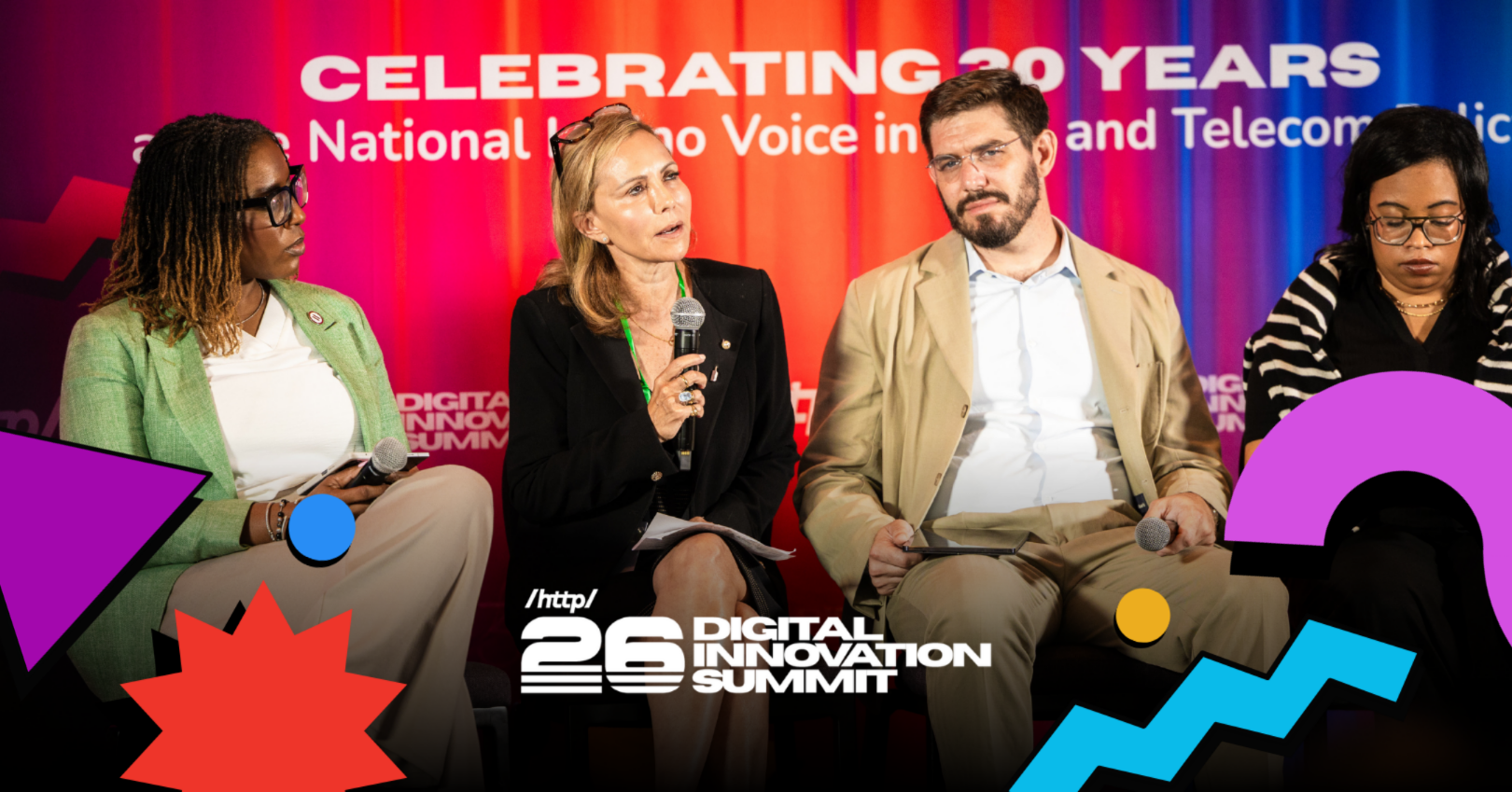
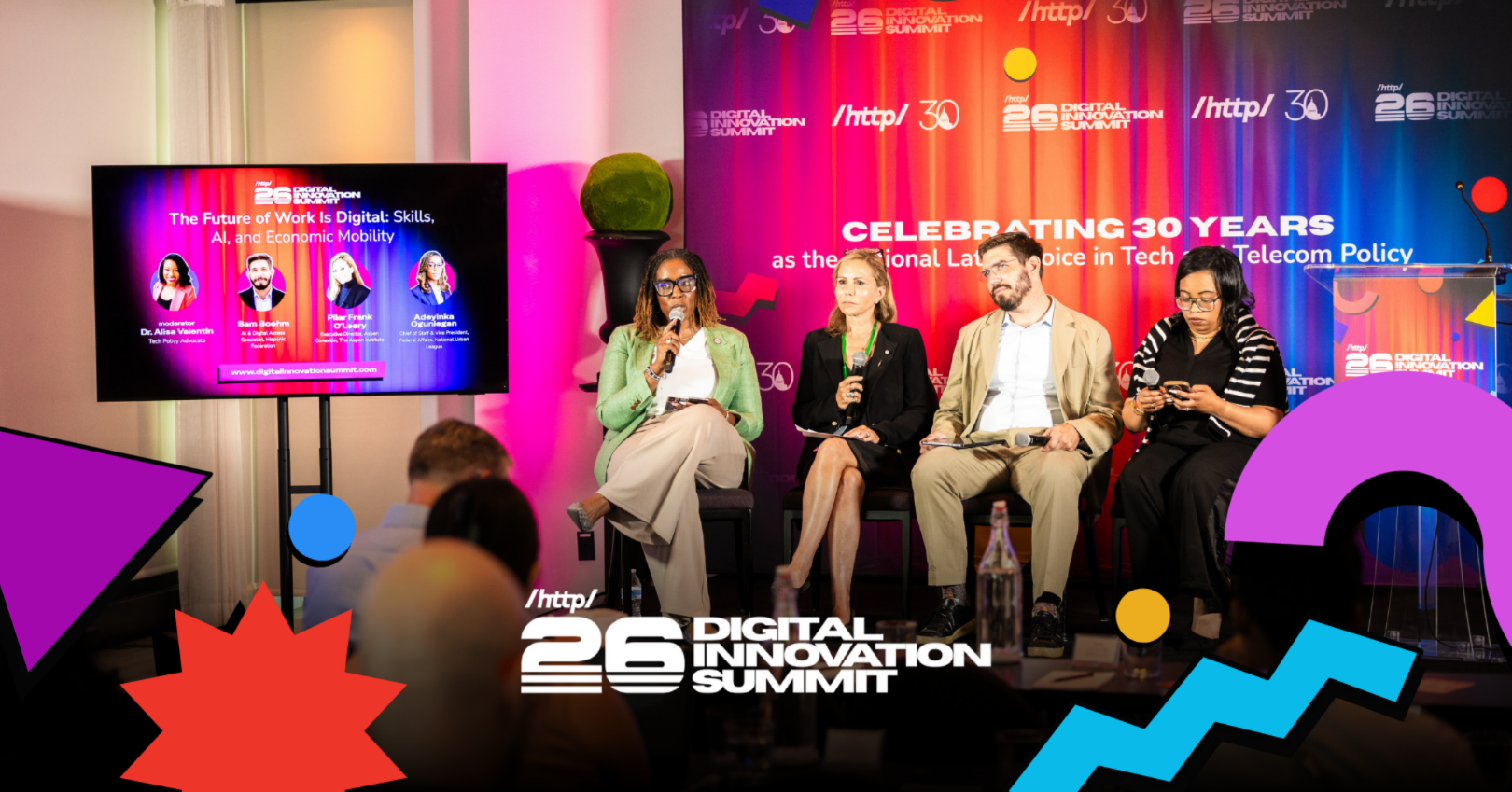
Panel 2 — The Future of Work Is Digital: Skills, AI, and Economic Mobility
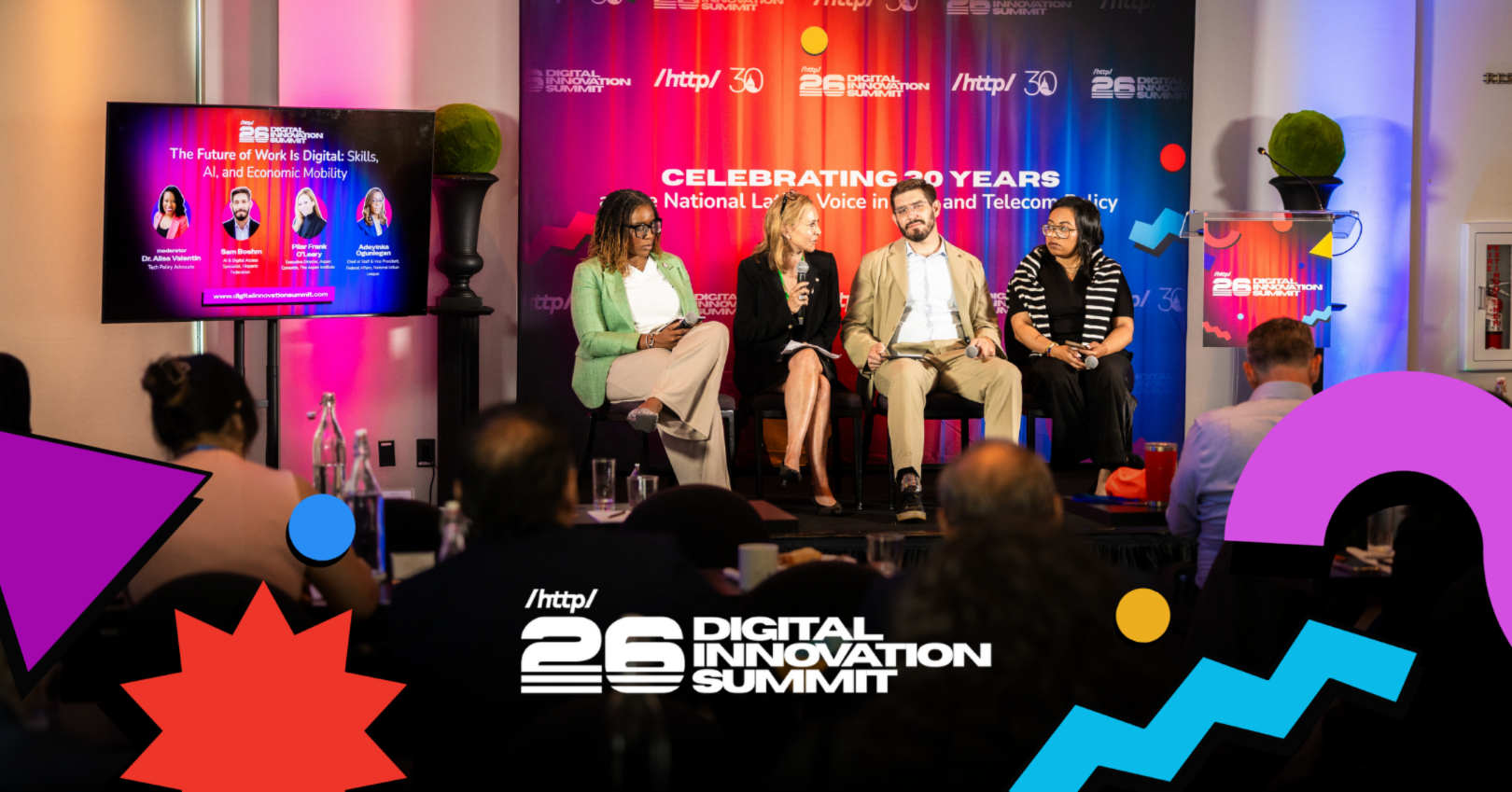
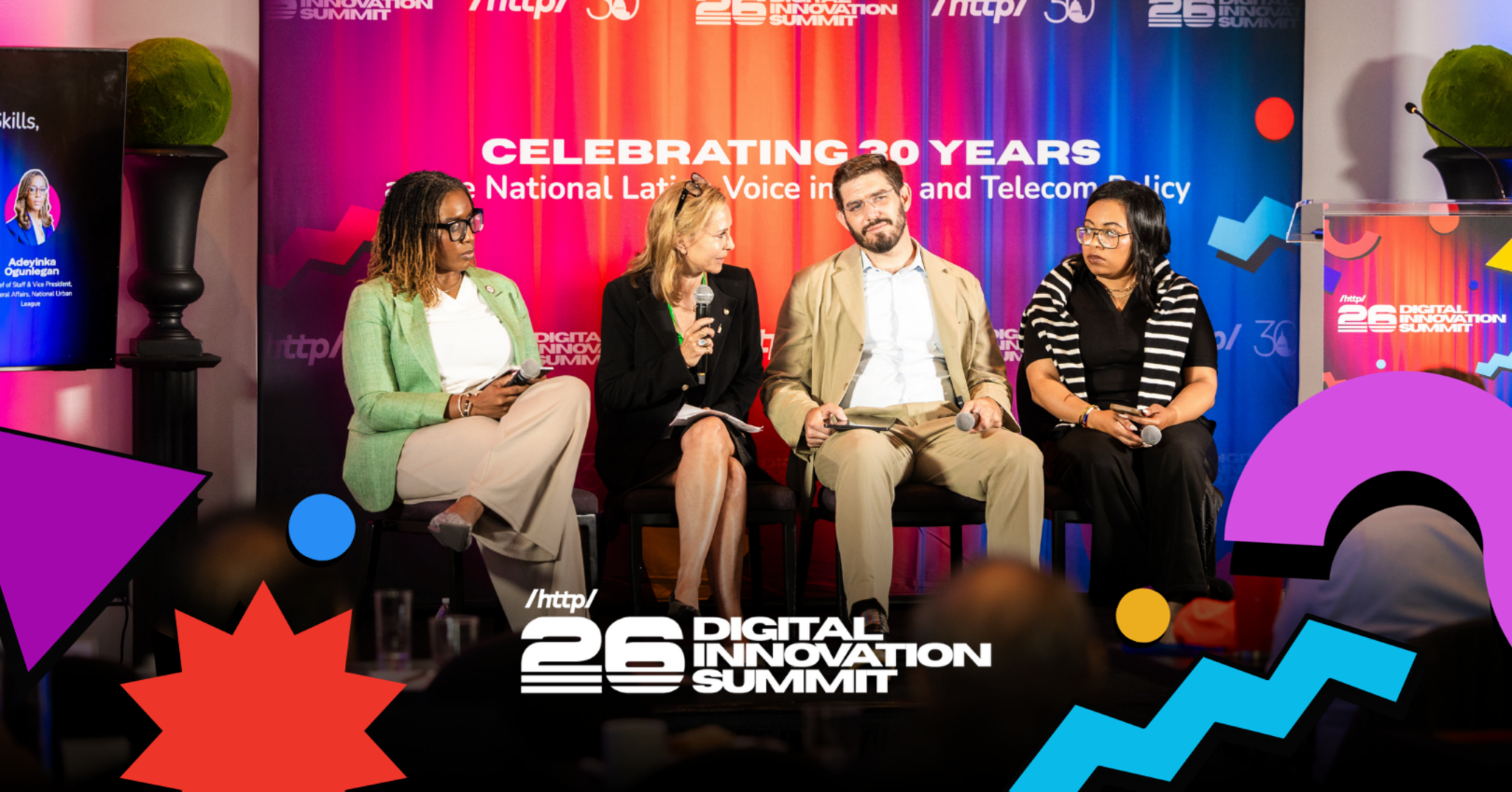
Moderated by Dr. Alisa Valentin, this panel brought together Sam Boehm of Hispanic Federation, Pilar Frank O’Leary of Aspen Conexión, and Adeyinka Ogunlegan of the National Urban League to examine how AI is changing the workforce and what it will take to ensure historically underserved communities can benefit from that transformation.
The panelists emphasized that workforce development cannot stop at technology adoption. Preparing people for the future requires culturally and linguistically responsive training, as well as attention to the broader barriers that affect economic mobility, including broadband affordability, housing, and childcare.
The discussion also highlighted a significant representation gap. As Pilar Frank O’Leary noted, Latinos represent a significant share of the market but remain underrepresented in the digital workforce. The panelists argued that underserved communities should be positioned not only as users of AI, but as designers, creators, and decision-makers shaping the technology itself.
Policy and accountability were also central to the conversation. Panelists discussed the importance of national AI standards that account for disparate impacts and potential bias in areas such as hiring. They also highlighted digital equity initiatives such as the Louisville Latimer Plan as examples of how infrastructure investment can be paired with accountability and measurable economic outcomes.
Looking ahead, the panelists envisioned a future in which AI supports greater economic mobility while respecting data sovereignty and redefining productivity around dignity, balance, and human well-being—not efficiency alone.
Overview
The conversation reinforced that the future of work is ultimately about people. Technology can create new opportunities, but those opportunities will only be broadly shared when communities have access to connectivity, education, training, and the resources needed to participate on their own terms.
Fireside Chat — The Future of Wireless Connectivity, AI, and Digital Equity

Full Fireside Chat Recording Here
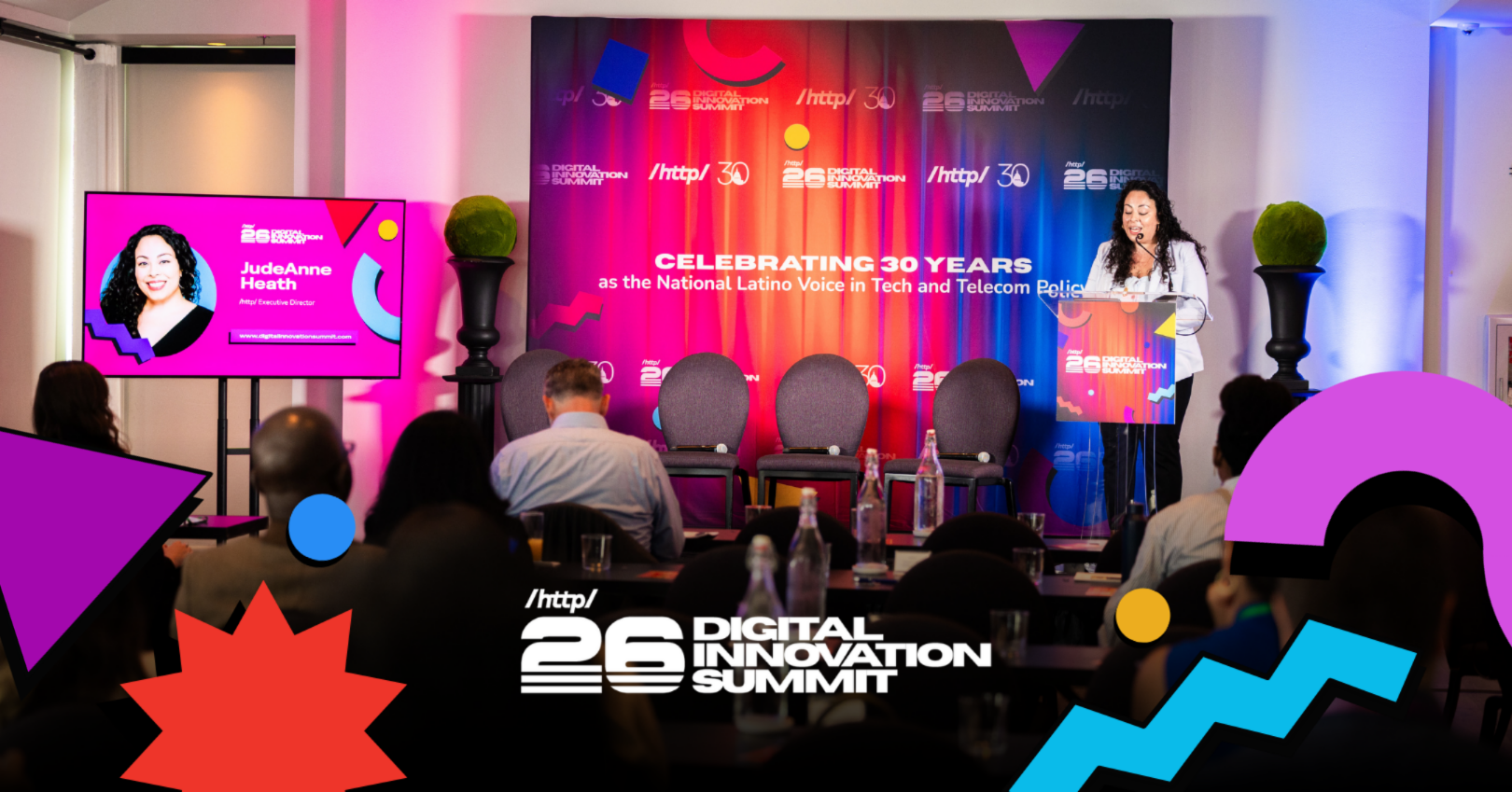
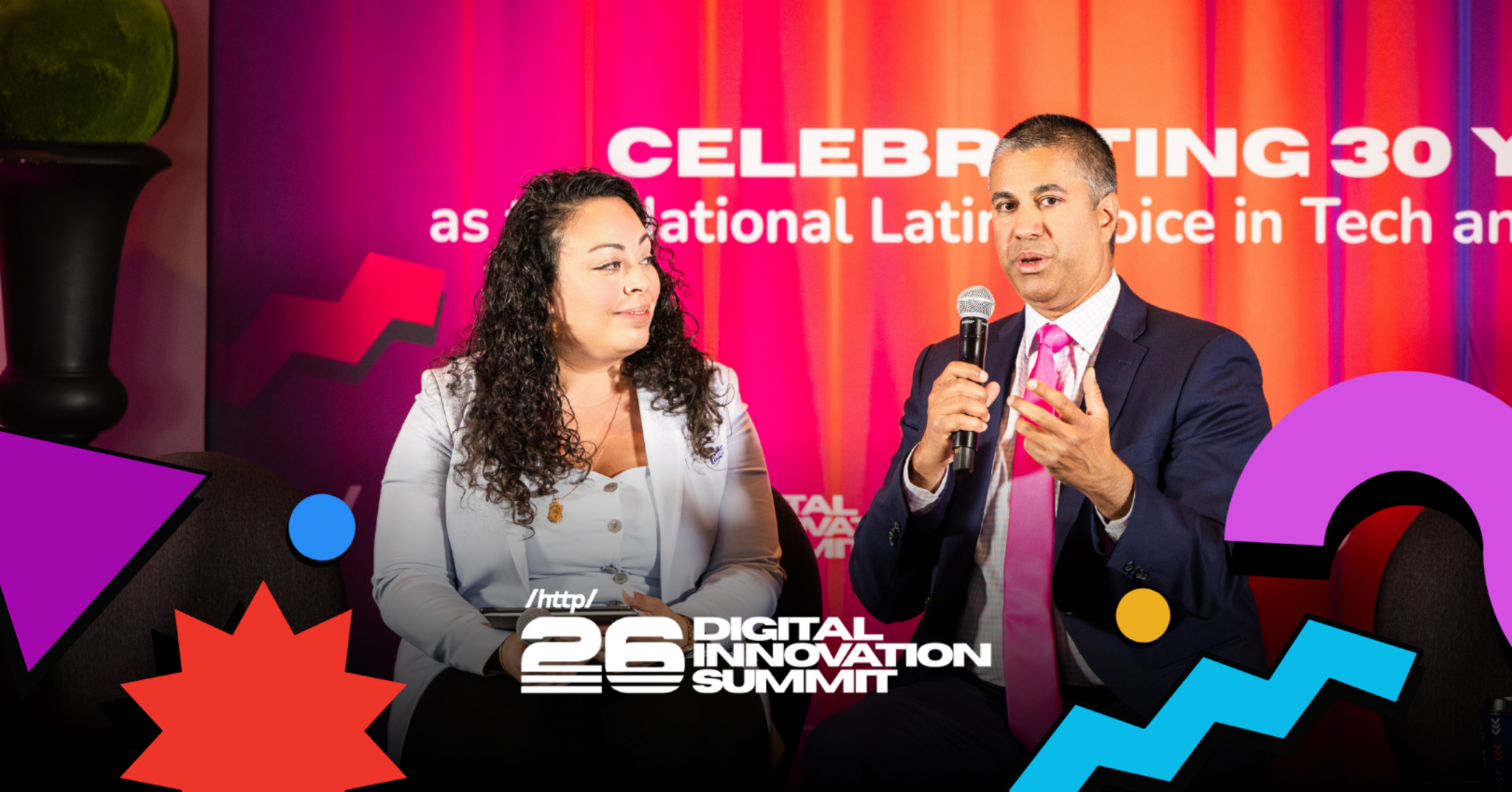
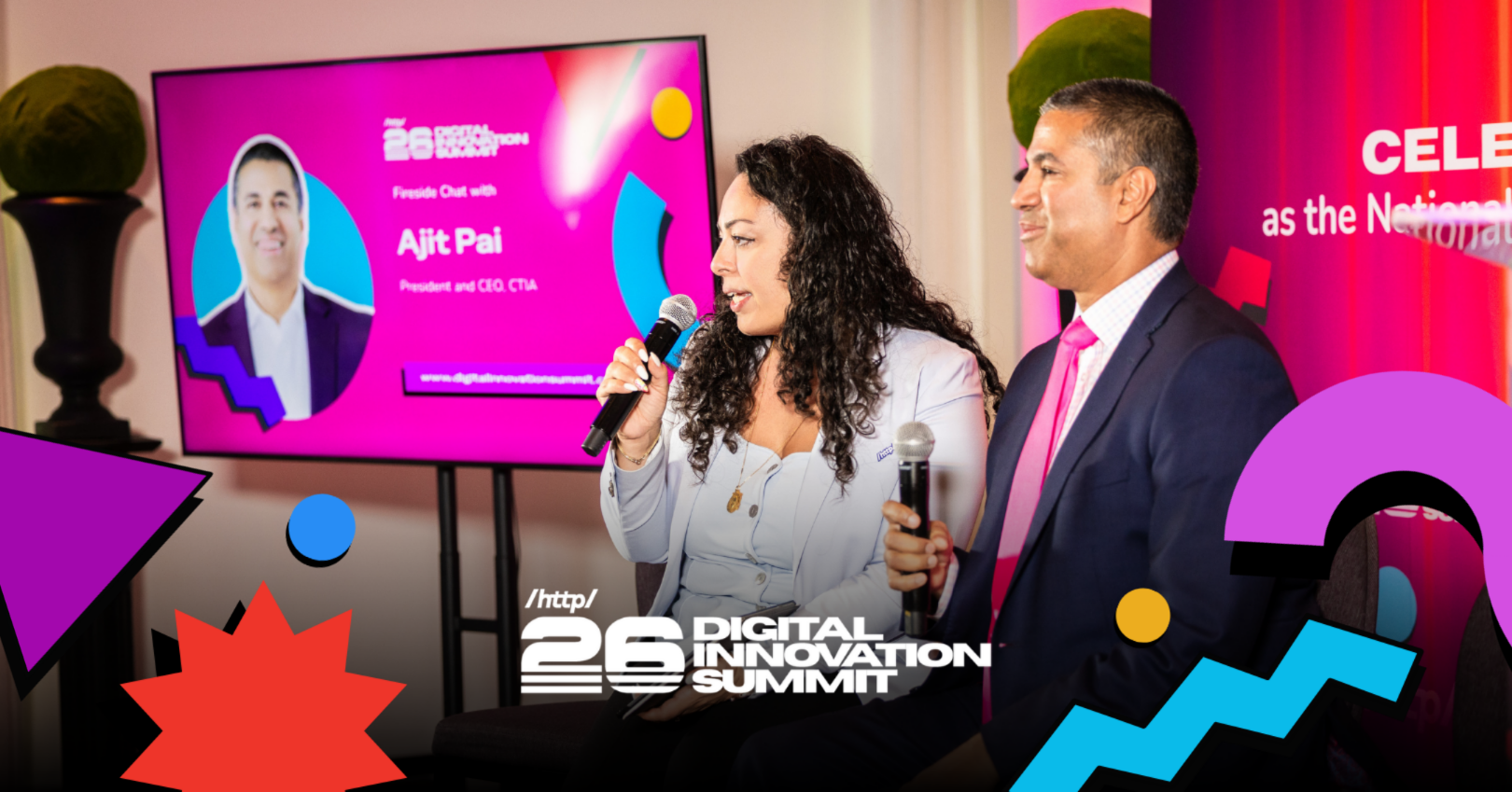
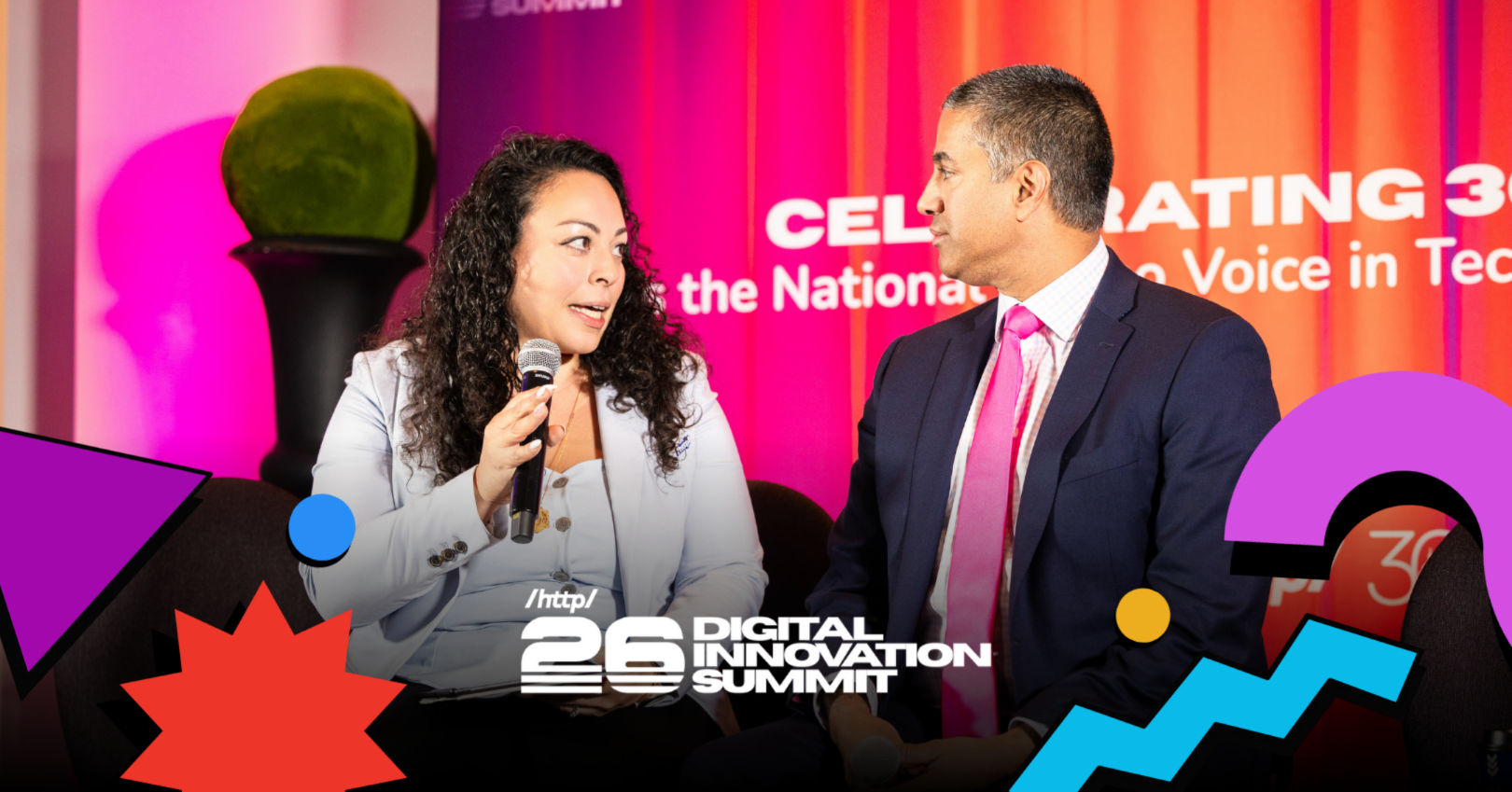
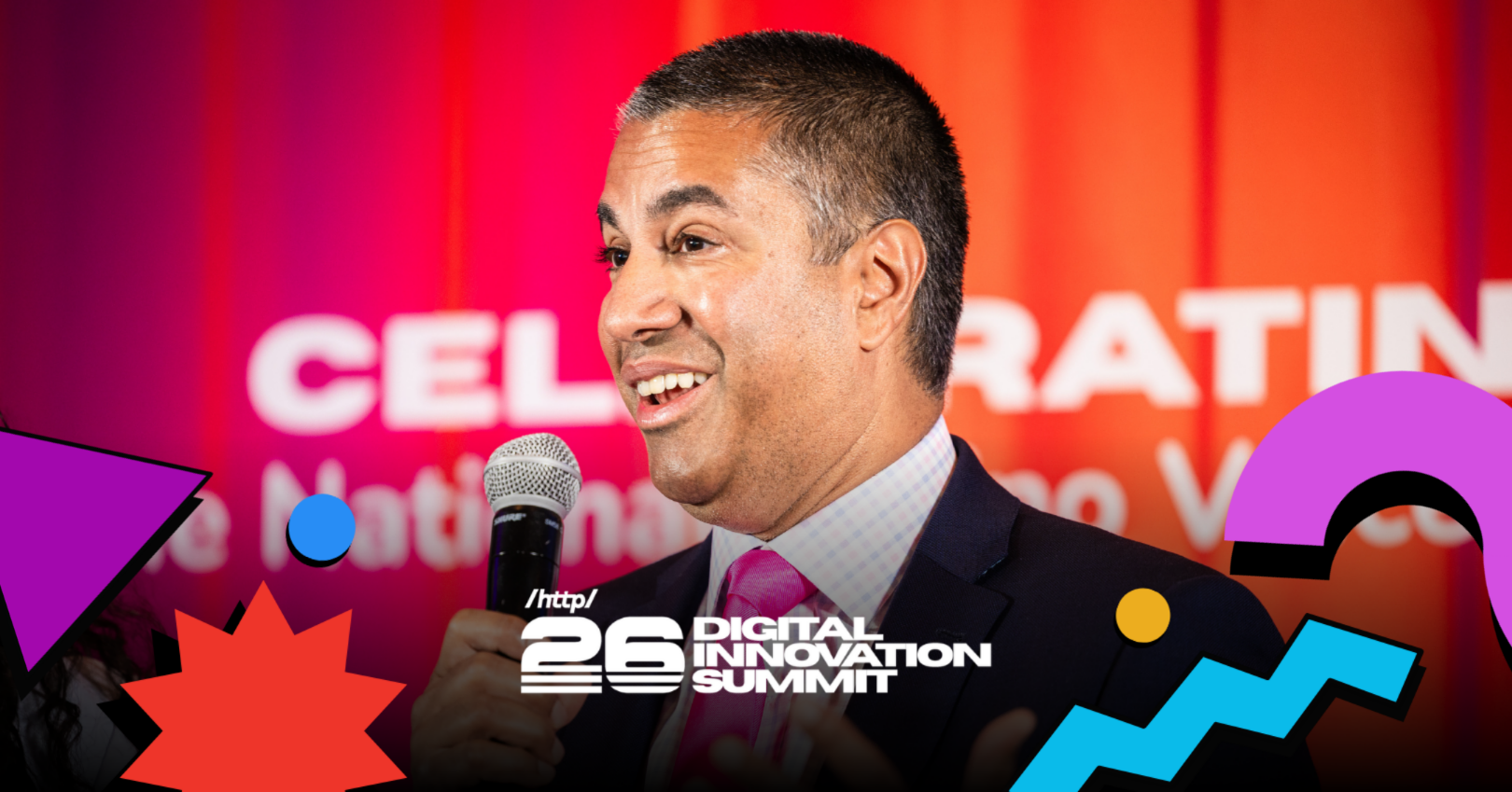
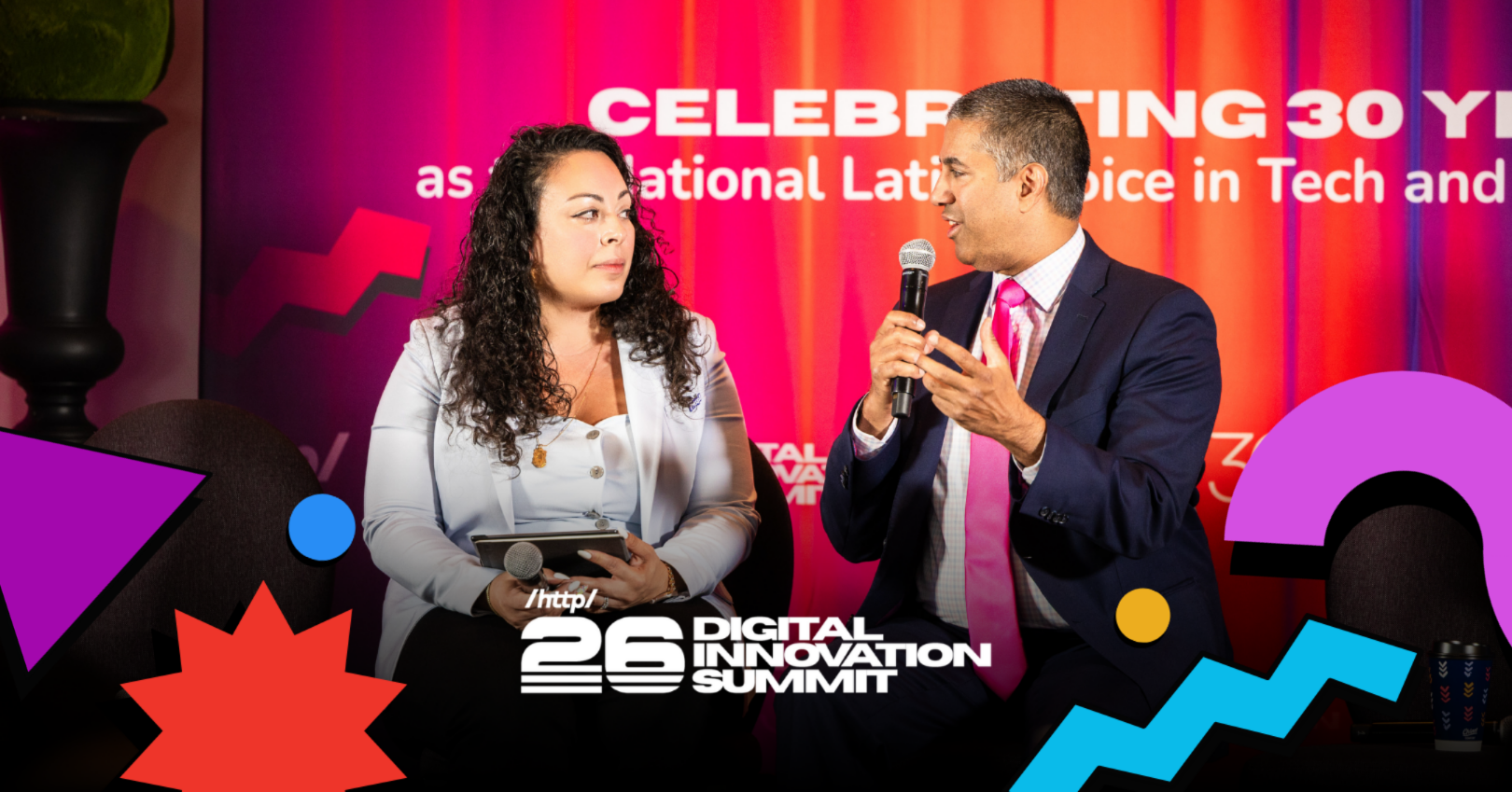
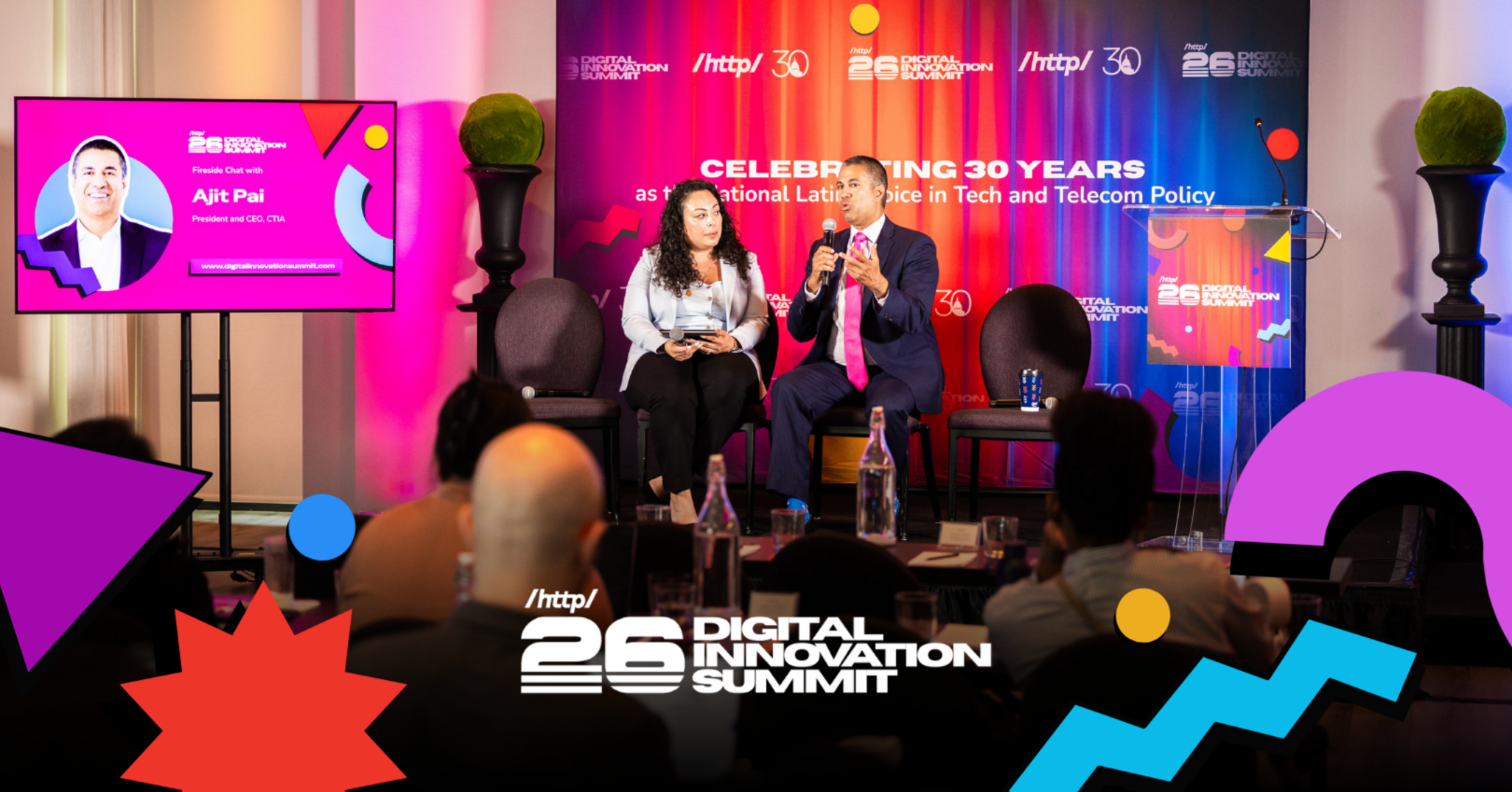
In a fireside conversation, JudeAnne Heath, Executive Director of /http/, spoke with Ajit Pai, President and CEO of CTIA, about the evolution of wireless connectivity and its growing role in everyday life.
Reflecting on milestones such as the introduction of the iPhone and the rollout of 5G, the conversation explored how wireless technology has evolved from a luxury into essential infrastructure supporting healthcare, education, communication, and economic participation.
Pai emphasized the role of competition and continued infrastructure investment in keeping connectivity affordable for consumers, highlighting the emergence of 5G fixed wireless broadband as an additional source of competition in the home internet market.
The conversation also explored how AI-powered tools and mobile connectivity can expand accessibility, from translation technologies to health-monitoring devices that can support remote medical care.
For Latino and other underserved communities, the discussion underscored that connectivity is about more than access. Wireless technology can also serve as a pathway to high-paying jobs, entrepreneurship, and participation in the digital economy.
Overview
The fireside chat connected decades of technological change with the challenges ahead, highlighting how continued investment, competition, innovation, and access can help ensure that the benefits of wireless connectivity reach communities across the country.
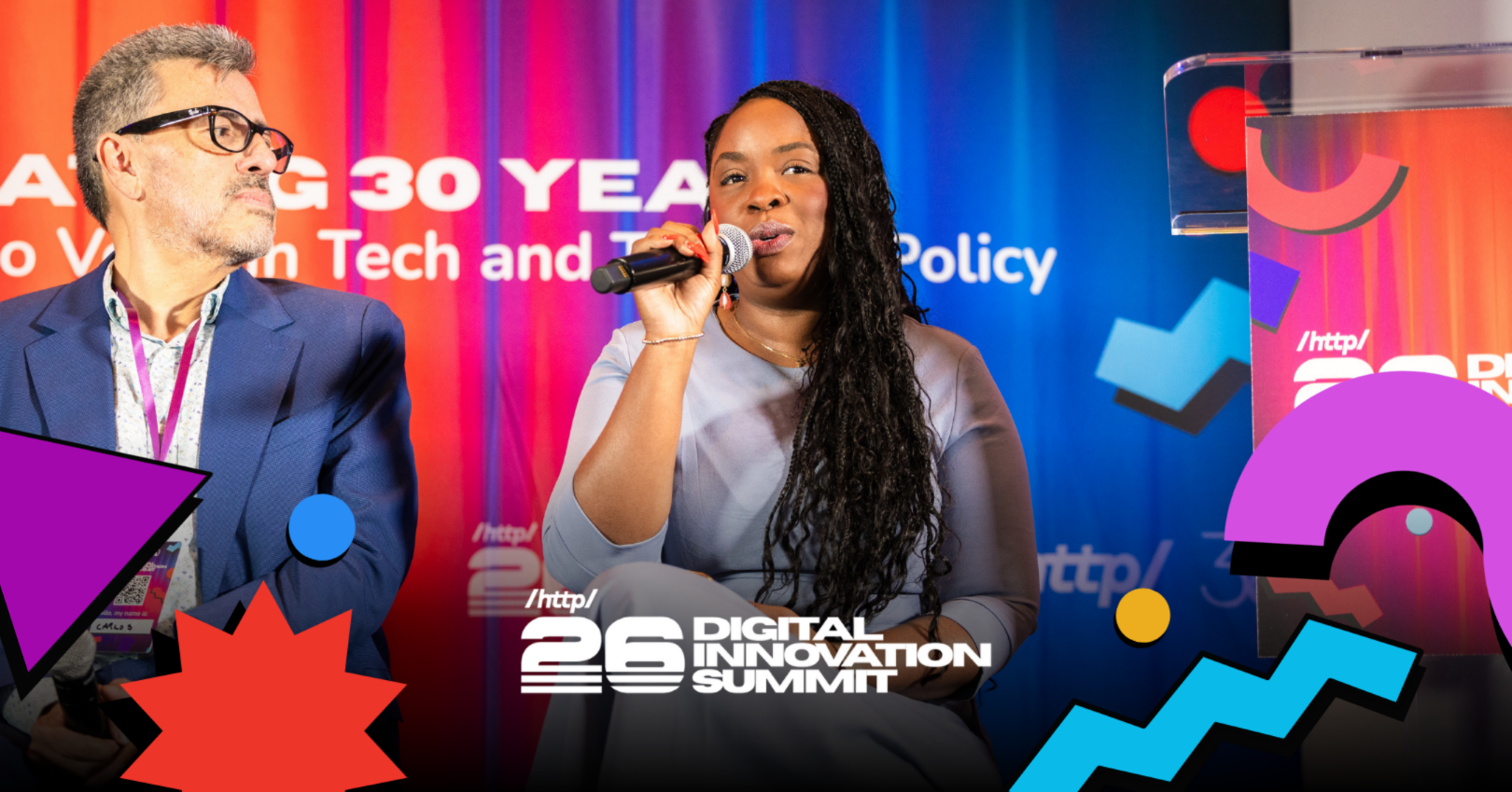
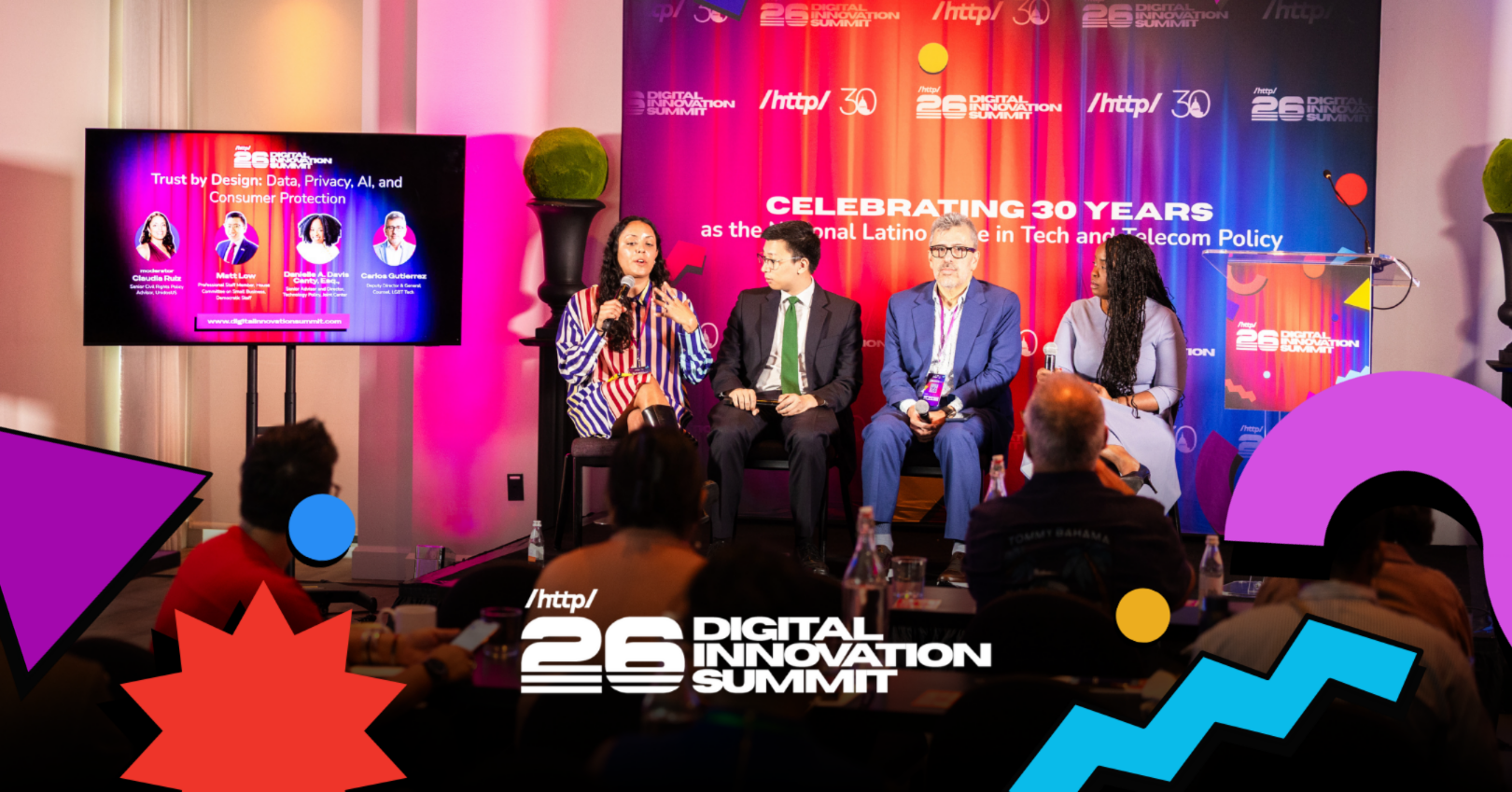
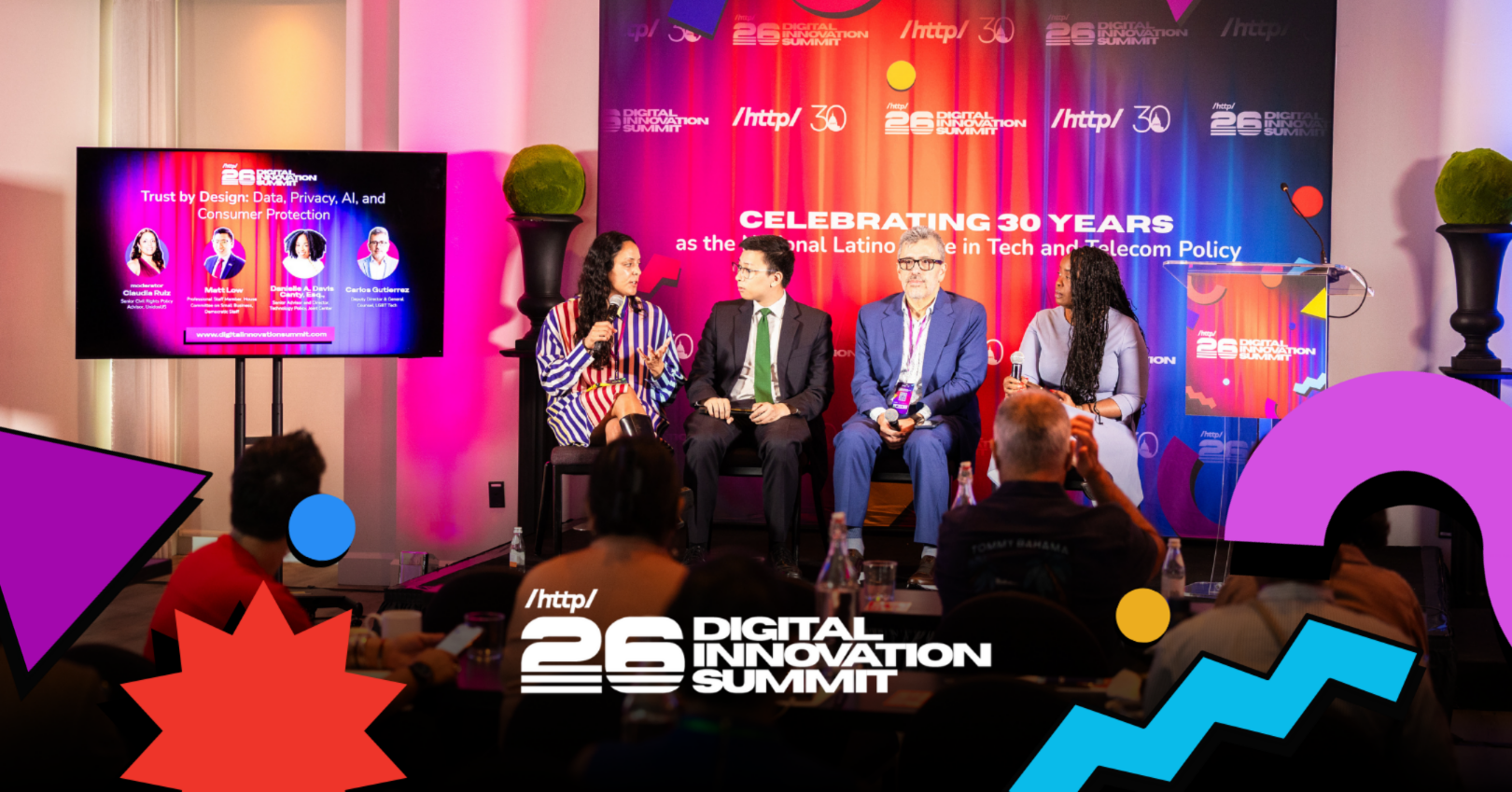
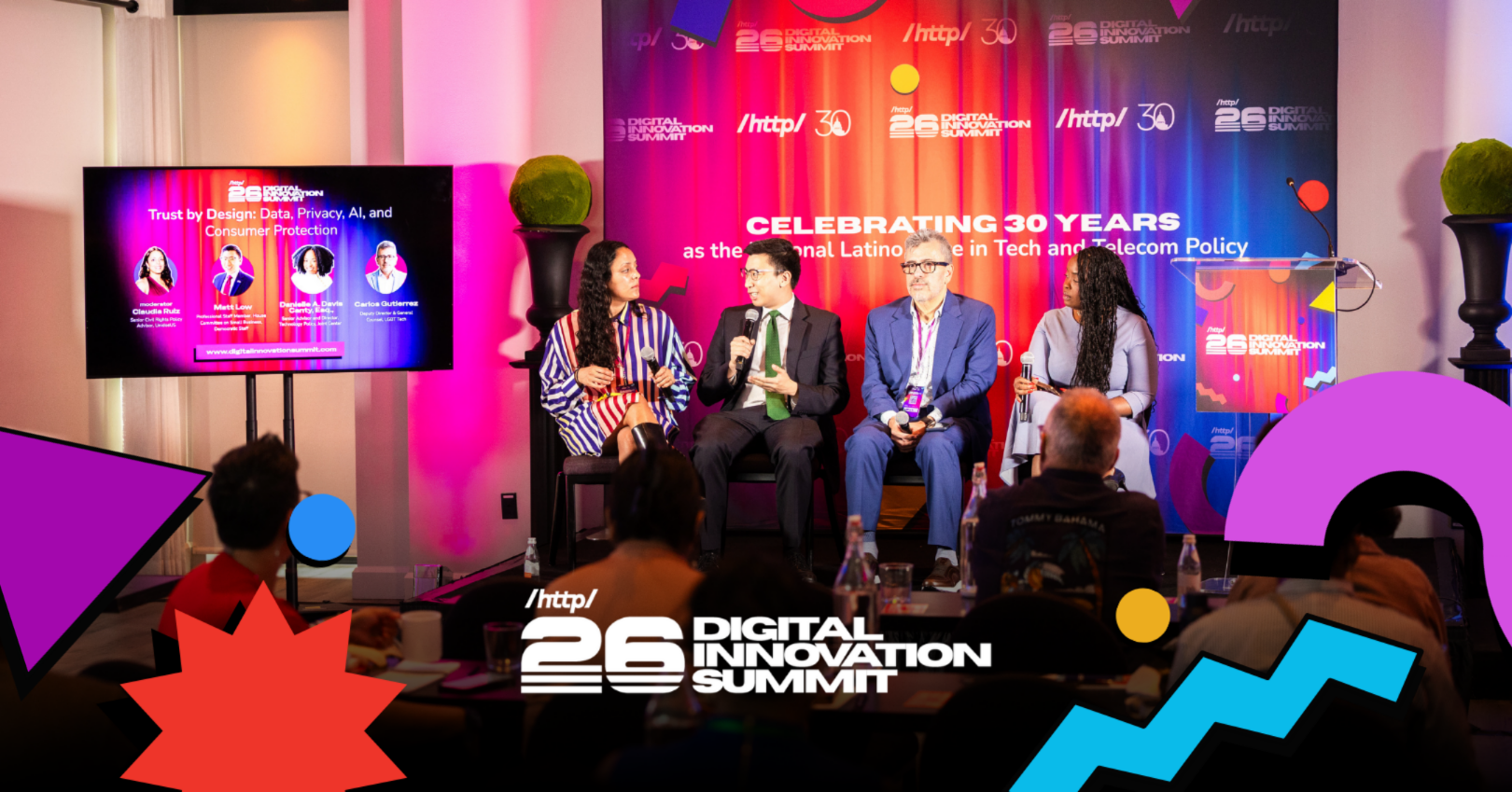
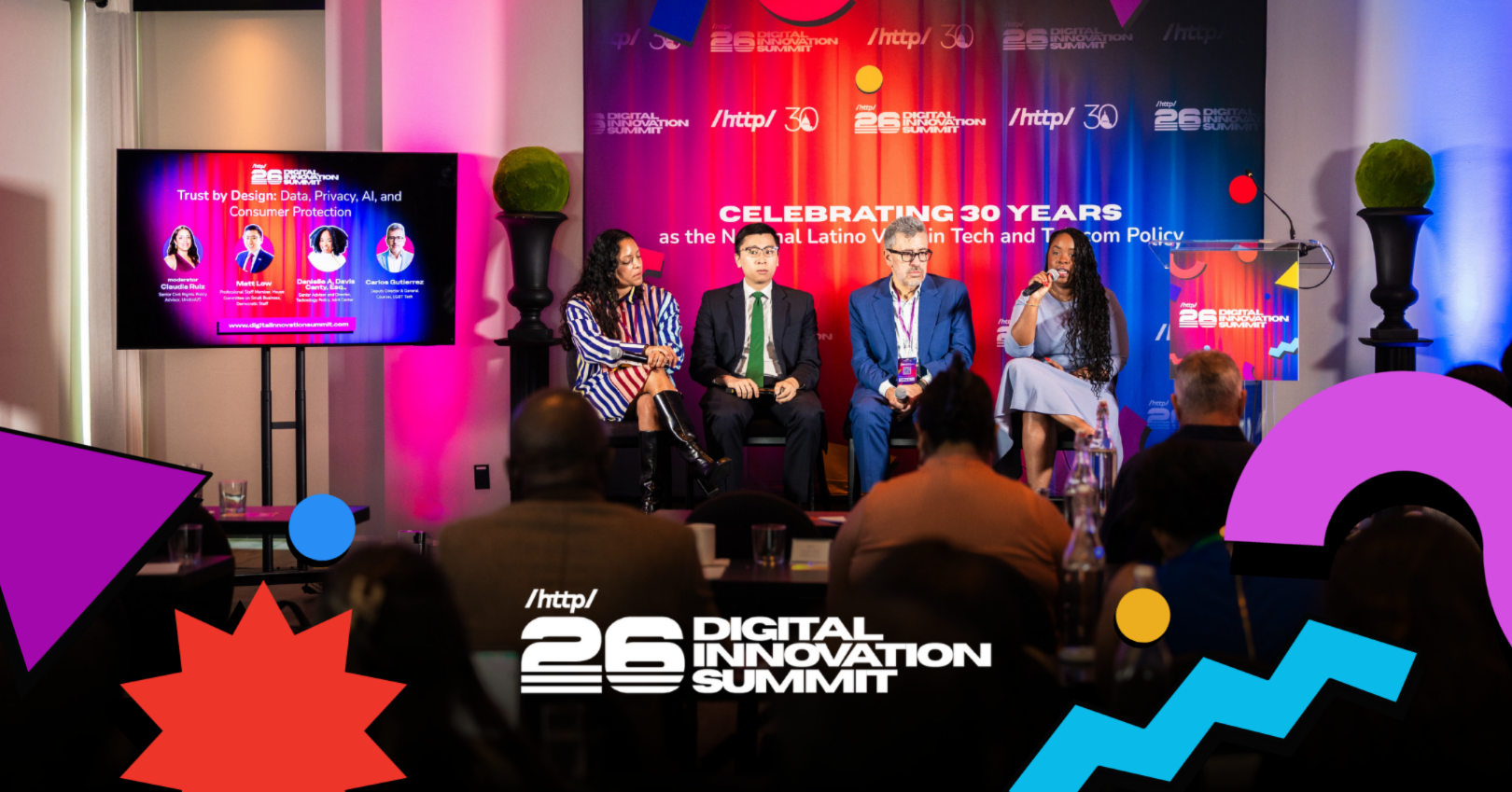
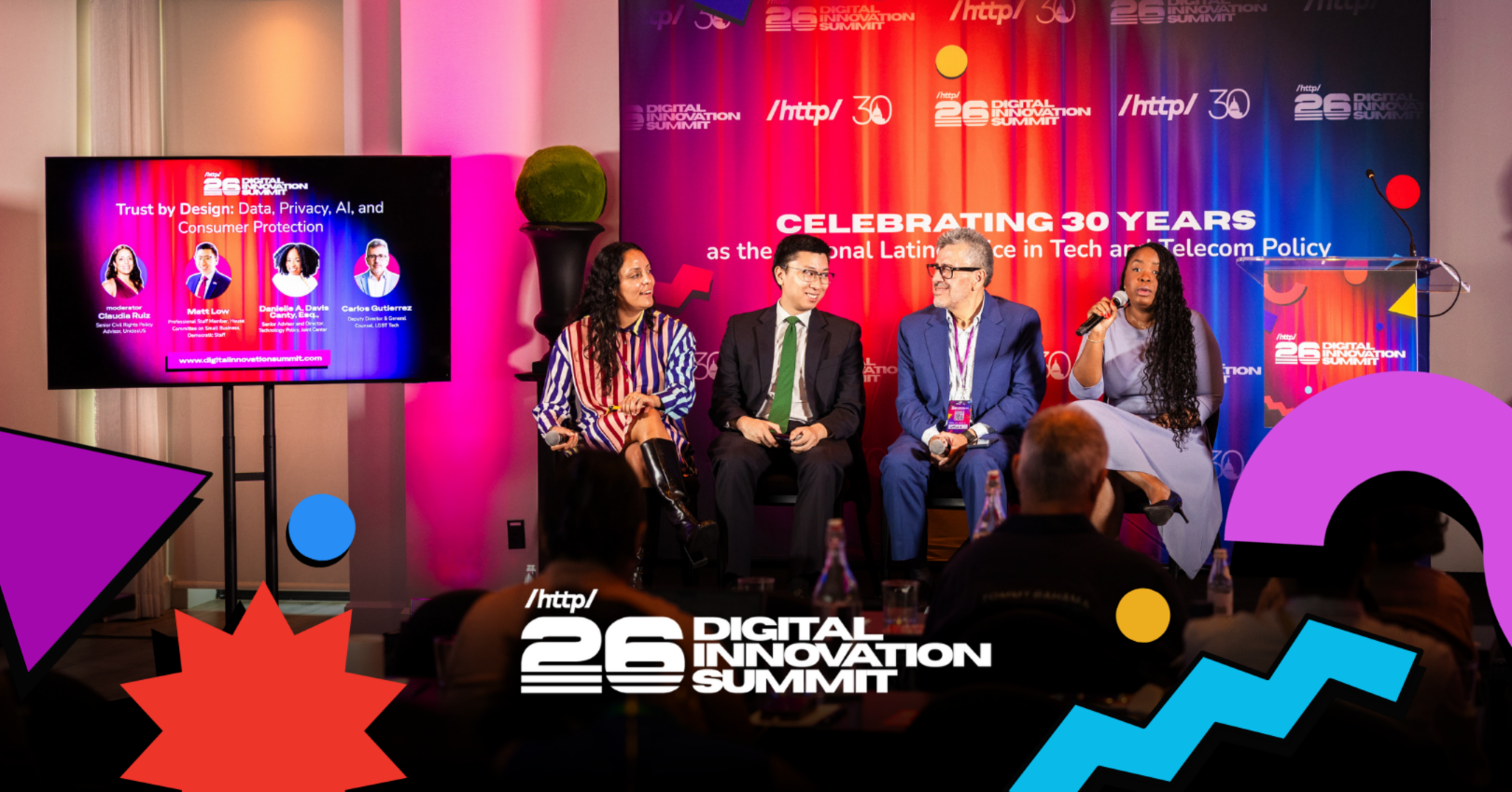
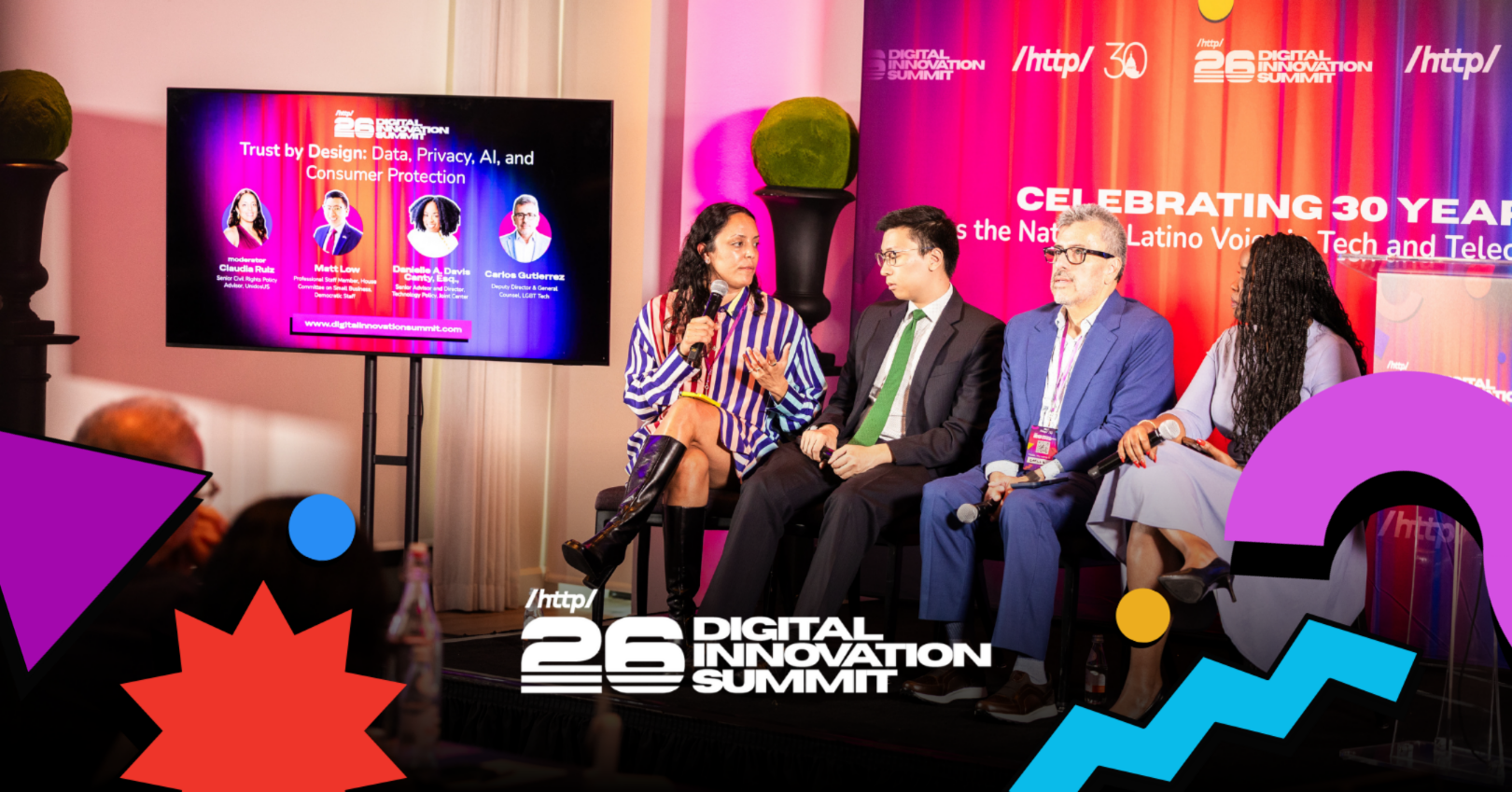
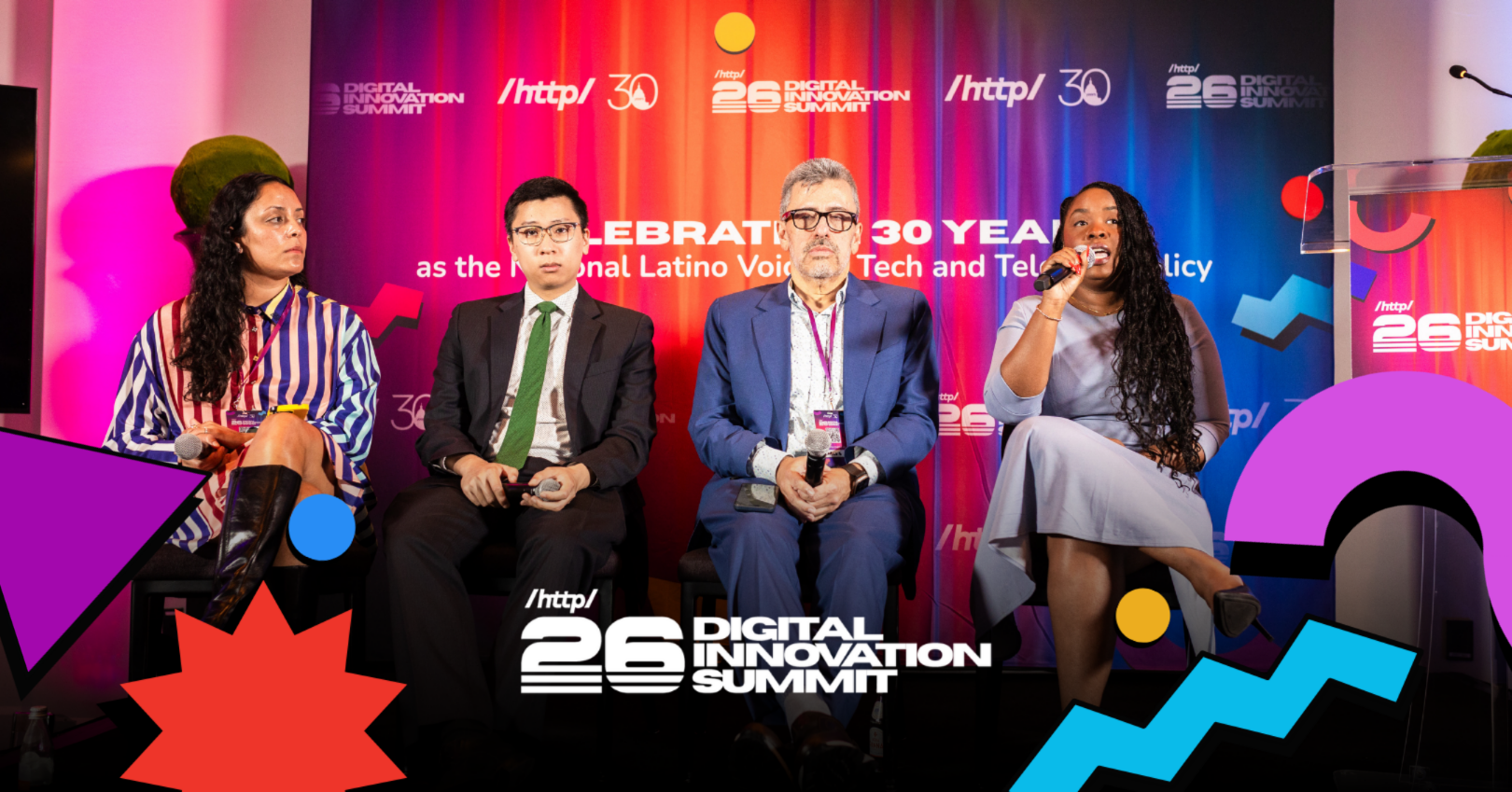
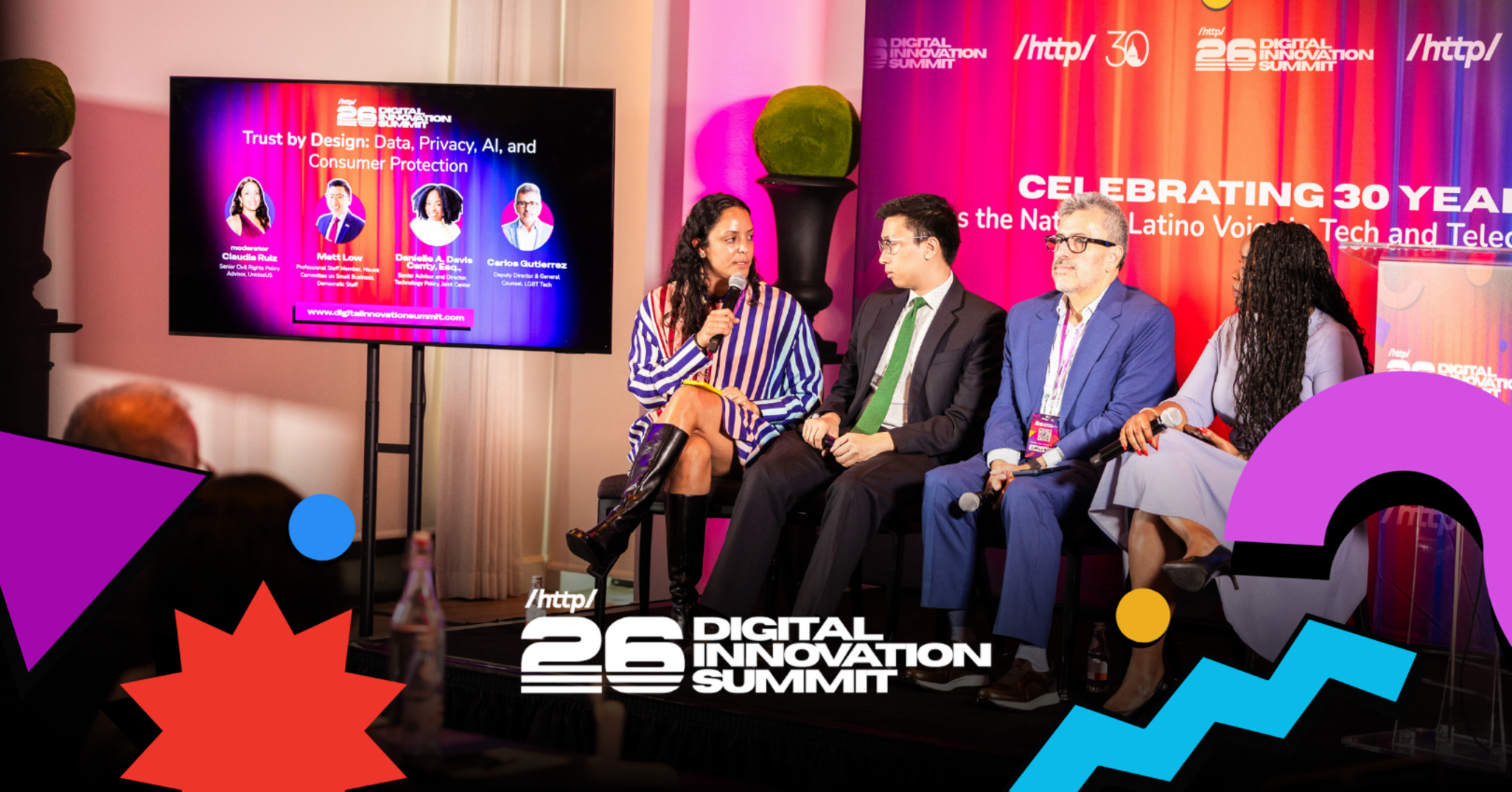
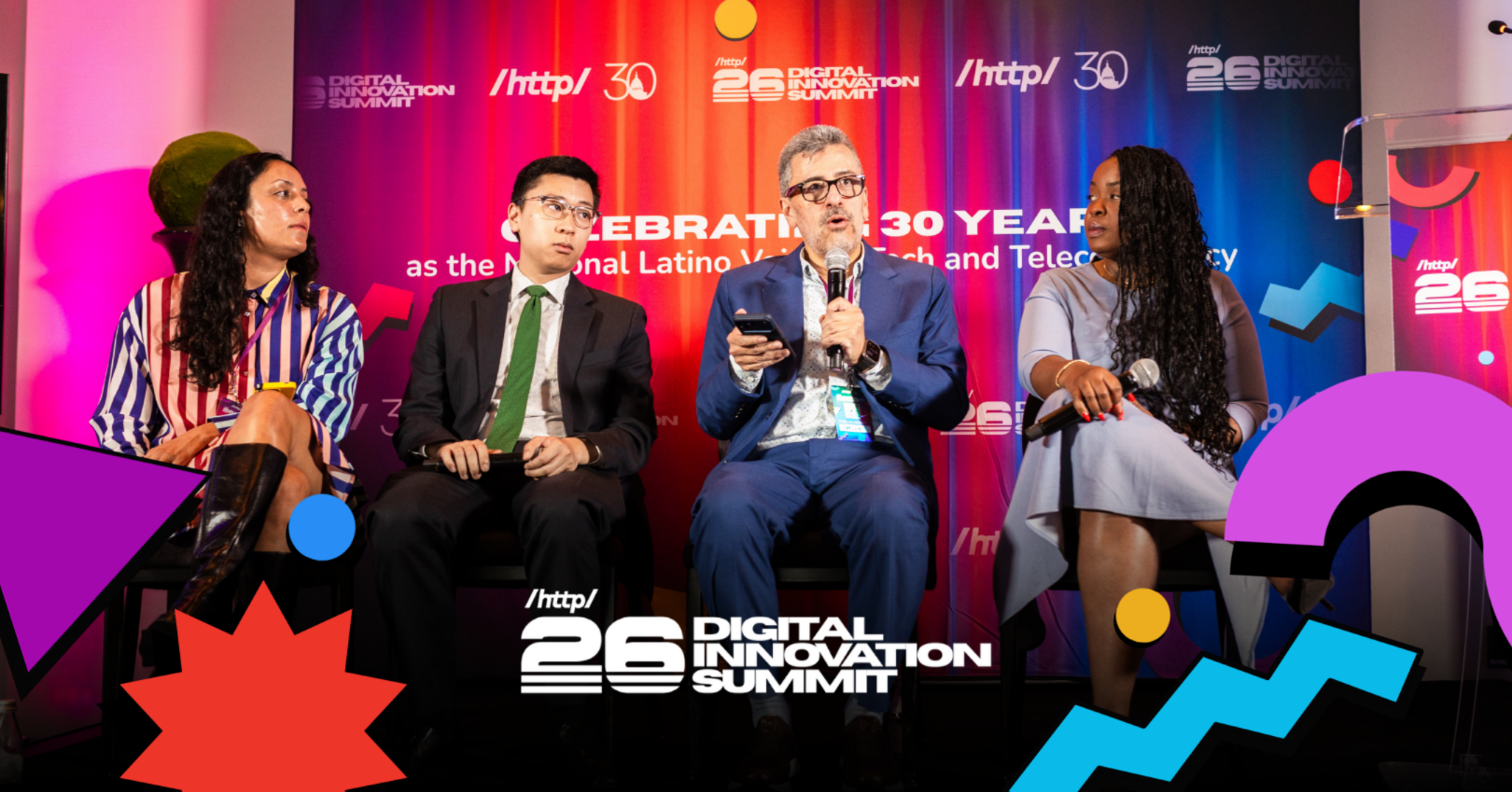
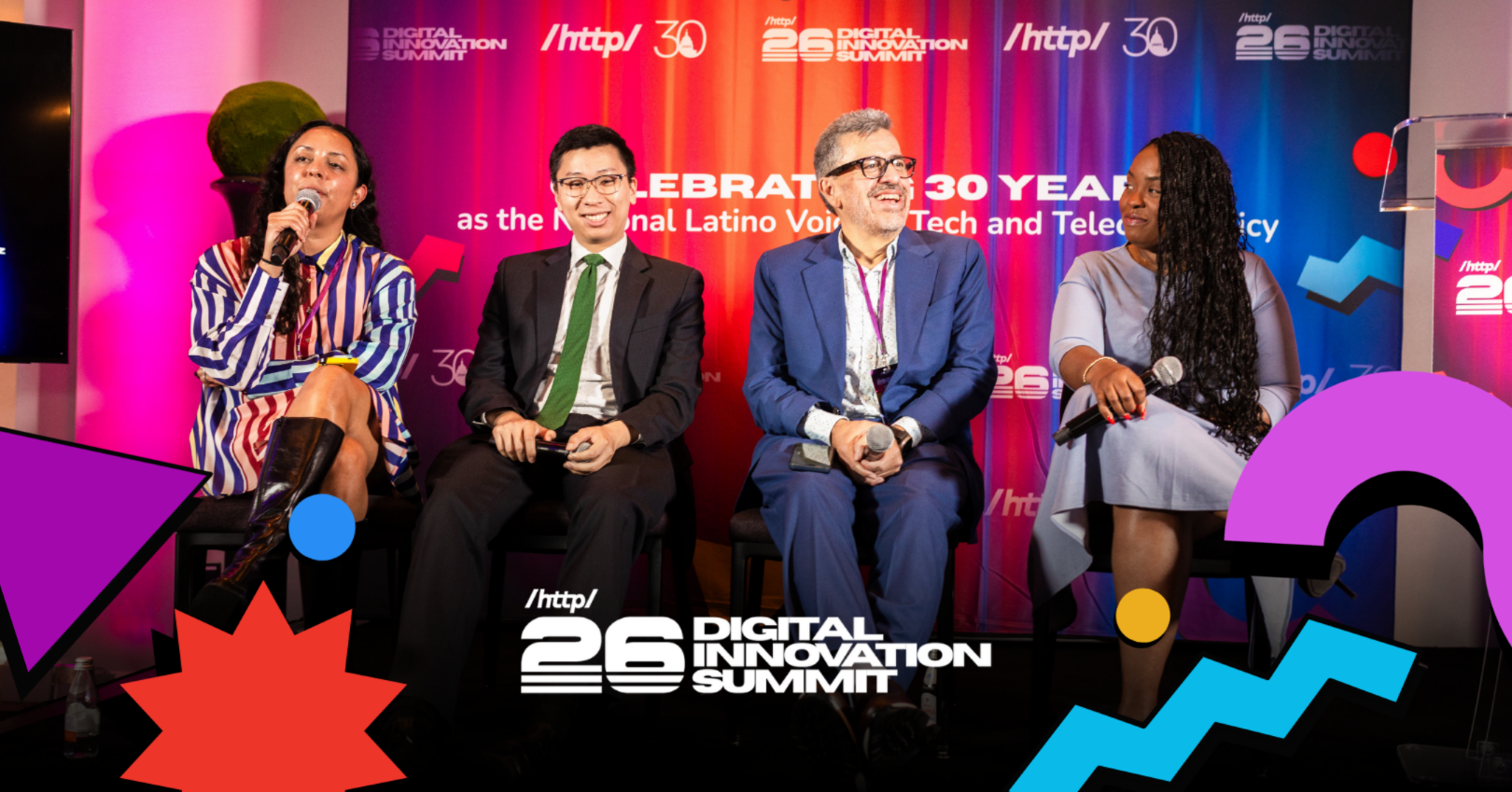
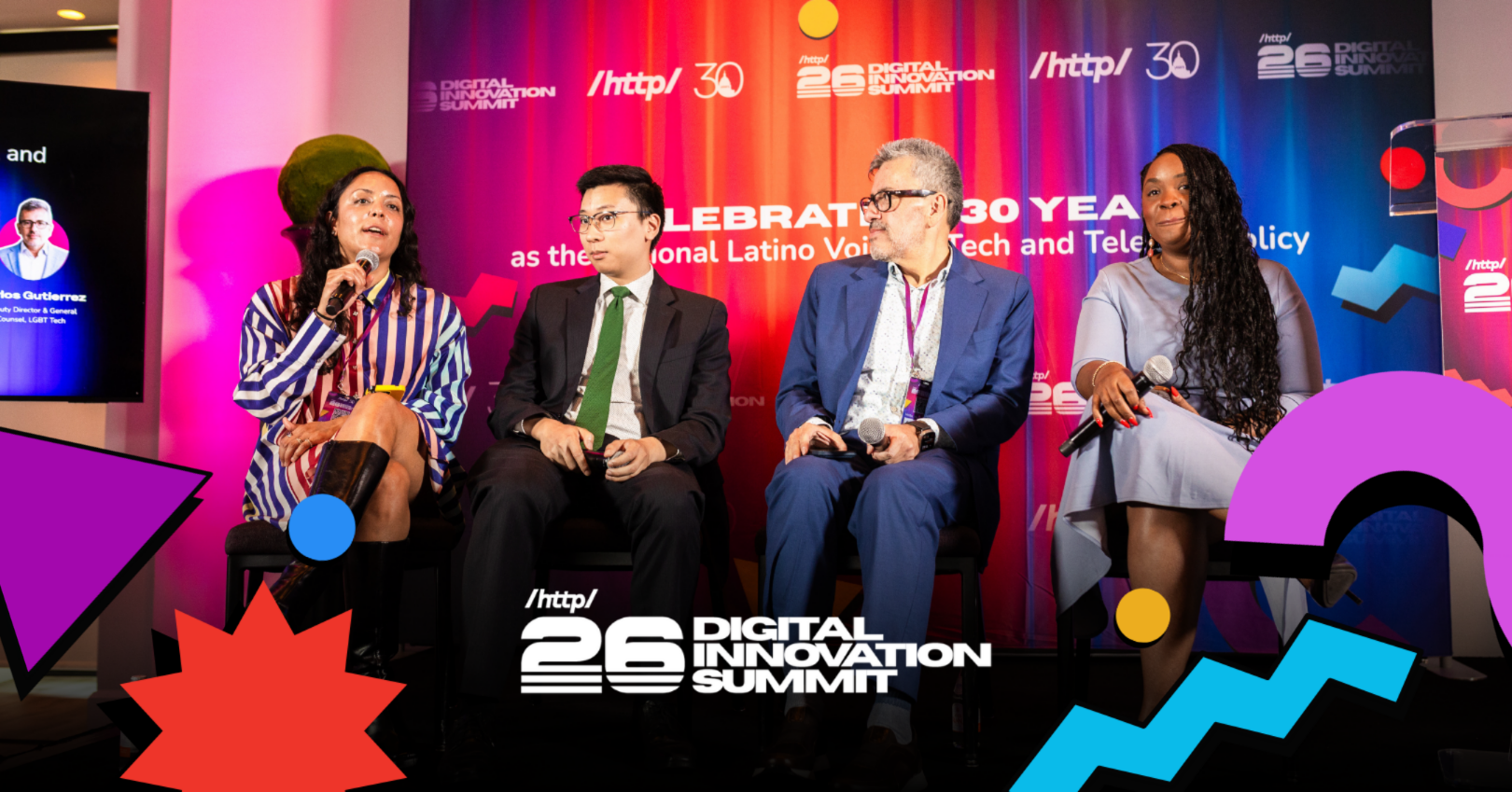
Panel 3 — Trust by Design: Data, Privacy, AI, and Consumer Protection
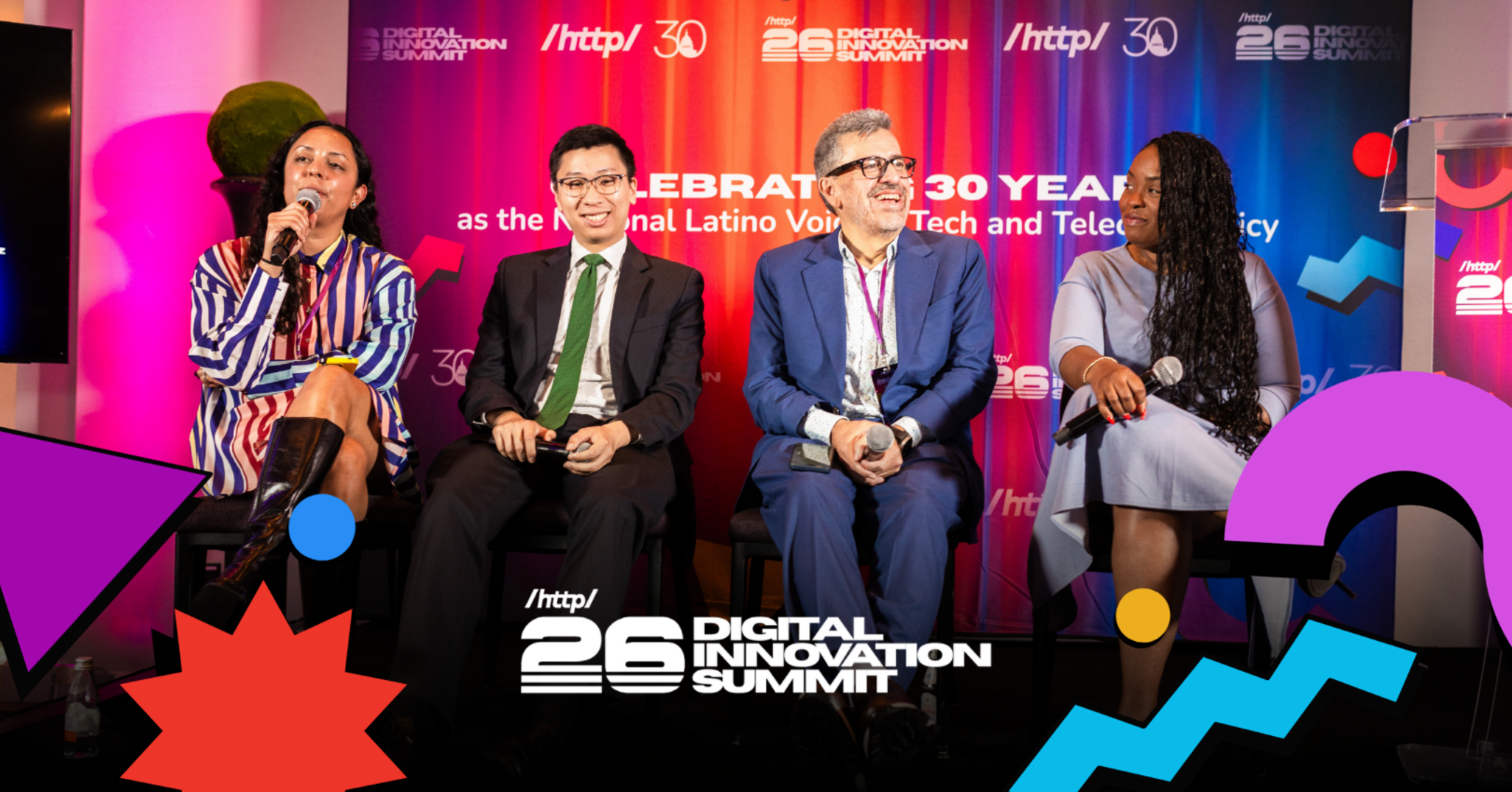
The conversation around AI continued with a panel focused on one of the most important questions surrounding emerging technology: Can innovation move forward while protecting the people it affects?
Representatives from UnidosUS, the U.S. House Committee on Small Business, LGBT Tech, and the Joint Center for Political and Economic Studies examined the intersection of AI, privacy, civil rights, and consumer protection.
The panel highlighted the challenges facing small businesses as they adopt AI tools without always having the AI literacy or guidance necessary to understand how their data is being collected and used. Panelists called for stronger protections around data privacy, including federal standards for data minimization and safeguards against the misuse of sensitive information.
They also examined how AI systems can disproportionately affect historically underserved communities through employment discrimination, biased healthcare algorithms, and surveillance.
At the same time, panelists cautioned against allowing the rapid development of AI to overshadow the persistent digital divide. Without reliable broadband and basic connectivity, millions of people remain unable to participate fully in the digital economy.
The conversation ultimately returned to a fundamental question for policymakers and technology designers: How does this system, technology, or regulation affect marginalized communities?
Overview
The panel underscored that trust cannot be added after a technology is built. Privacy, transparency, civil rights, and access must be considered from the beginning if innovation is going to serve the public responsibly.
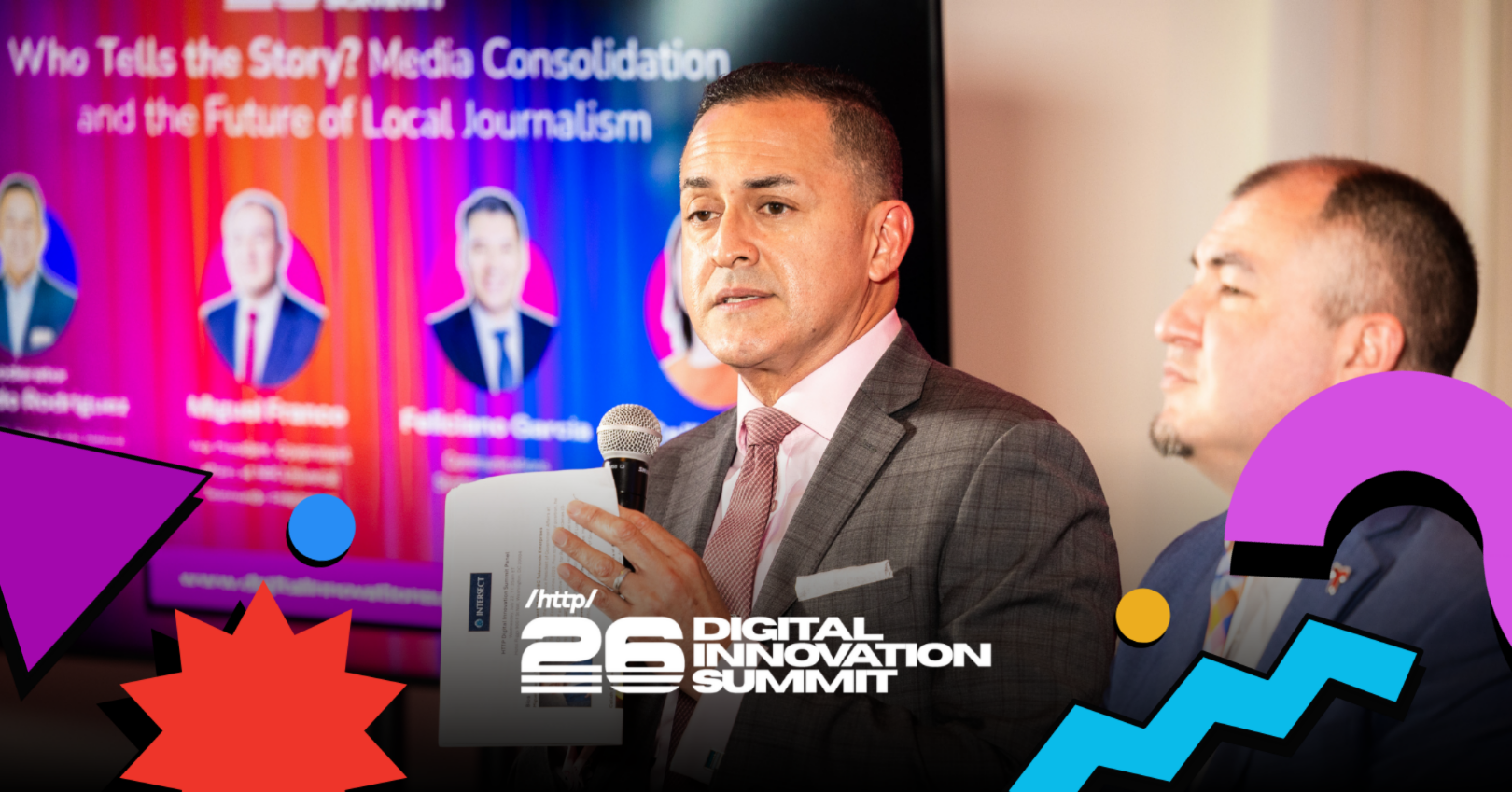
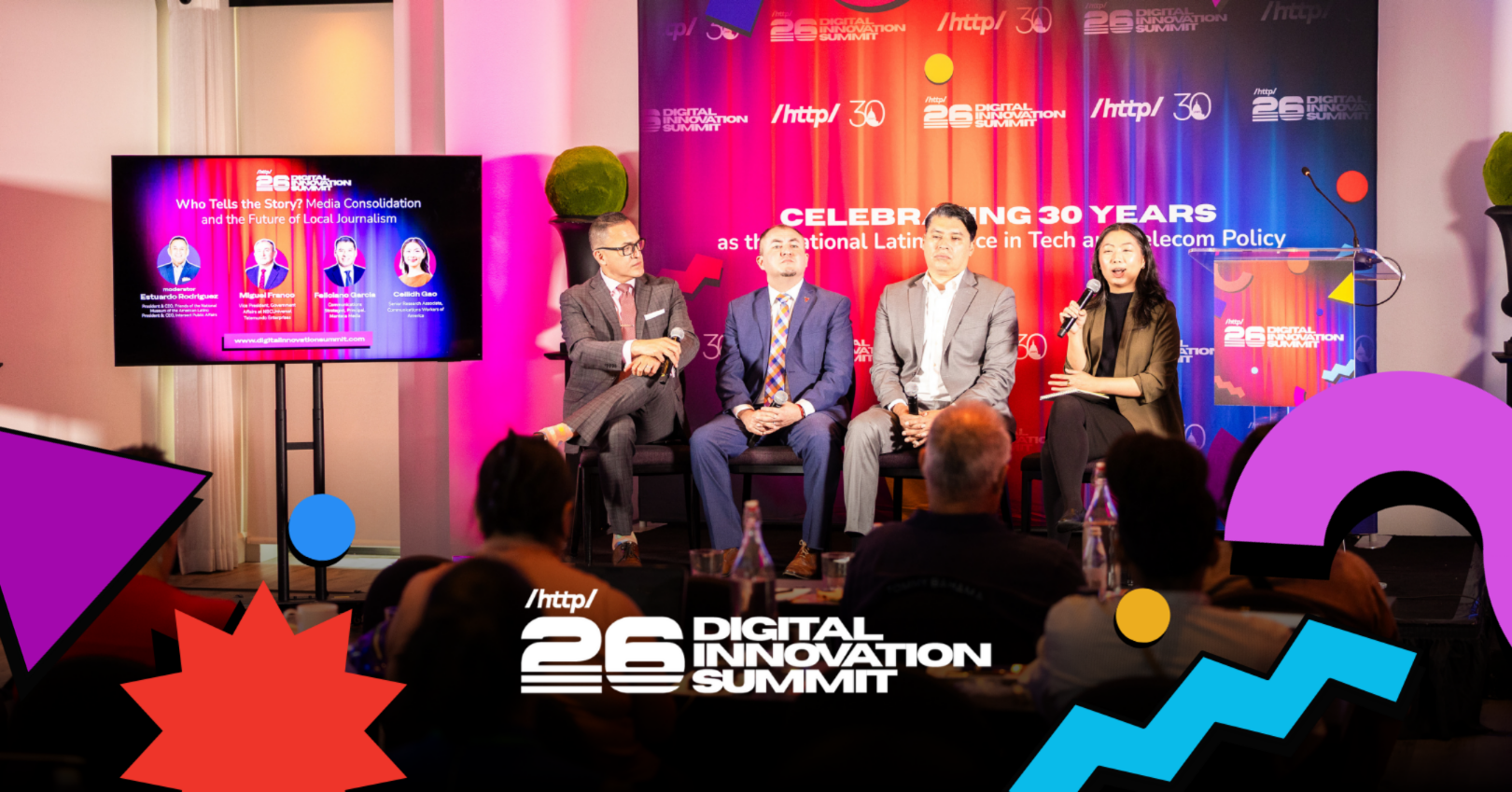
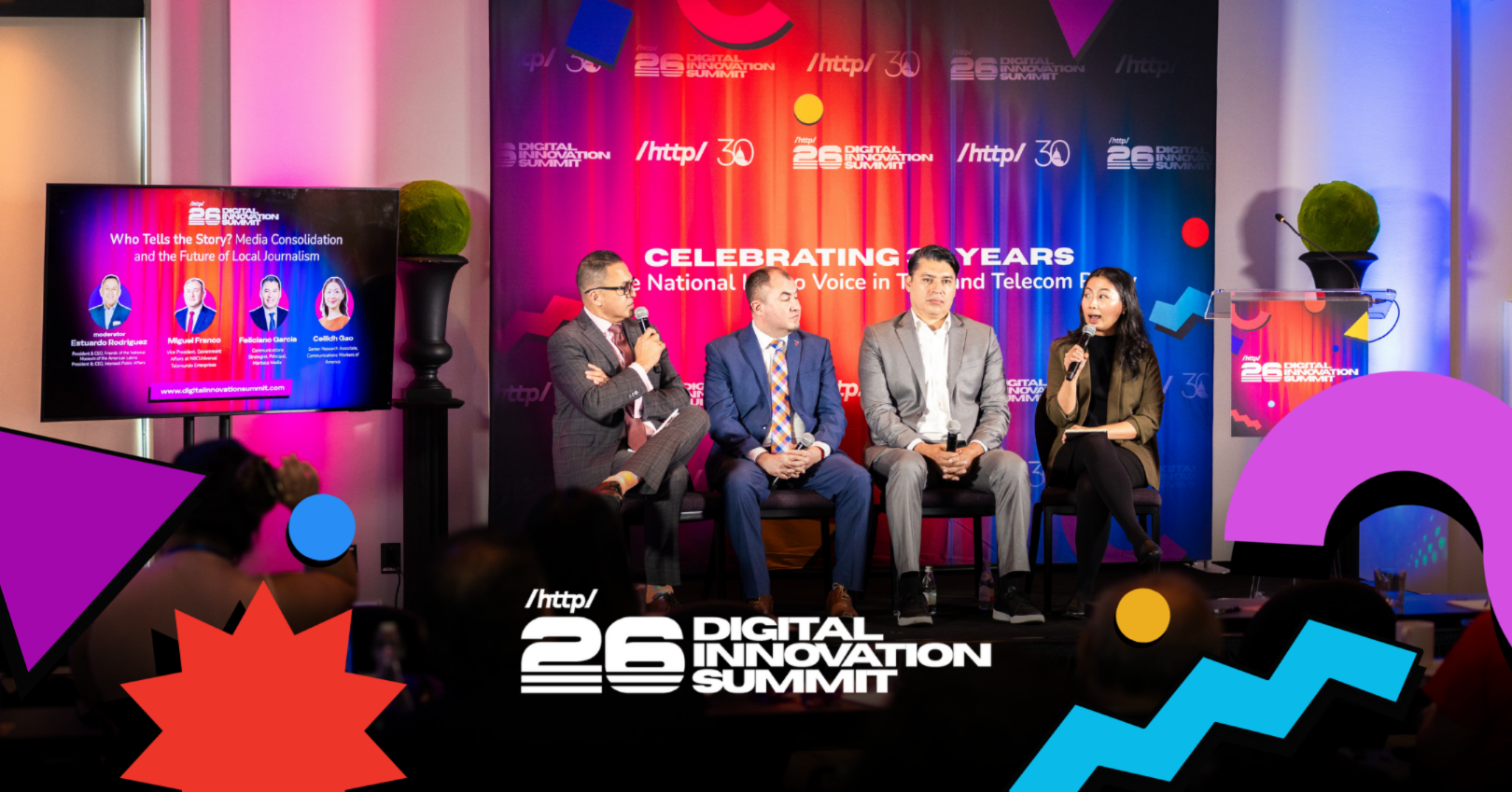
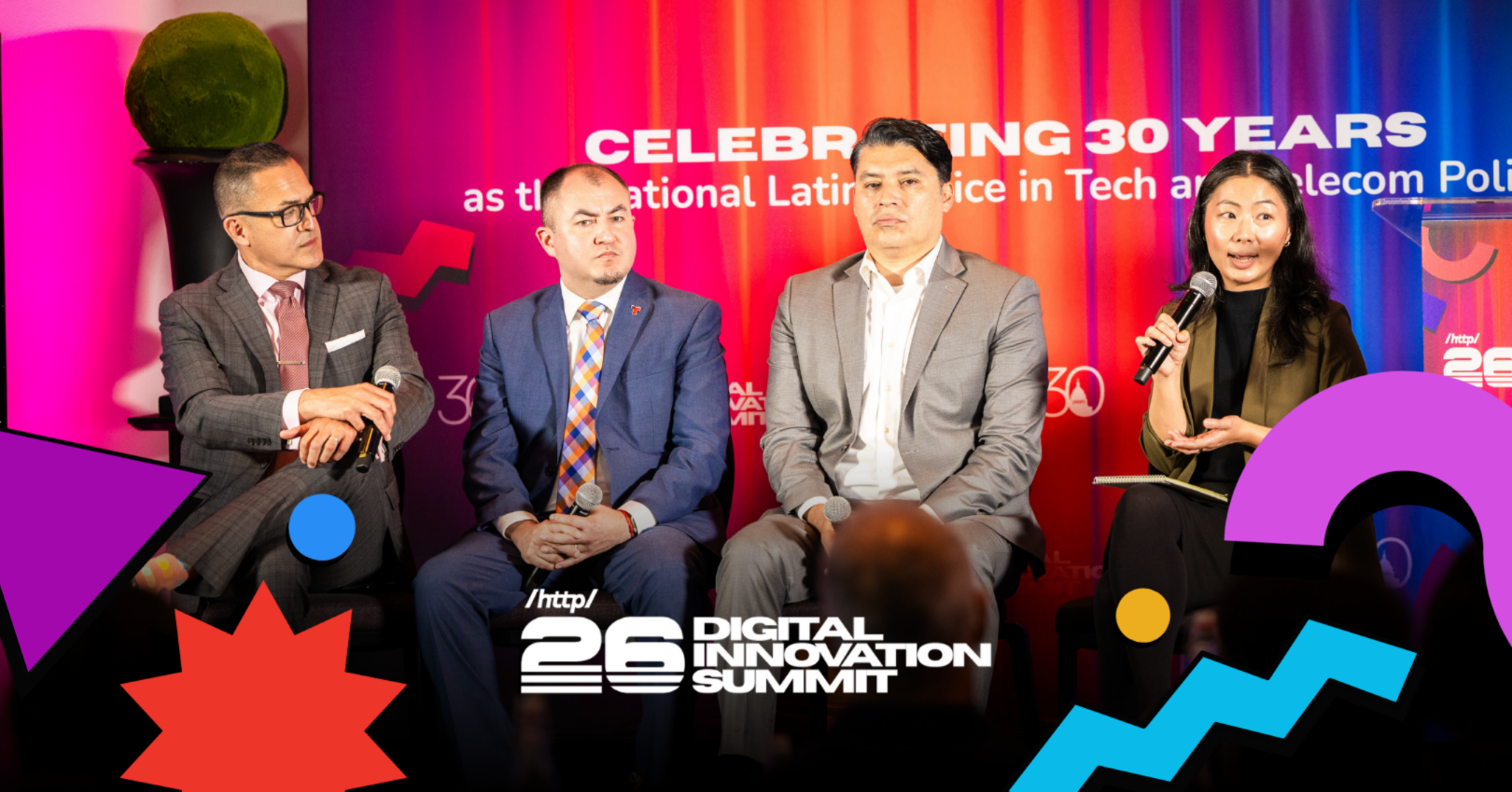
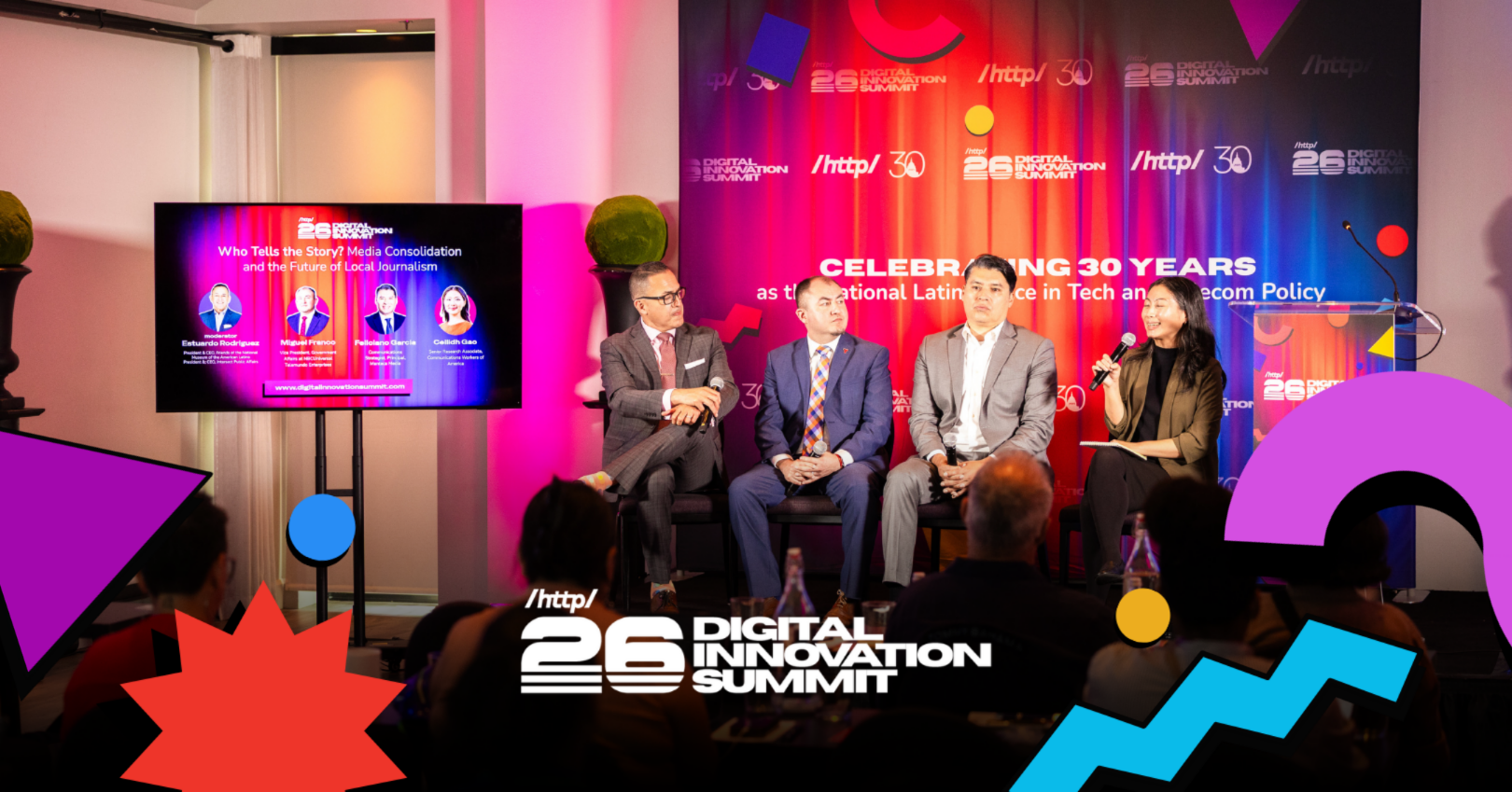
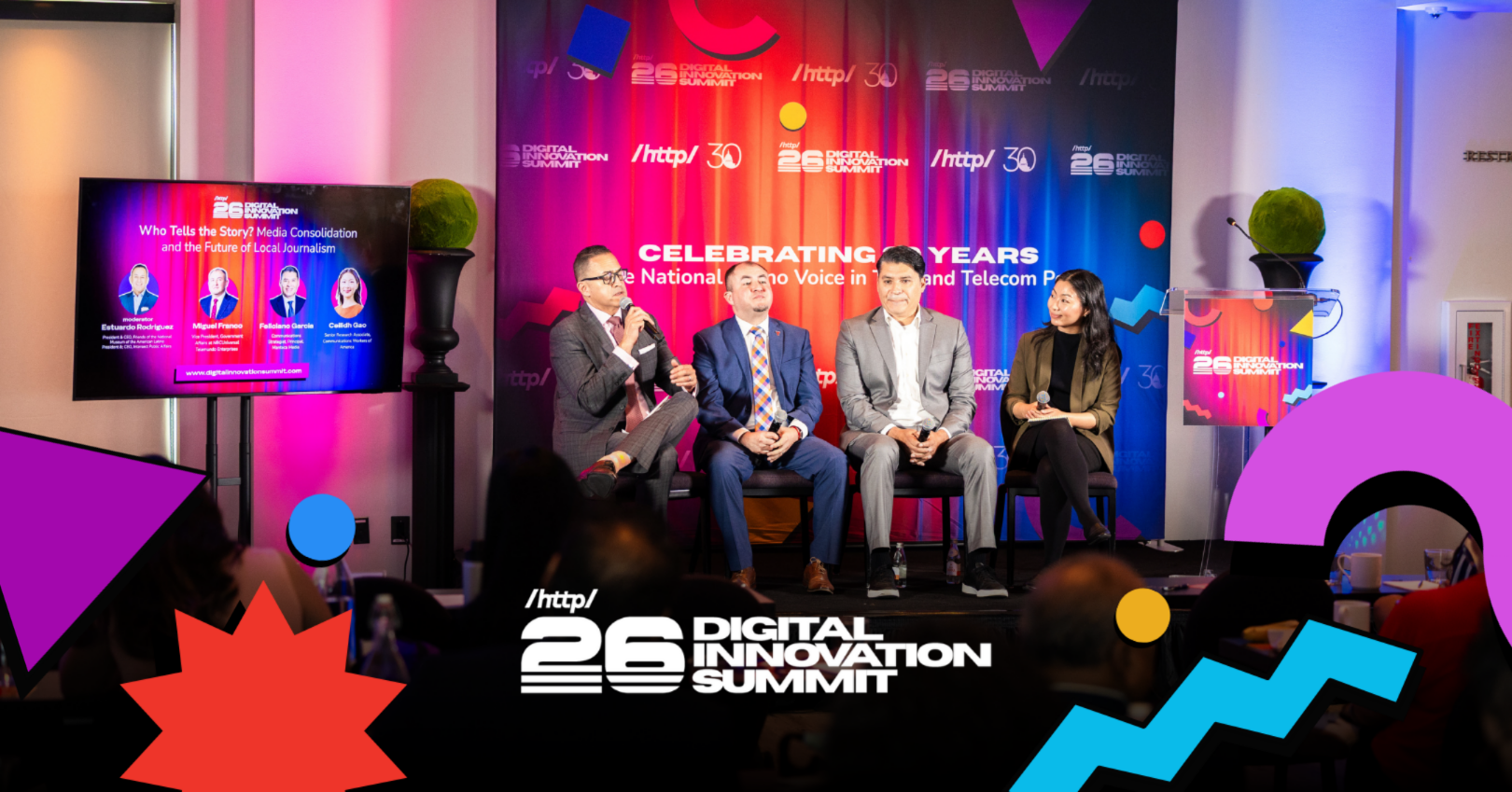
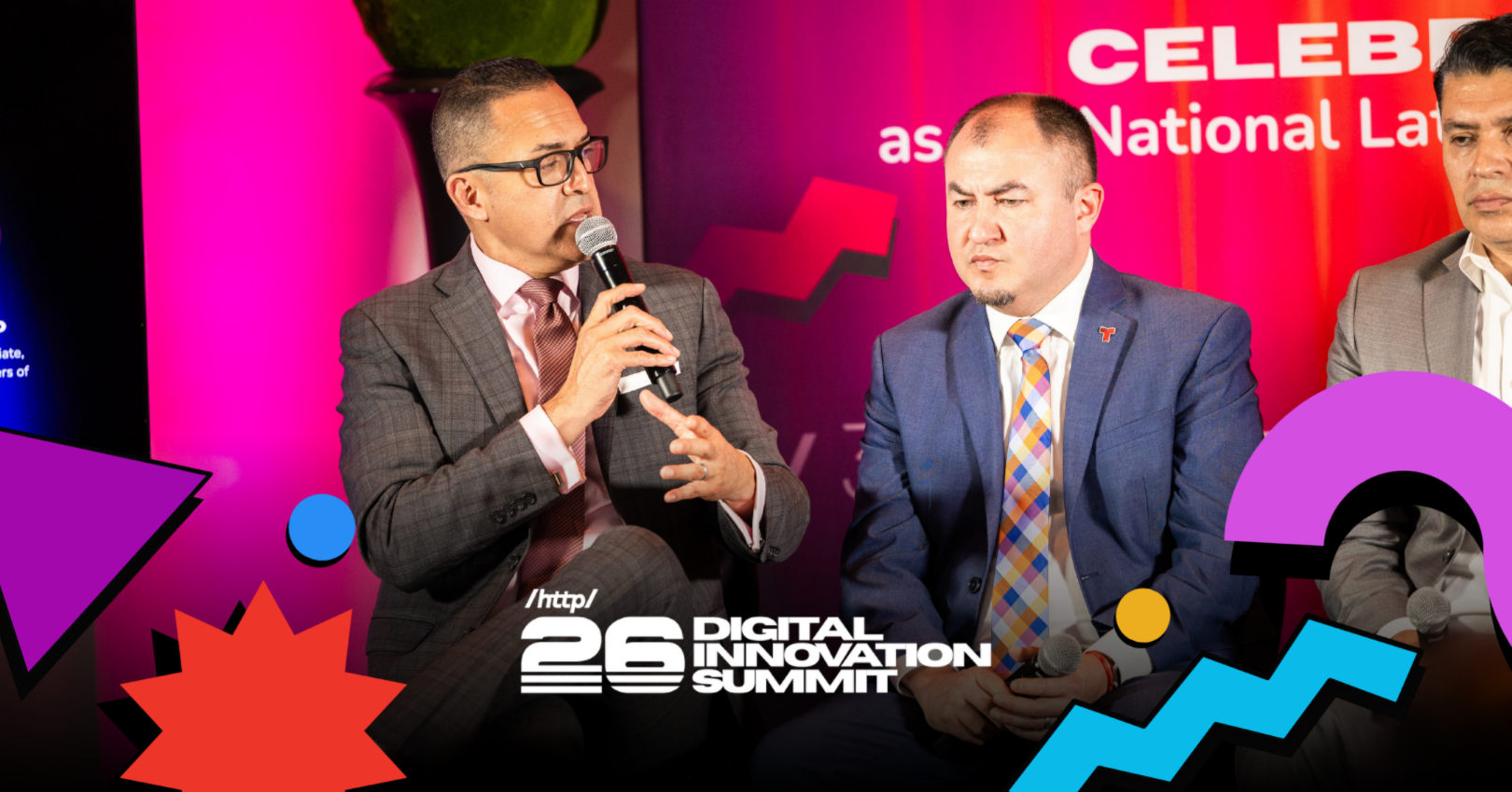
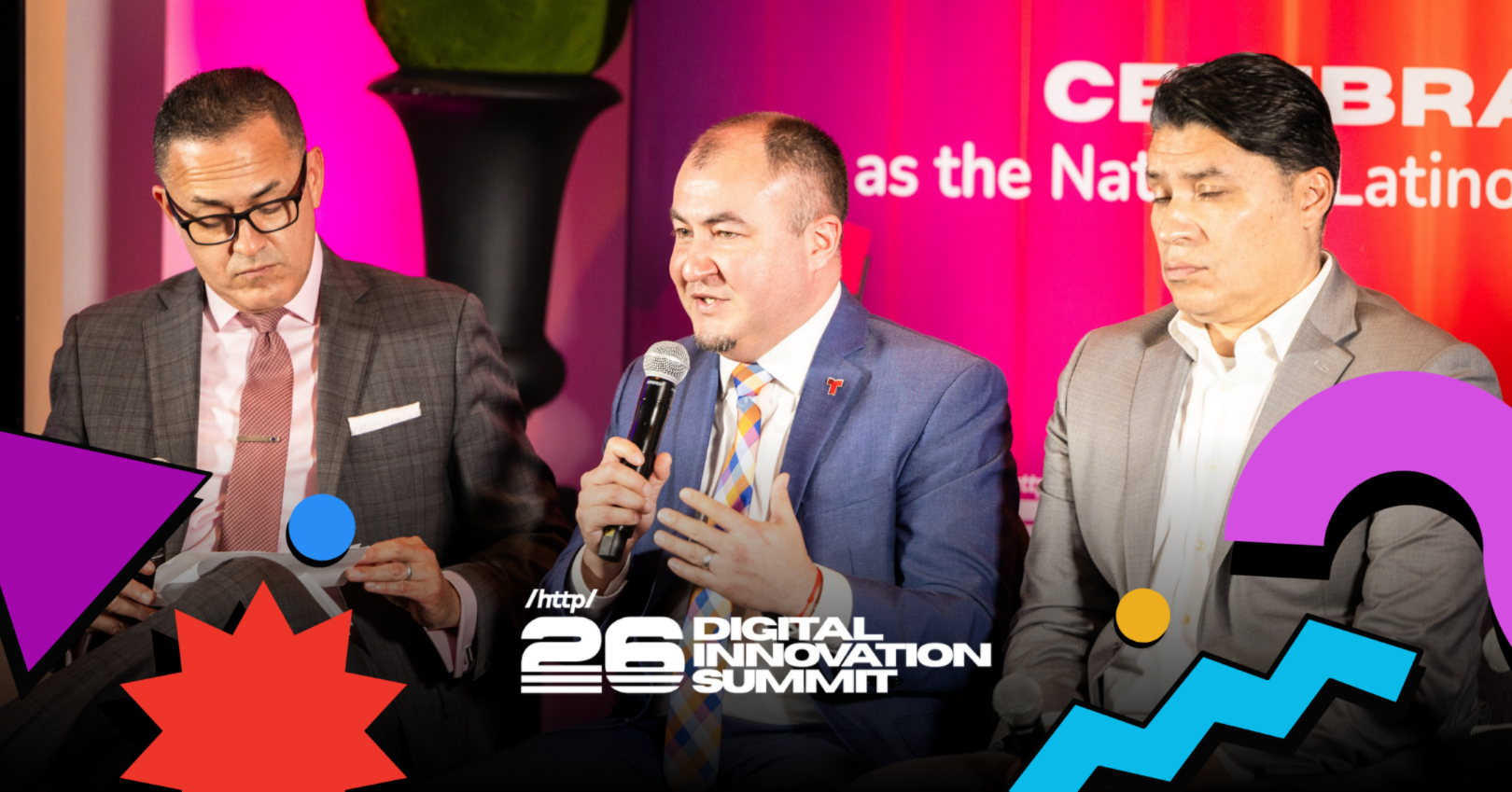
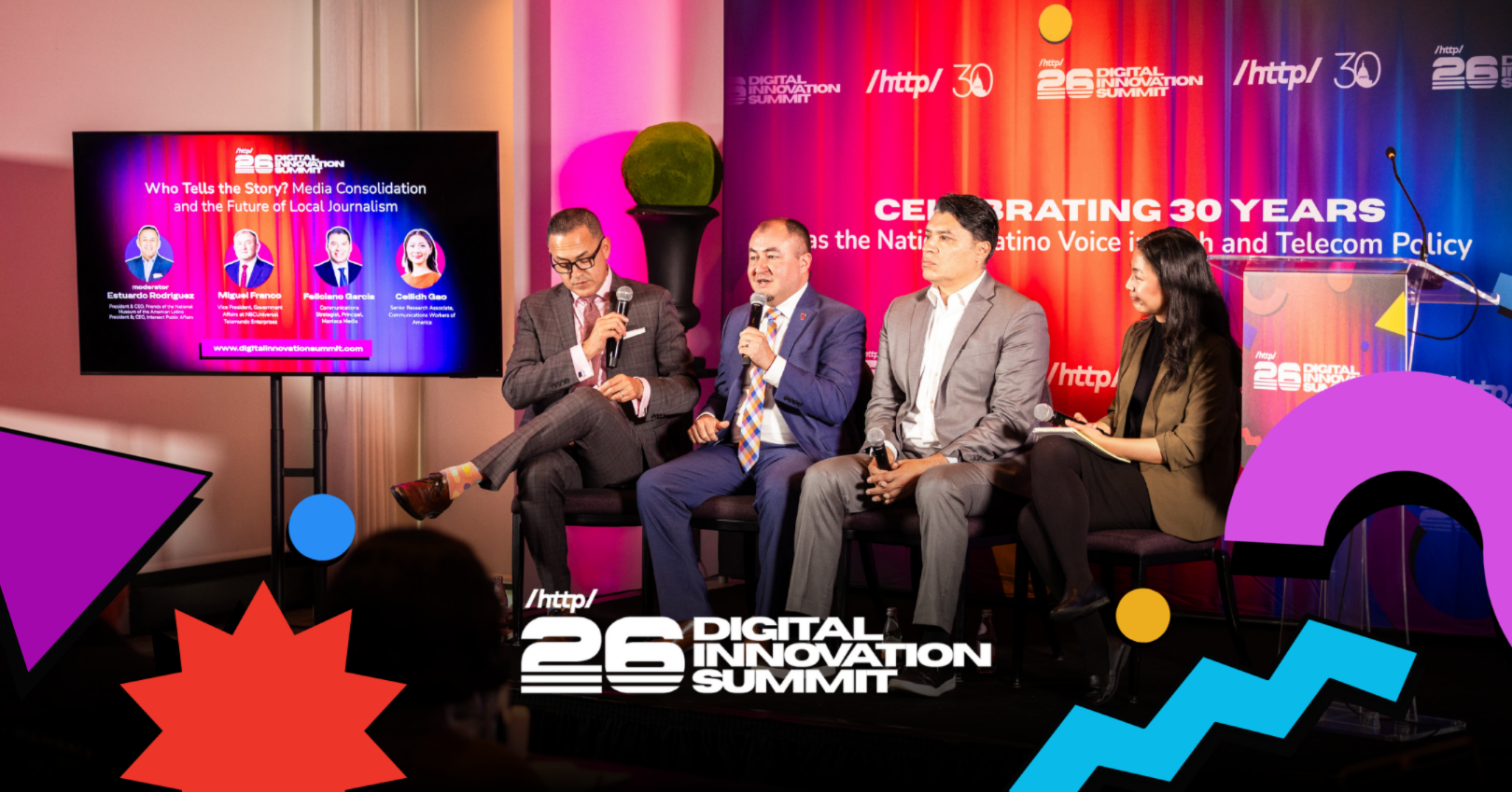
Panel 4 — Who Tells the Story? Media Consolidation and the Future of Local Journalism
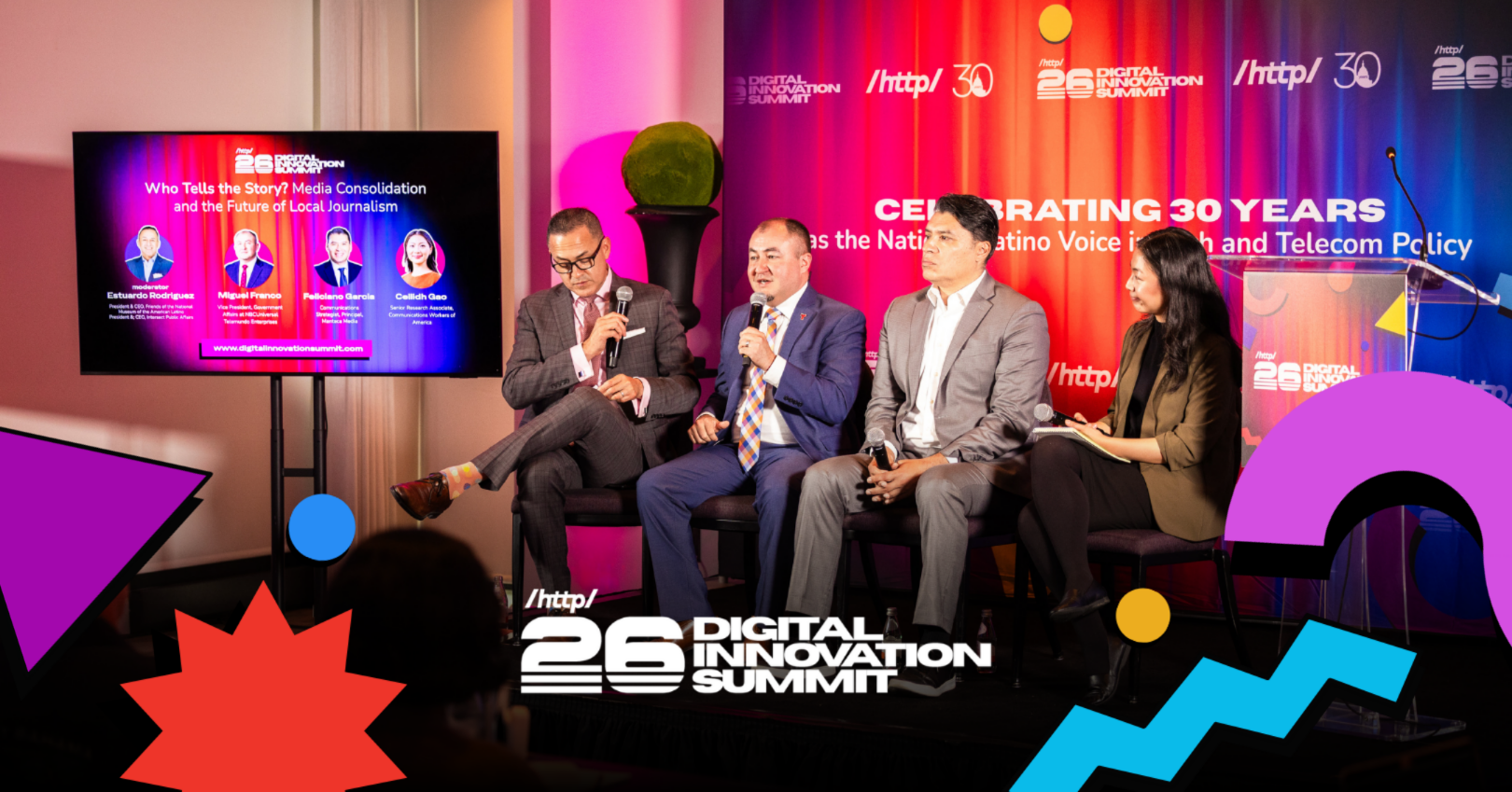
Technology is transforming not only how information is produced, but how communities receive it. This panel examined the future of local journalism and the consequences of increasing media consolidation.
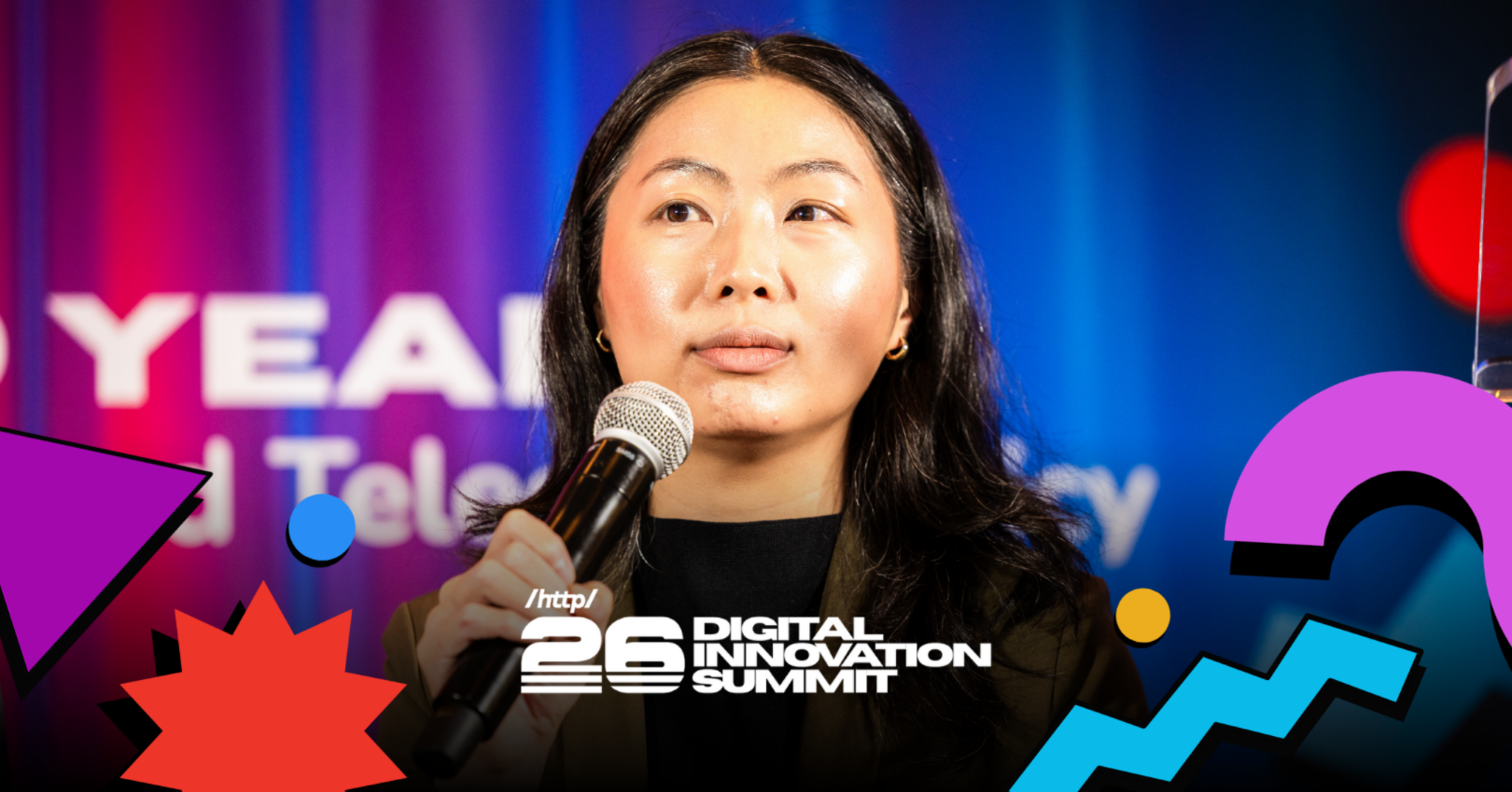
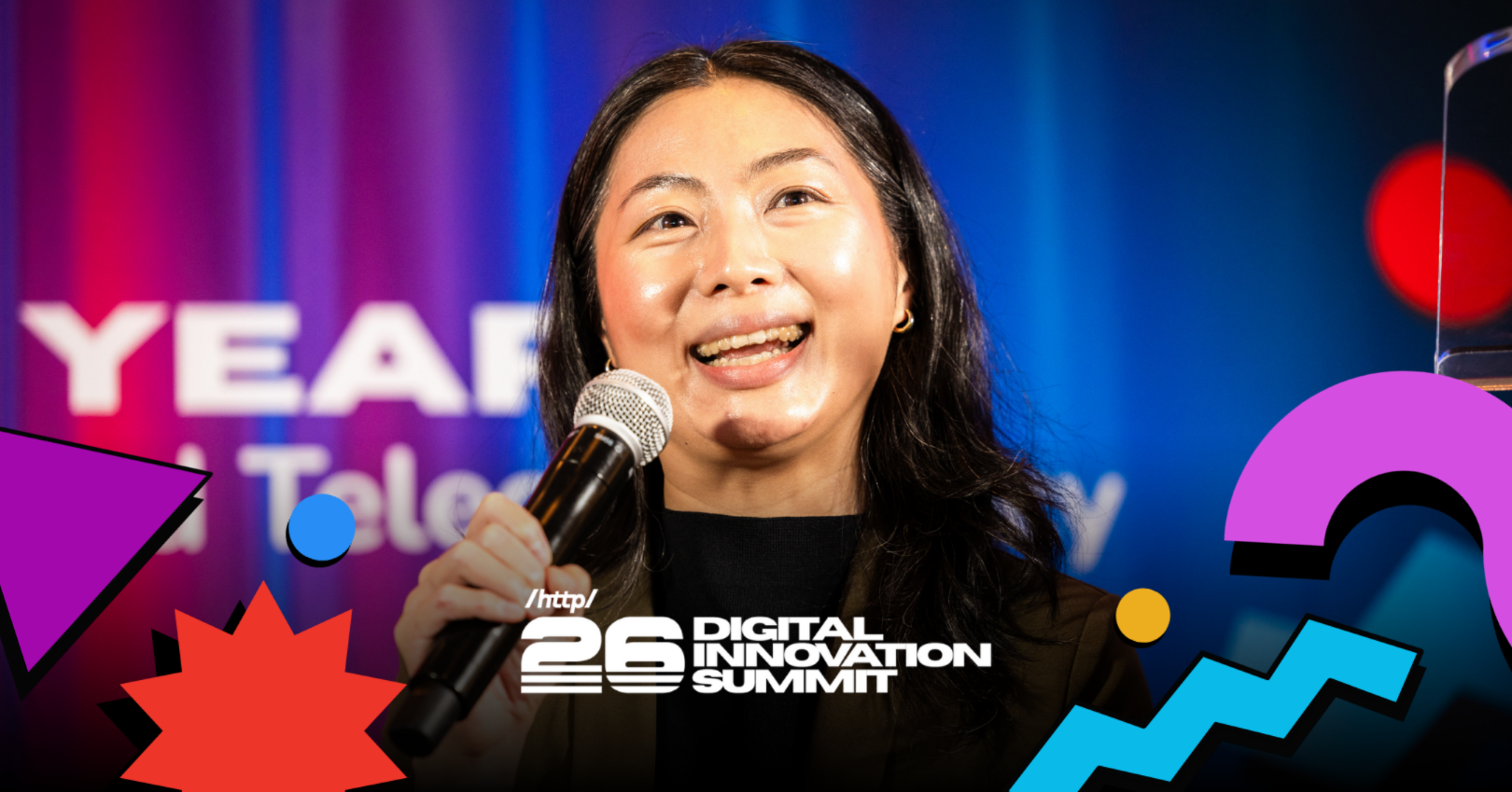
Ceilidh Gao of Communications Workers of America, Feliciano Garcia of Manteca Media, and Miguel Franco of NBCUniversal Telemundo discussed the importance of locally produced journalism in maintaining community trust, supporting democratic participation, and helping people make informed decisions about their everyday lives.
The panelists examined how corporate mergers can reduce newsroom resources, lead to staff reductions, and result in increasingly standardized content across multiple outlets—weakening the local reporting that communities rely on.
The conversation also highlighted the role of Spanish-language media in addressing misinformation. Miguel Franco discussed efforts at Telemundo to provide accurate, non-partisan information through dedicated programming and digital platforms, particularly for communities navigating an increasingly complex information environment.
Panelists also raised concerns about potential changes to FCC media ownership rules and the broader implications of further consolidation.
Overview
The discussion emphasized that media ownership has a direct impact on the diversity and quality of information communities receive. Preserving strong local journalism means protecting not only independent reporting, but also the range of voices and perspectives that help communities stay informed and engaged.
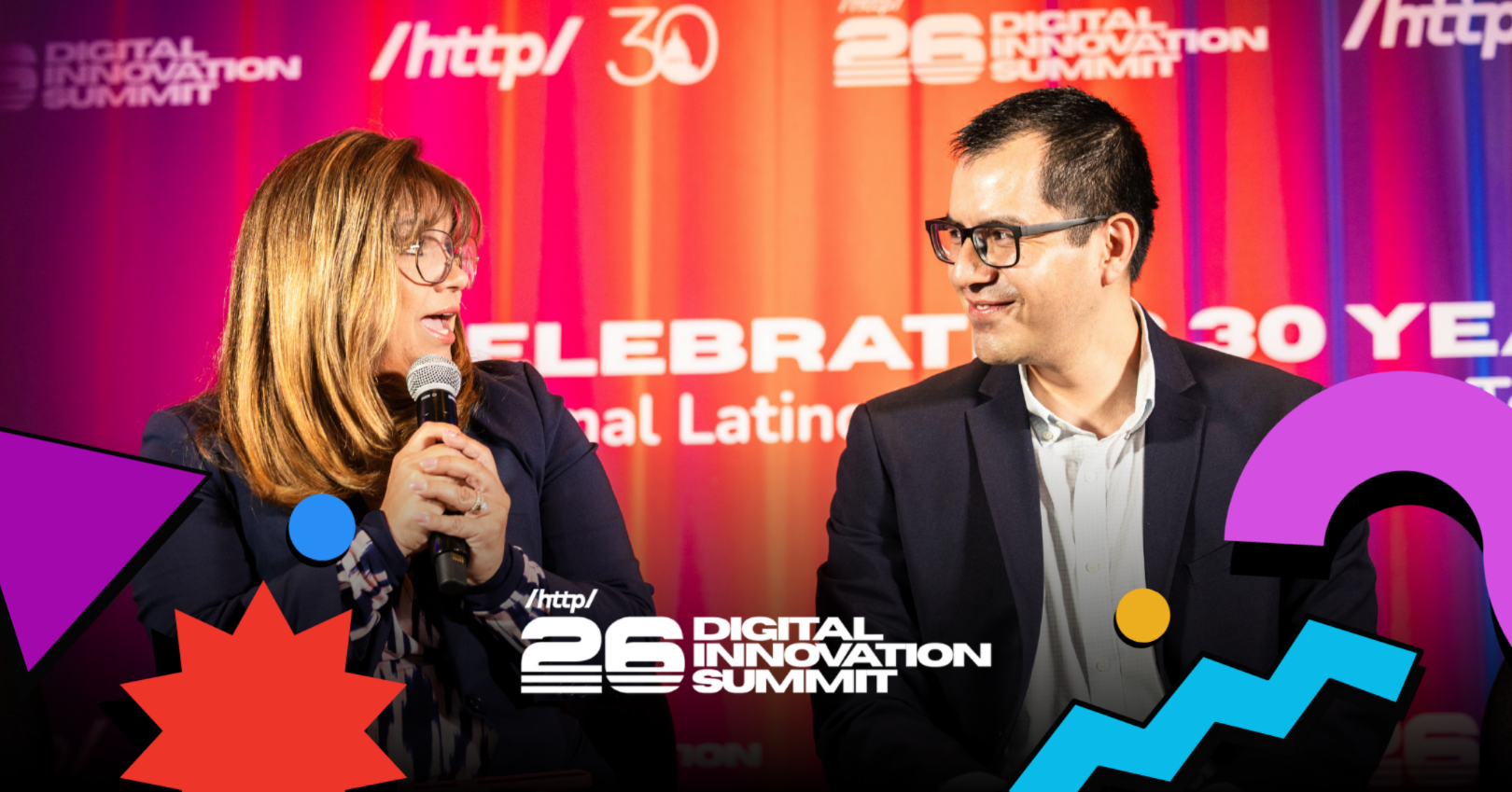
Fireside Chat — Democracy, Technology, and Poder: AI and the Future of Elections
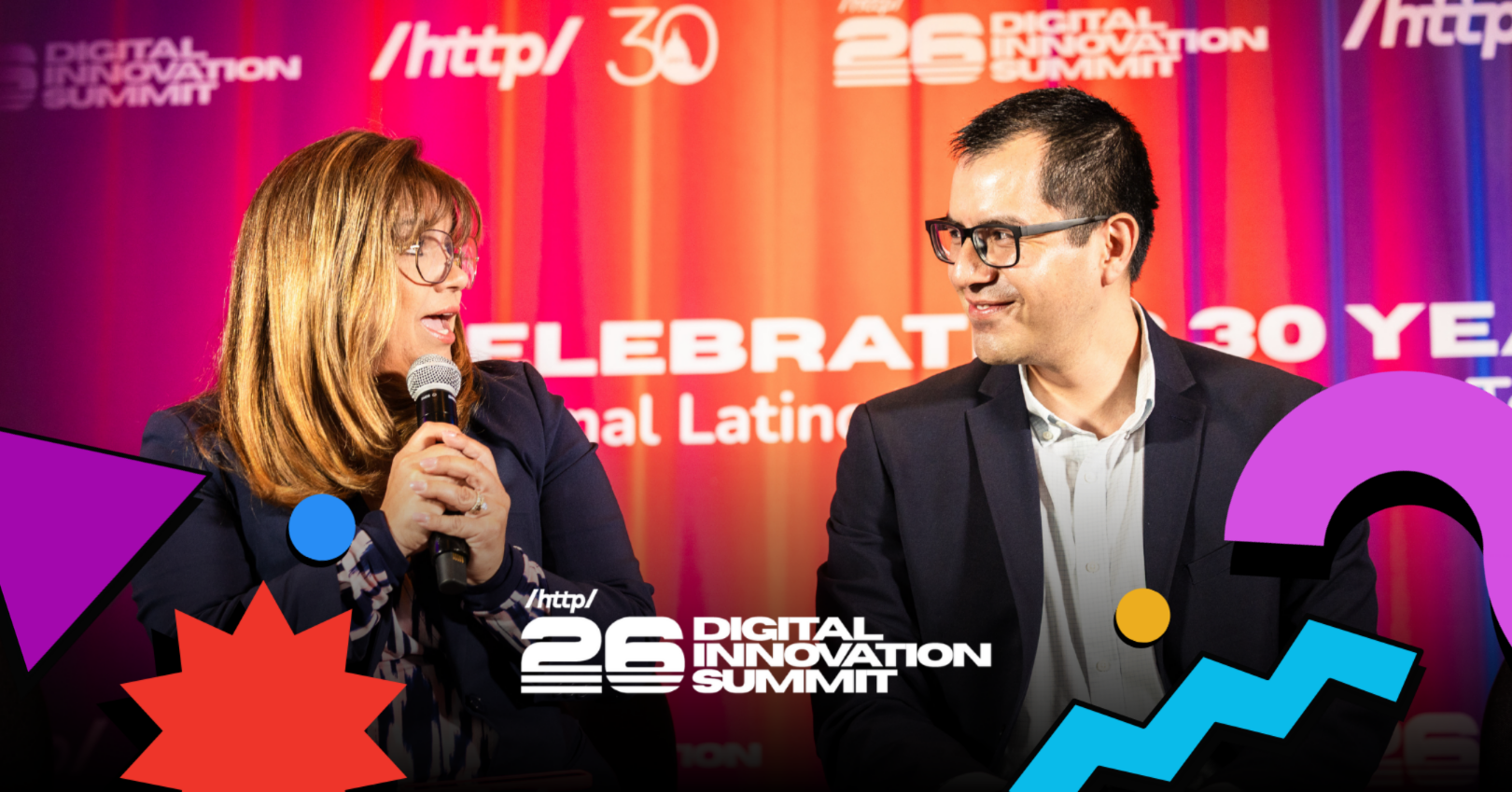
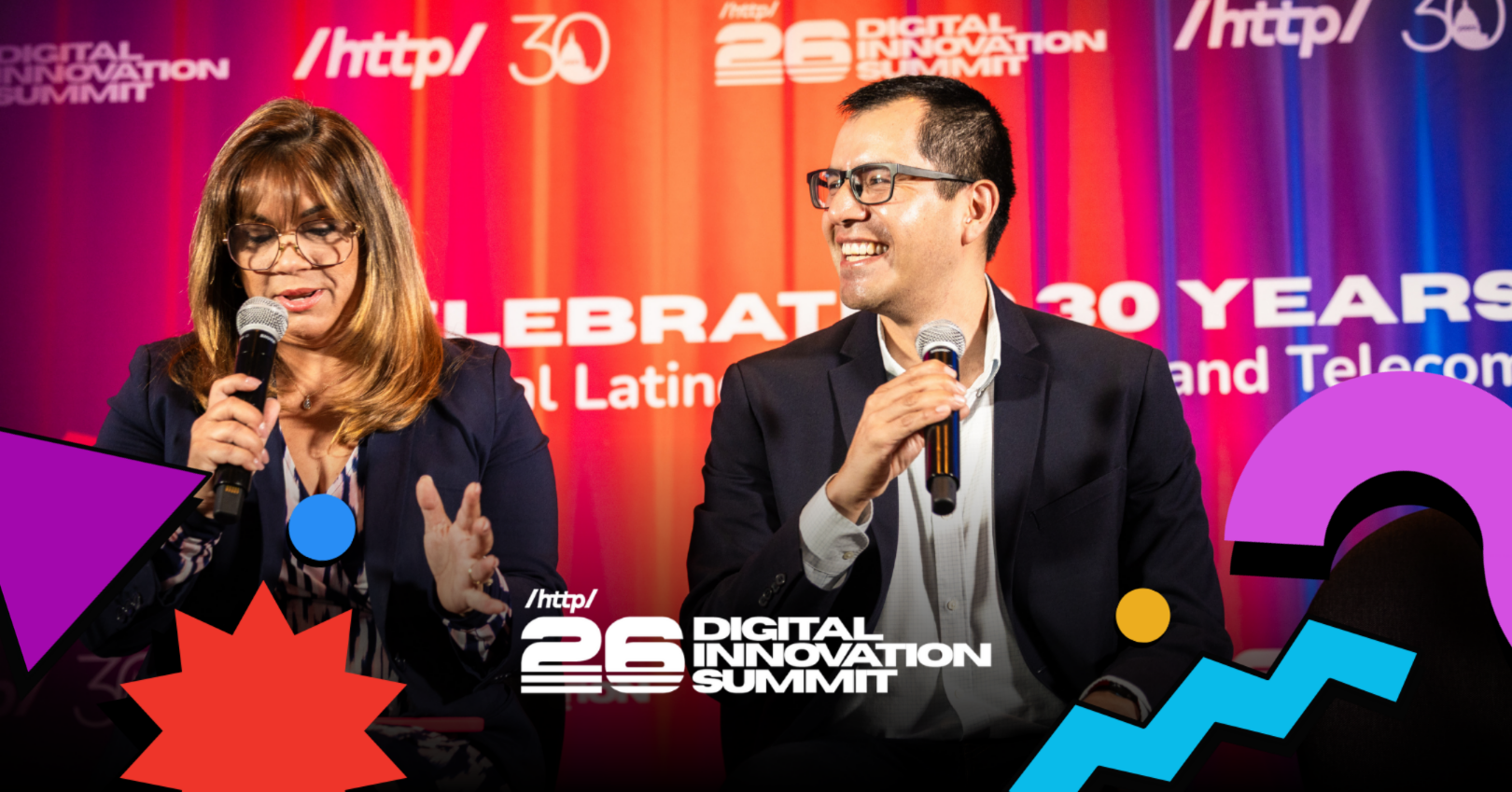
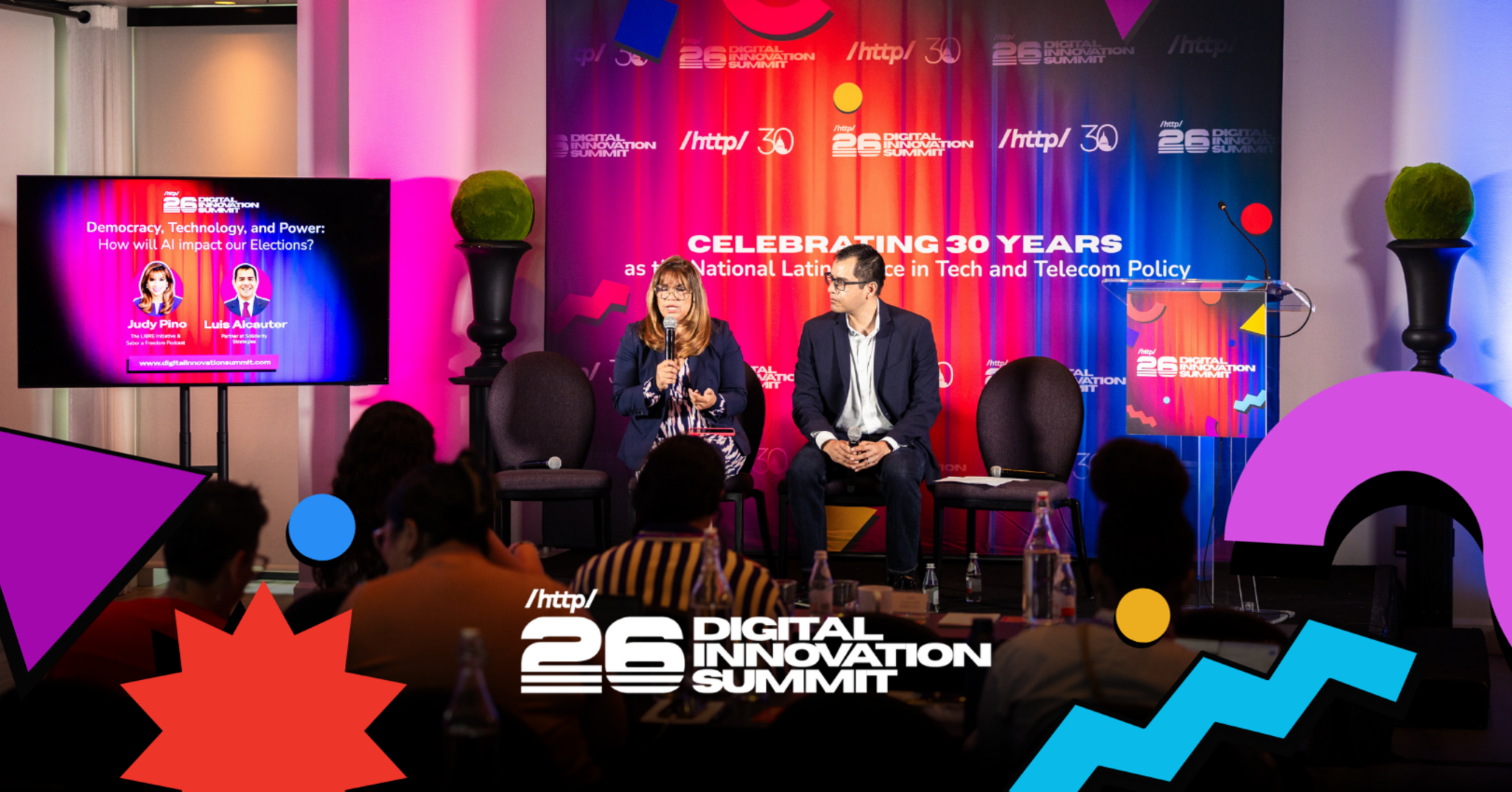
The Summit closed its substantive programming with a conversation about AI, elections, voter engagement, and trust. Judy Pino of The LIBRE Initiative and Luis Alcauter of Solidarity Strategies examined how campaigns and voters are navigating a rapidly changing political and technological landscape.
The speakers emphasized that one of AI’s biggest challenges in elections may not be the technology itself, but the ability to maintain public trust in institutions and the information voters receive.
The conversation also addressed economic anxiety within Latino communities, particularly concerns around automation, job security, and what AI-driven changes could mean for the next generation of workers.
At the campaign level, the speakers discussed how AI could give smaller, resource-constrained campaigns new tools for fundraising, communications, and other essential operations. They stressed, however, that these tools must be used responsibly and transparently.
Despite the growing role of technology, both speakers emphasized the continued importance of authentic, in-person relationships. For Latino communities in particular, human connection remains a critical part of effective engagement.
The discussion closed with a call for greater digital literacy, encouraging voters to verify information and hold policymakers accountable for developing consistent protections around AI and privacy.
Overview
The conversation brought the Summit’s broader themes into the democratic sphere: innovation creates new possibilities, but trust, transparency, accountability, and human connection remain essential to ensuring that technology strengthens rather than undermines civic participation.
Looking Ahead
Across the conversations at DIS26, one idea continued to surface from different angles: technology does not exist apart from the people and communities it affects.
Whether discussing AI infrastructure, workforce development, wireless connectivity, privacy, journalism, or elections, speakers returned to questions of access, participation, trust, and opportunity.
As /http/ enters its fourth decade of work, the conversations at the 2026 Digital Innovation Summit reinforced the importance of ensuring that Latino communities and other historically underserved communities are not left on the sidelines of technological change. They must have the resources, representation, and opportunity to help shape what comes next.
The future of digital innovation will be defined not only by how quickly technology advances, but by how intentionally we build the systems, policies, and partnerships around it.
Acknowledgment
The 2026 Digital Innovation Summit would not have been possible without the speakers, moderators, partners, sponsors, organizers, and attendees who contributed their time, expertise, and energy to the conversation.
To our speakers and moderators, thank you for sharing your knowledge, experiences, and perspectives and for helping create thoughtful conversations around some of the most important technology and policy questions facing our communities.
We are grateful to our partners and sponsors for their continued support of /http/ and its mission to advance digital opportunity and strengthen Latino participation in technology and telecommunications.
And to everyone who attended, participated, and helped carry these conversations forward: thank you. Your engagement is what makes the Digital Innovation Summit meaningful, and your ideas help shape the work ahead.
We look forward to continuing the conversation and building on the momentum of DIS26 in the year ahead.





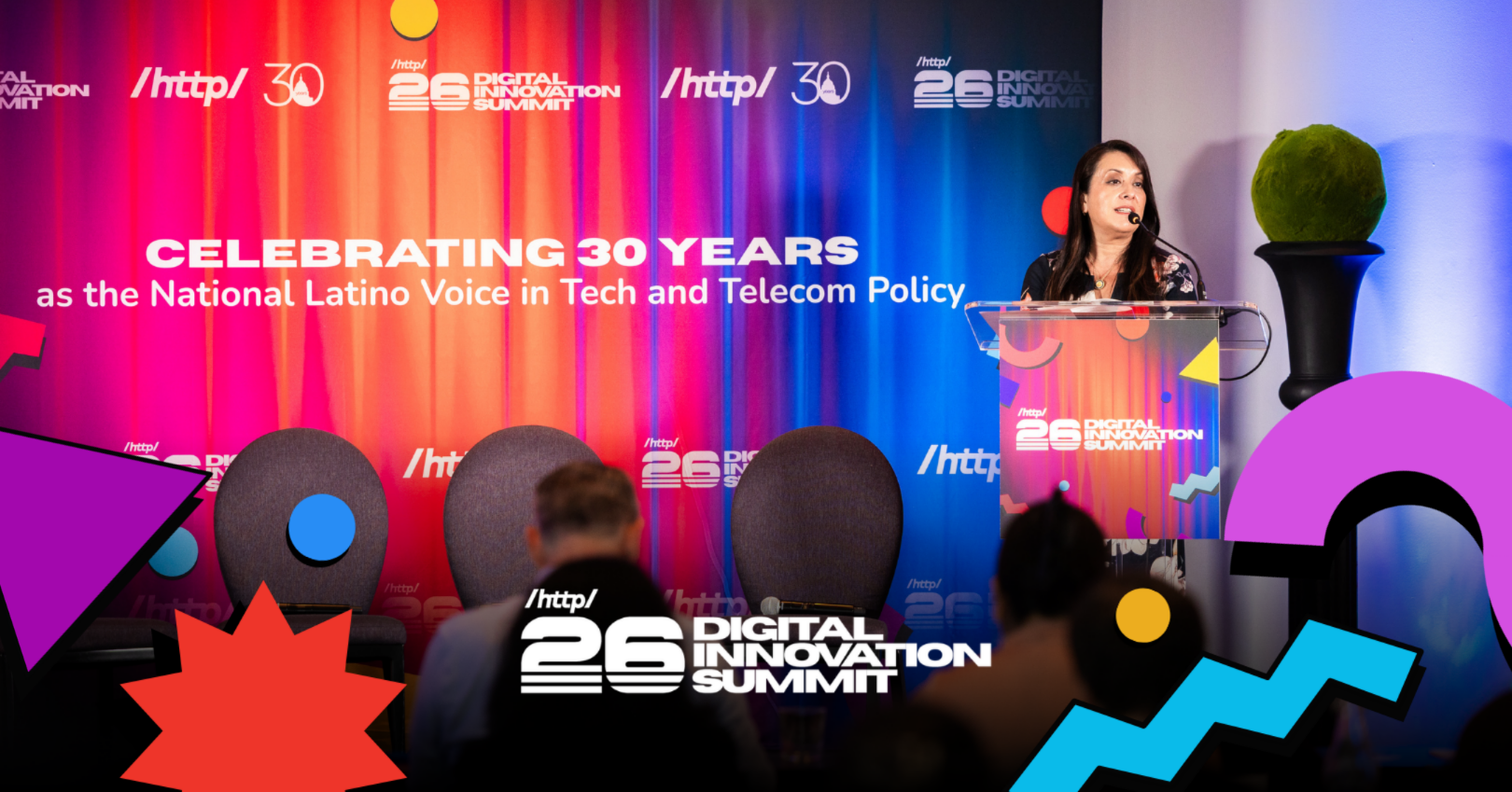
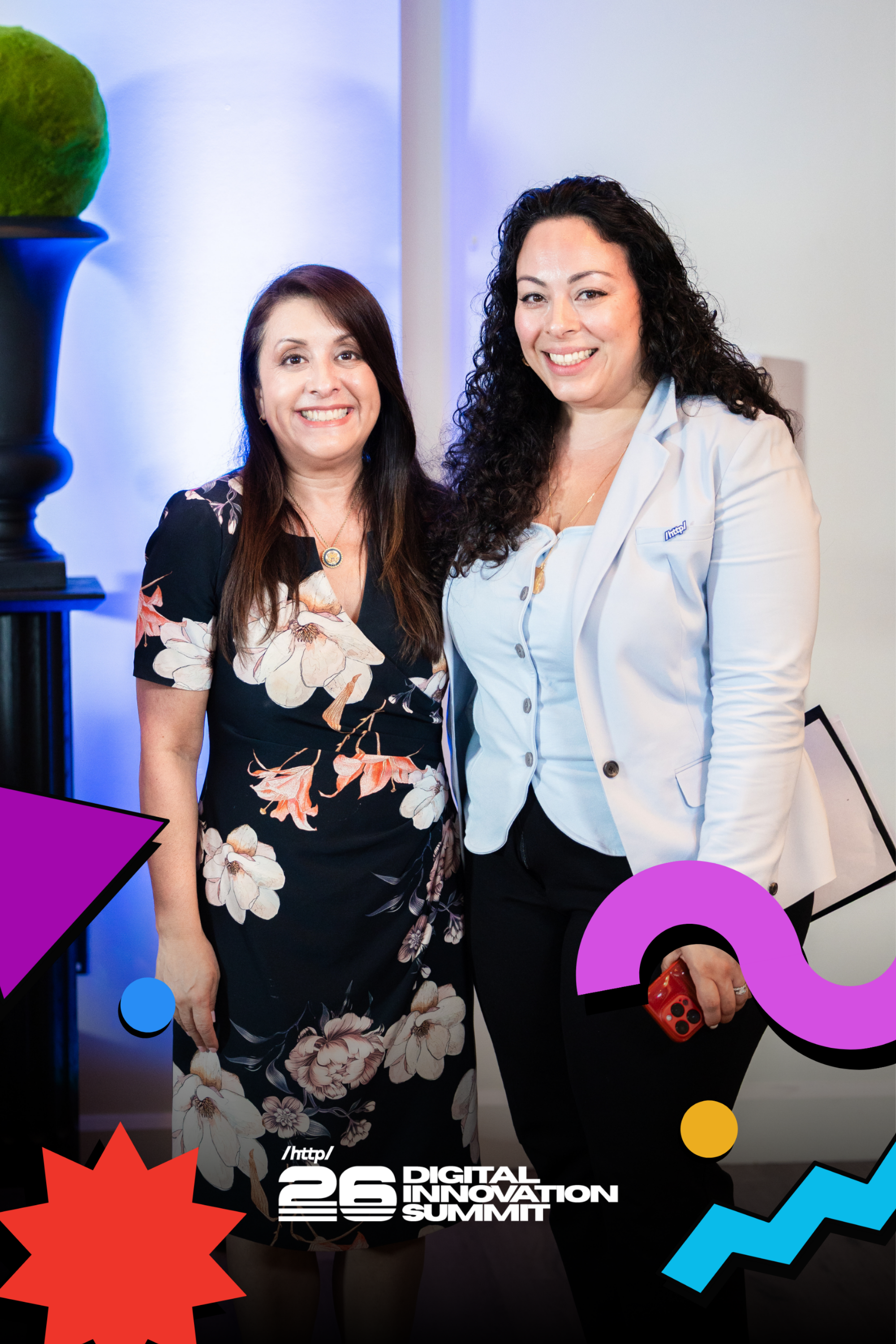
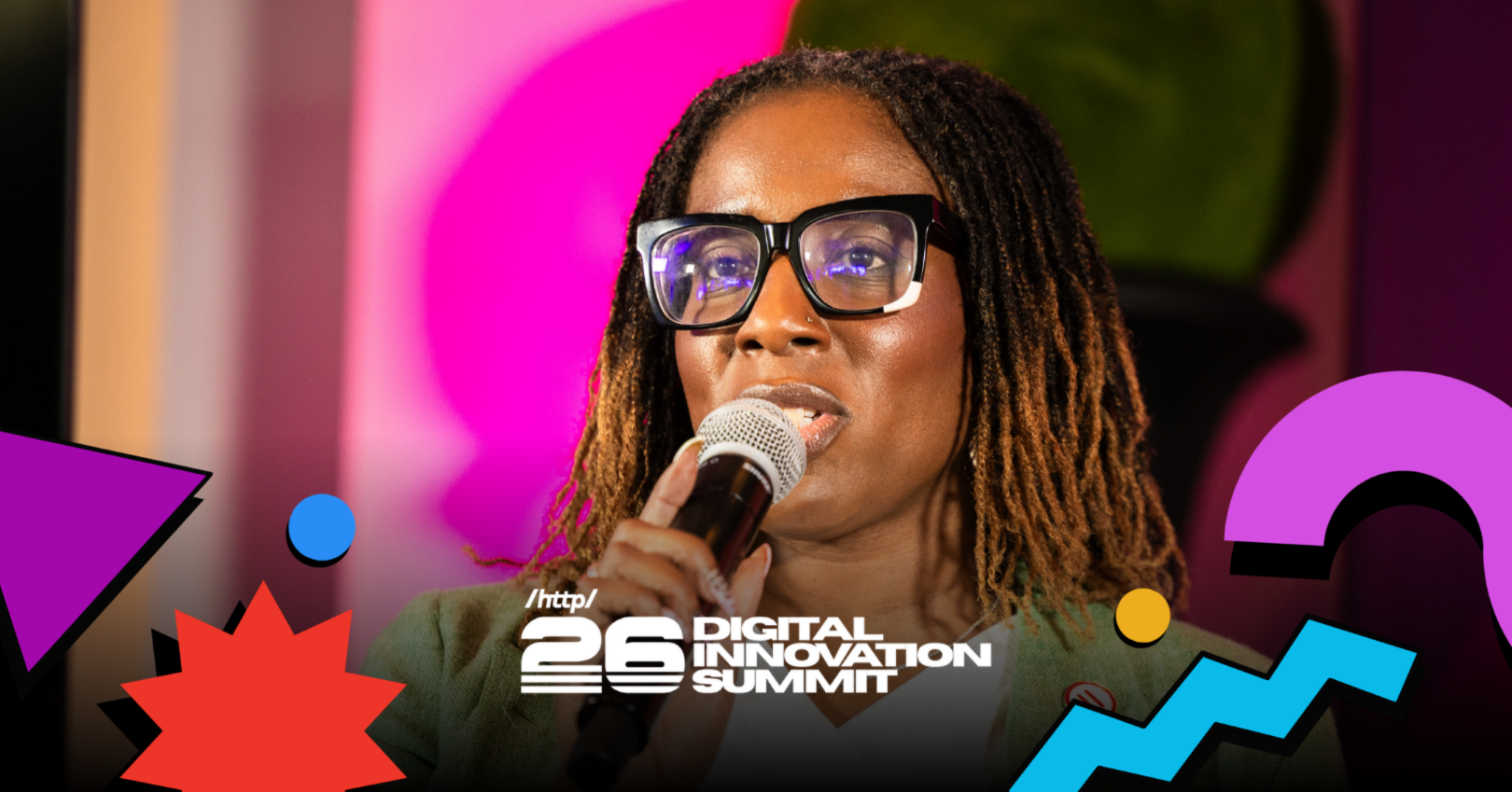
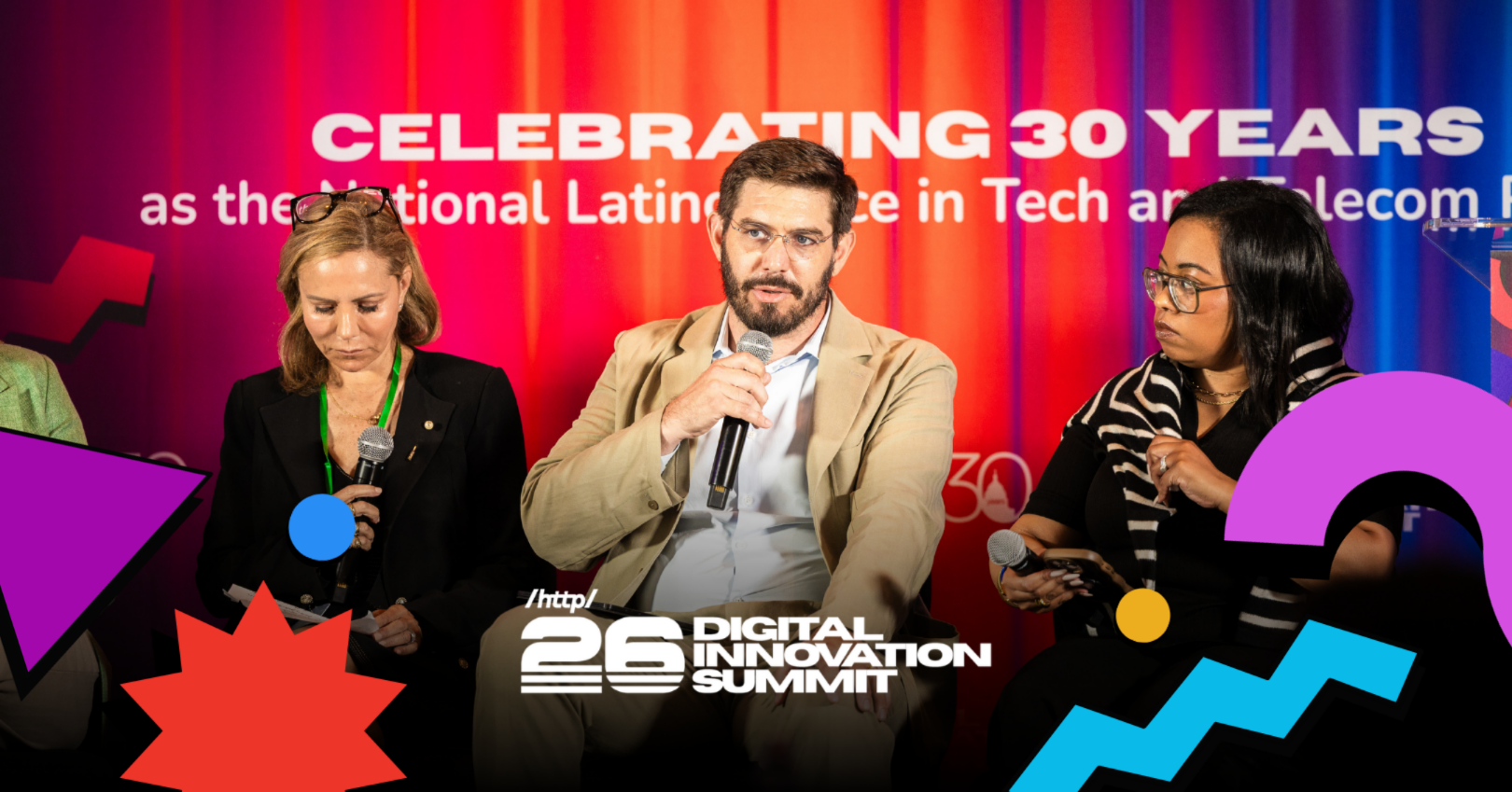

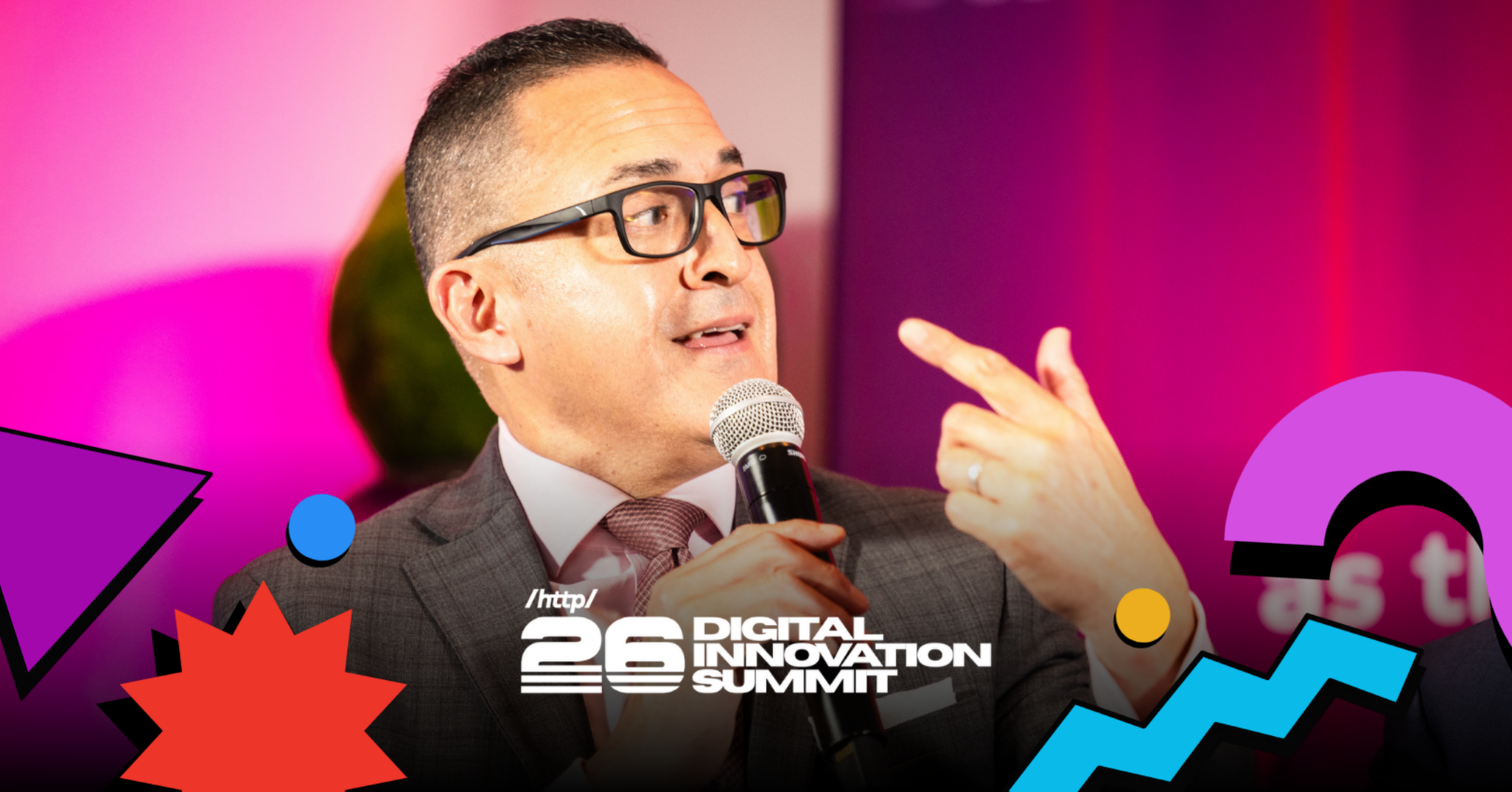

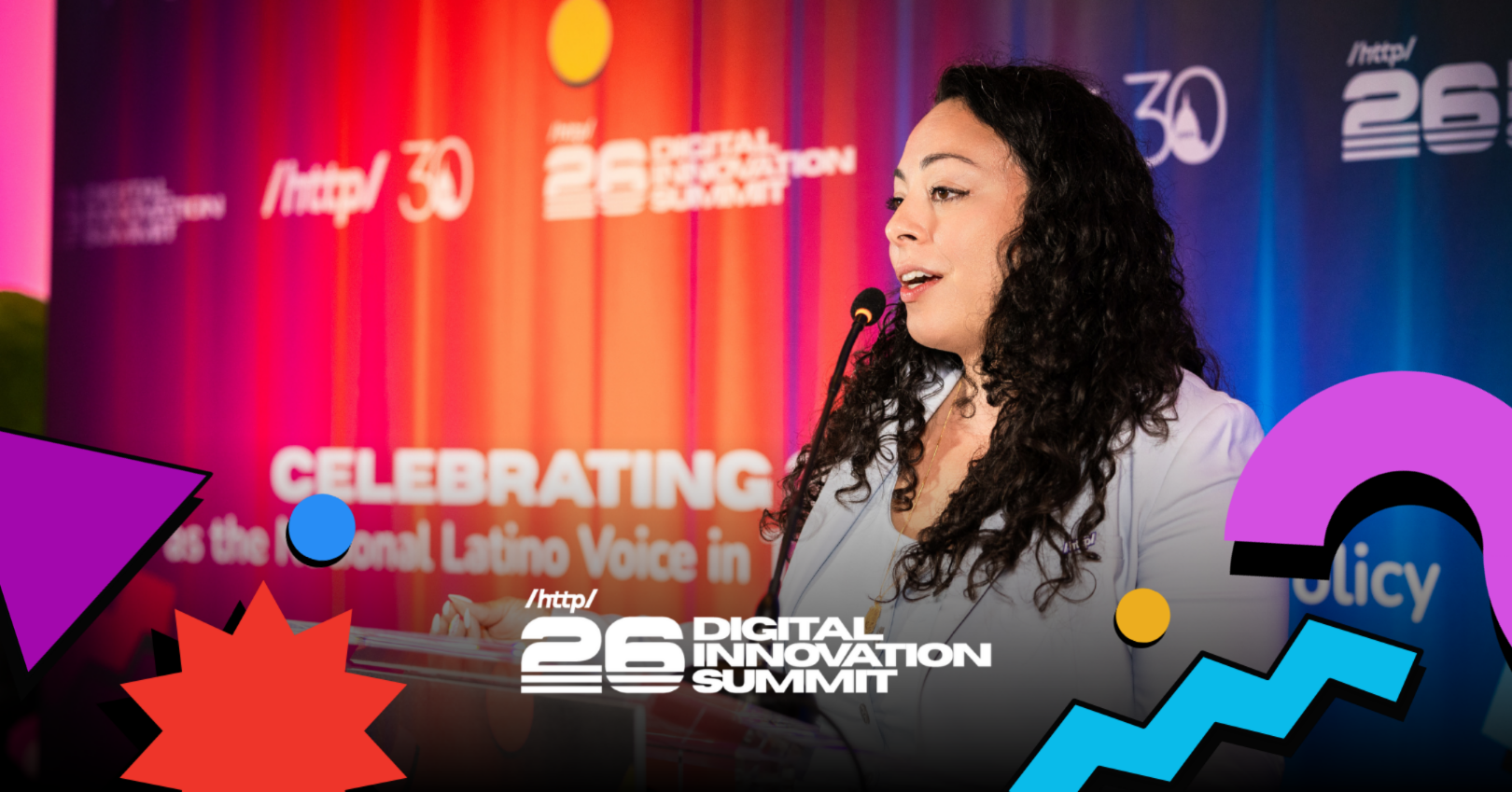
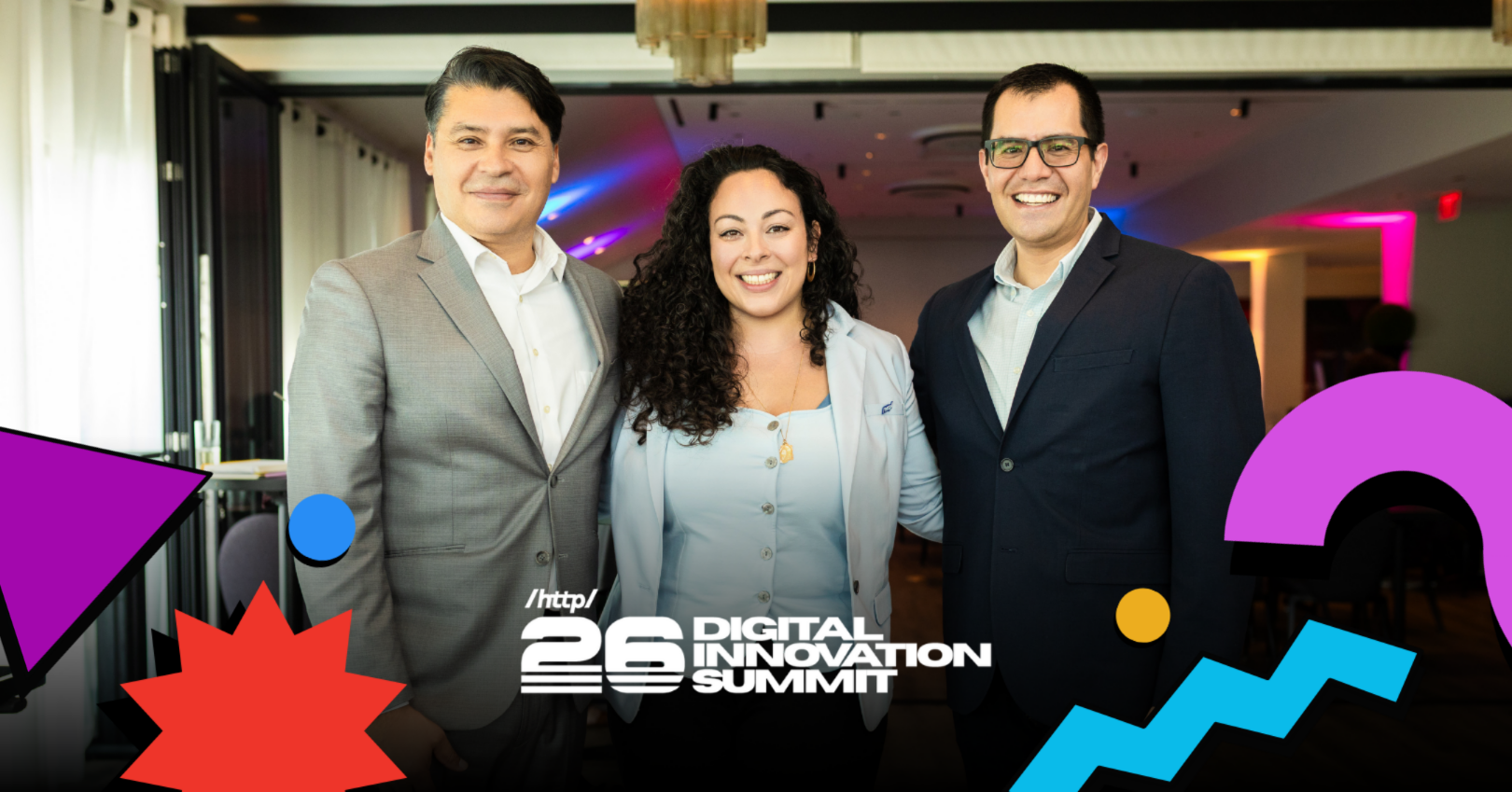


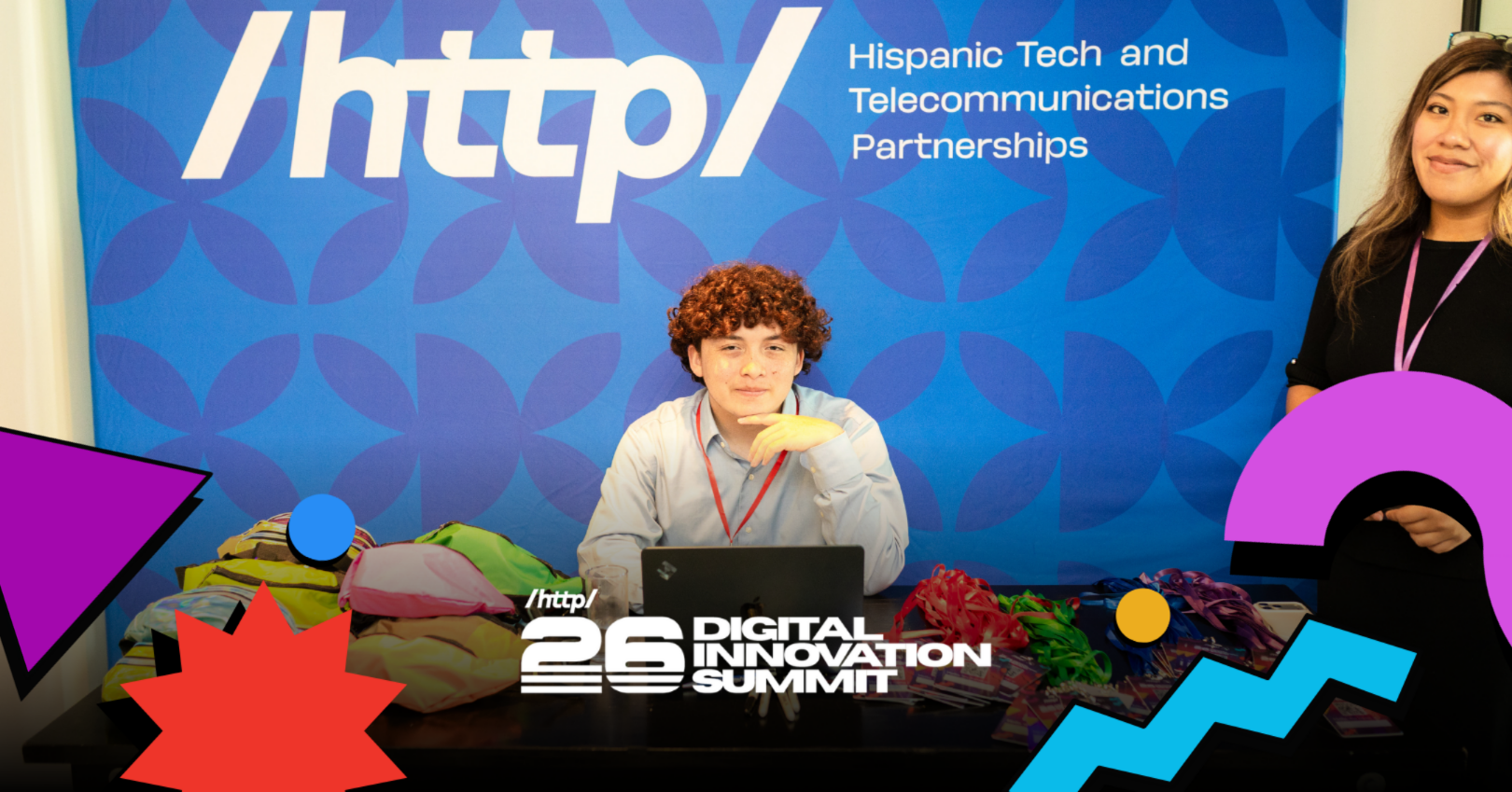

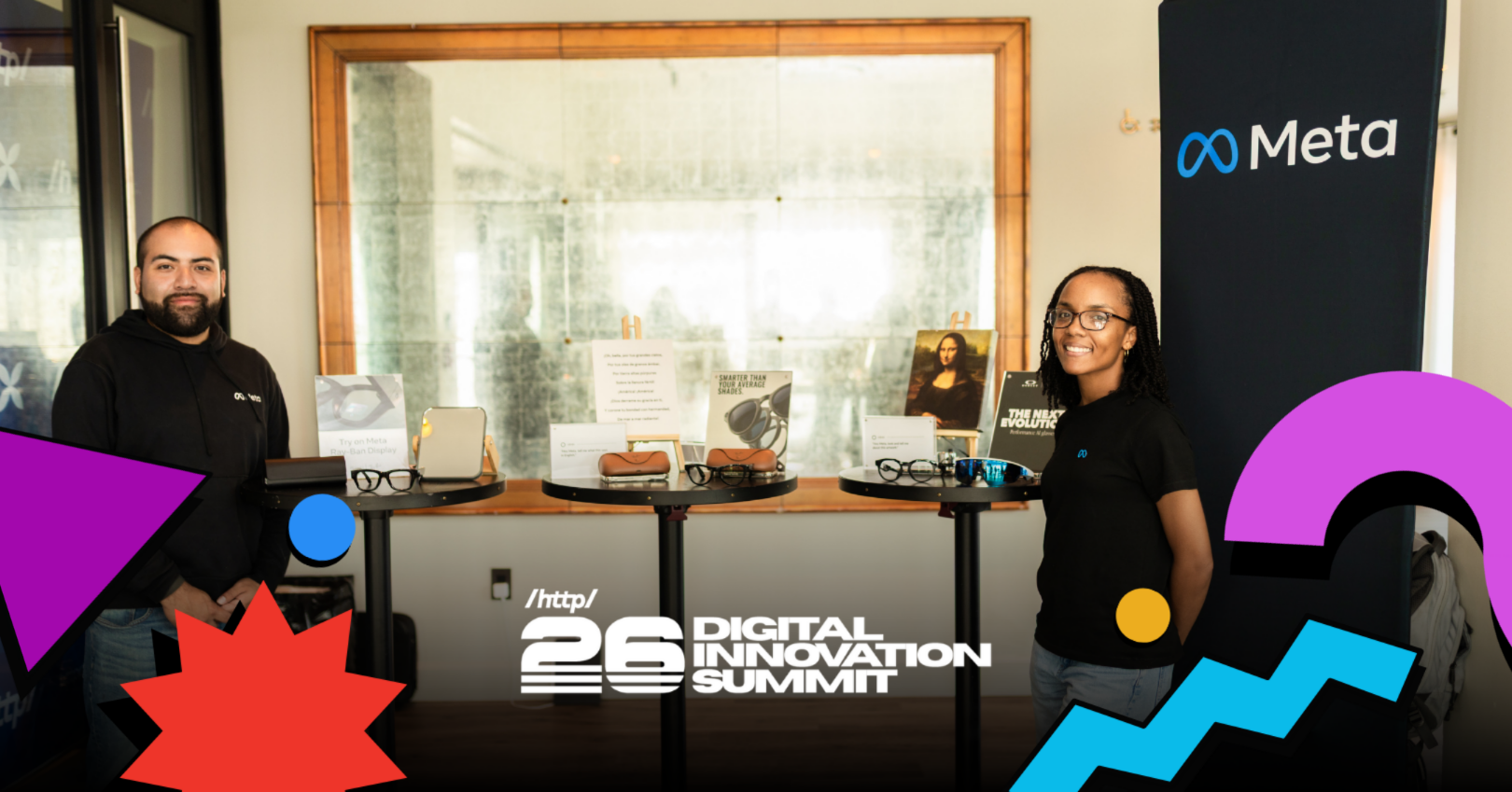





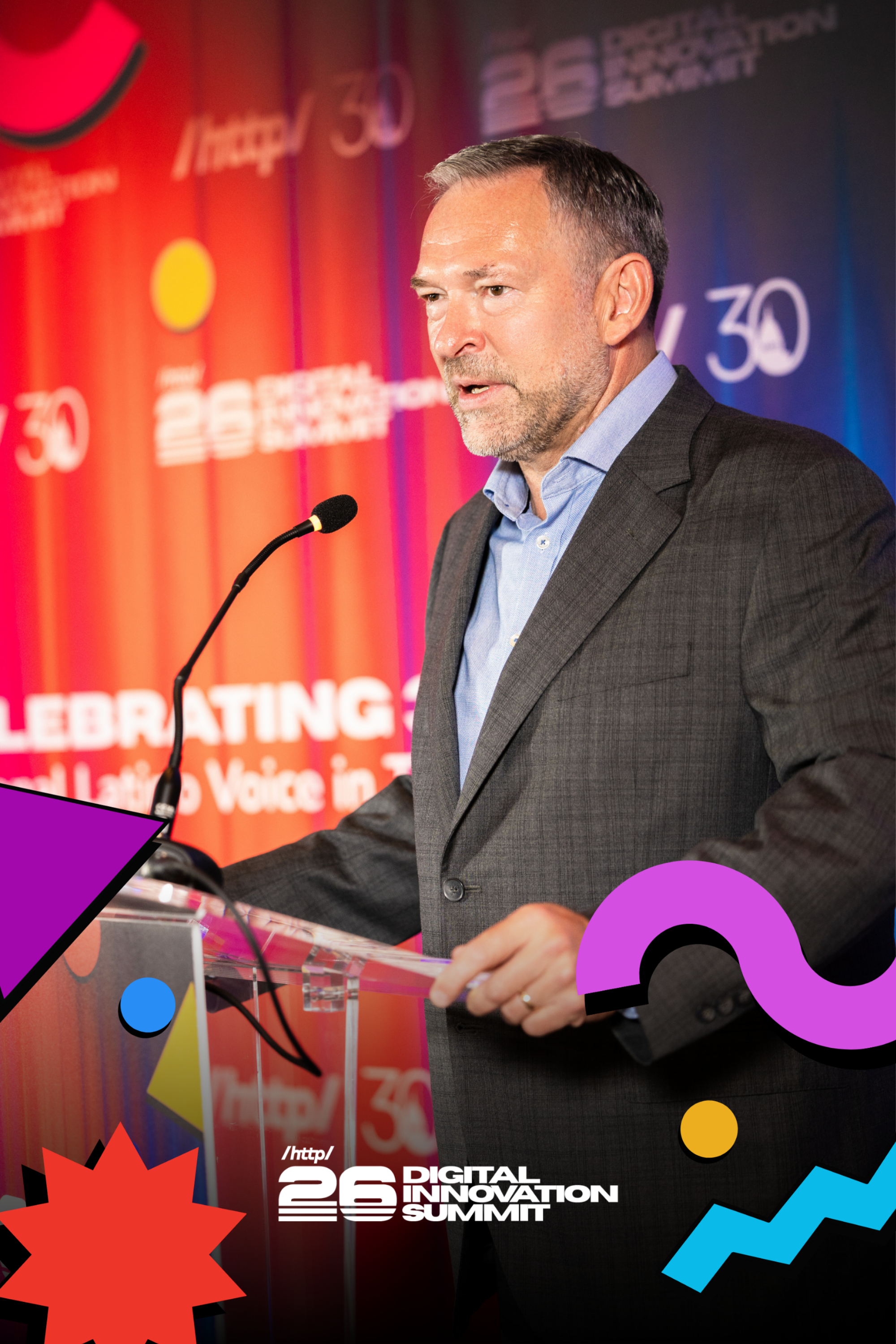
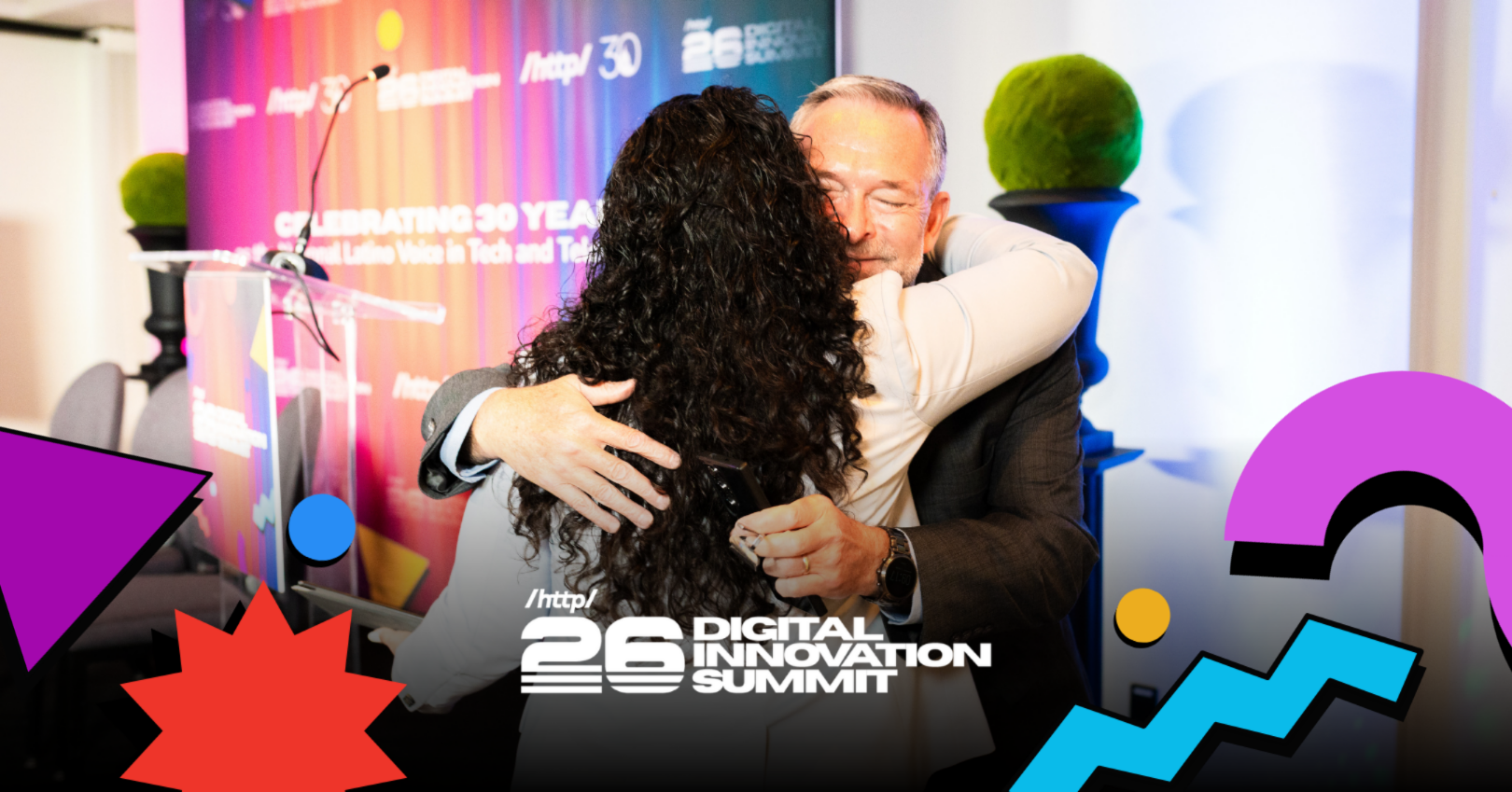
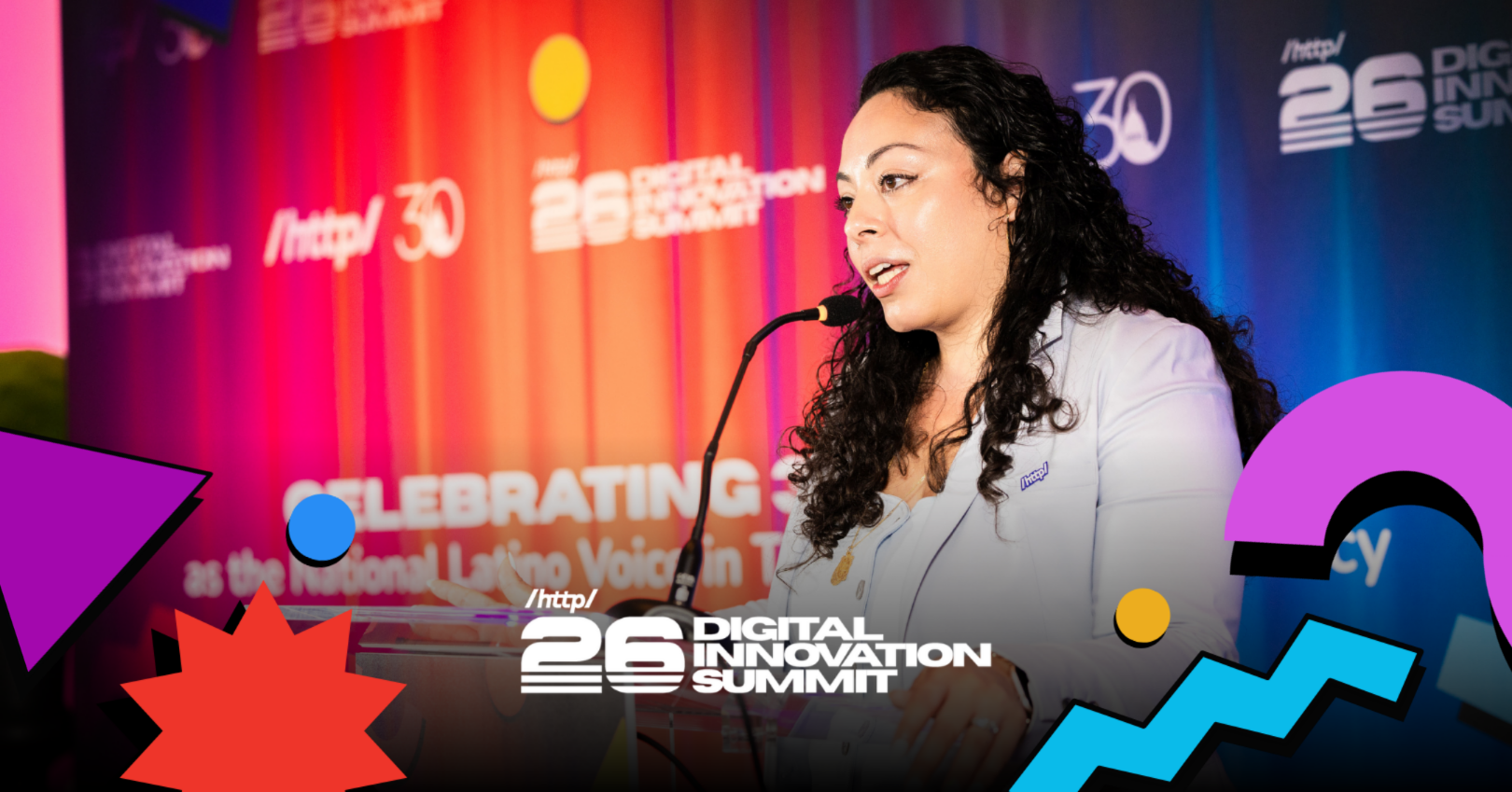
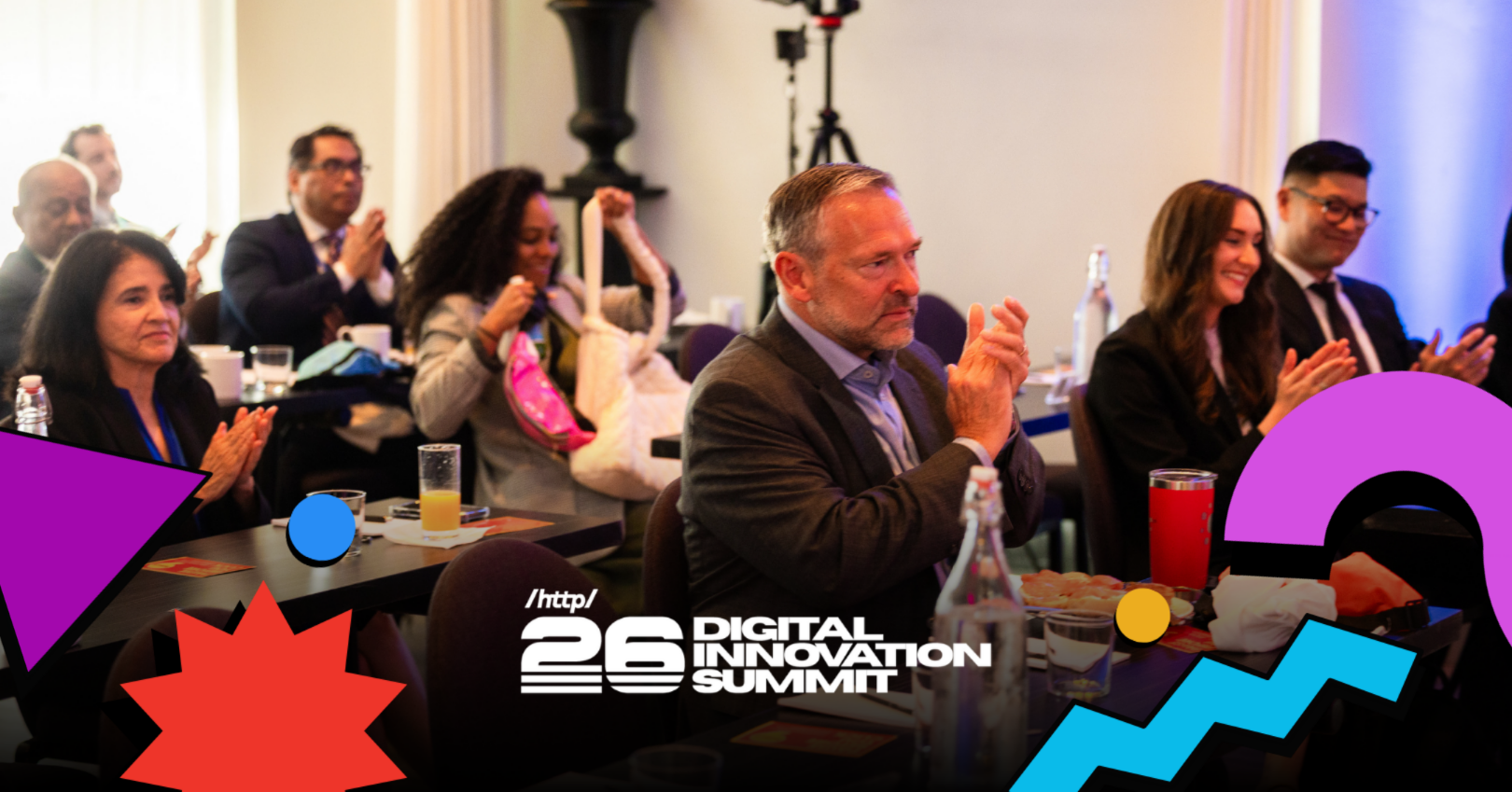
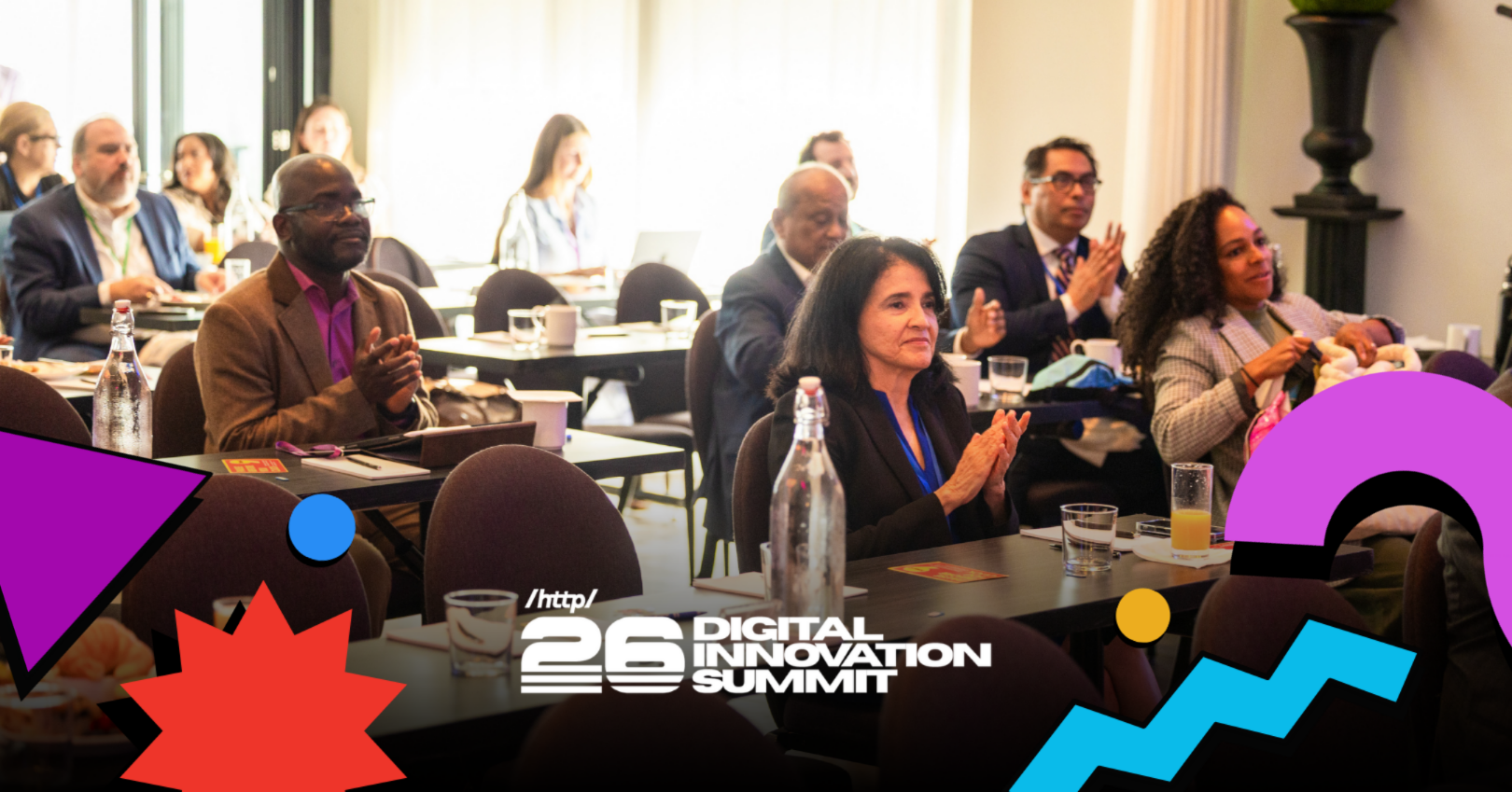
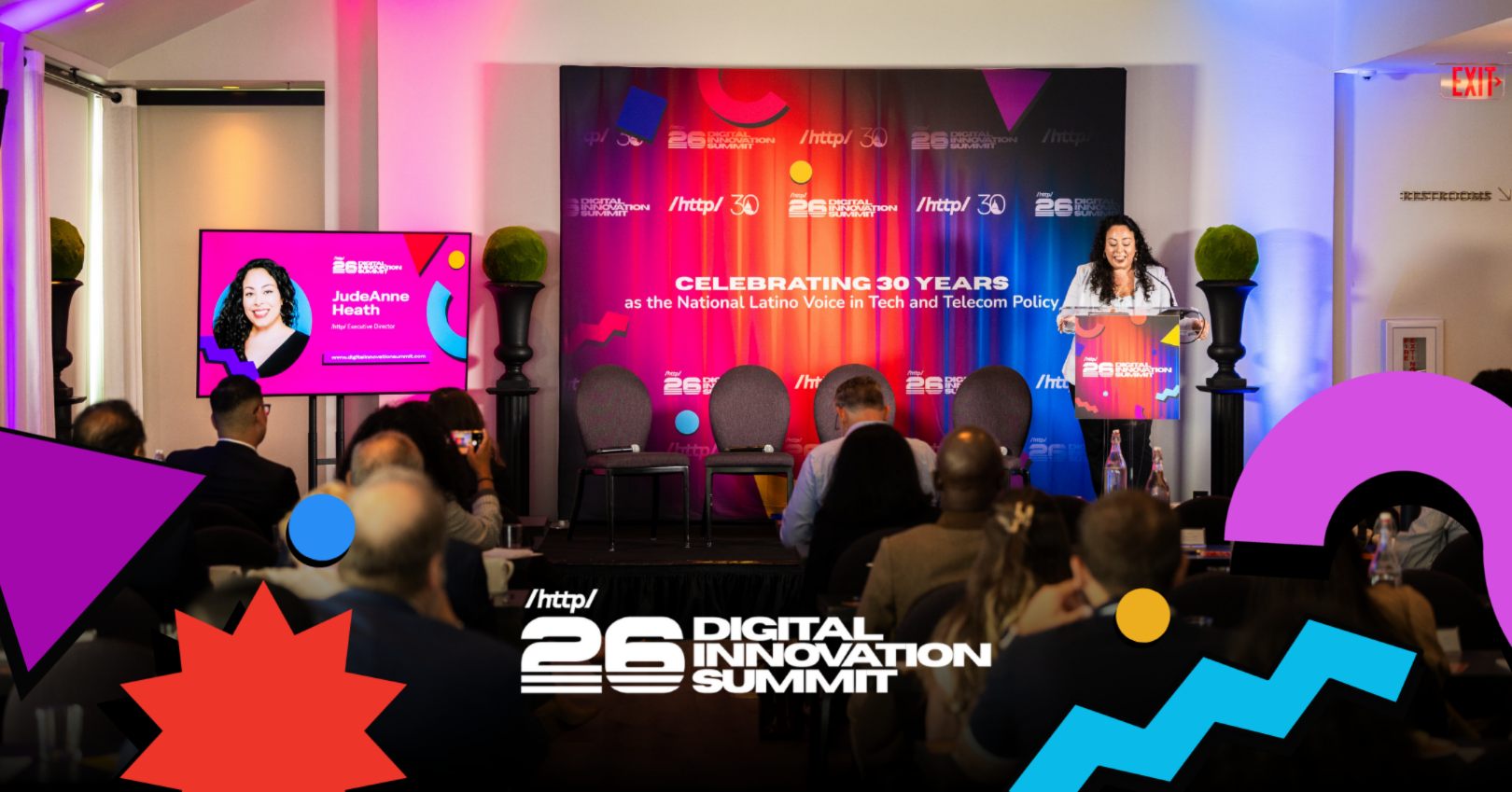

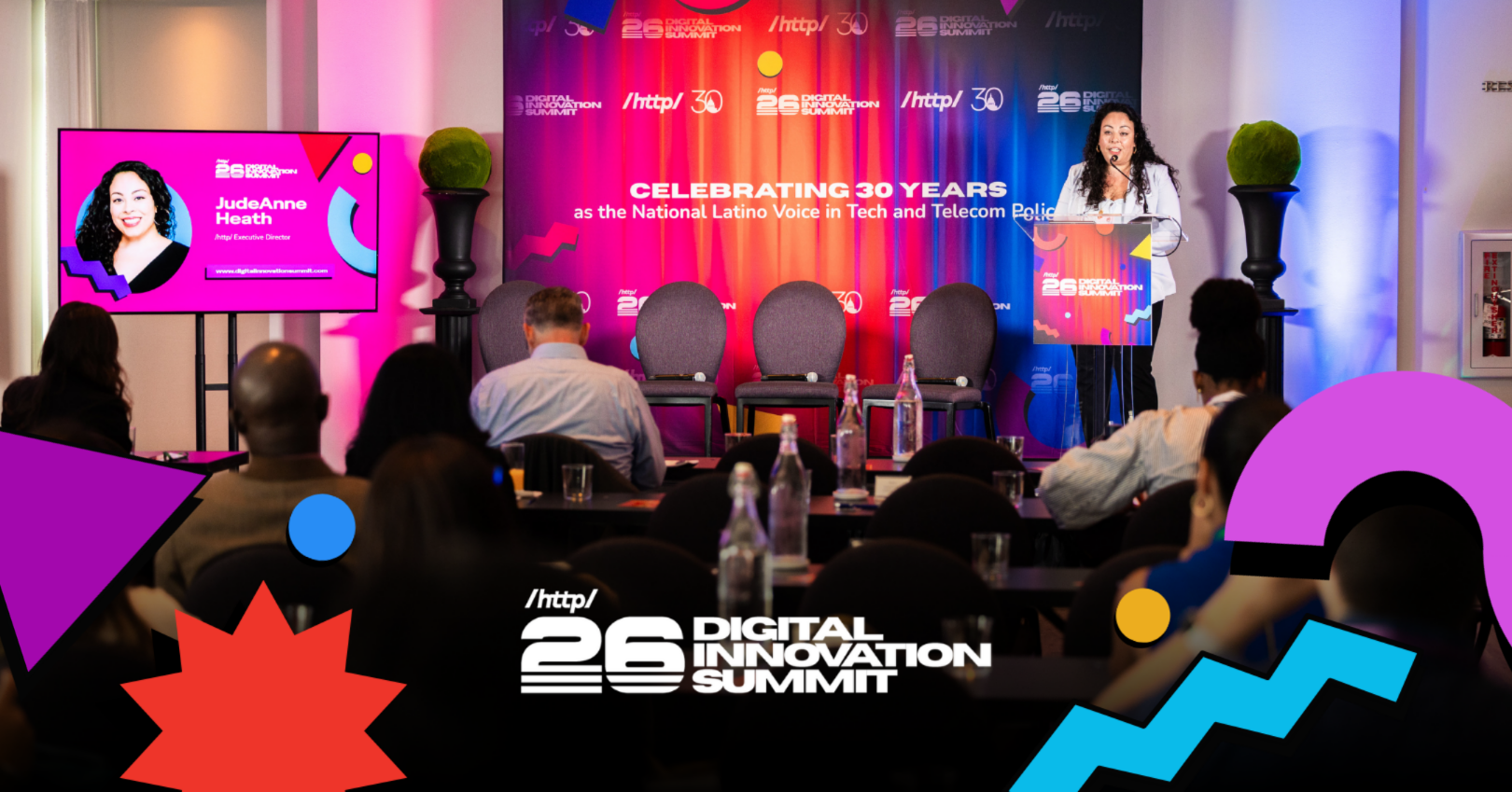
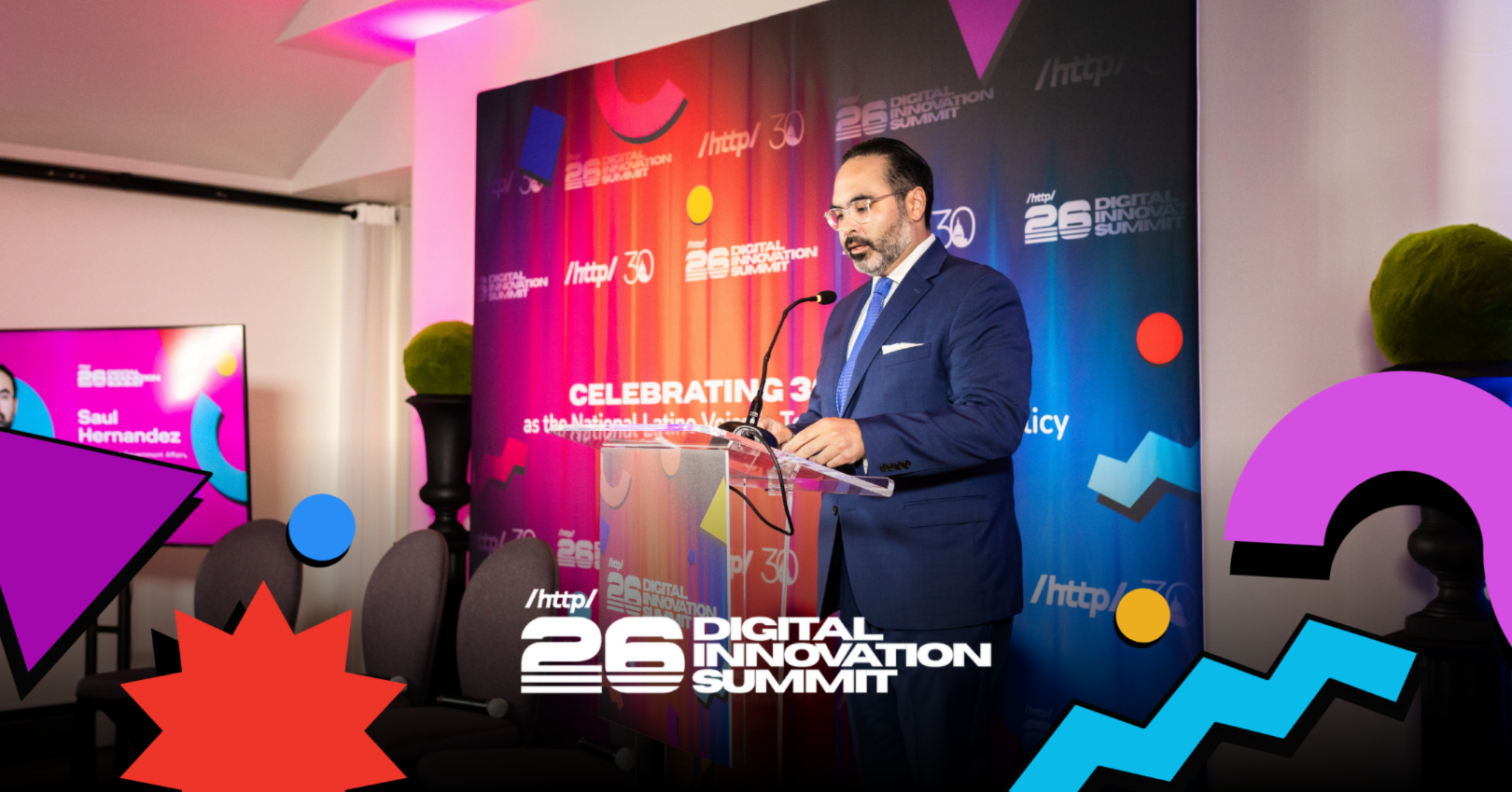
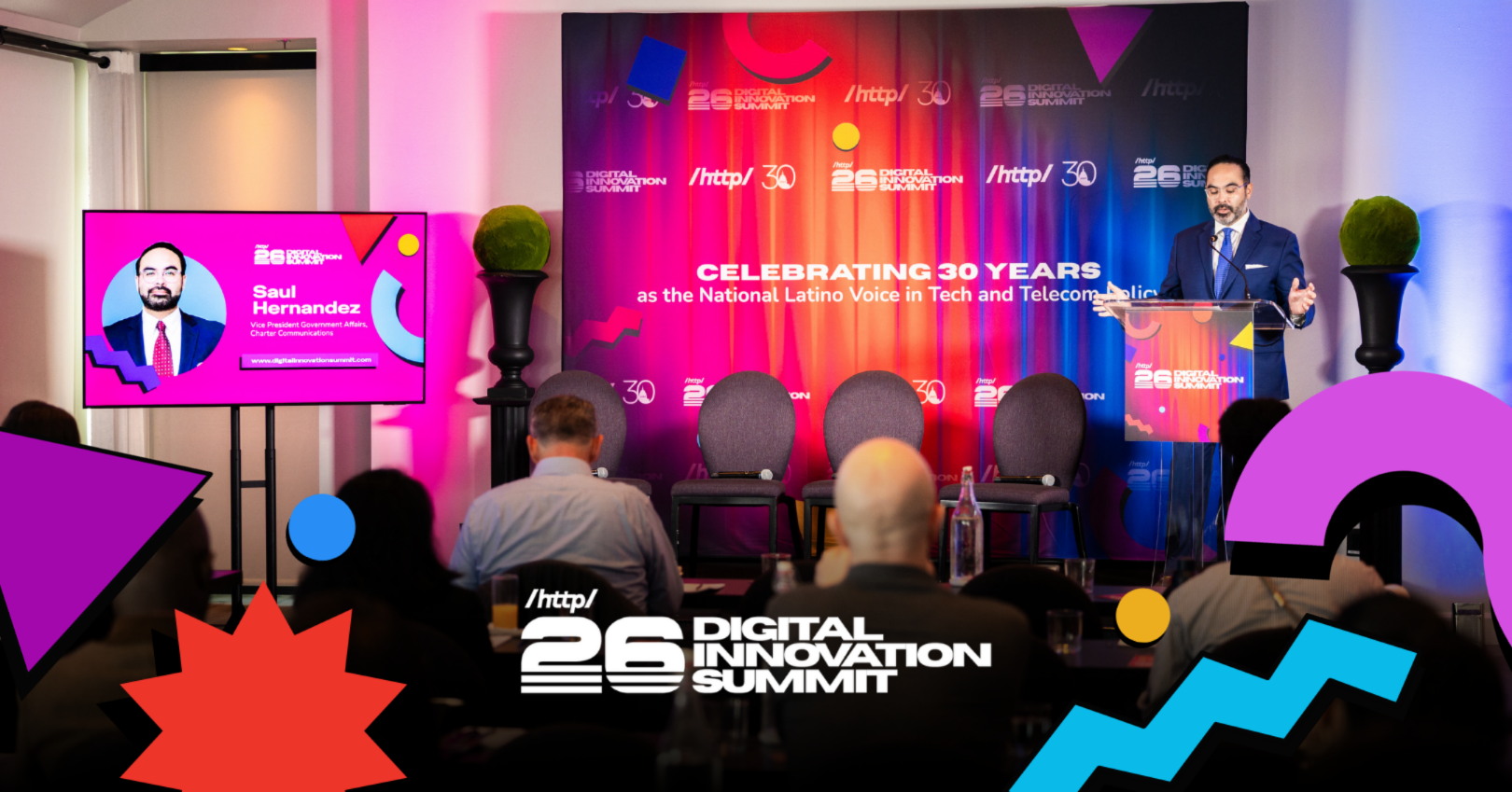
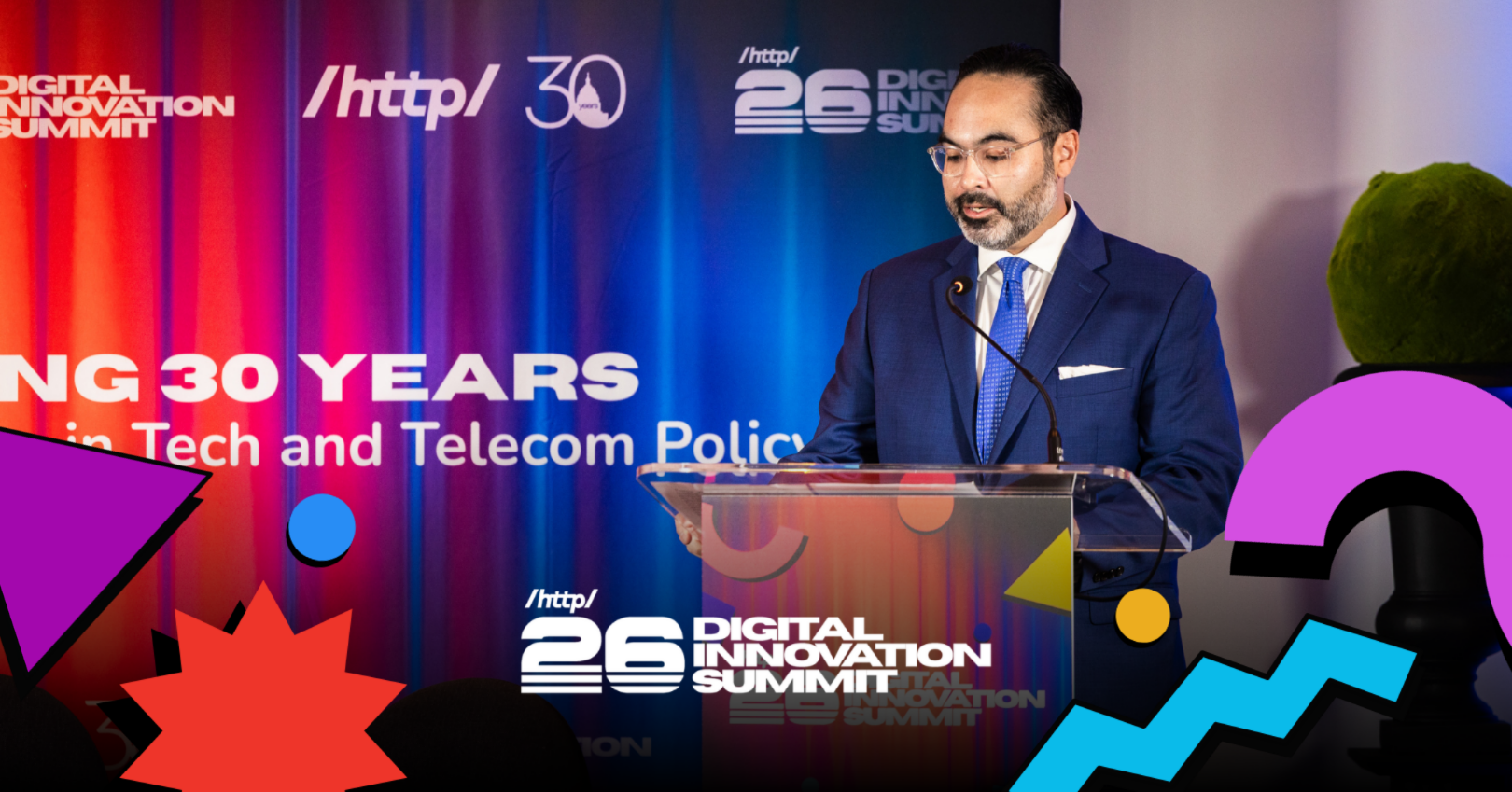
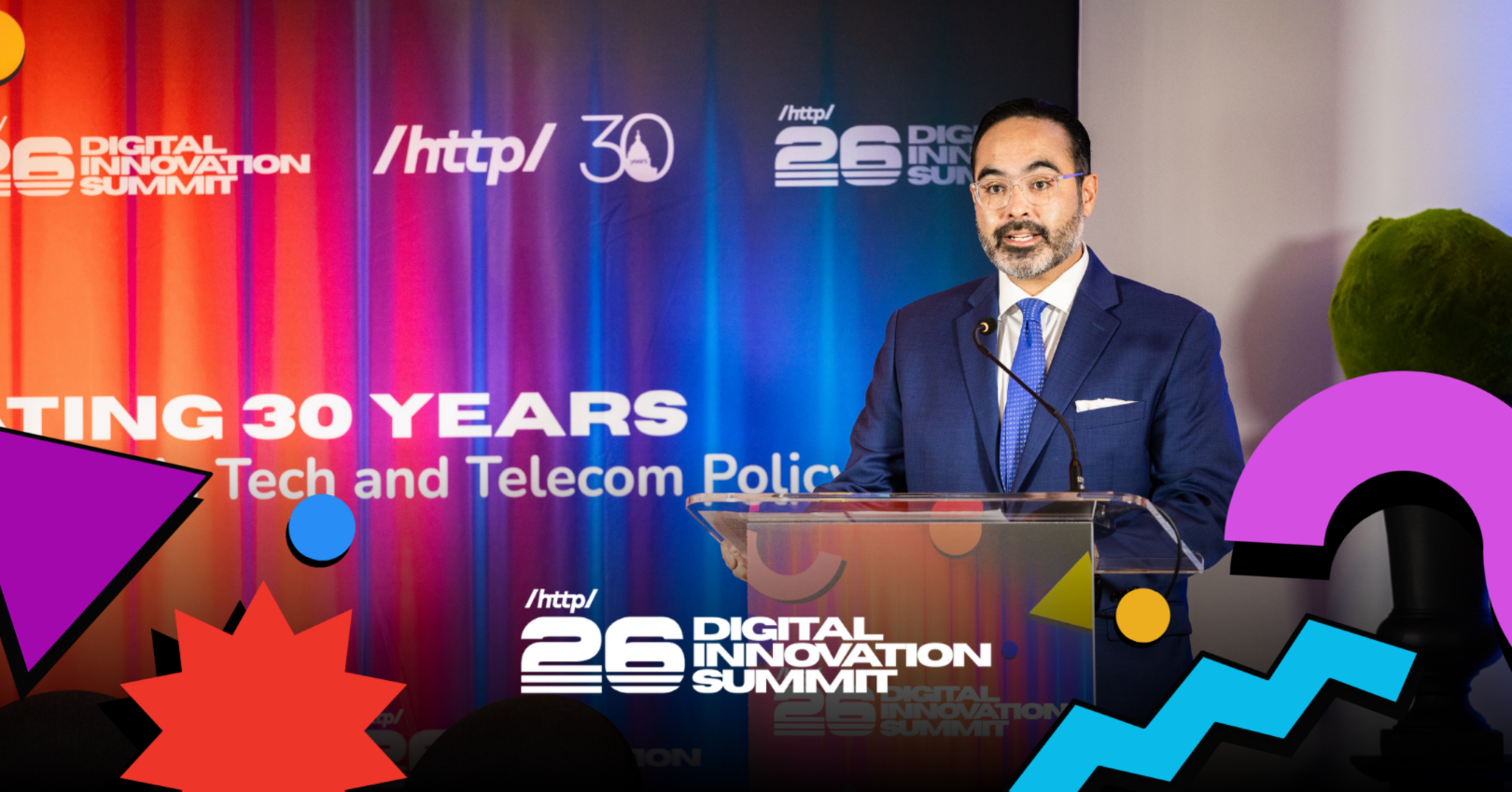
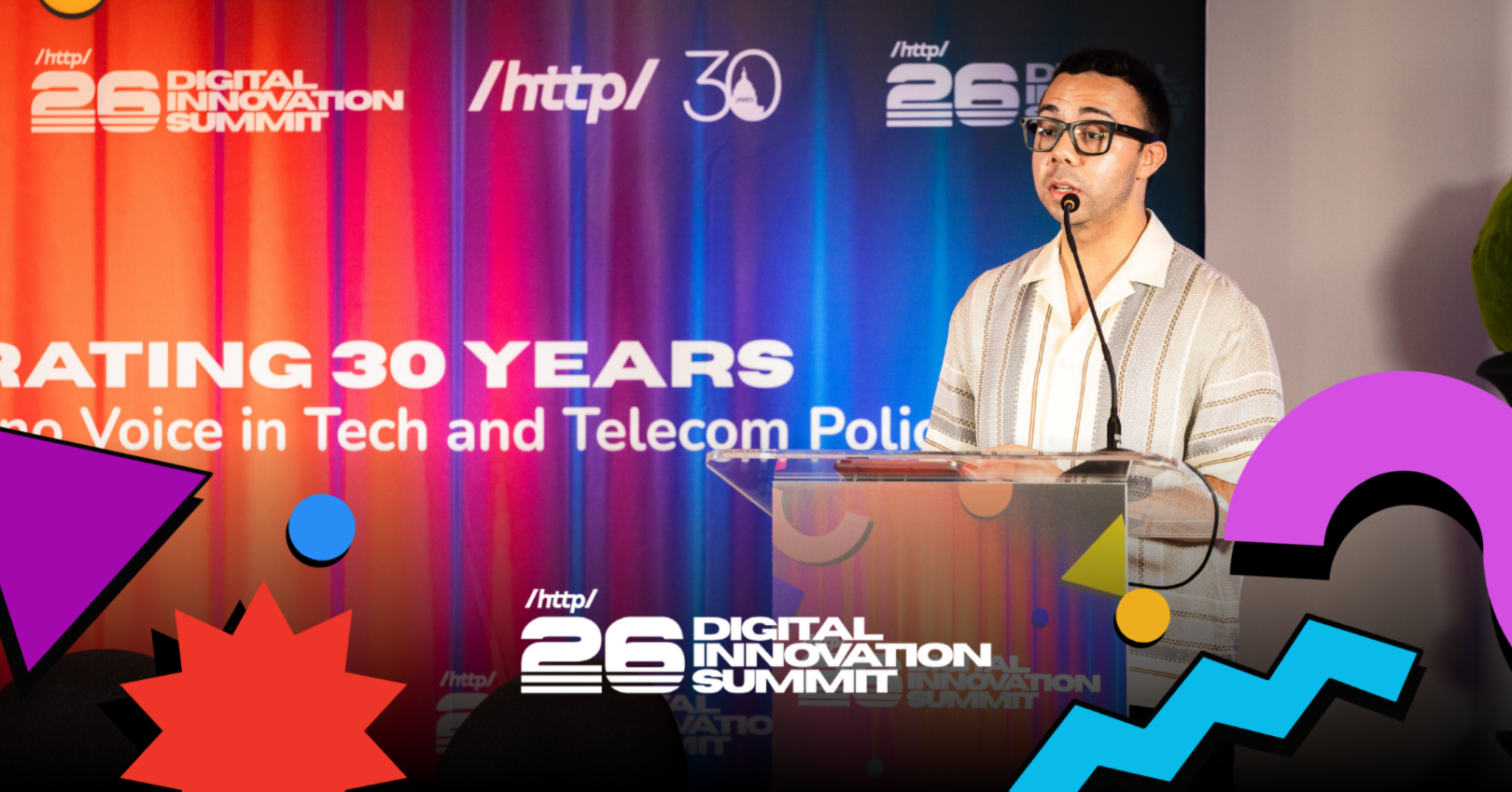
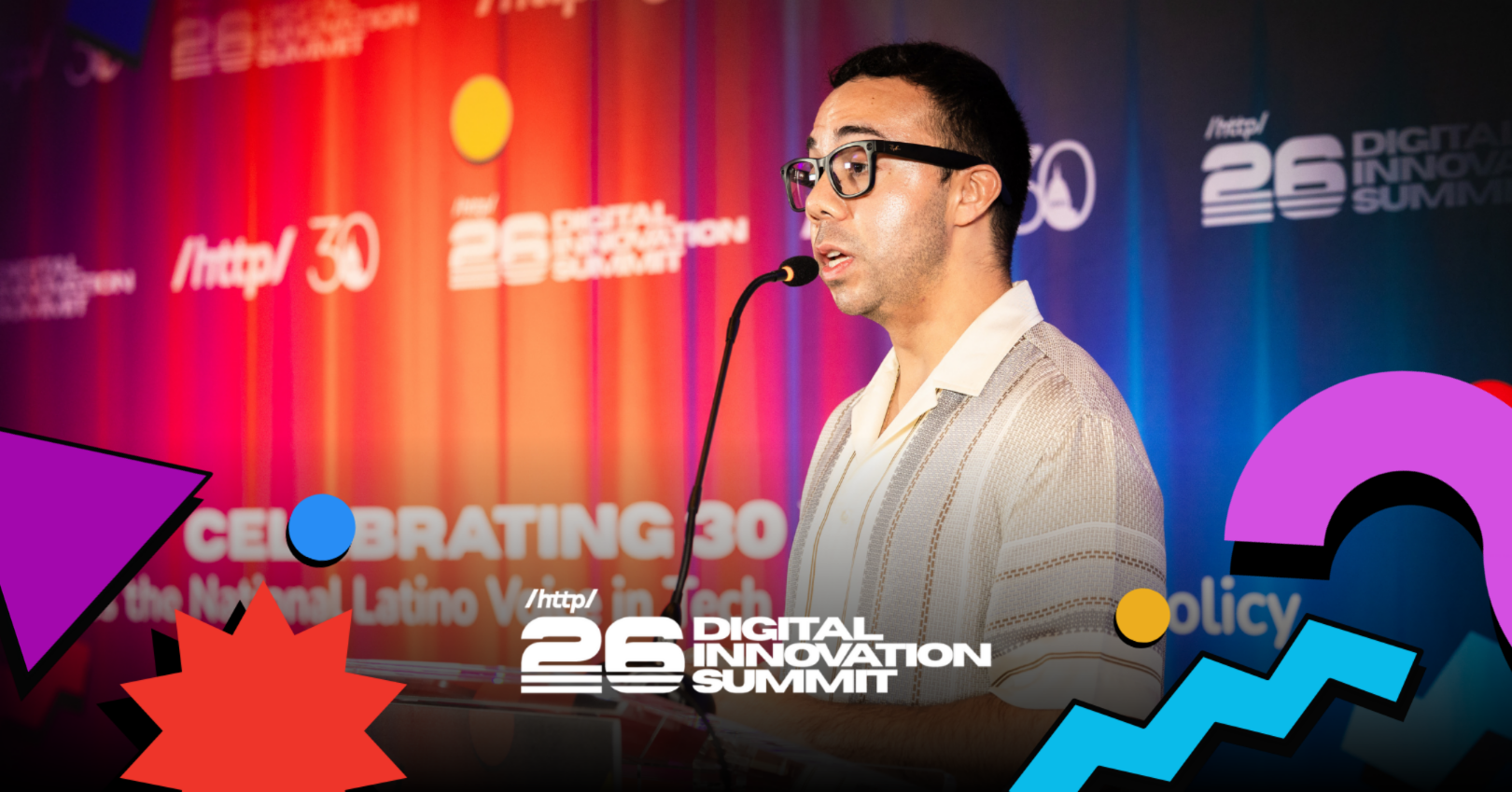




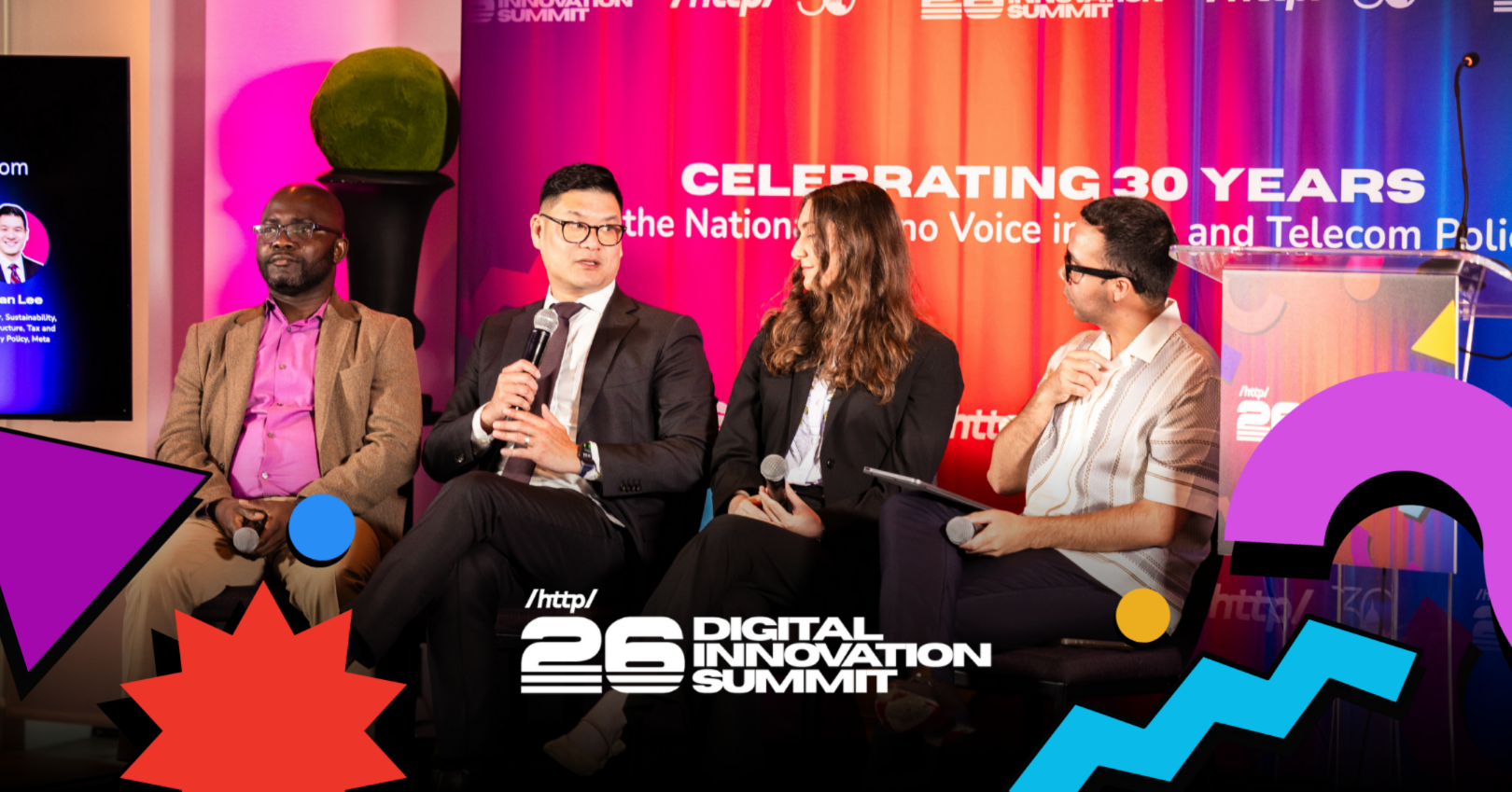
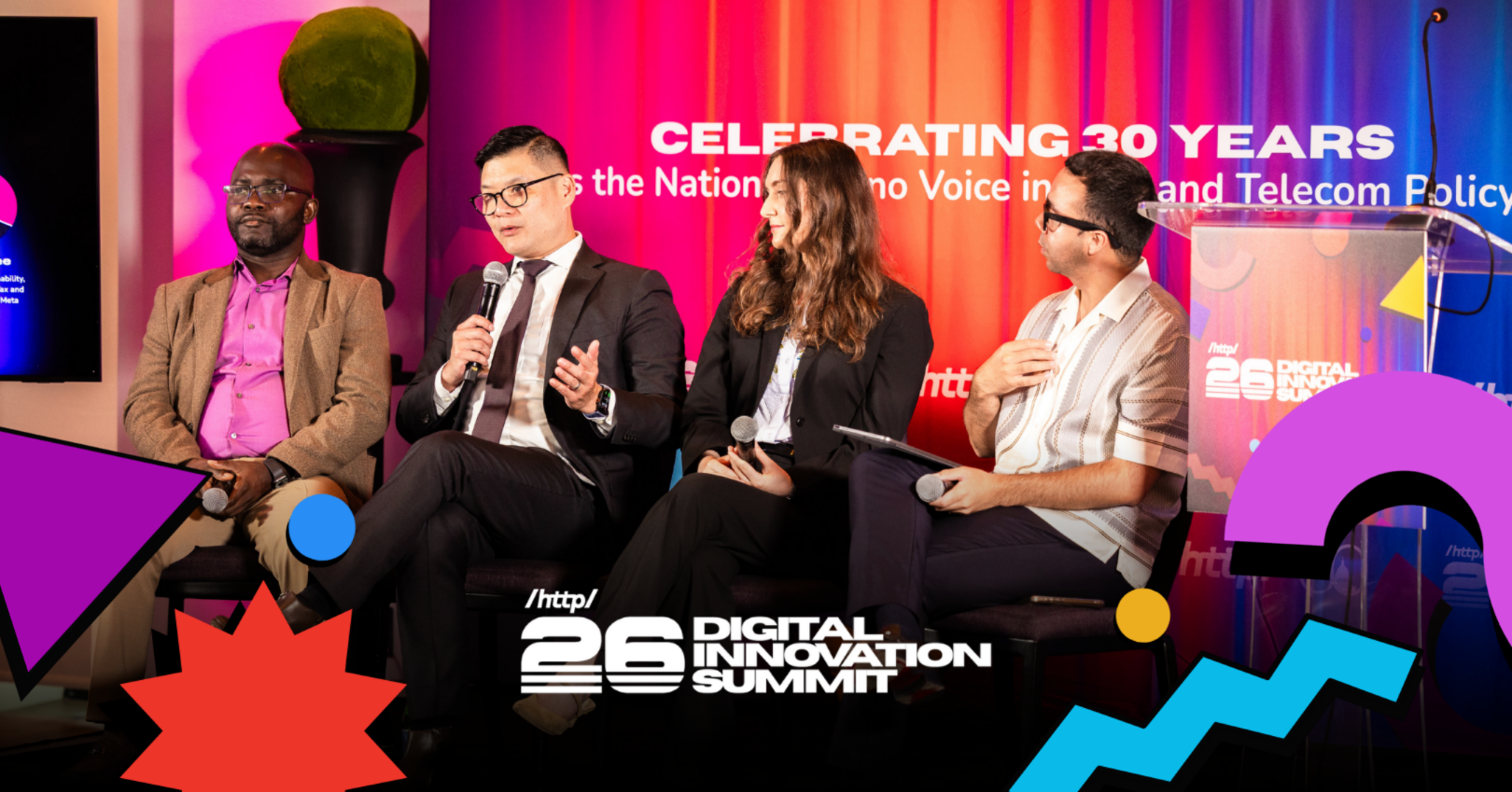

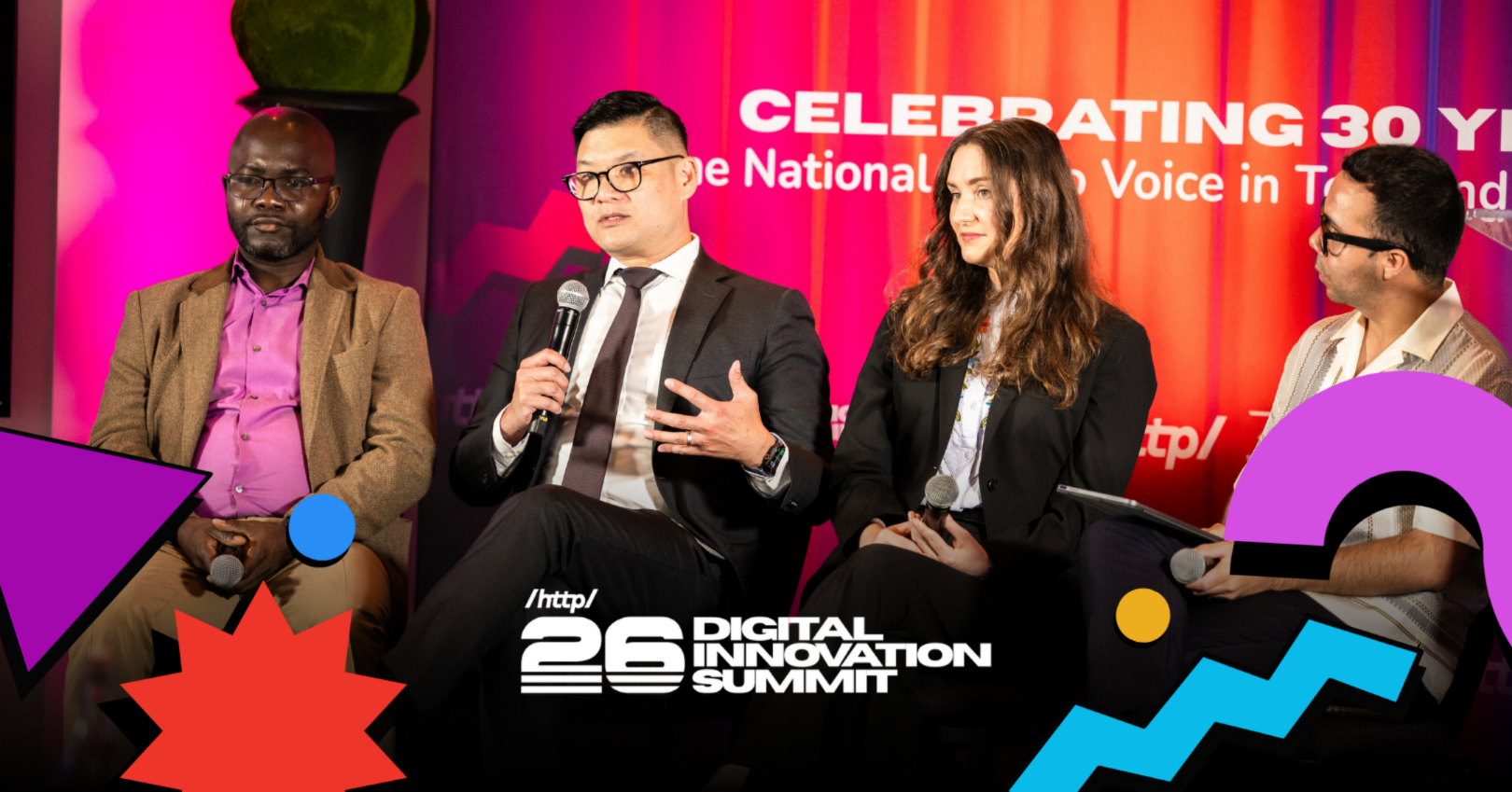

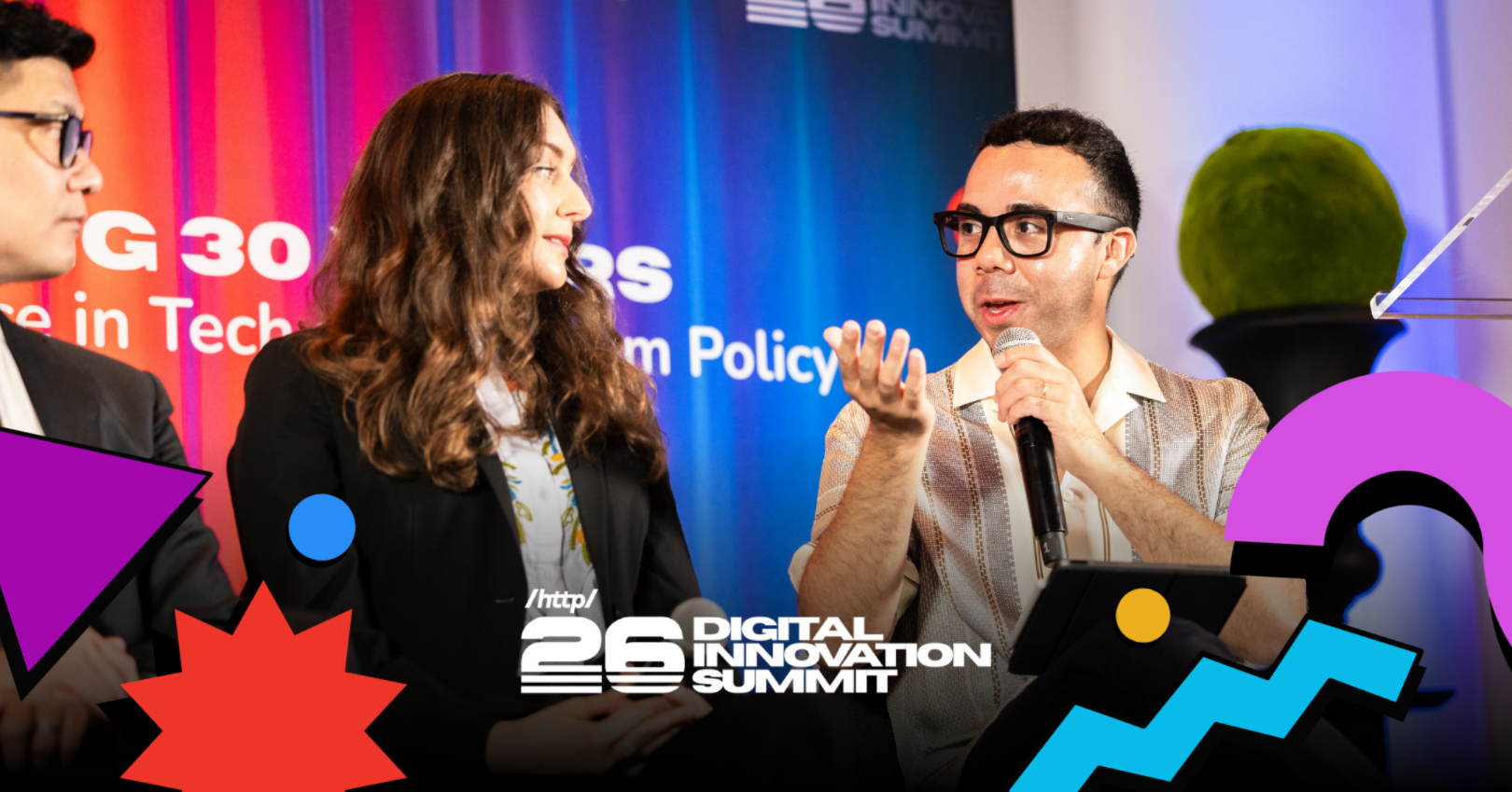
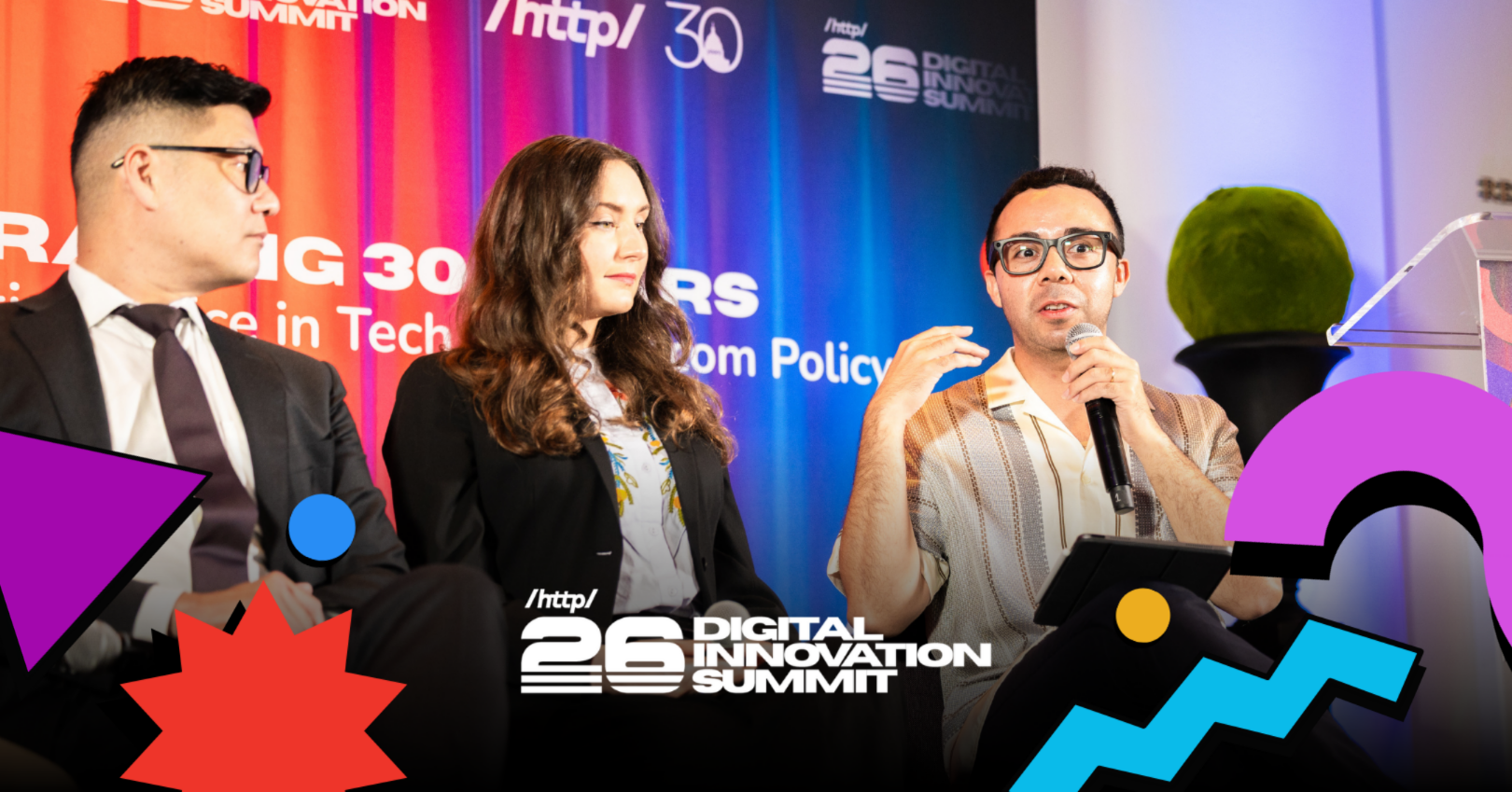
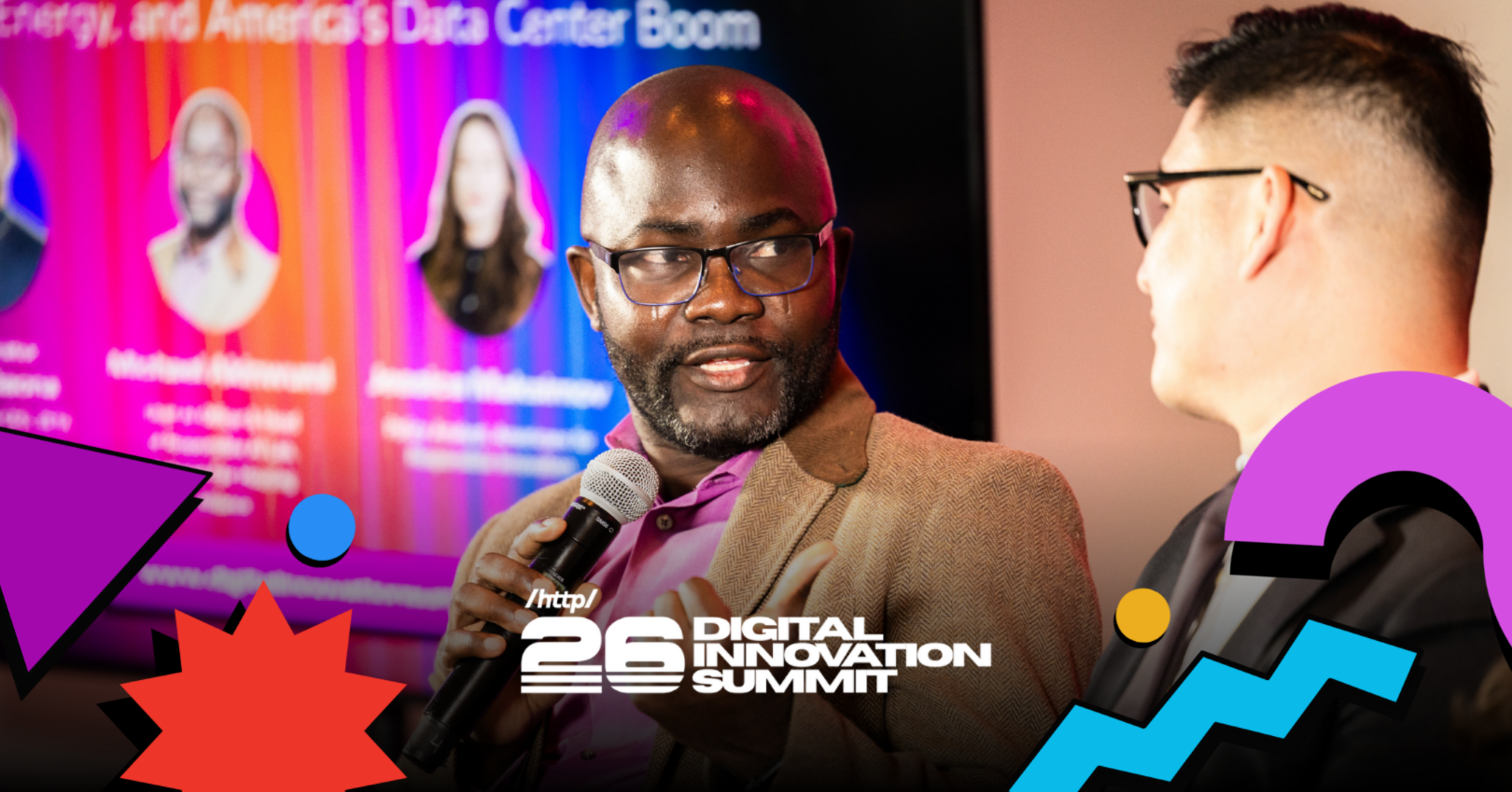


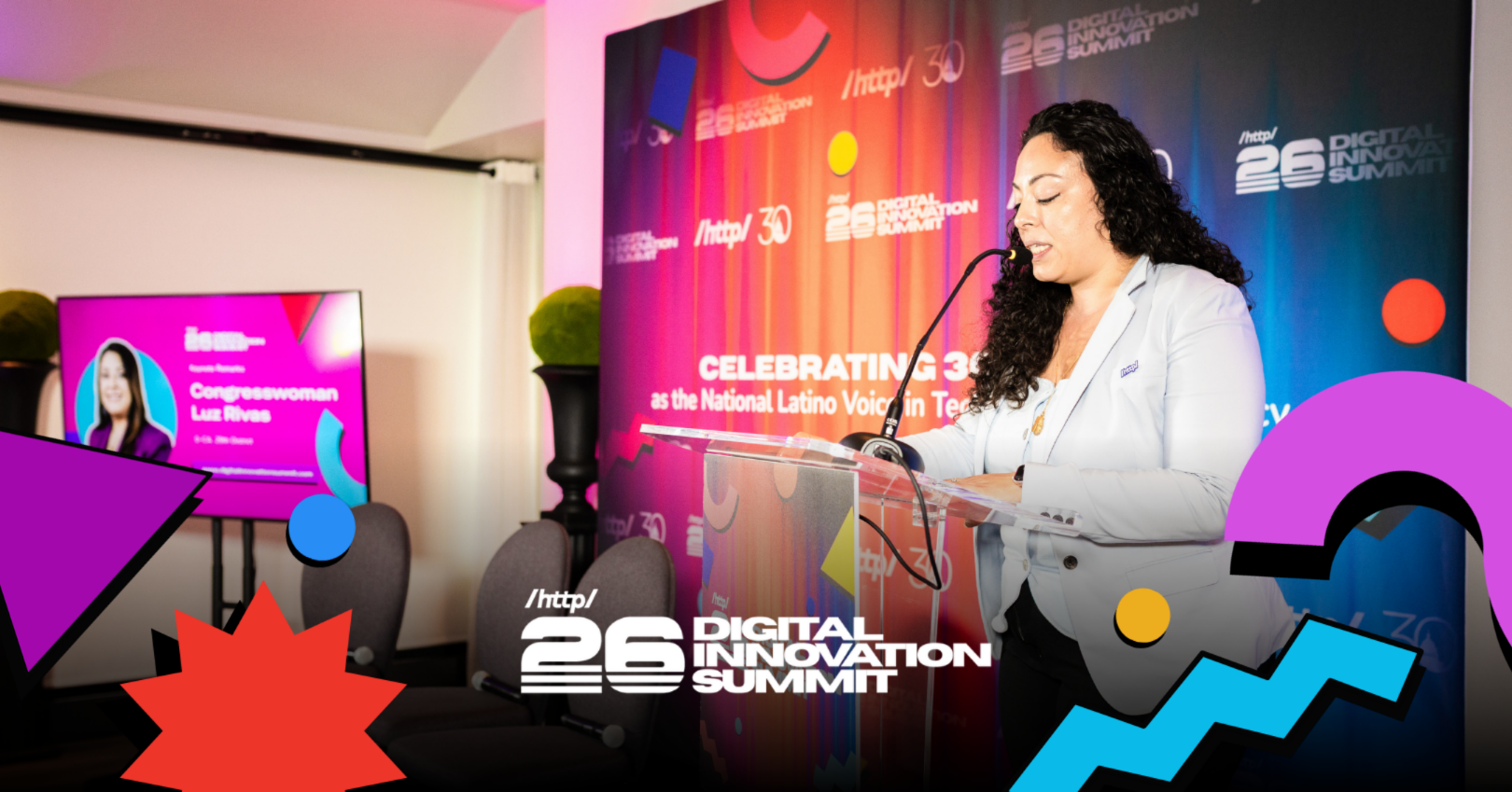
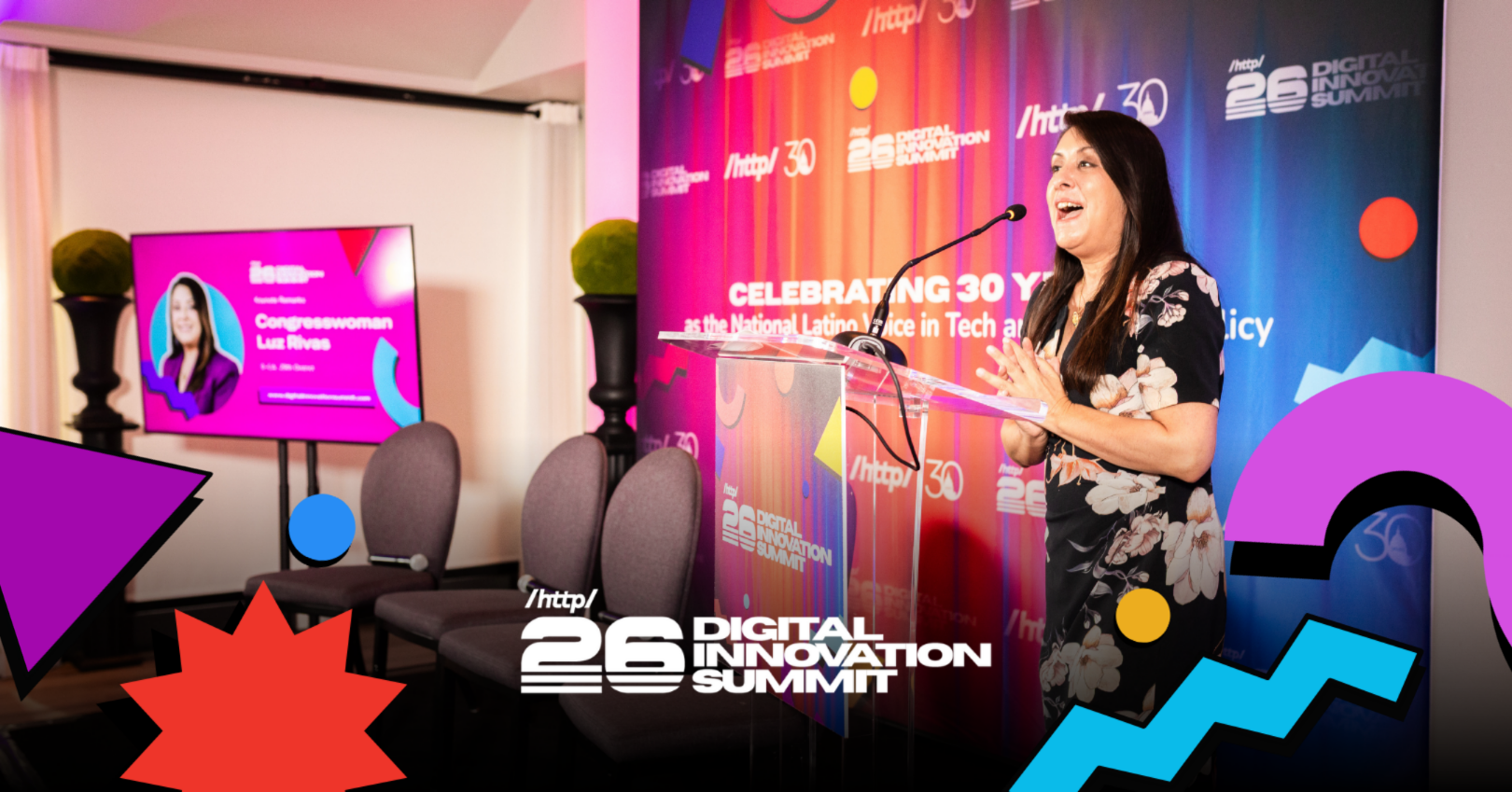
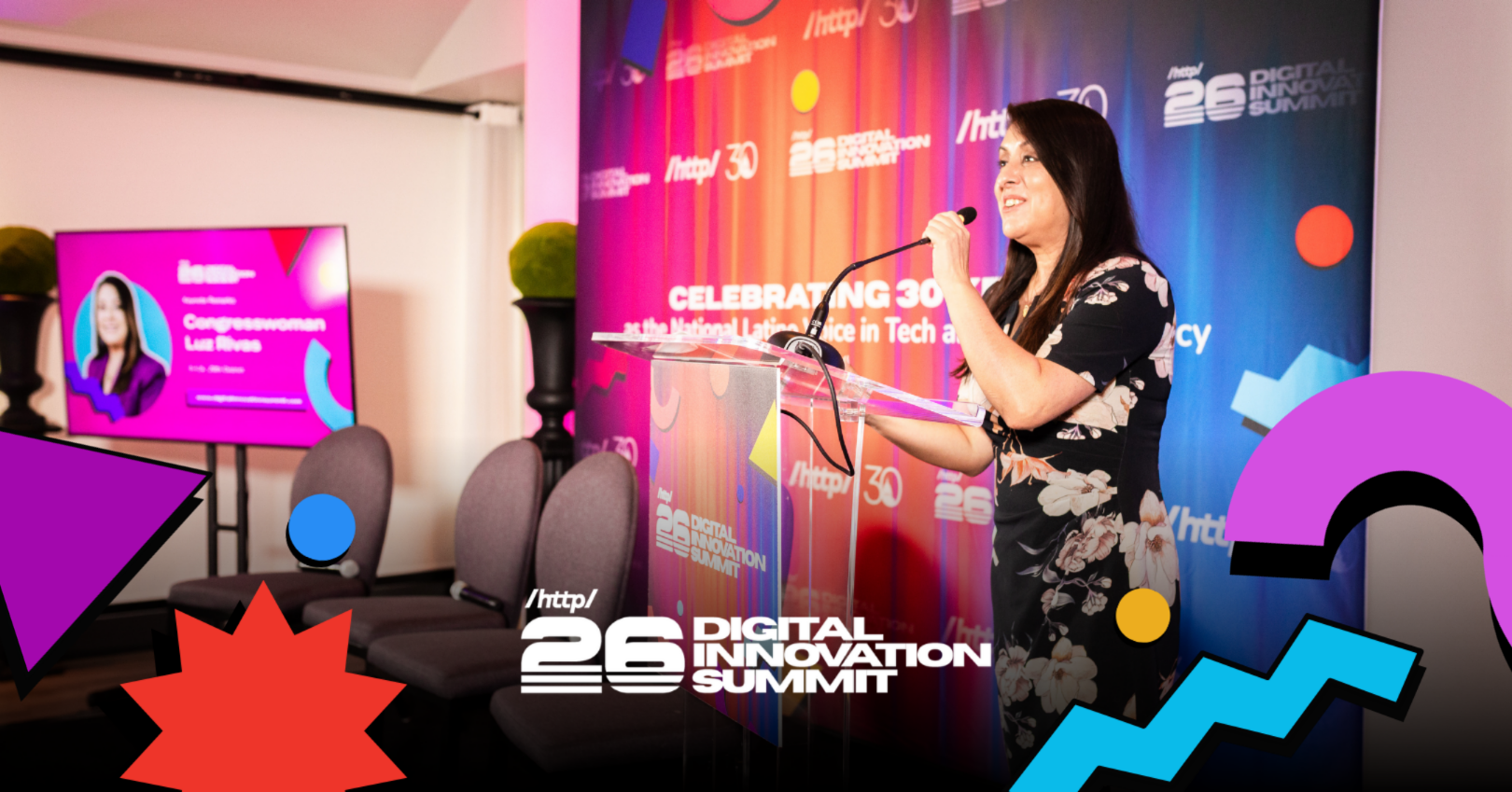
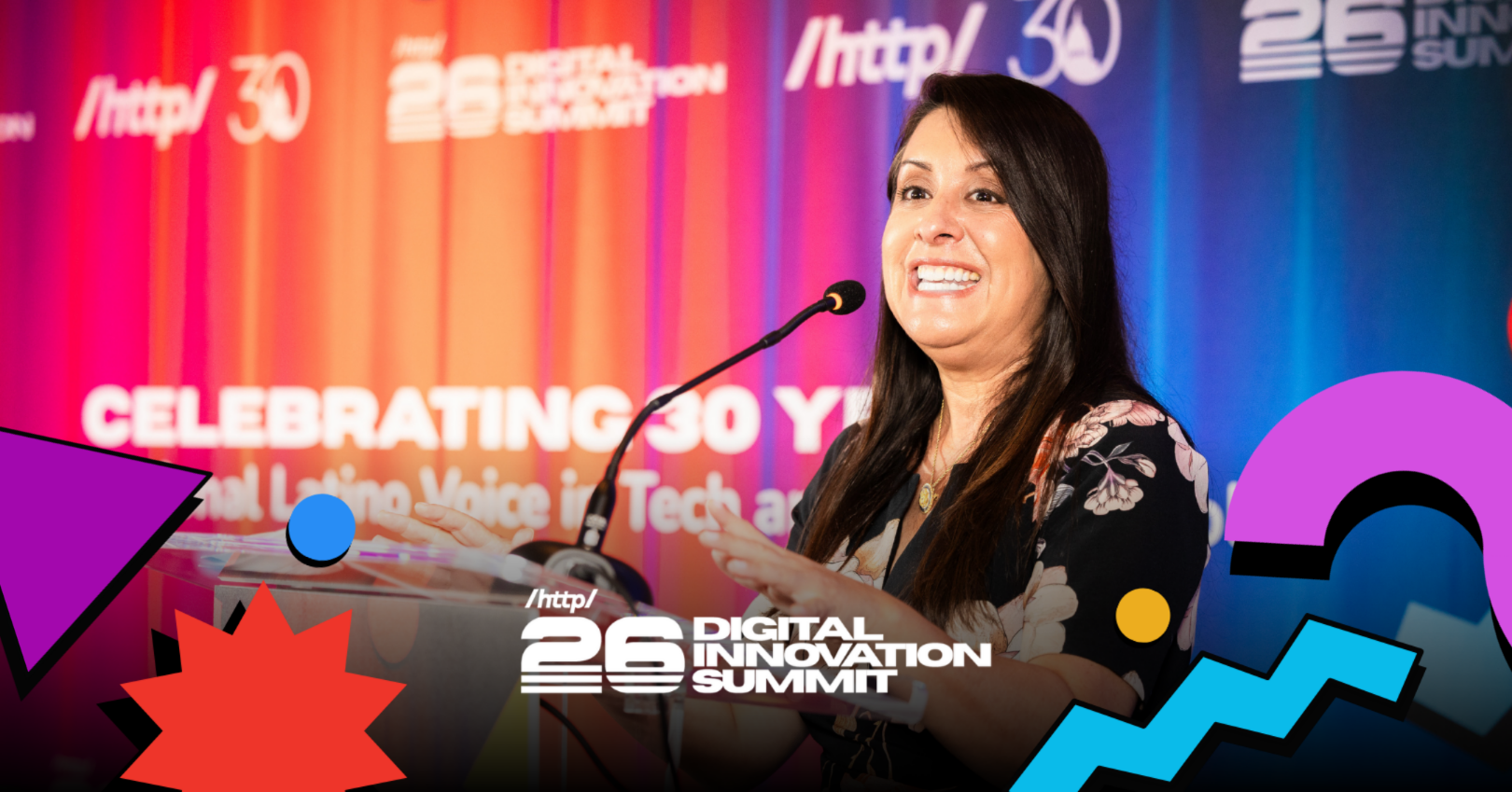

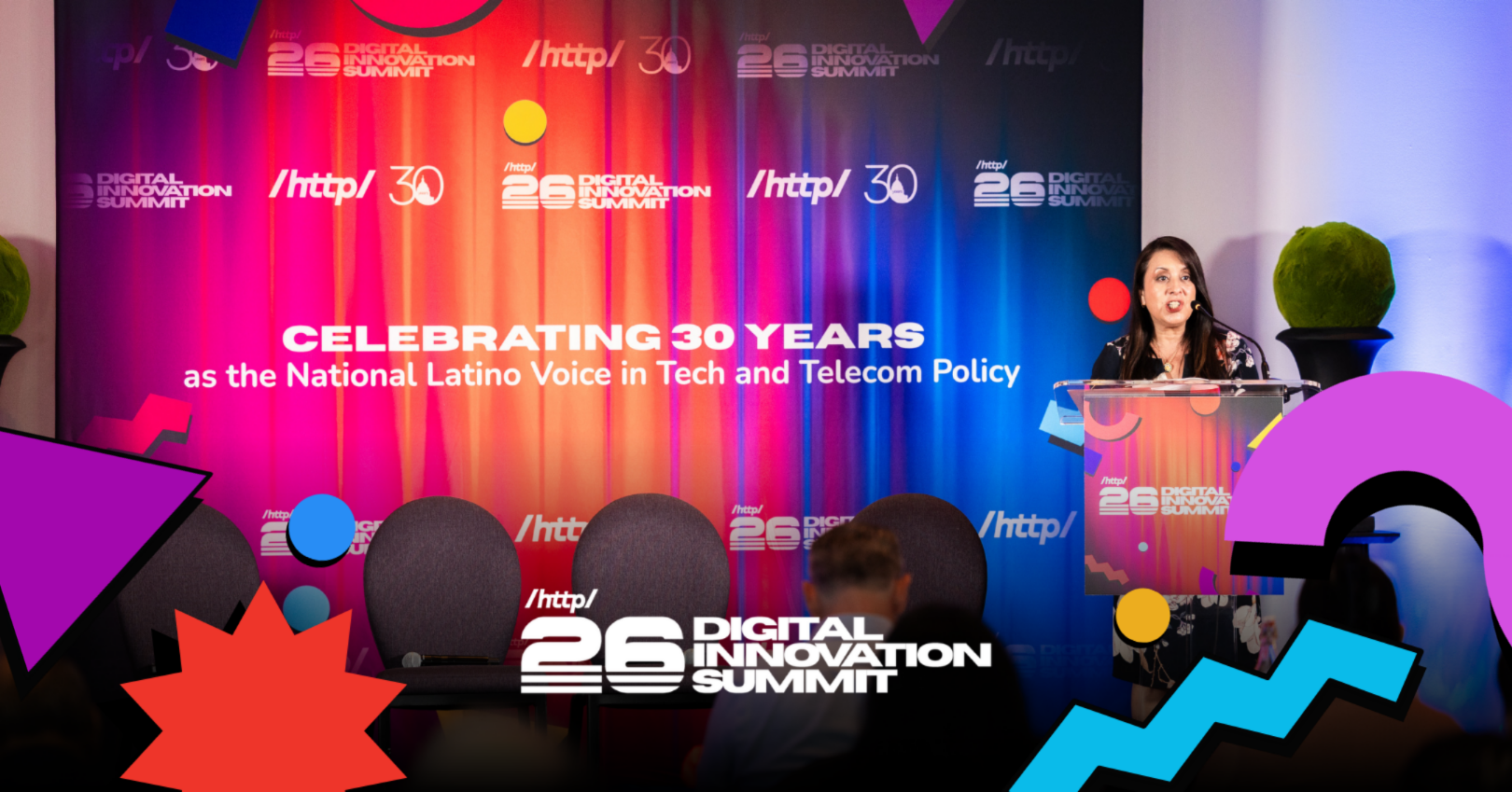
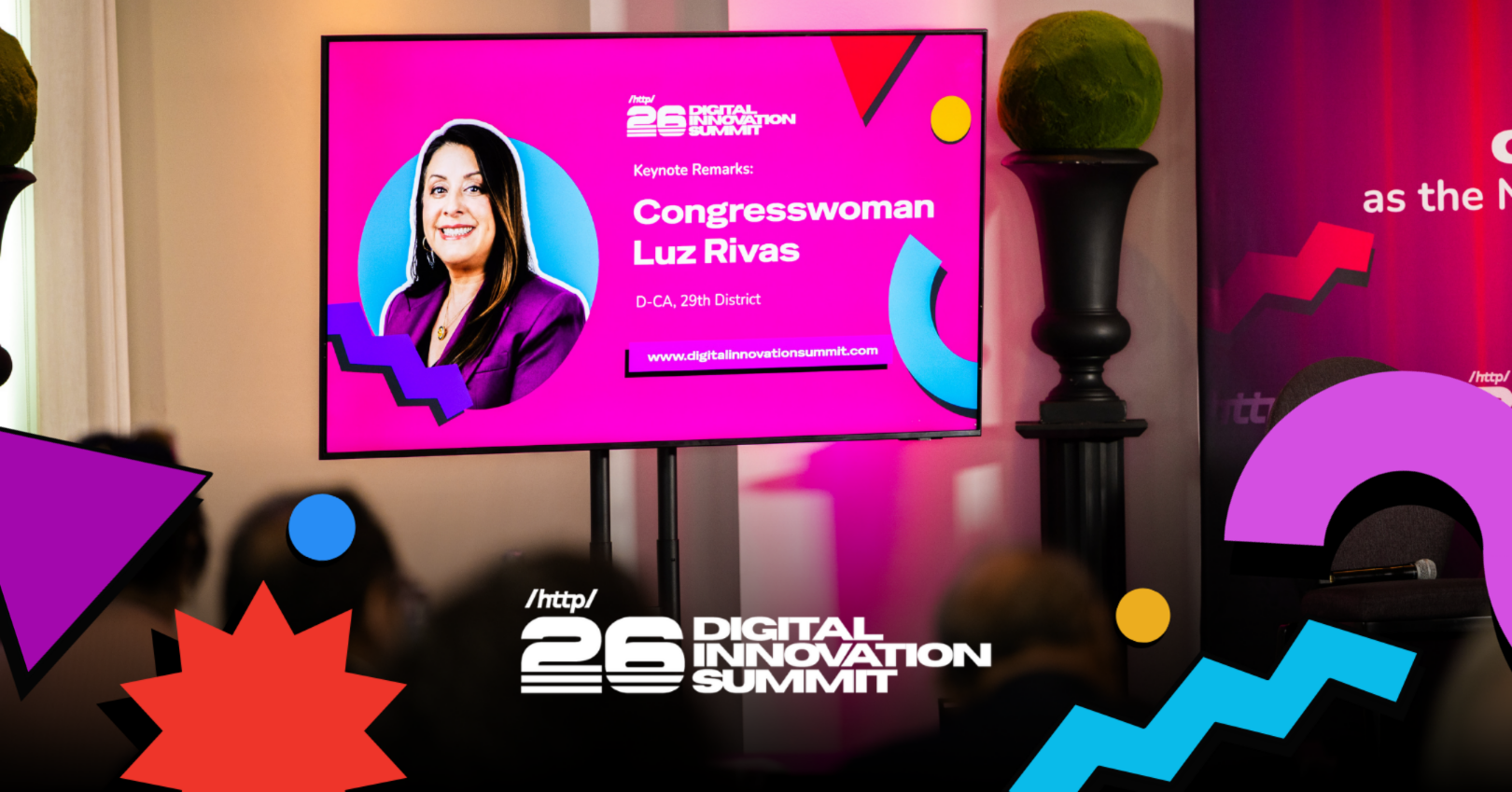
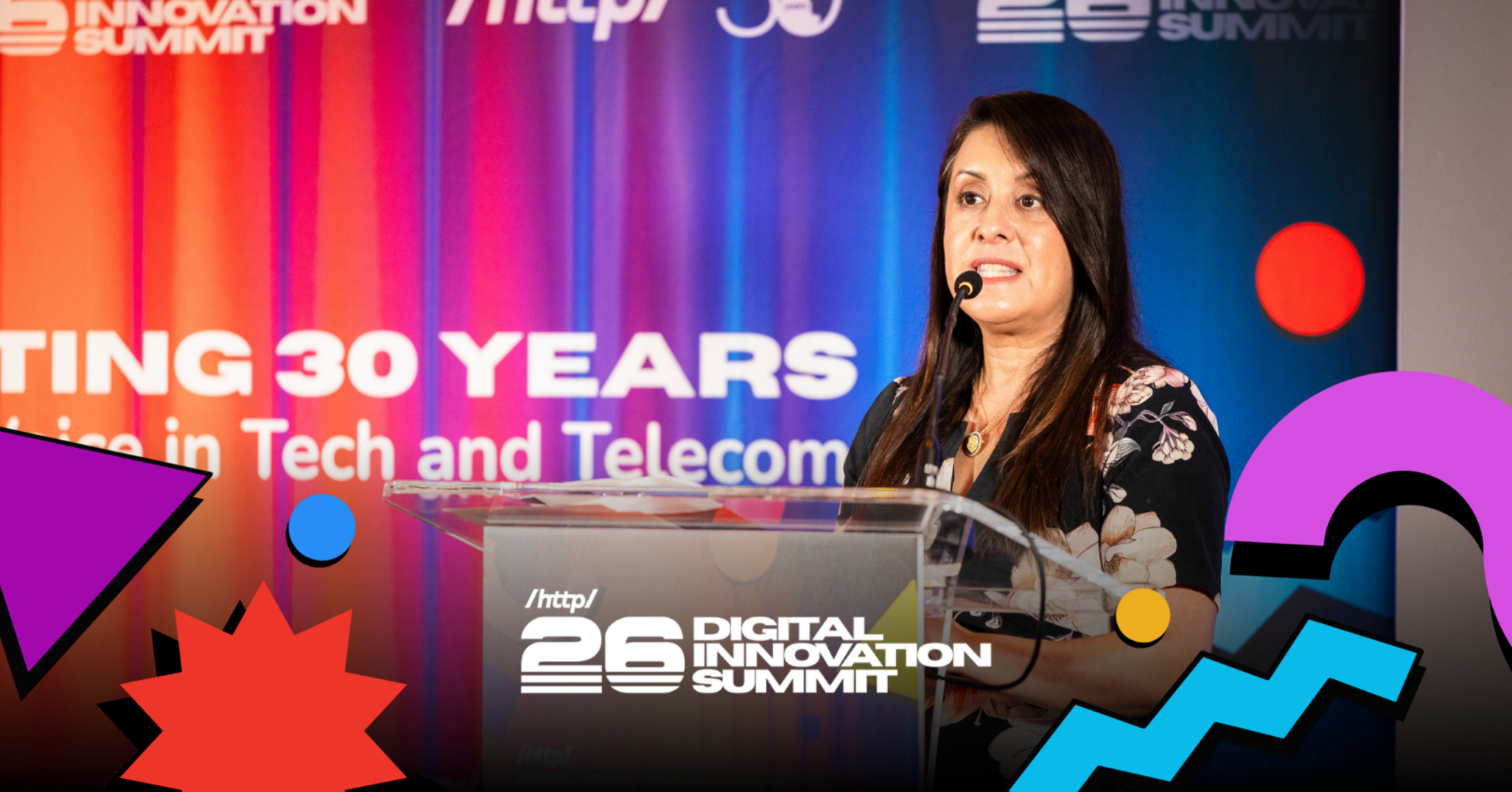
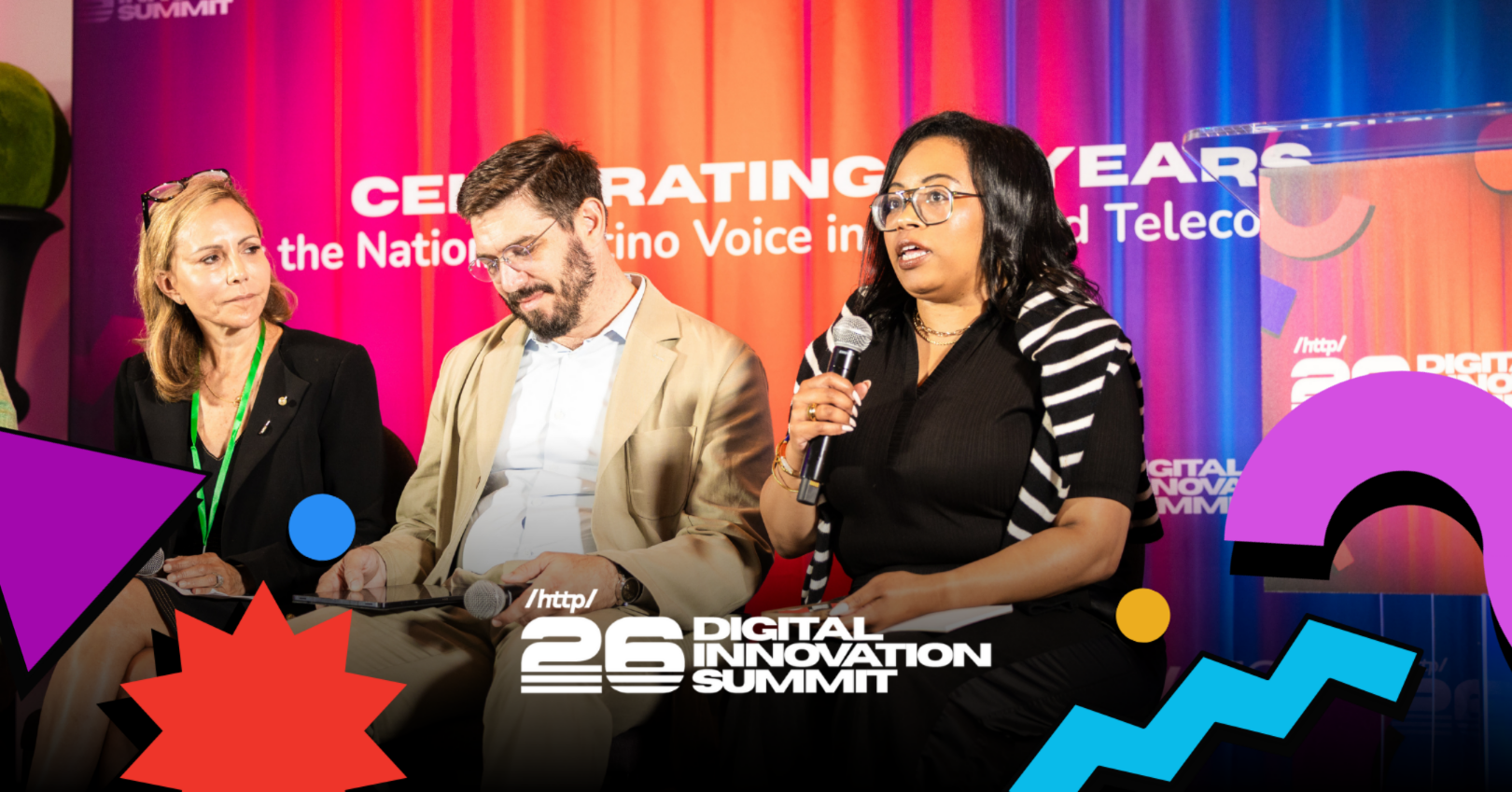
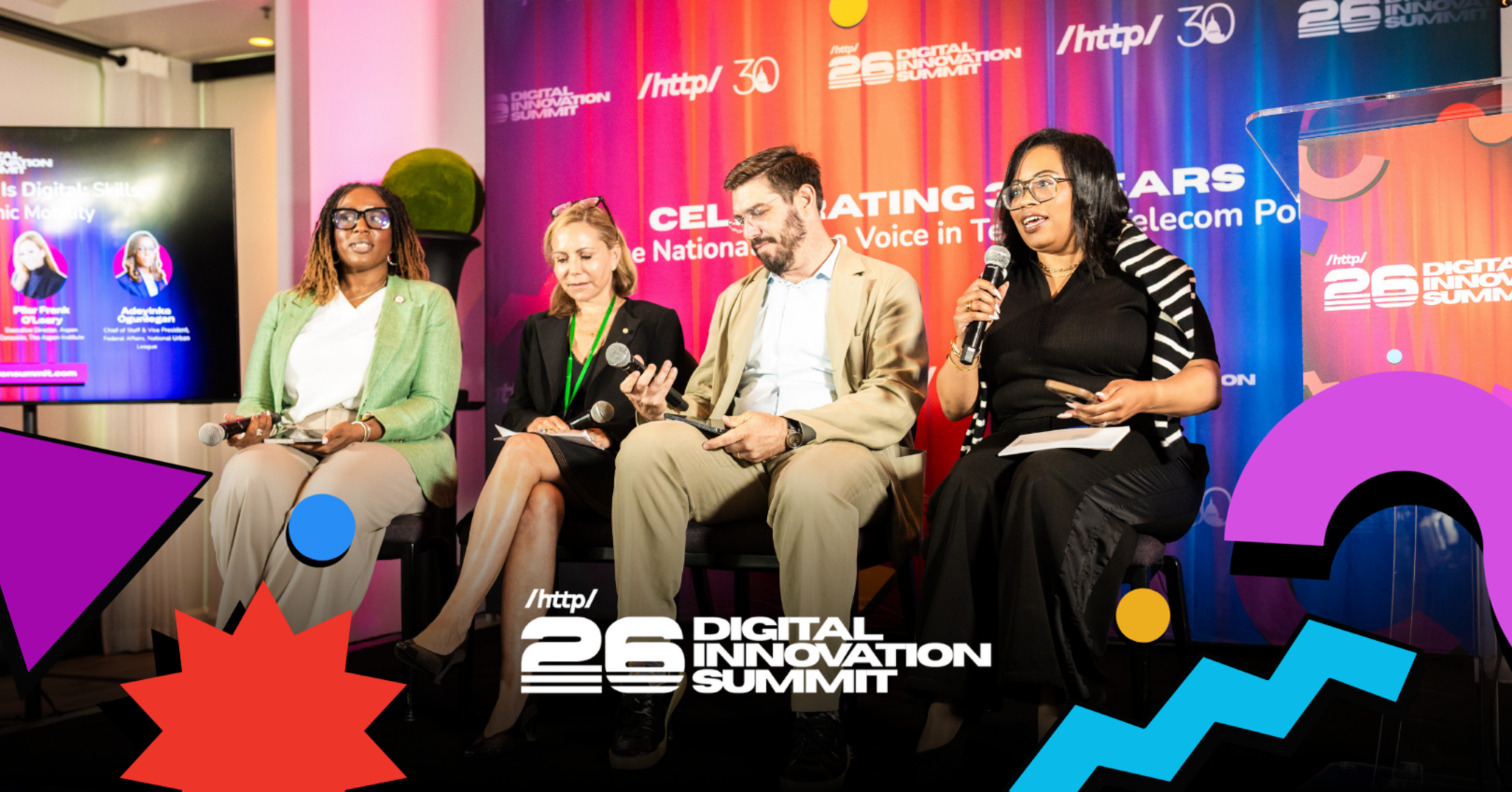
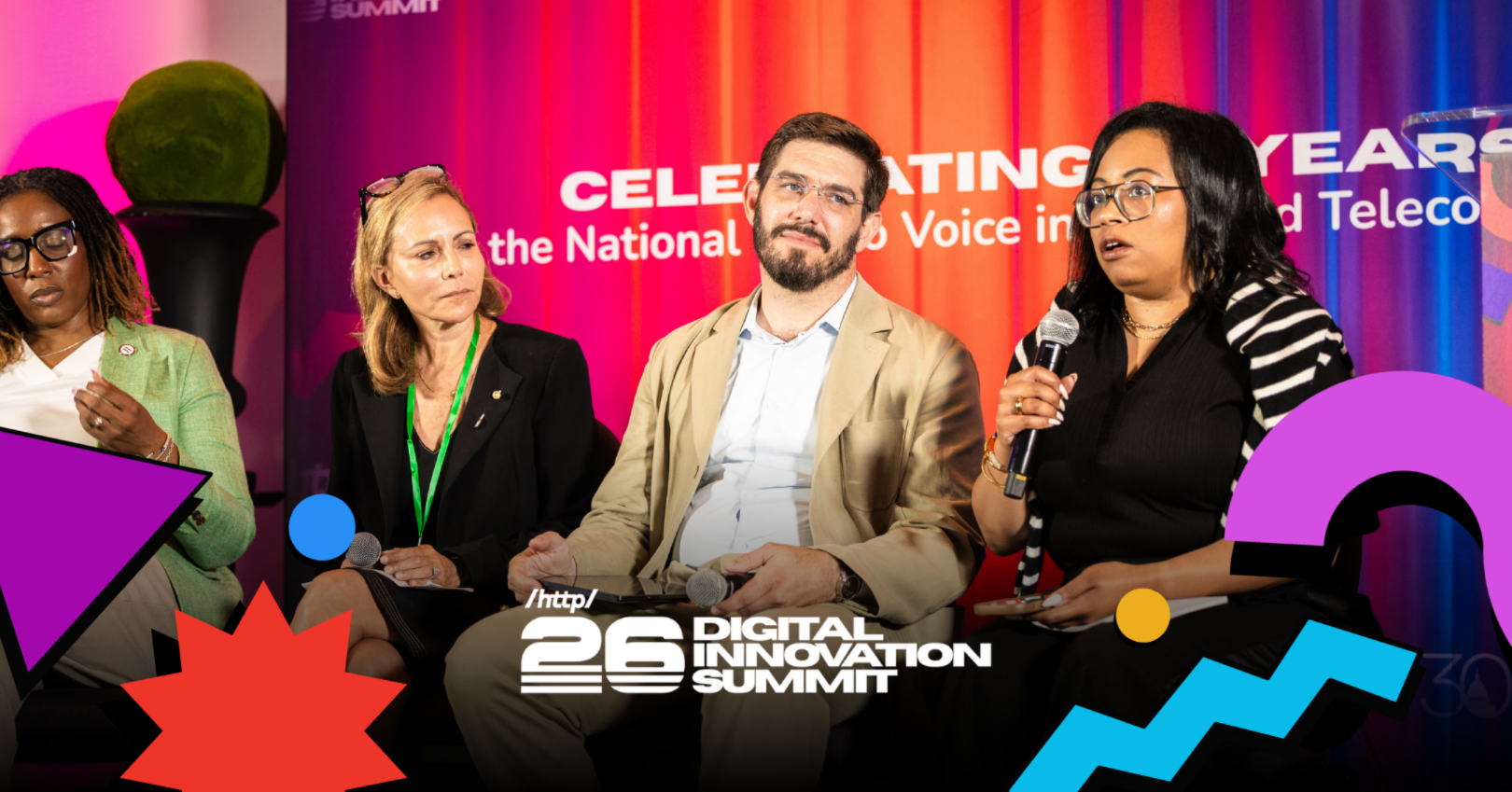



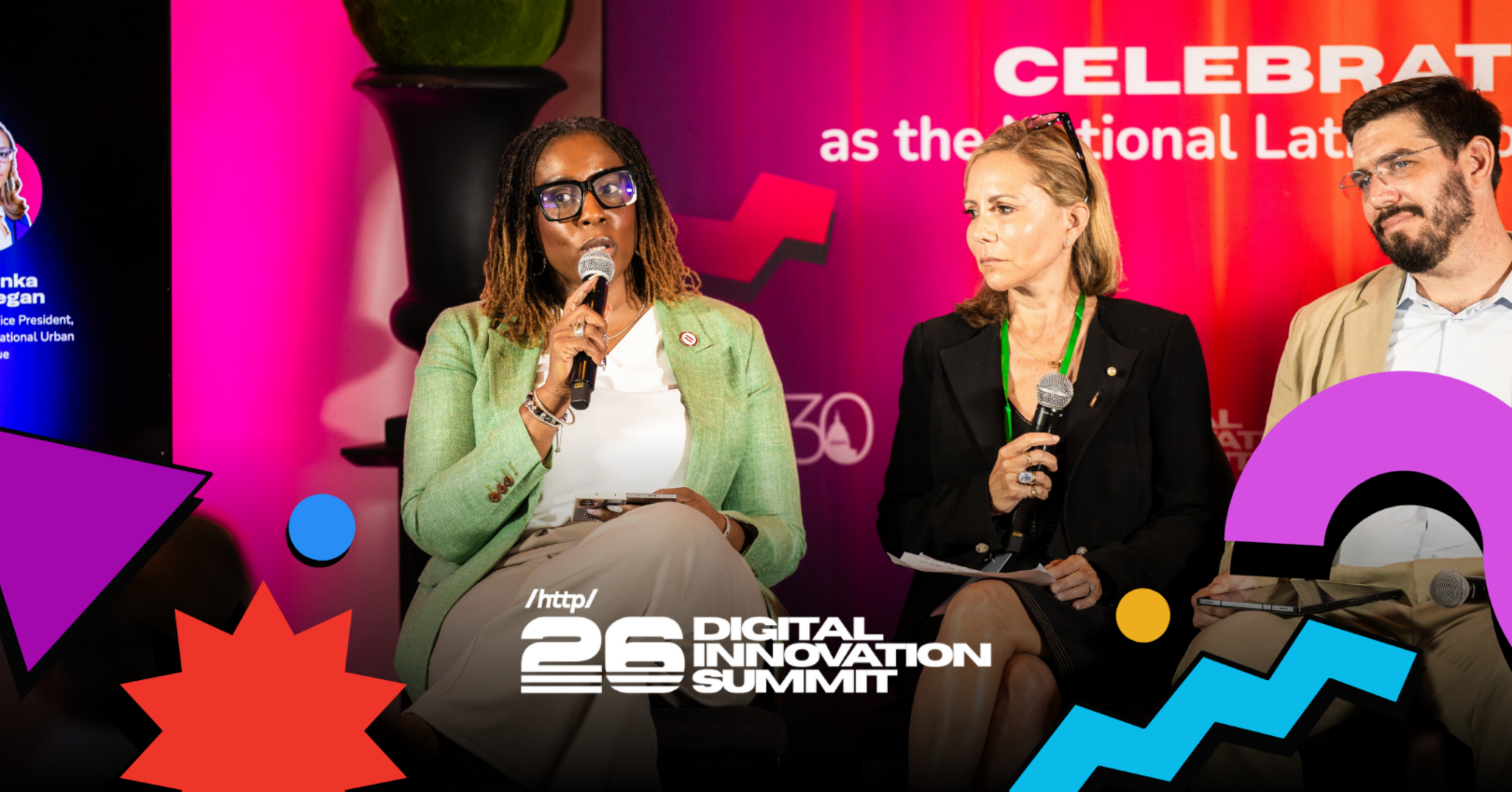
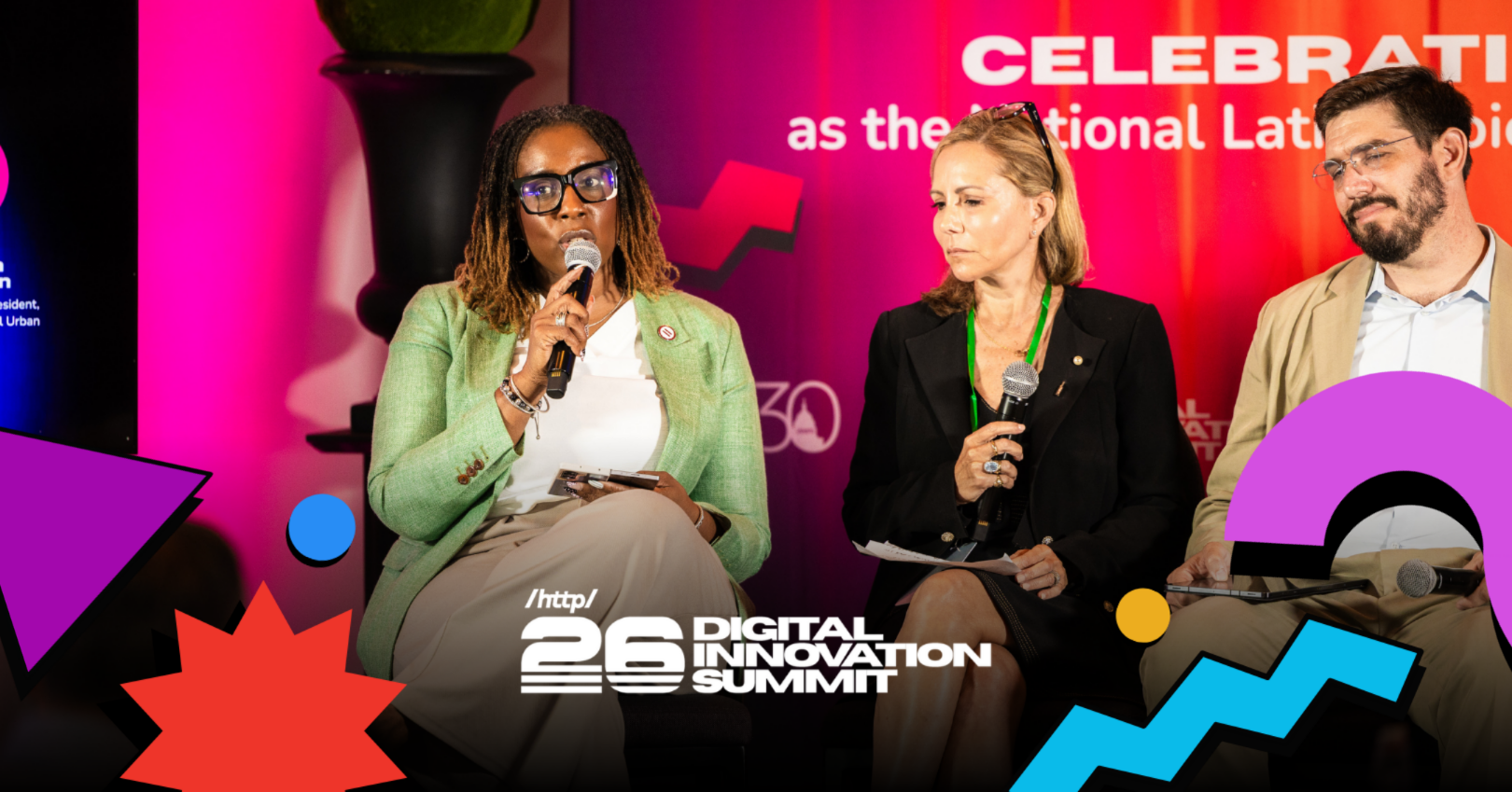
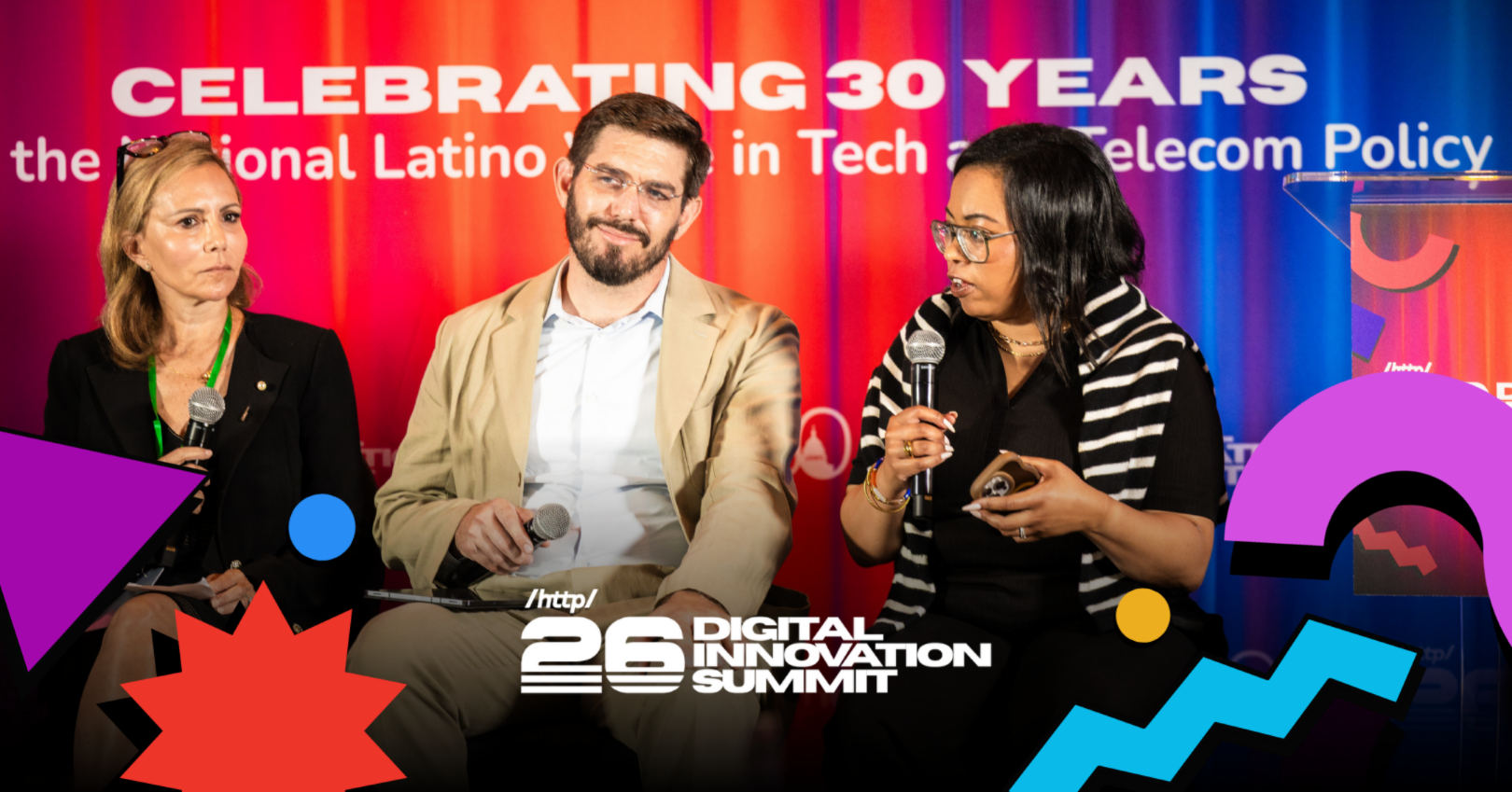

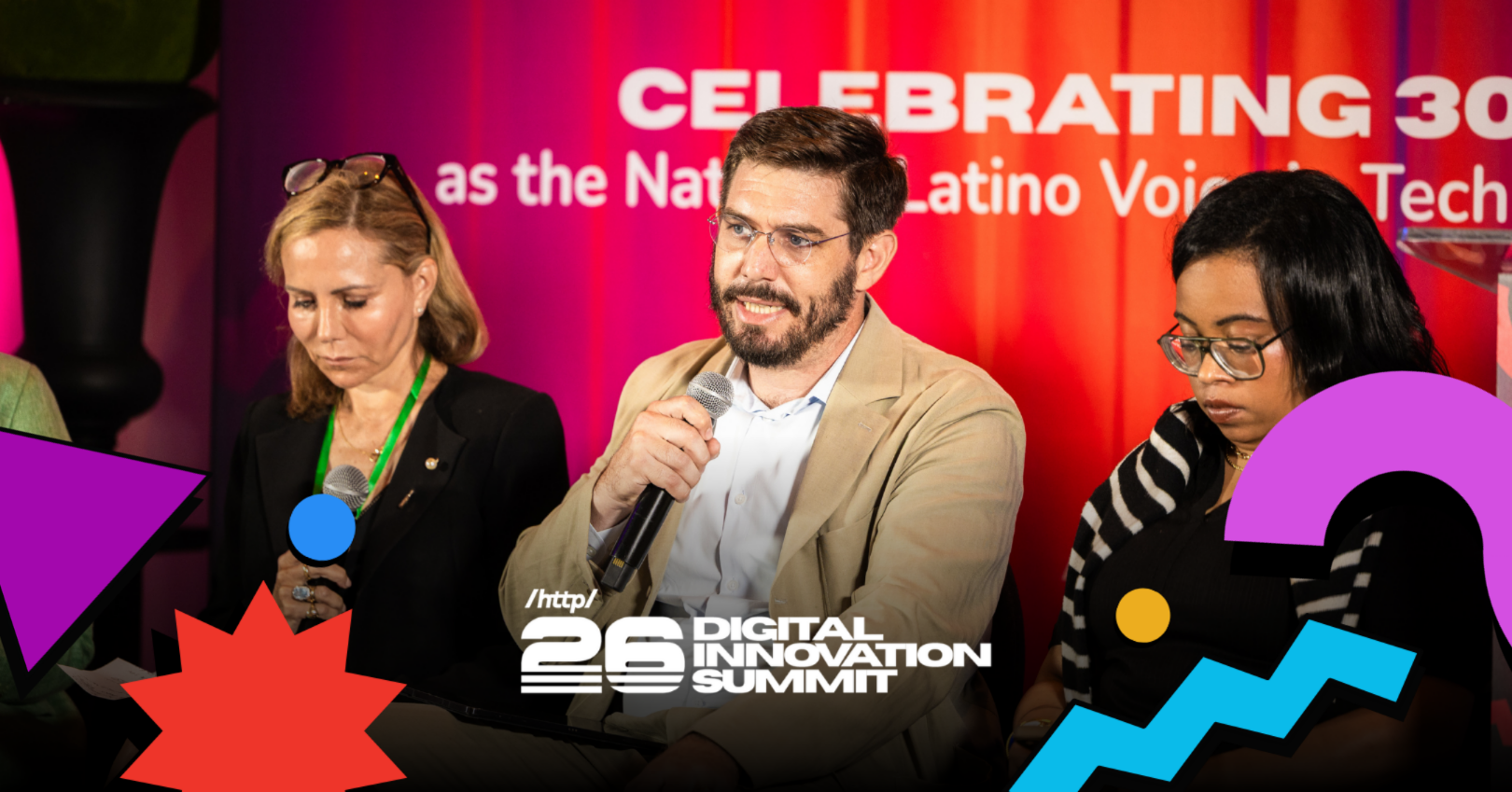
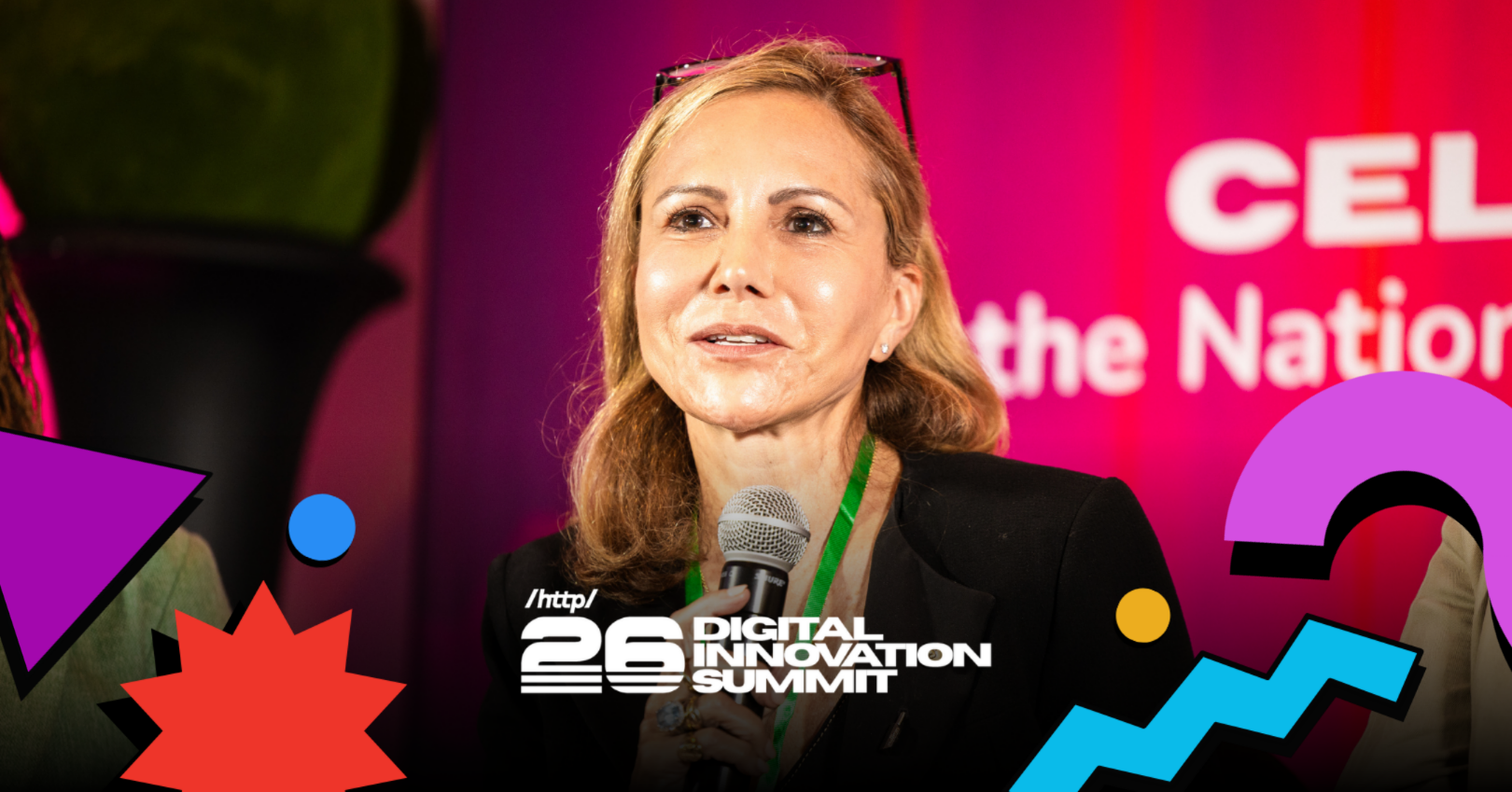
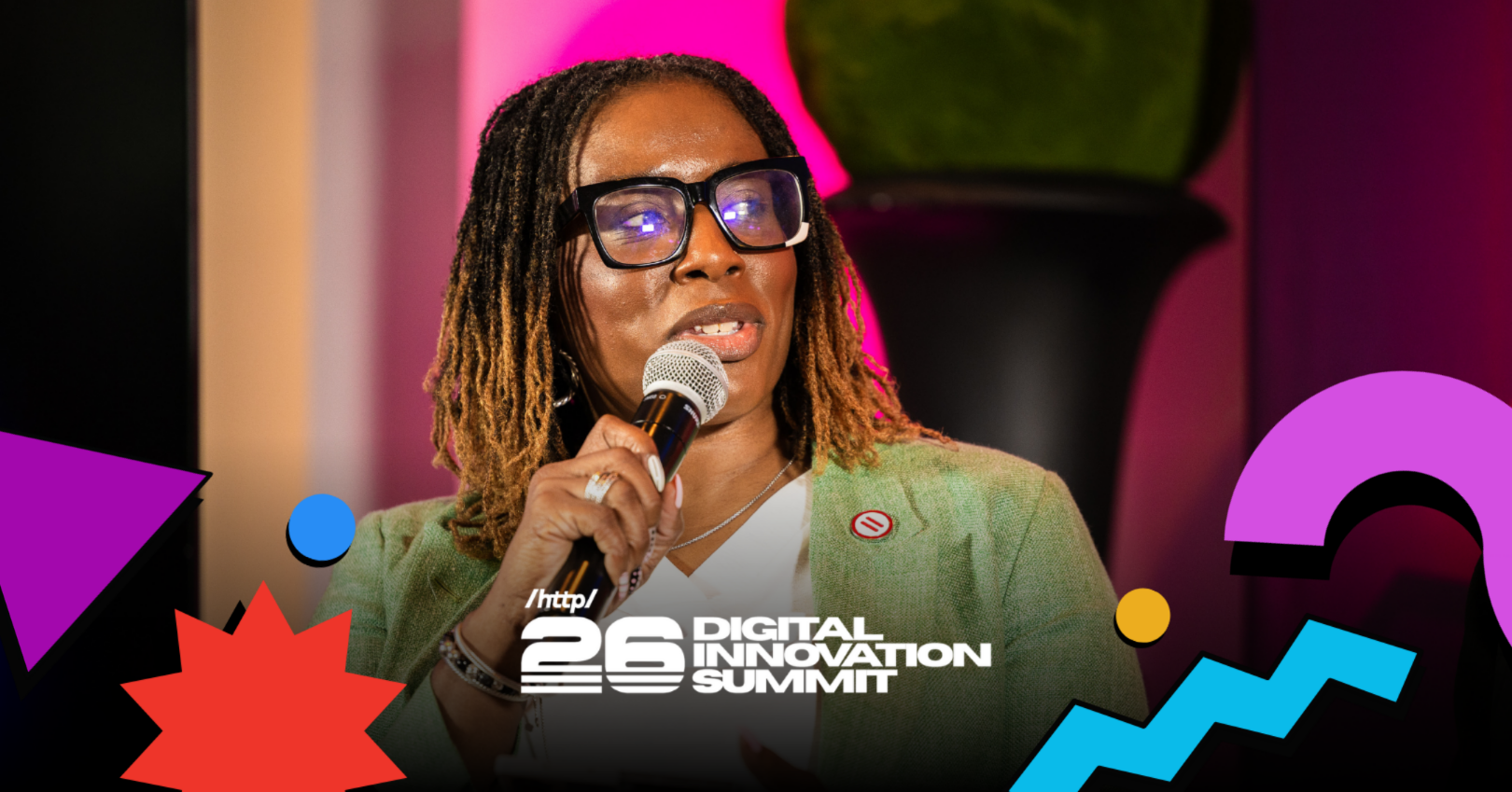

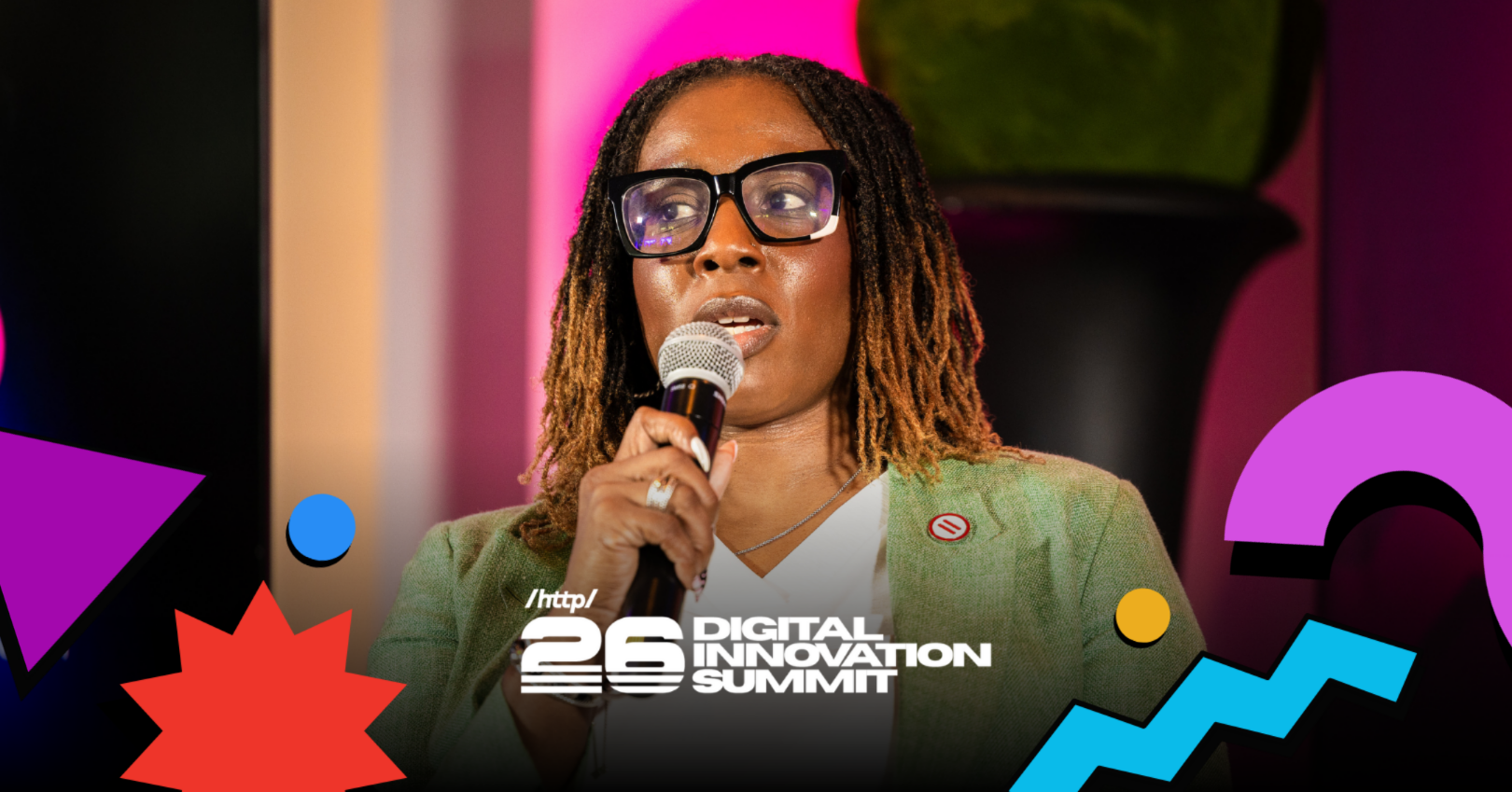
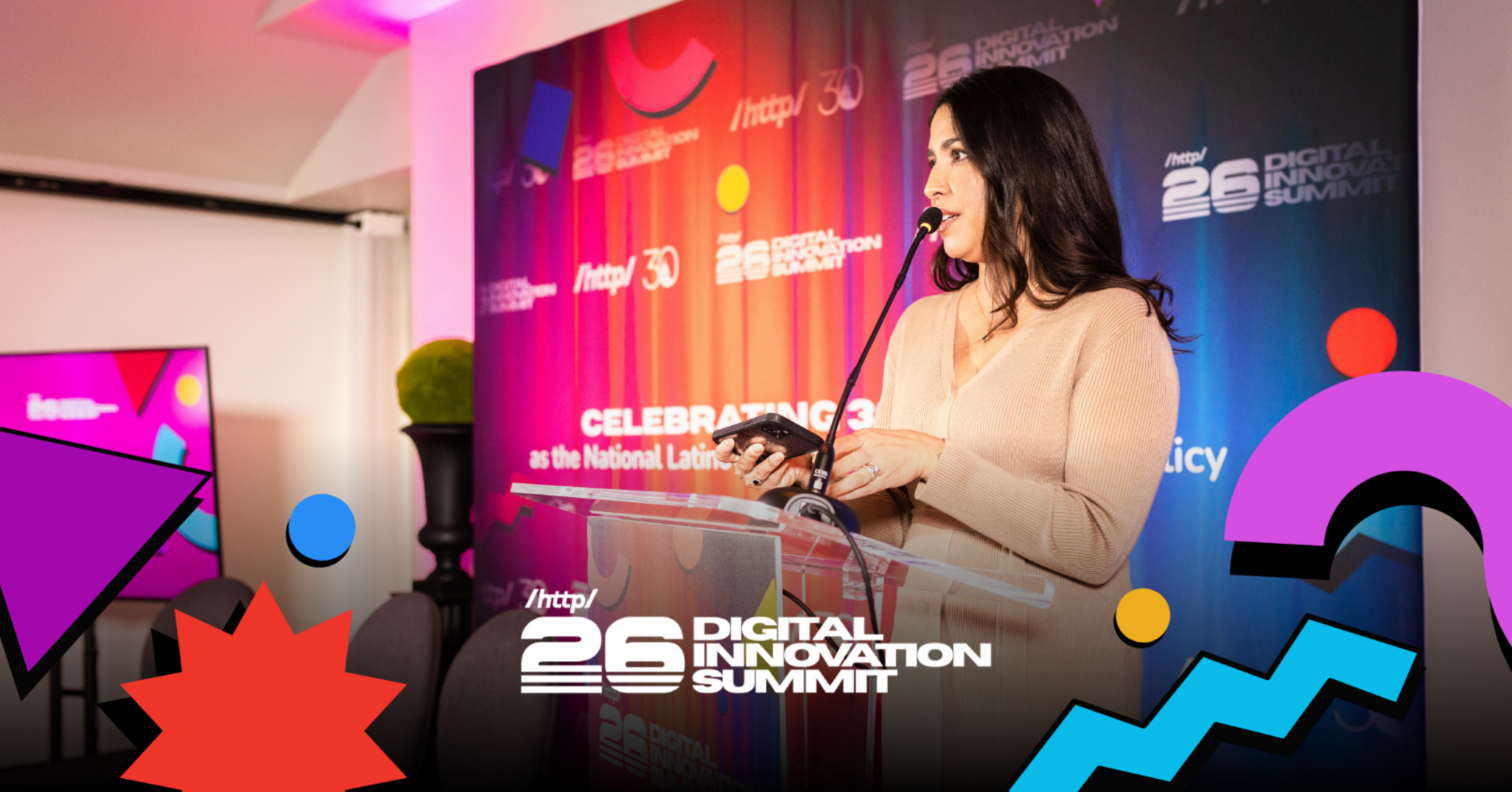
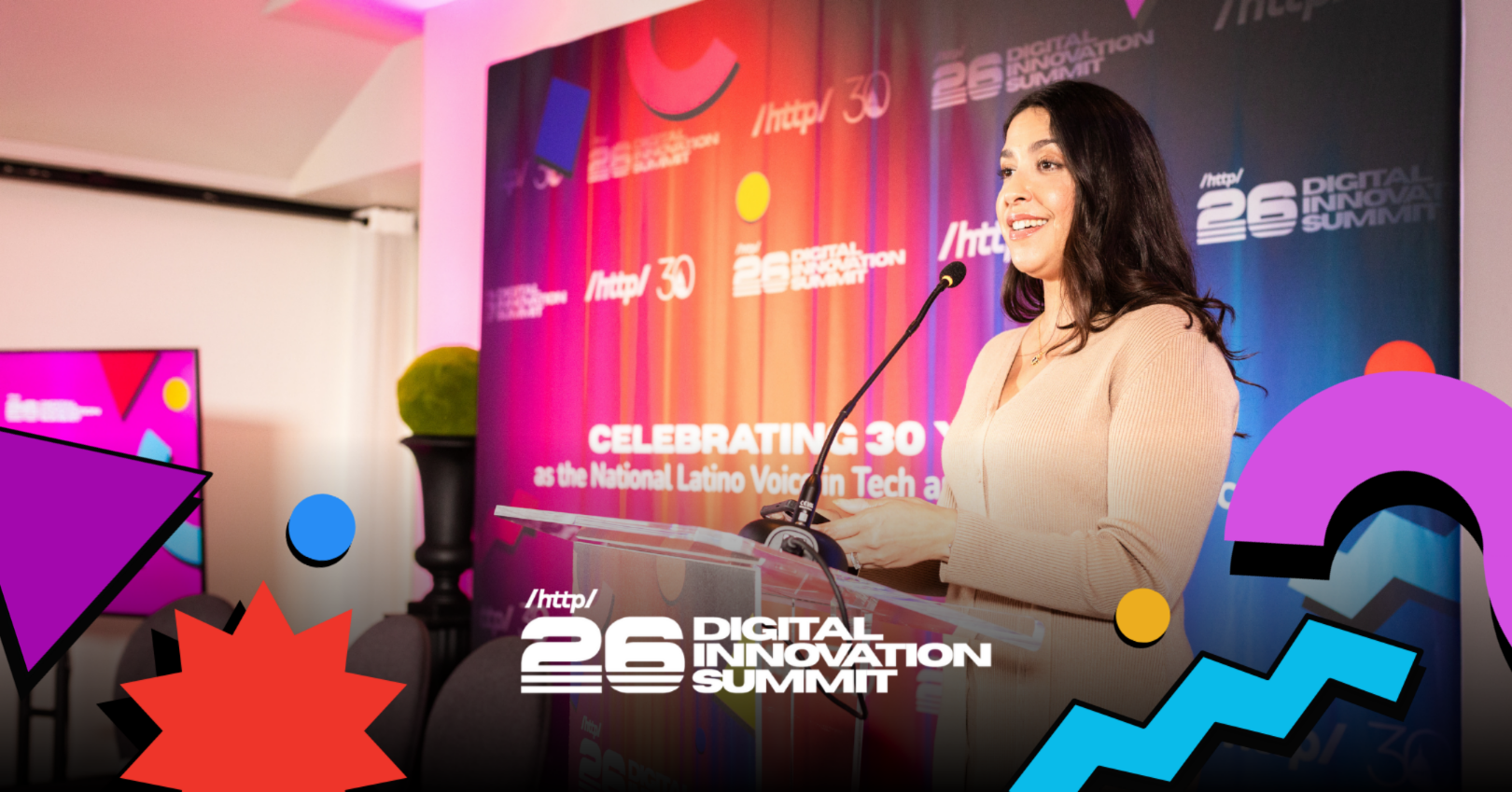
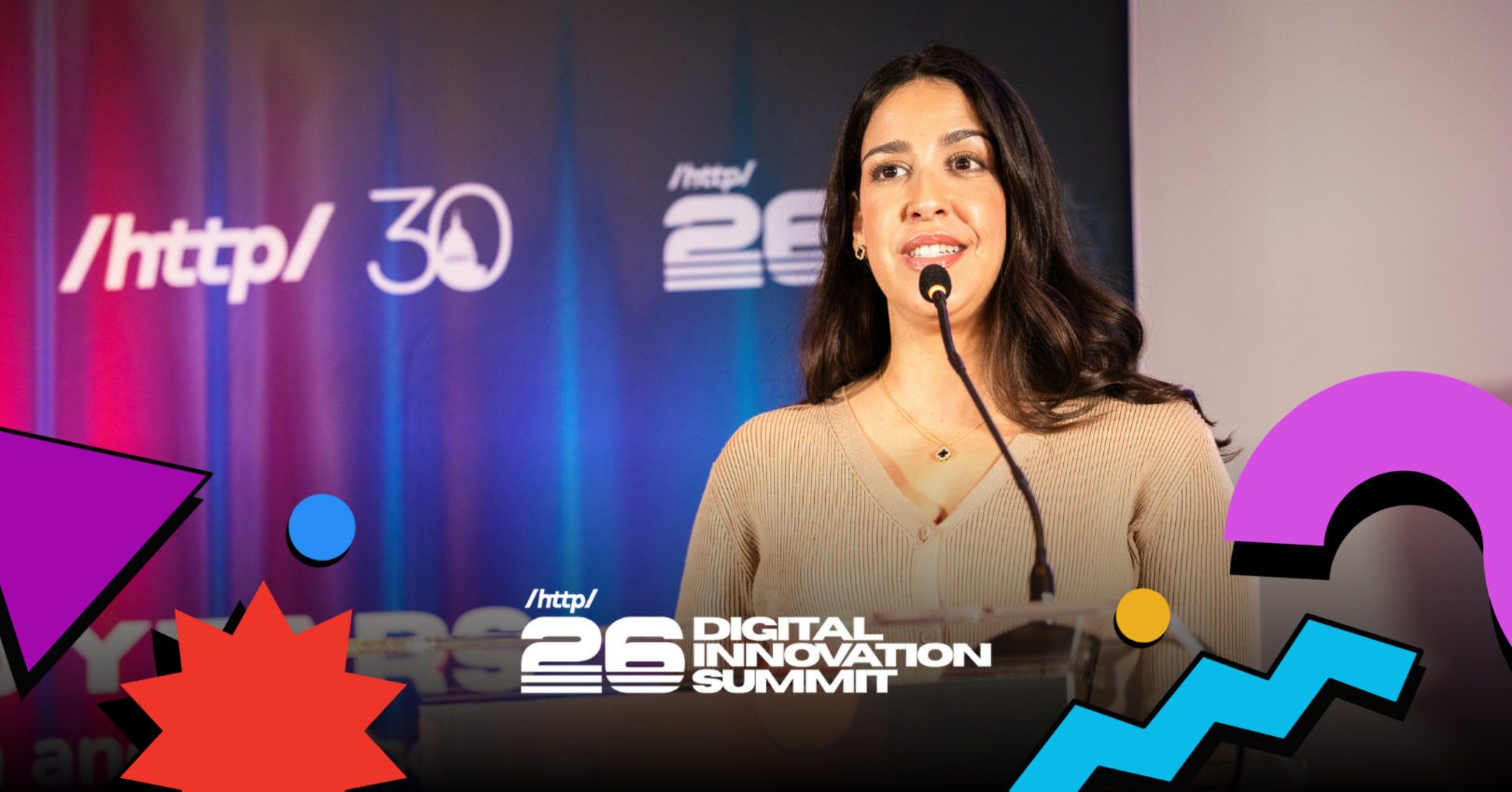
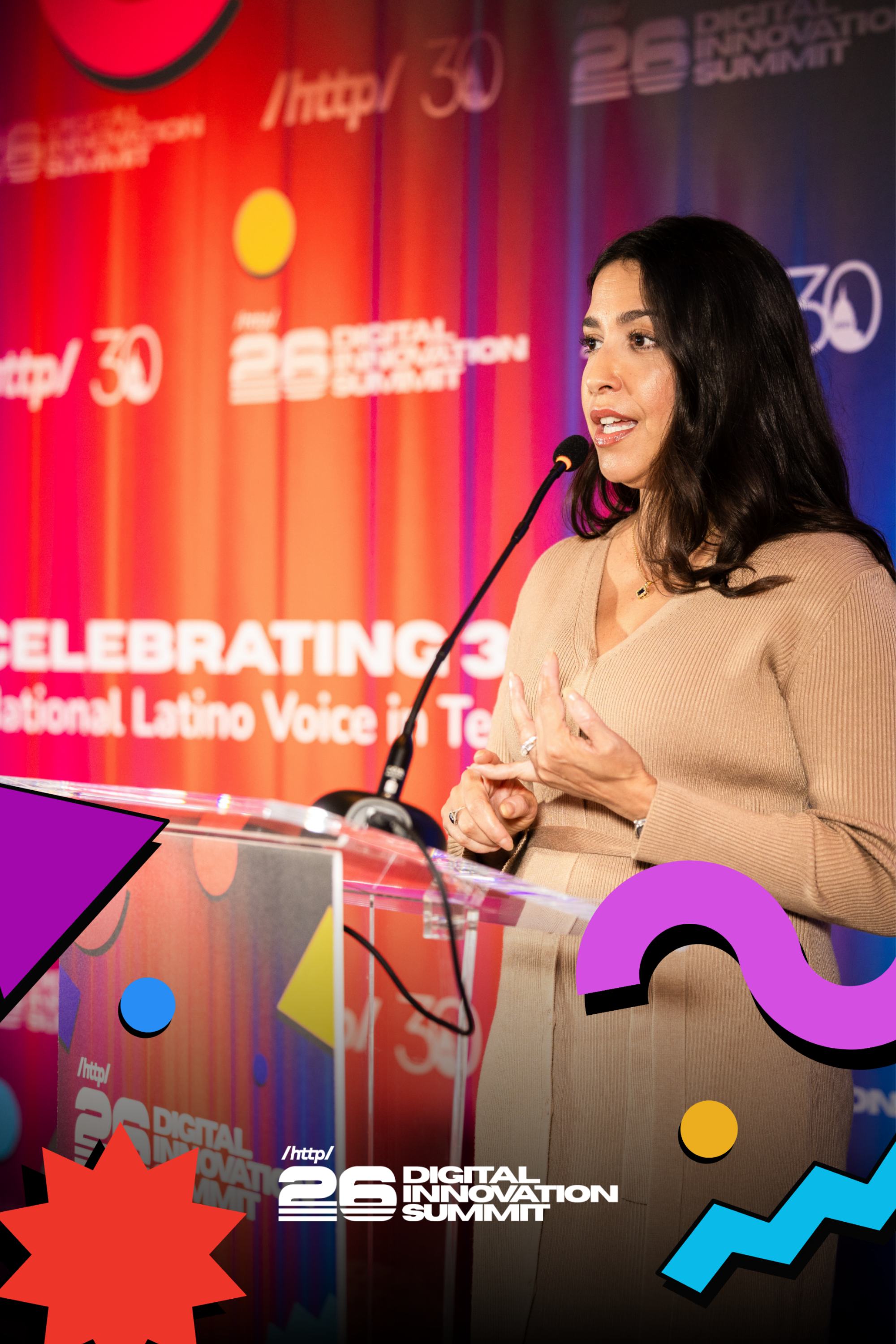
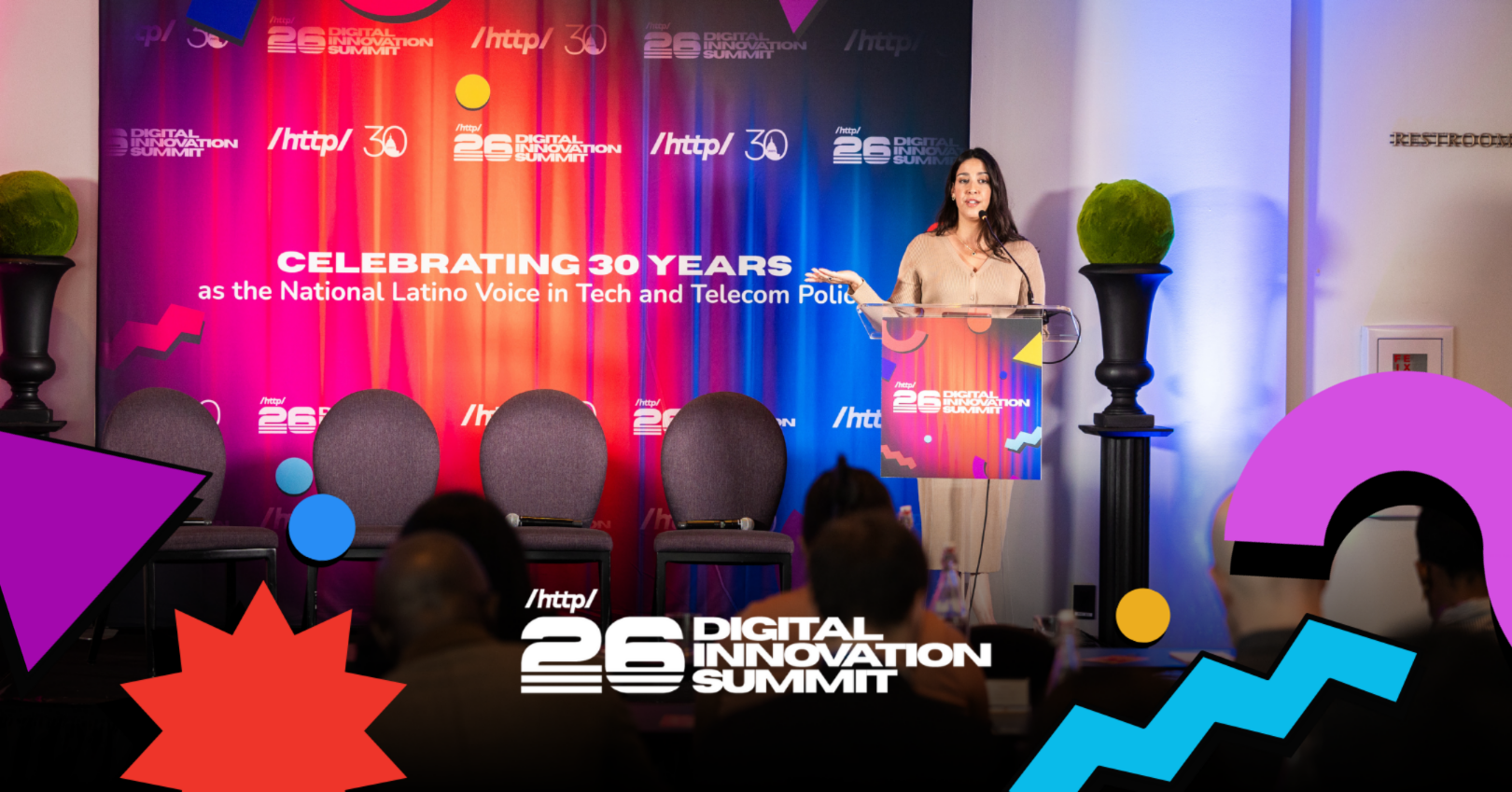



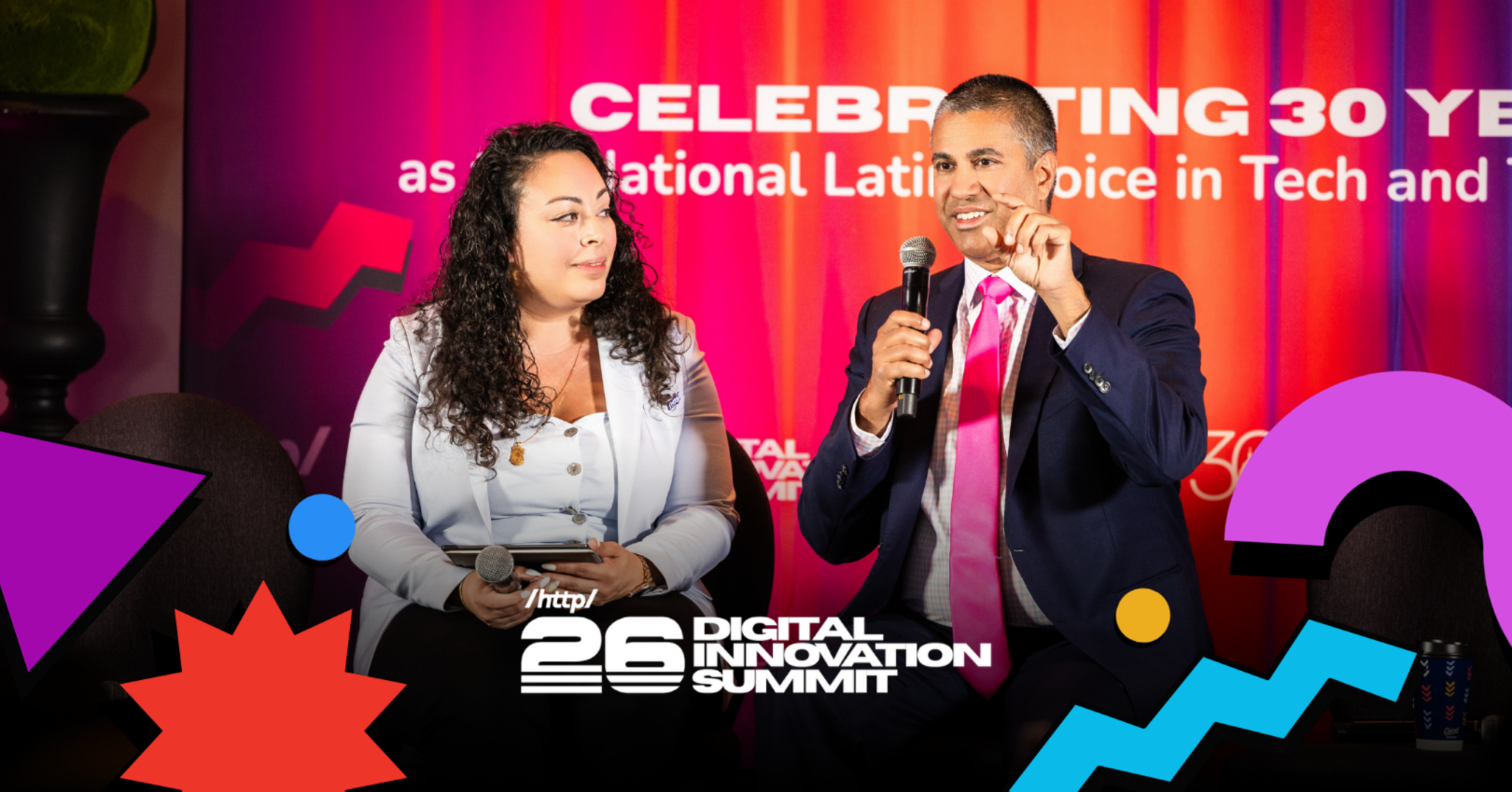





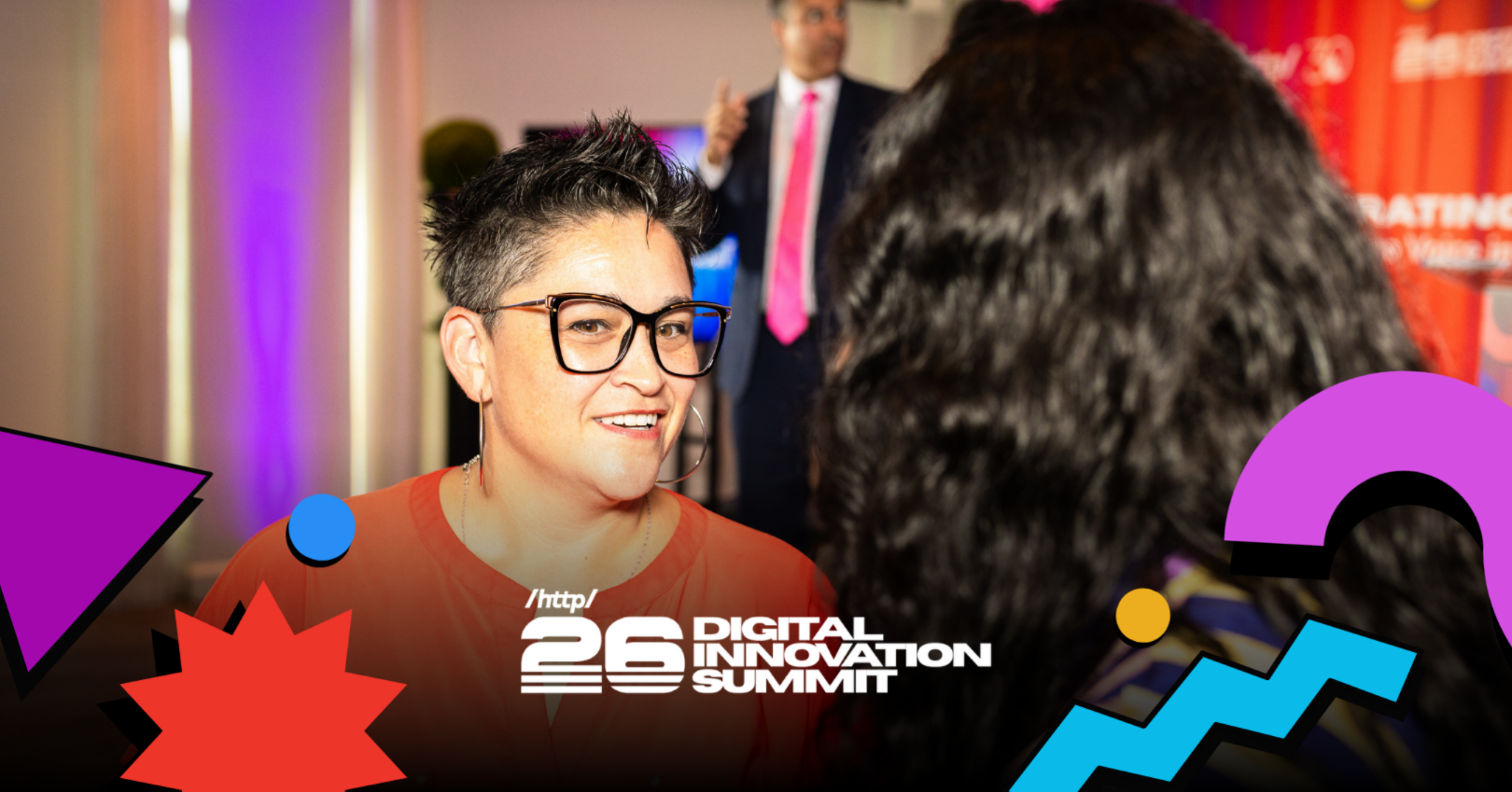
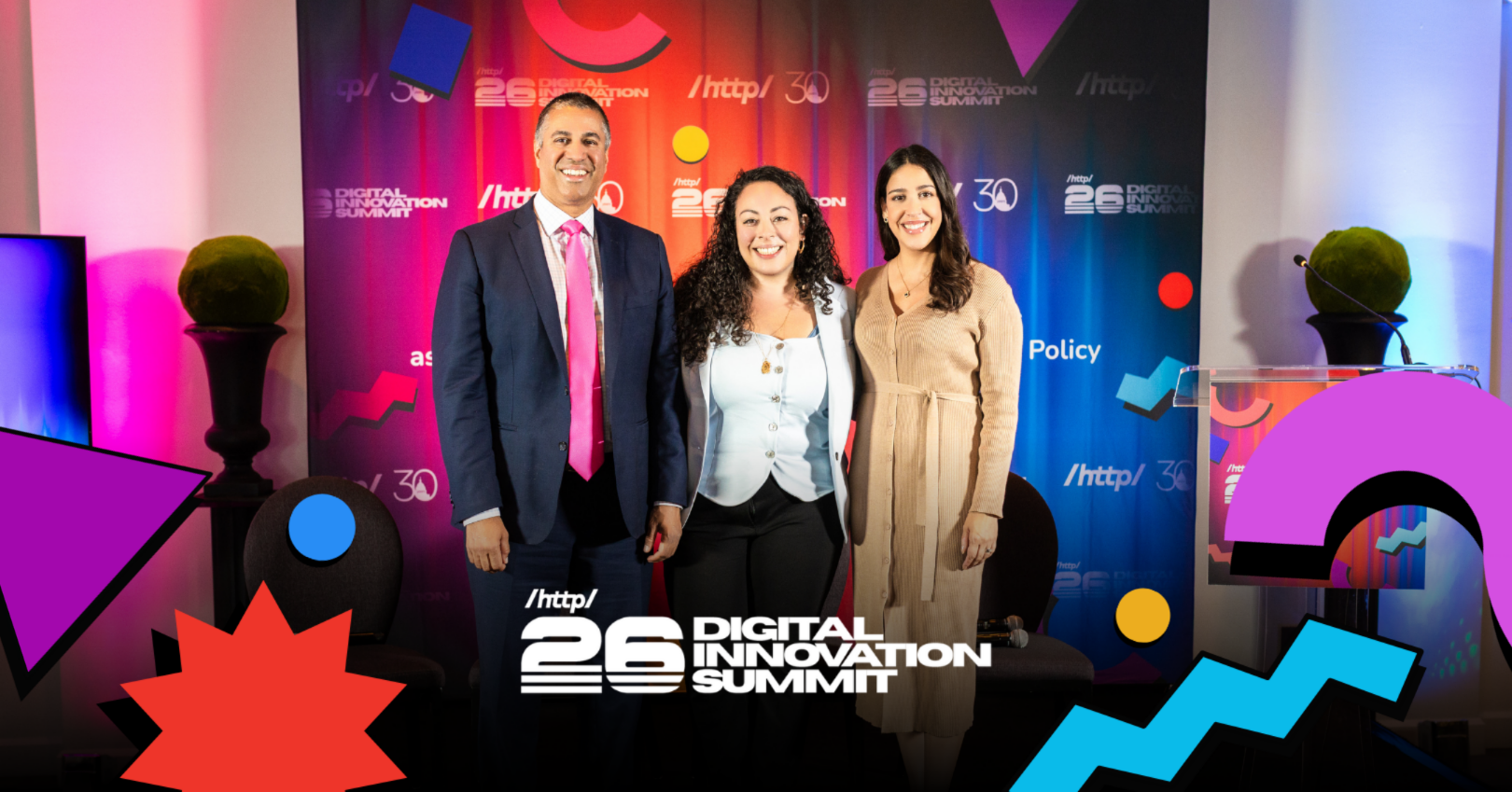
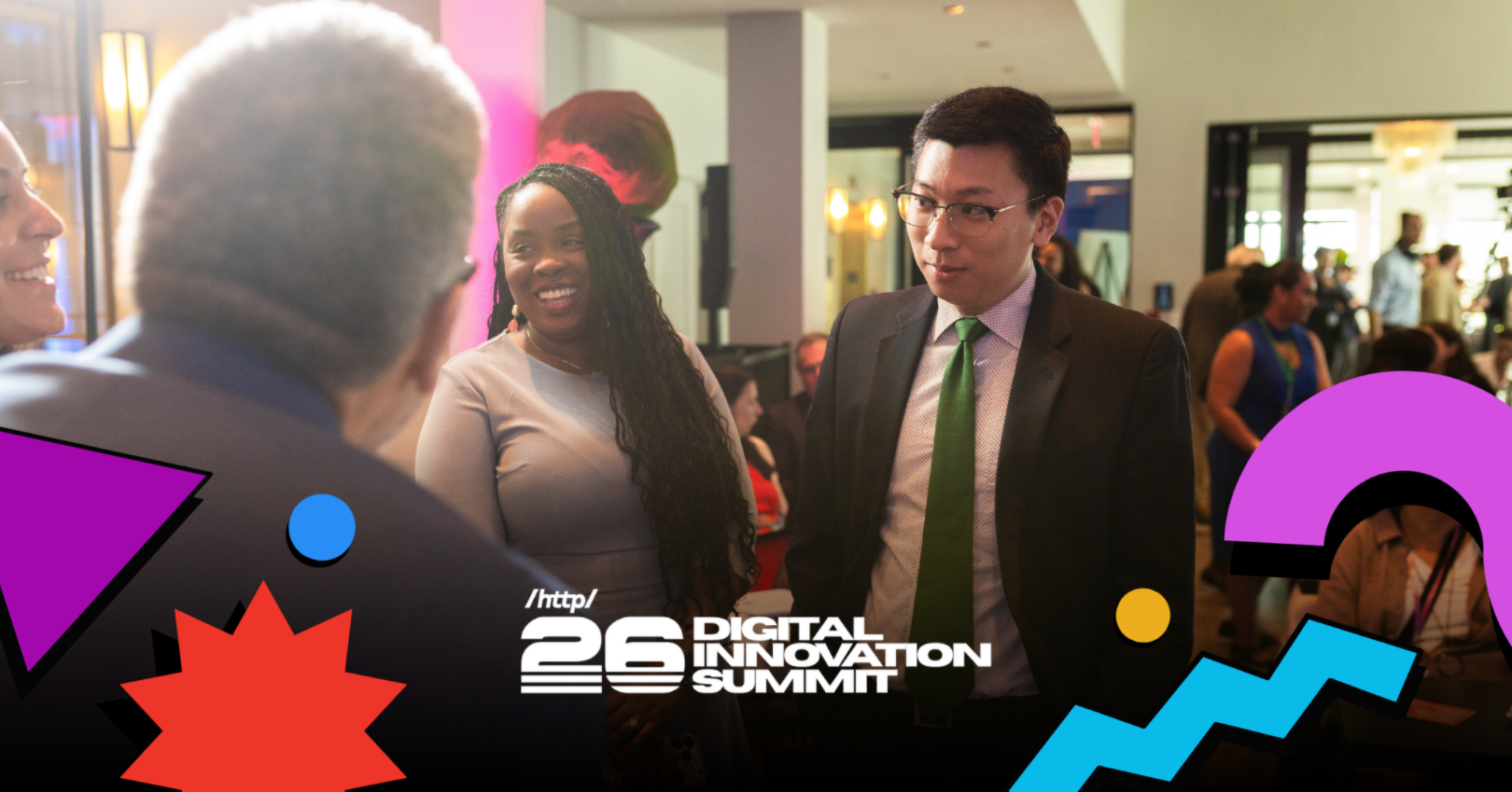

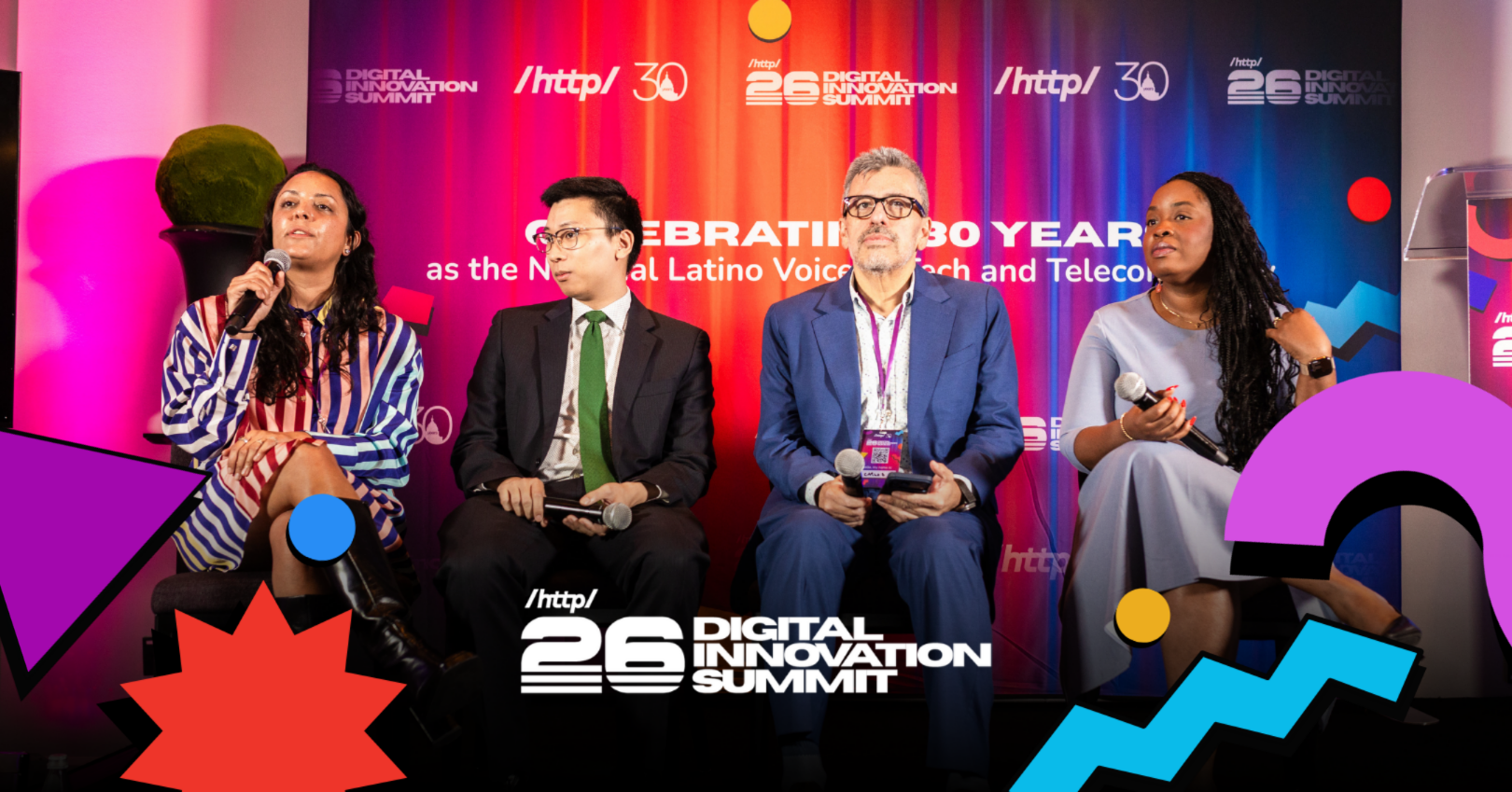

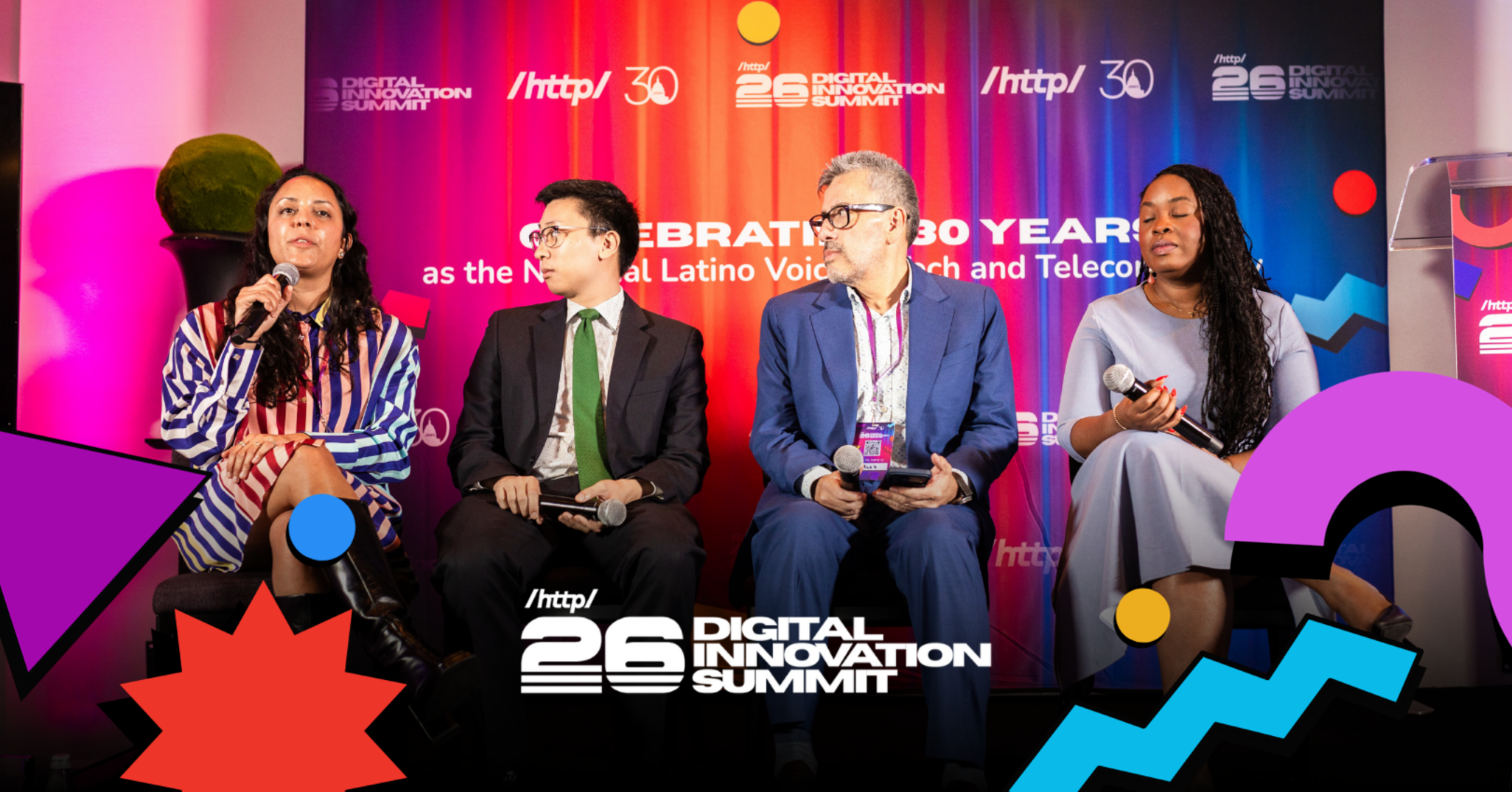


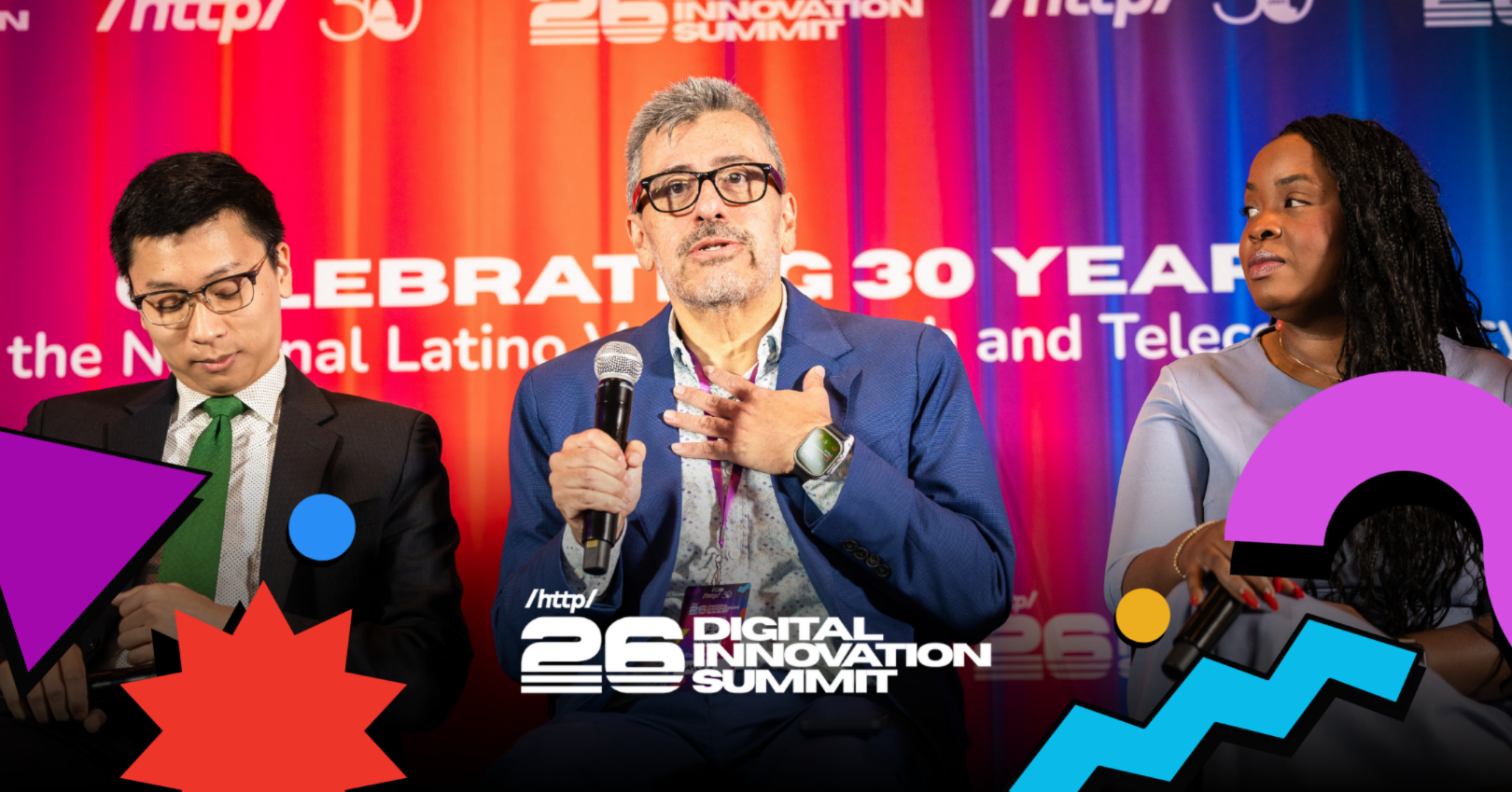


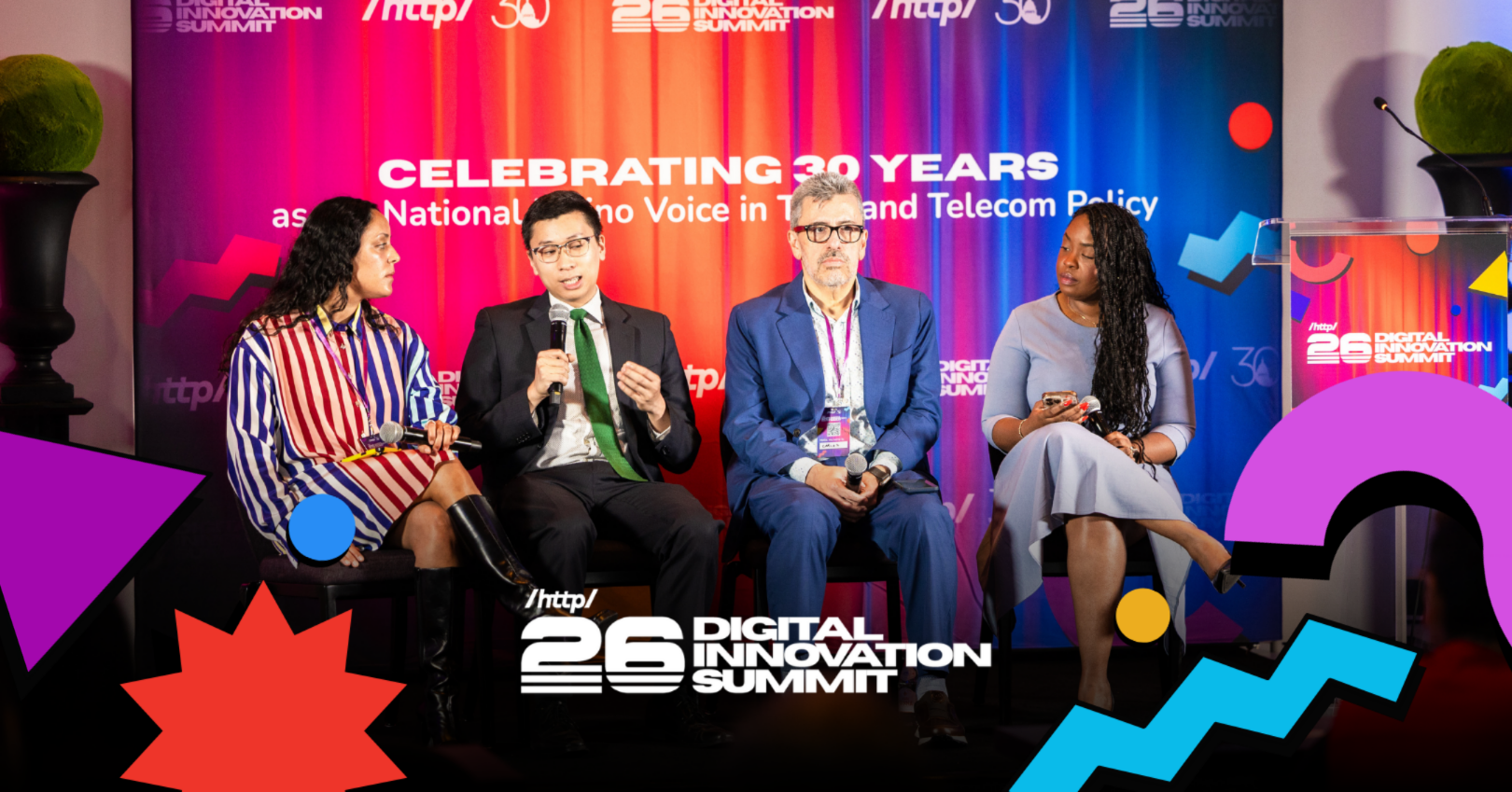
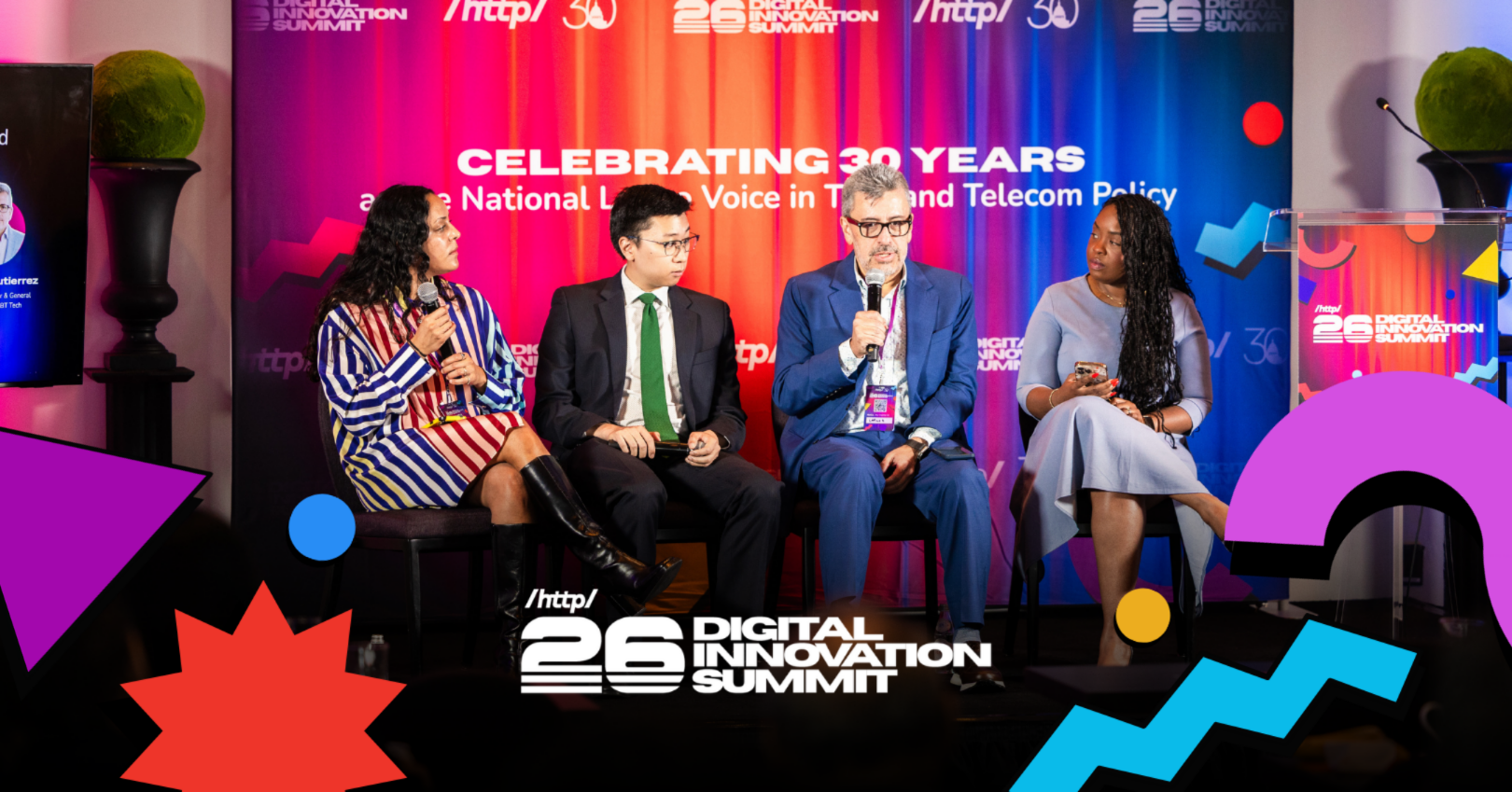
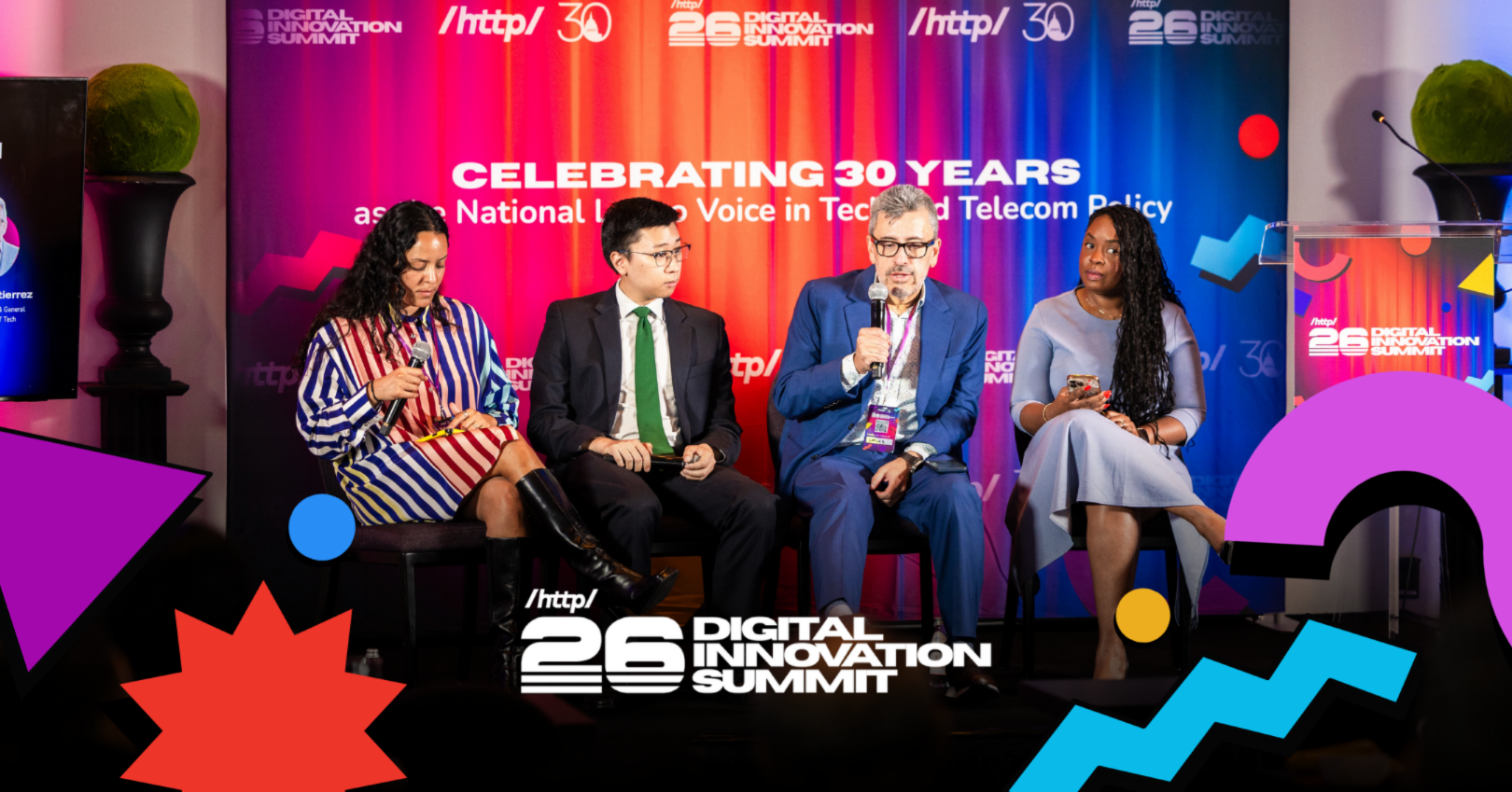
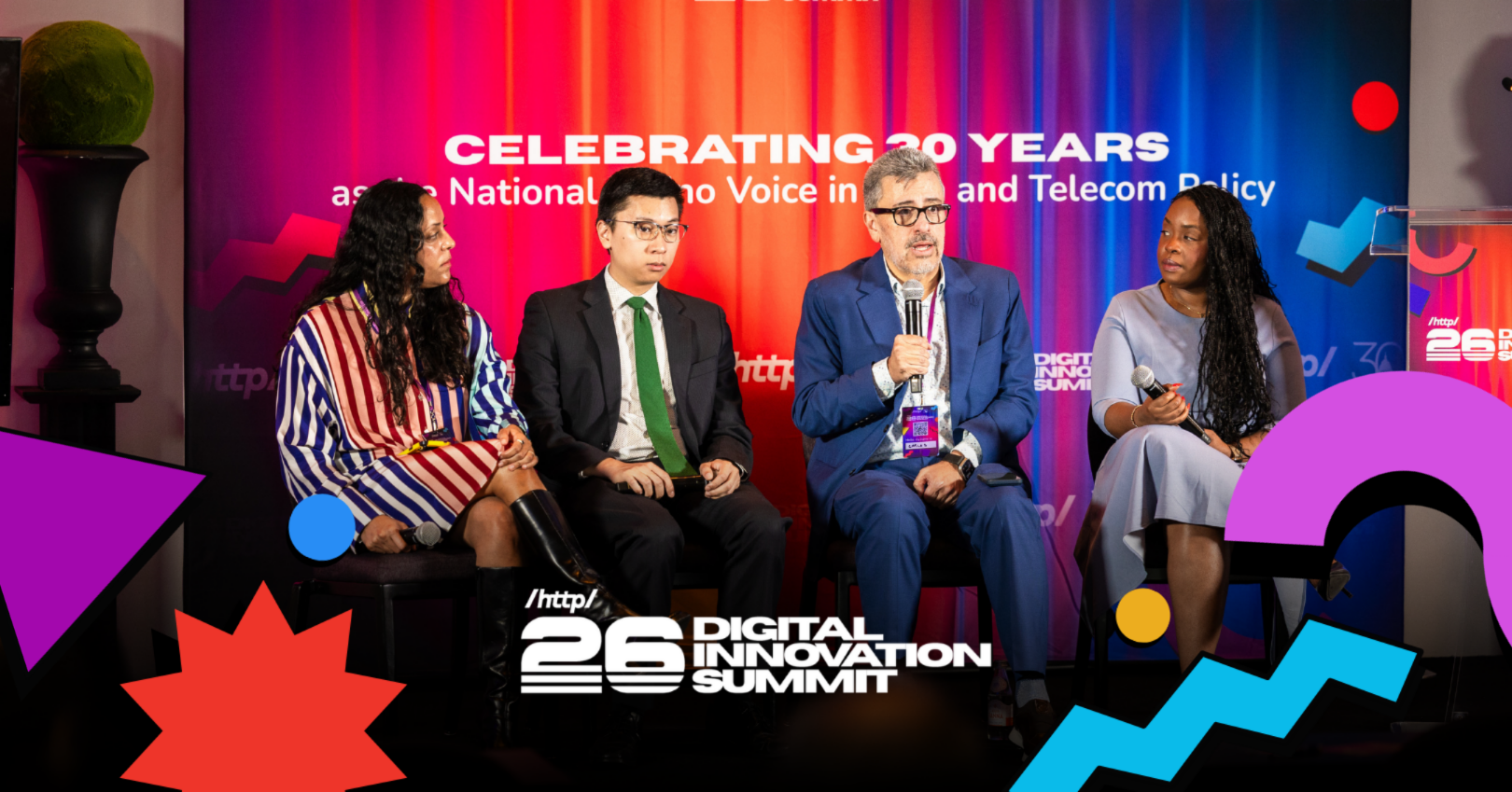
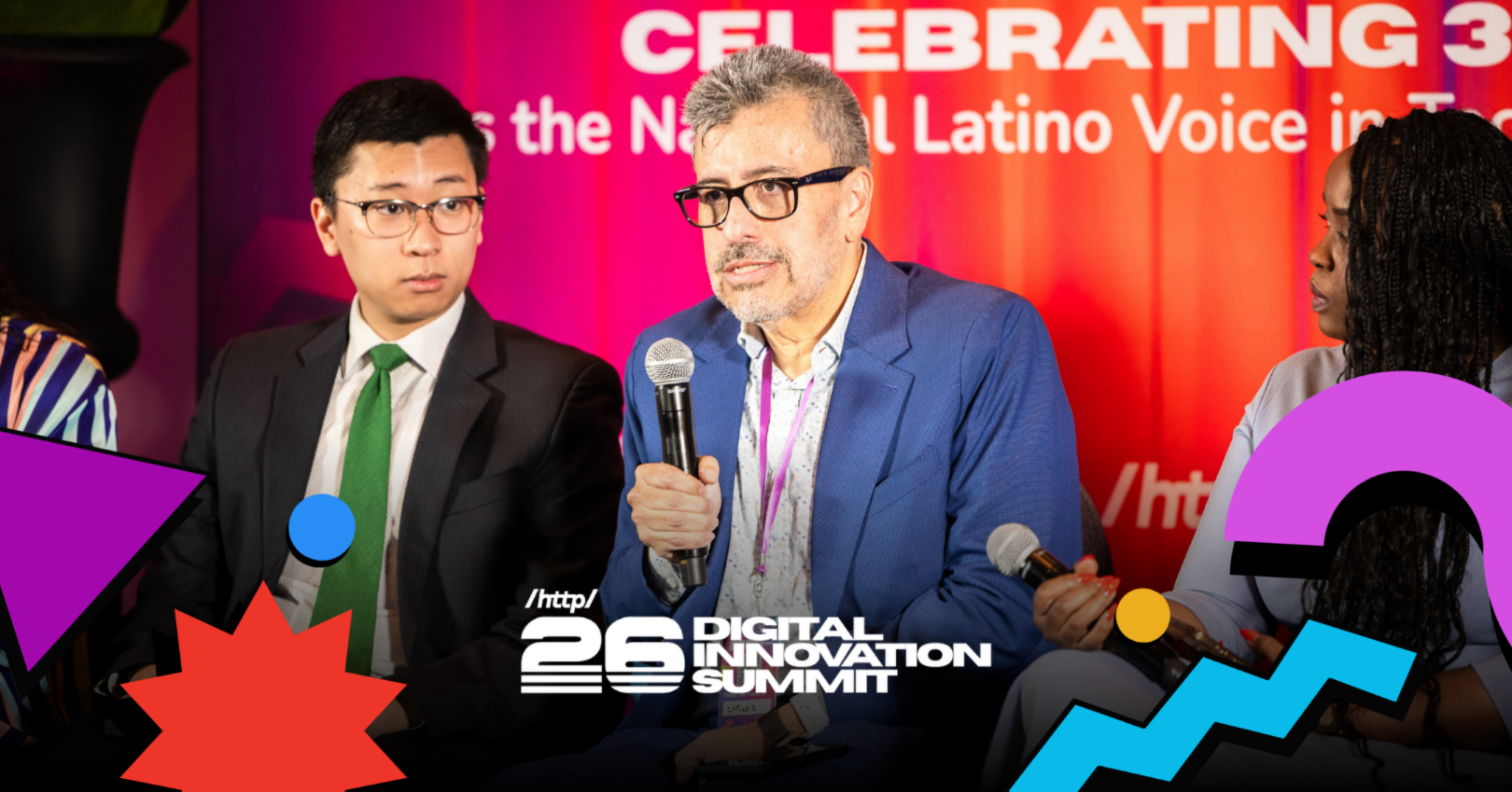
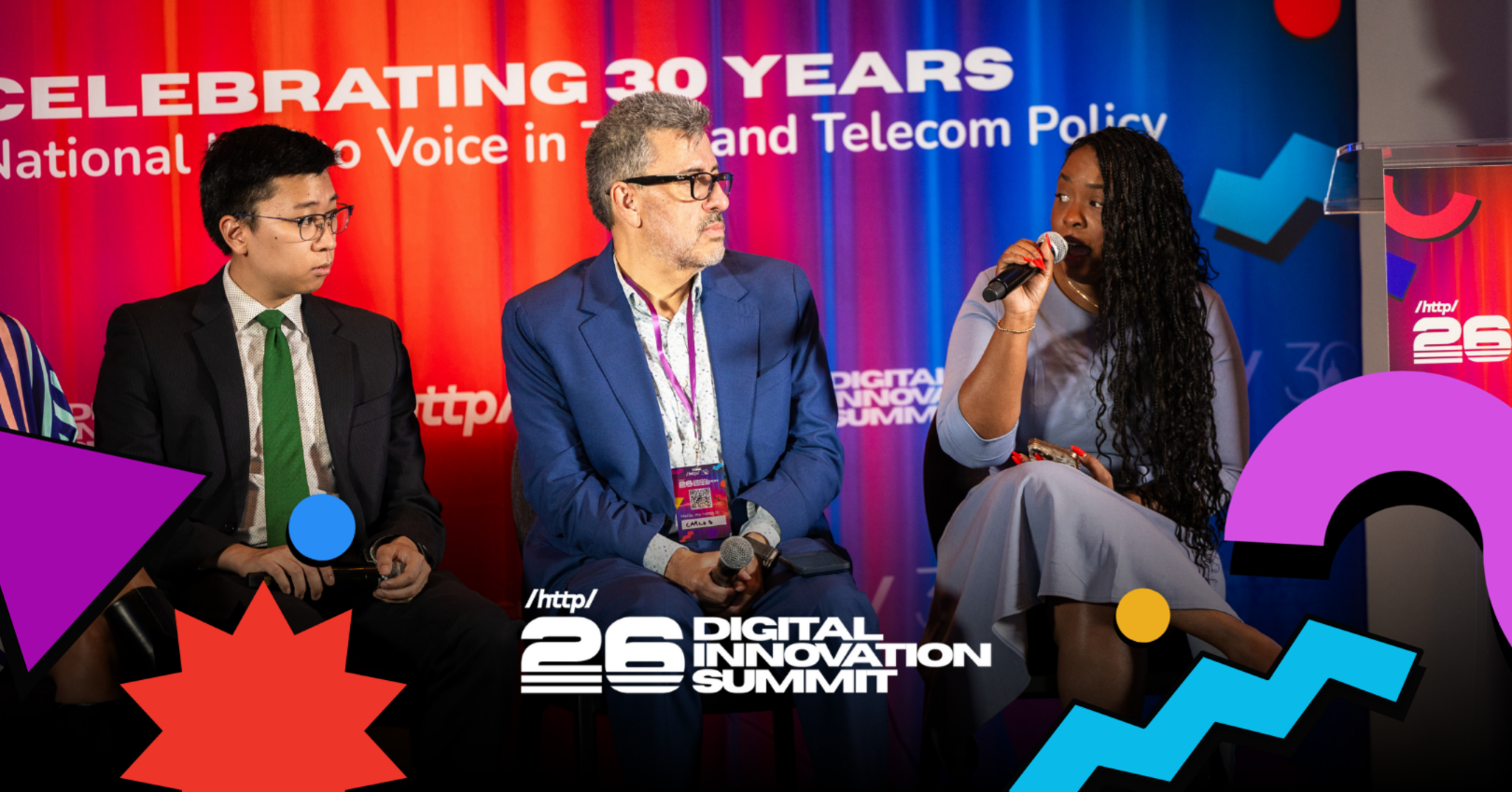
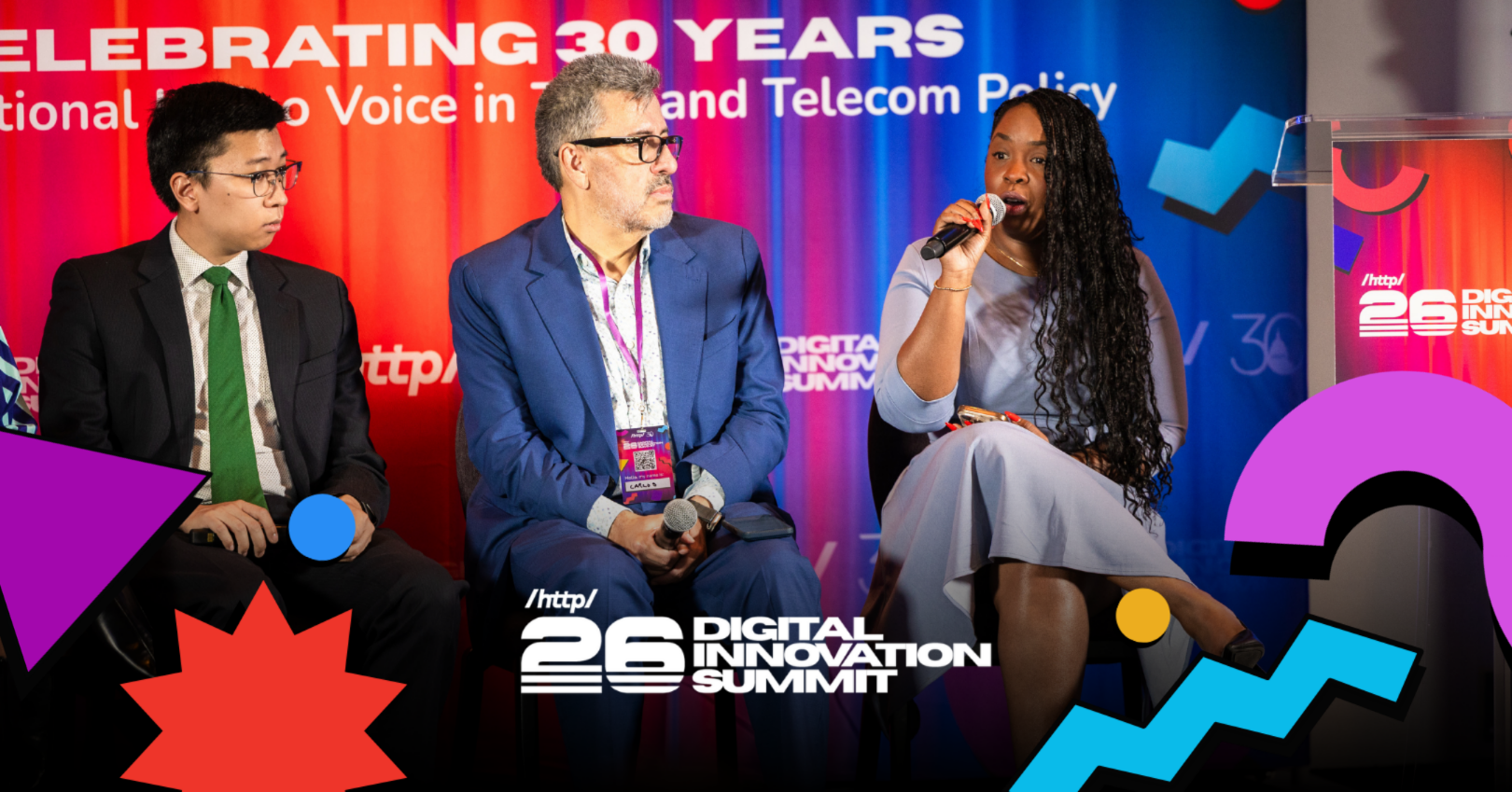
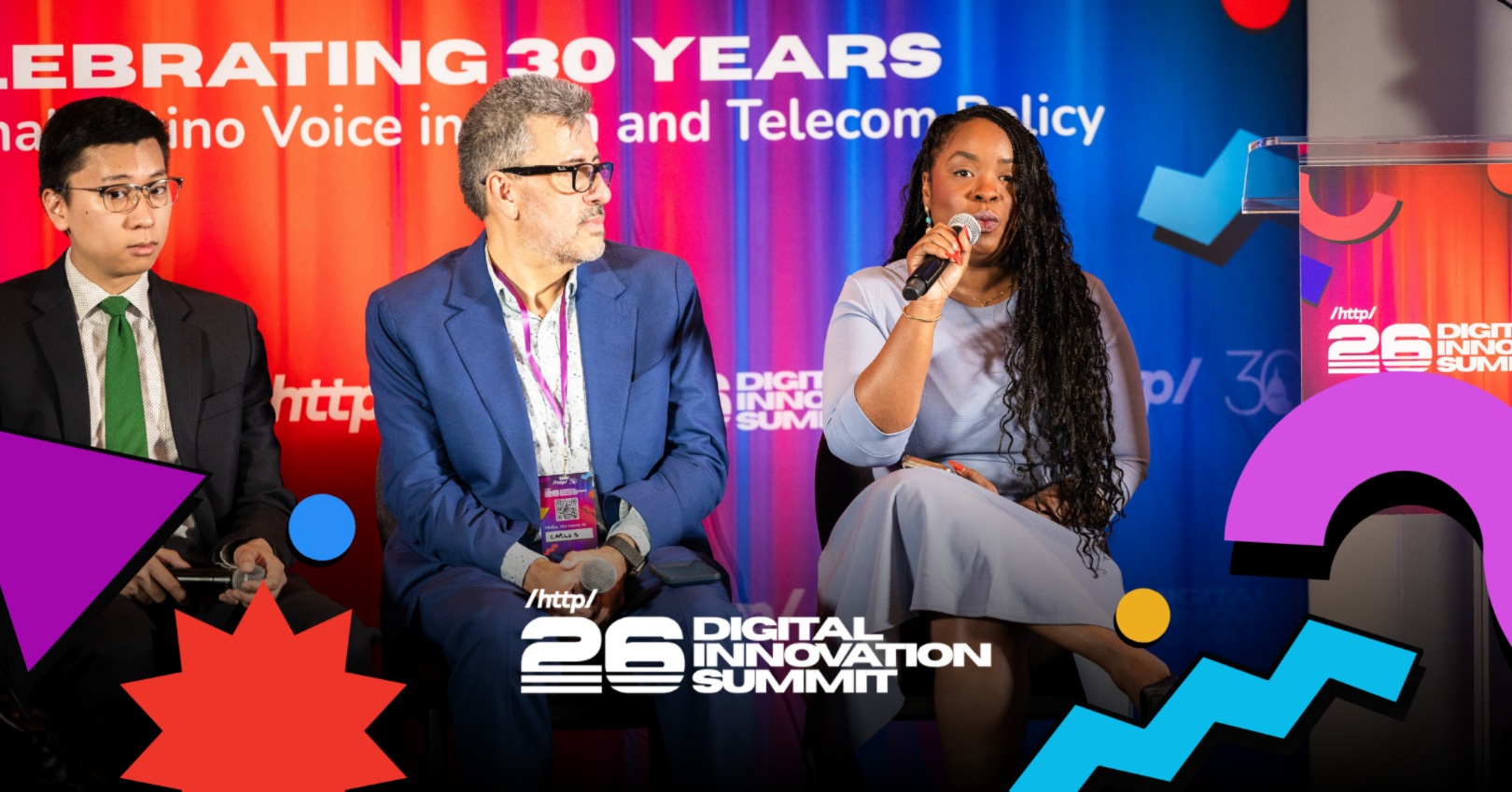



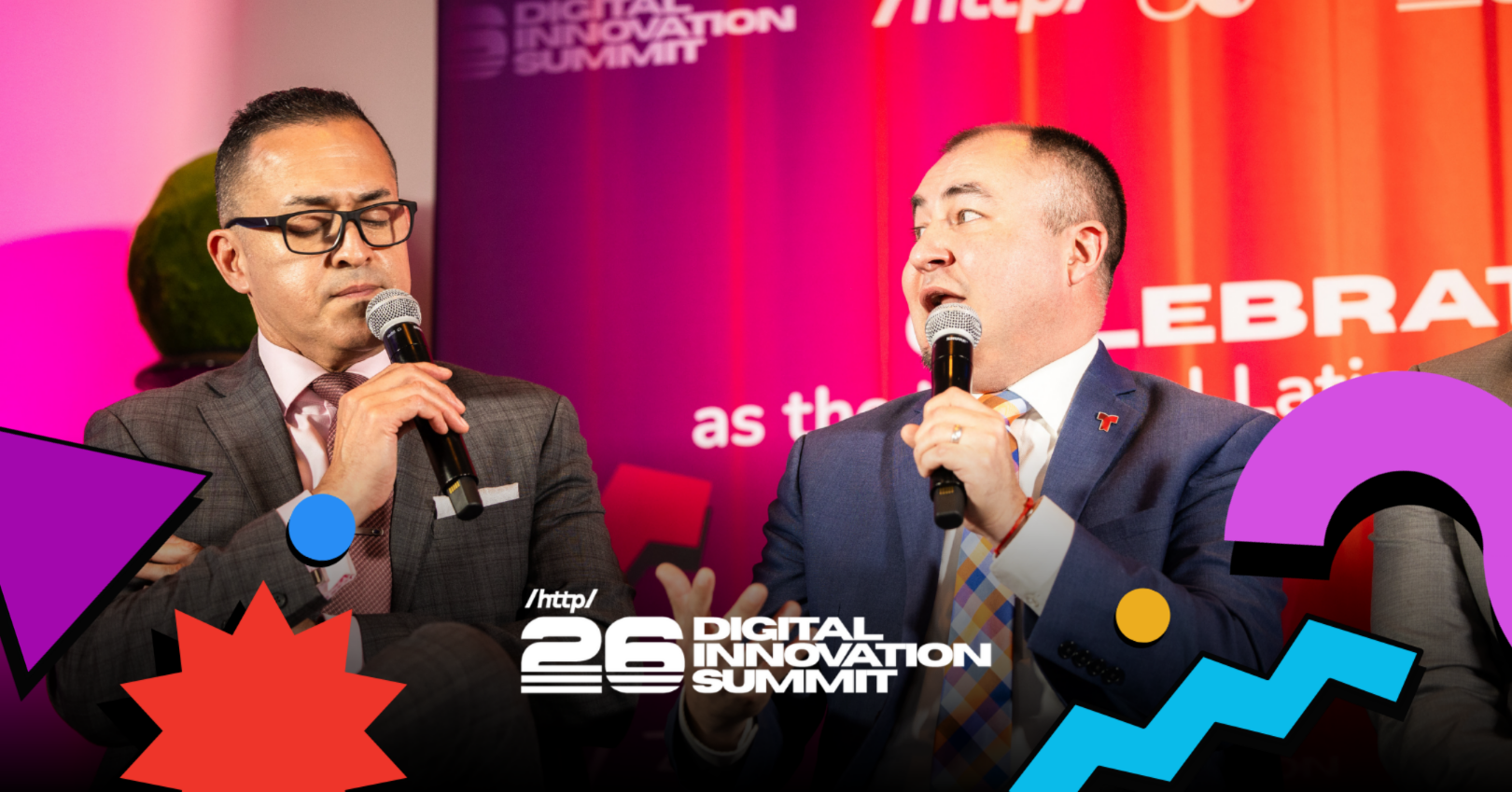
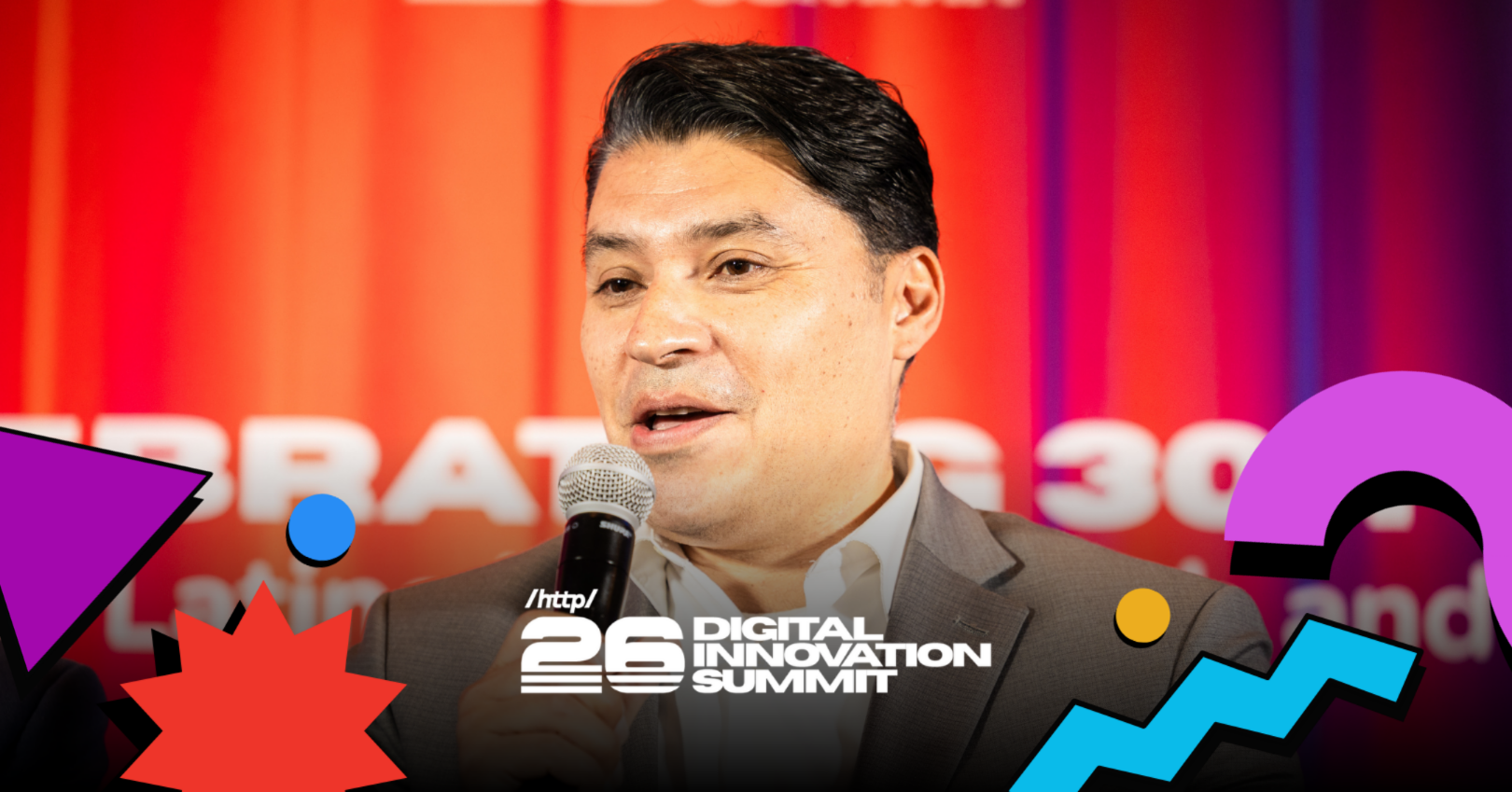
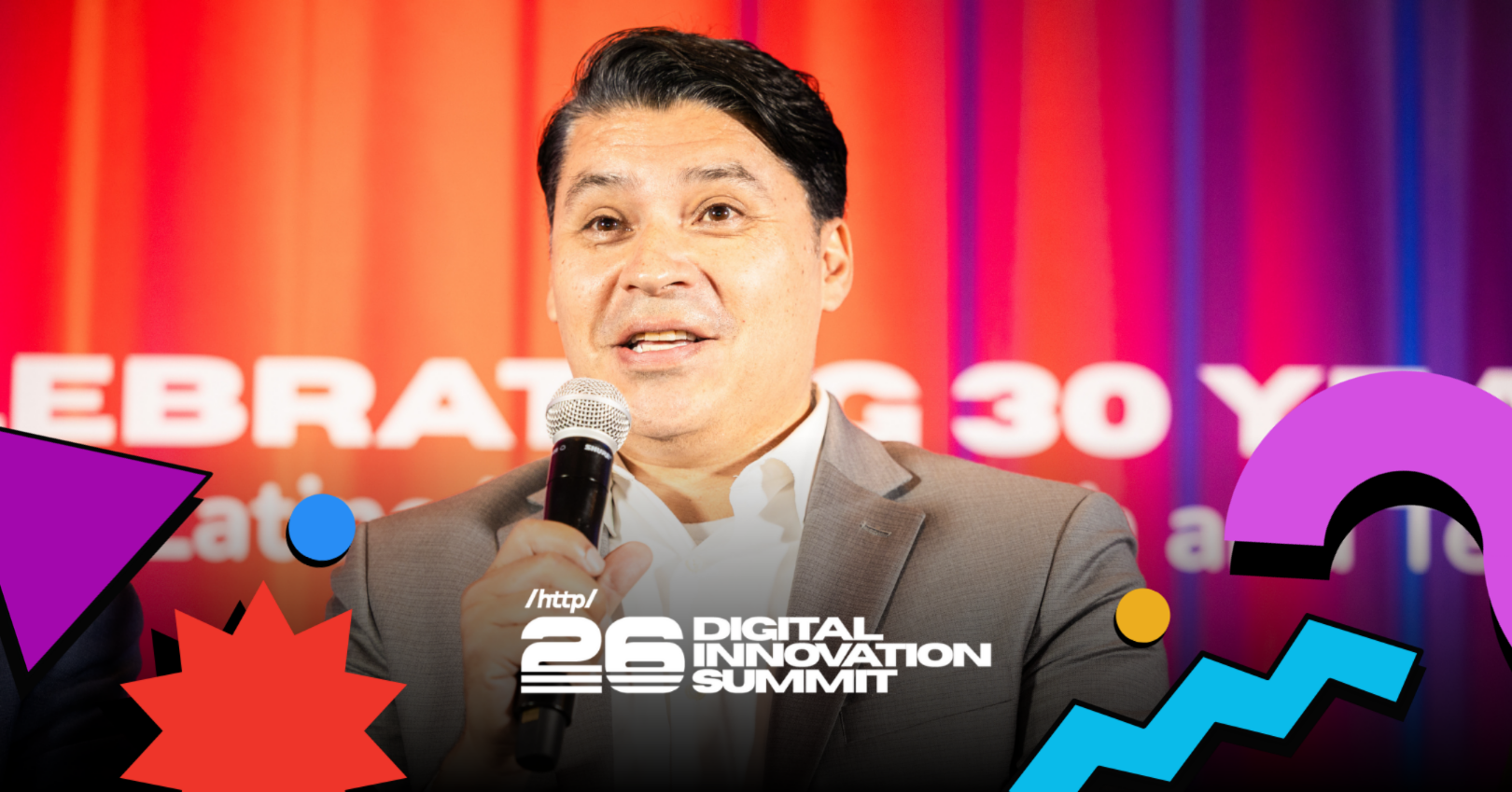

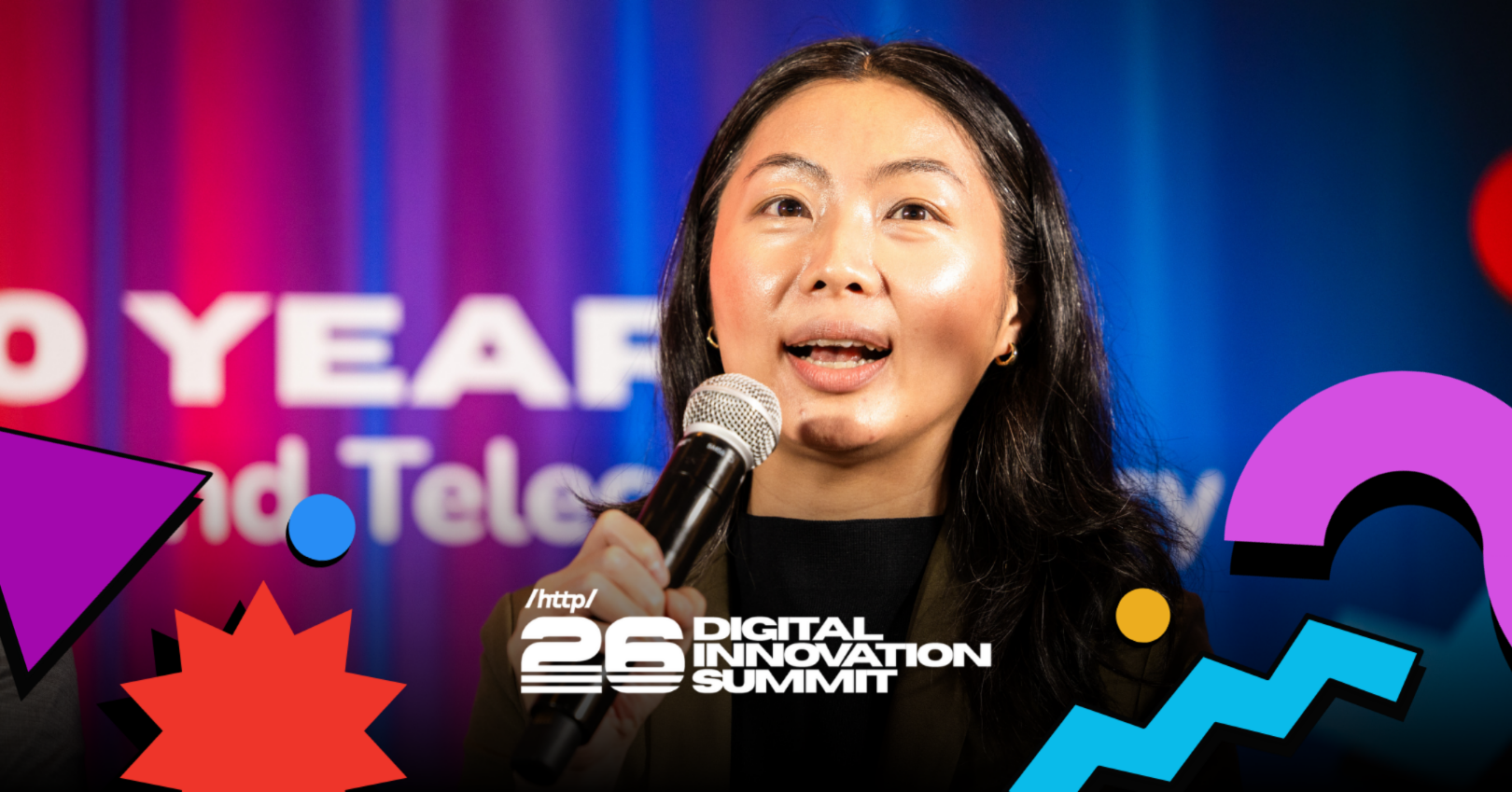
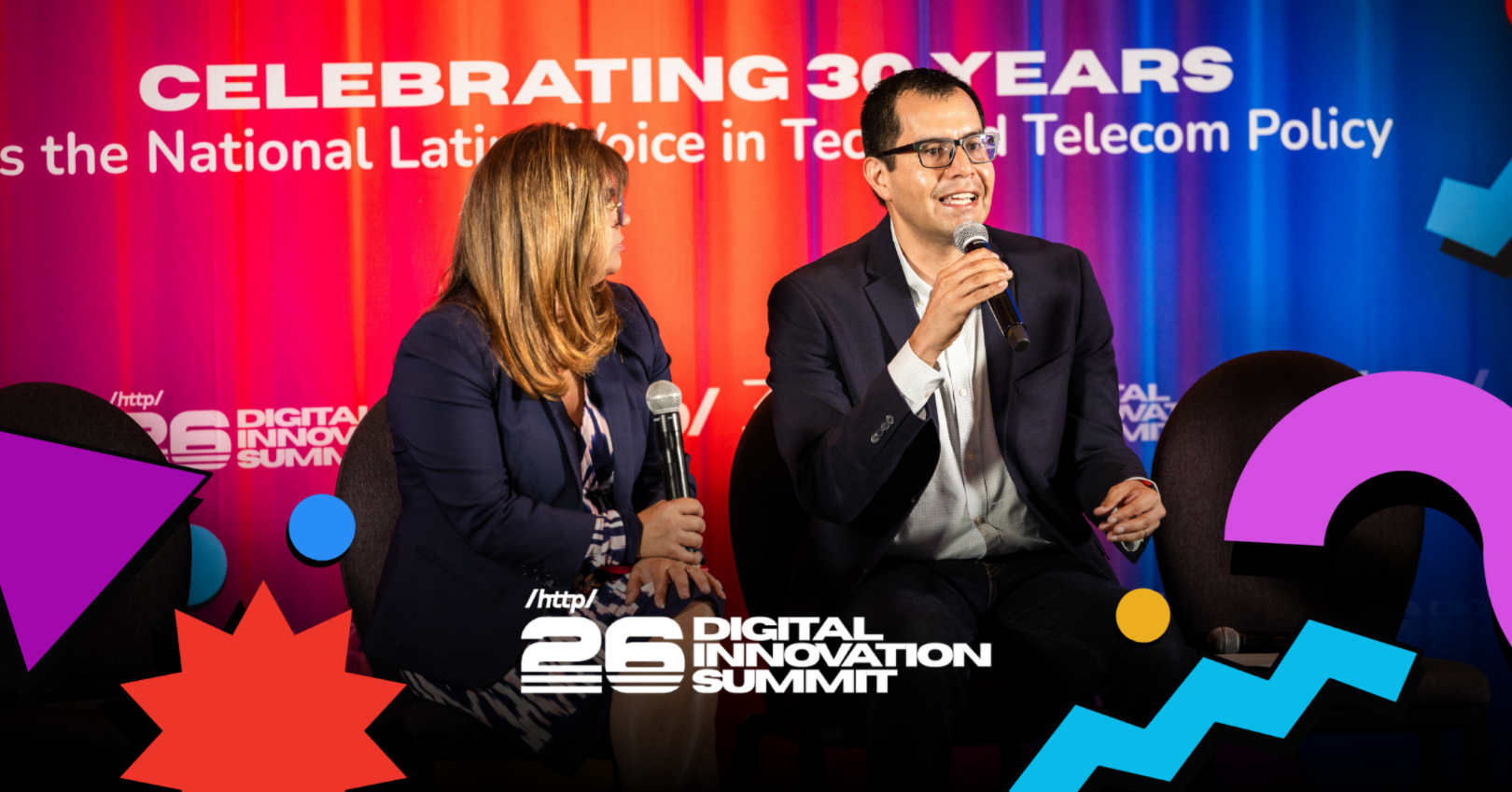
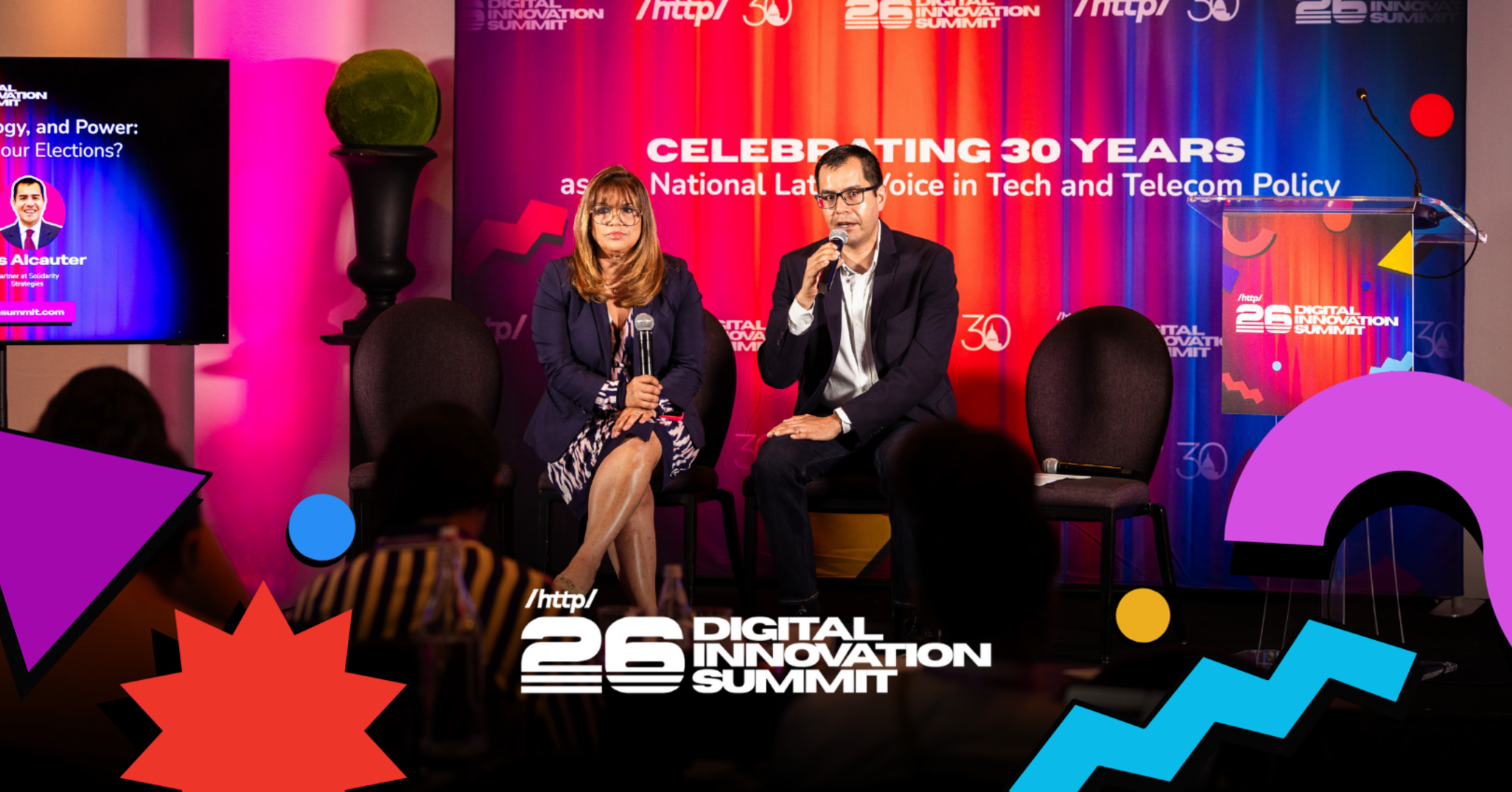

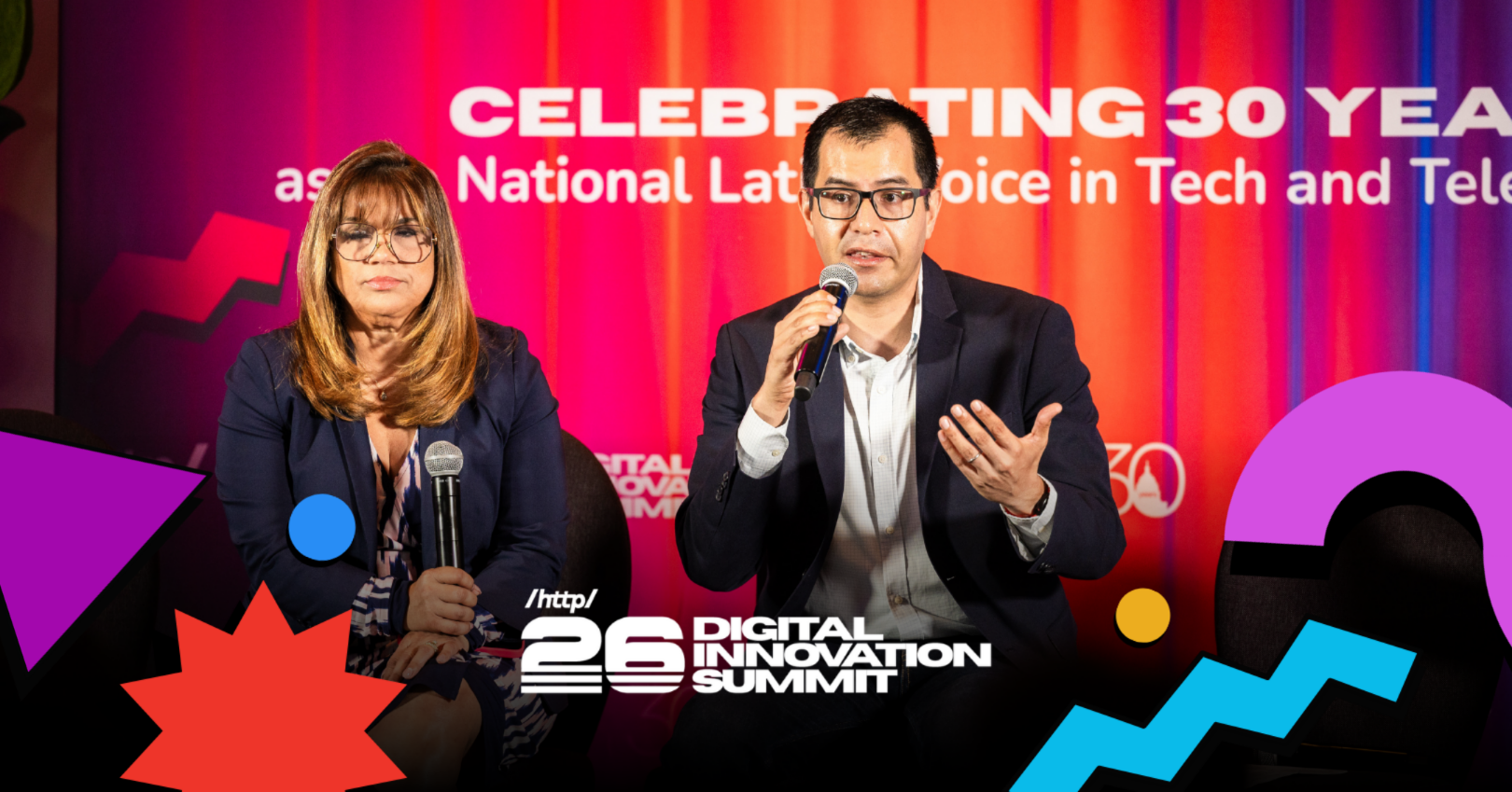


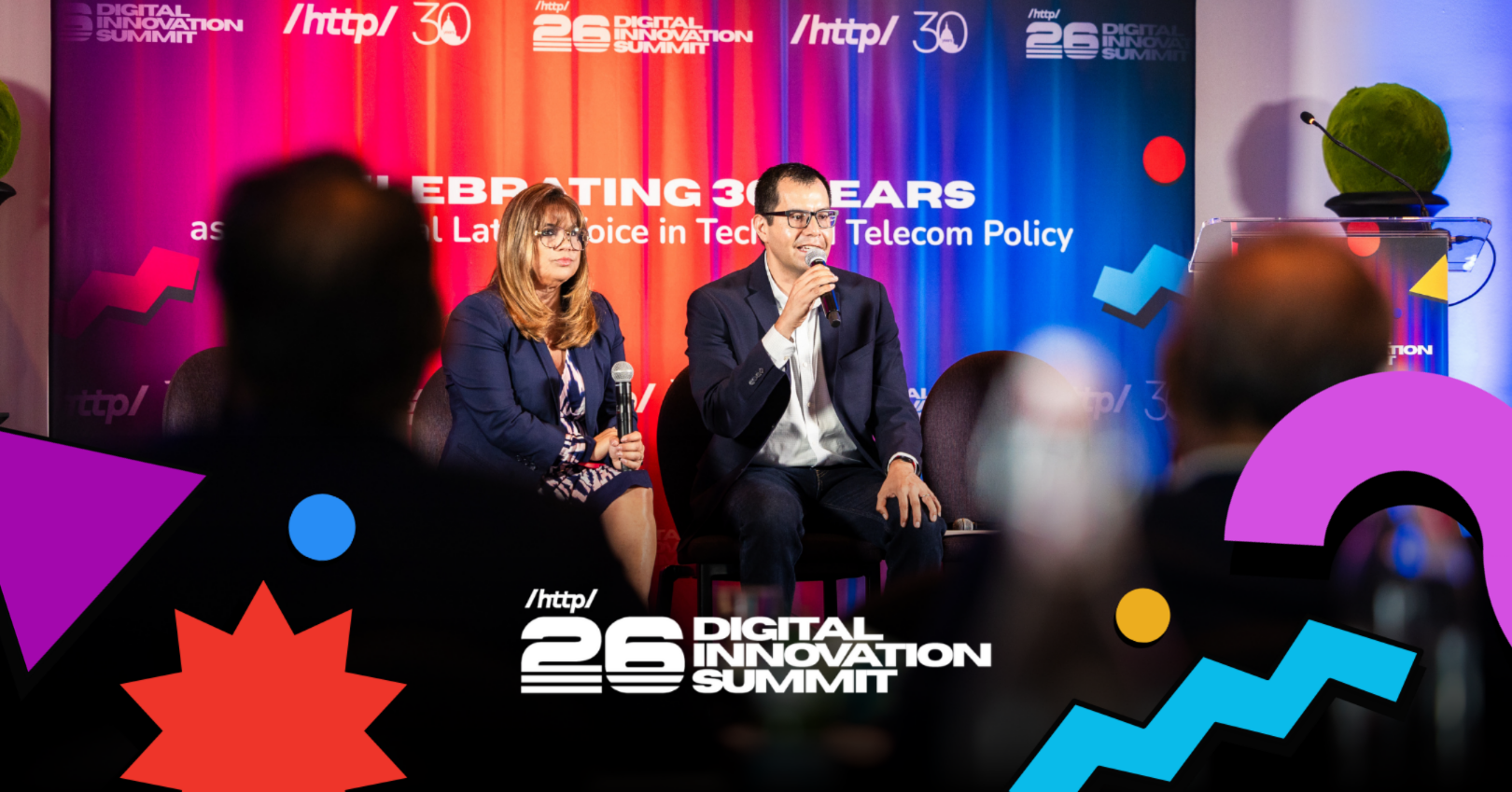





















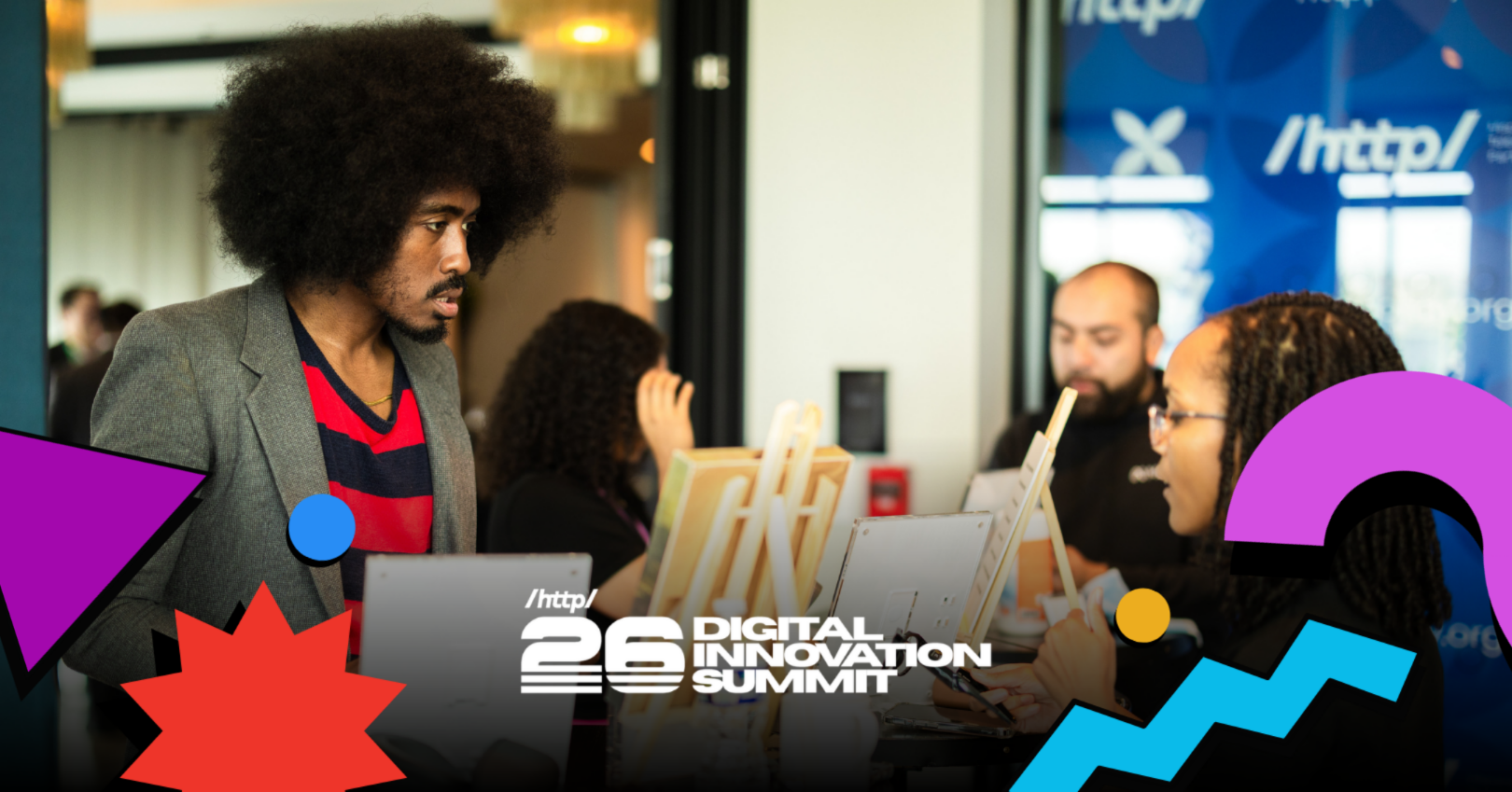

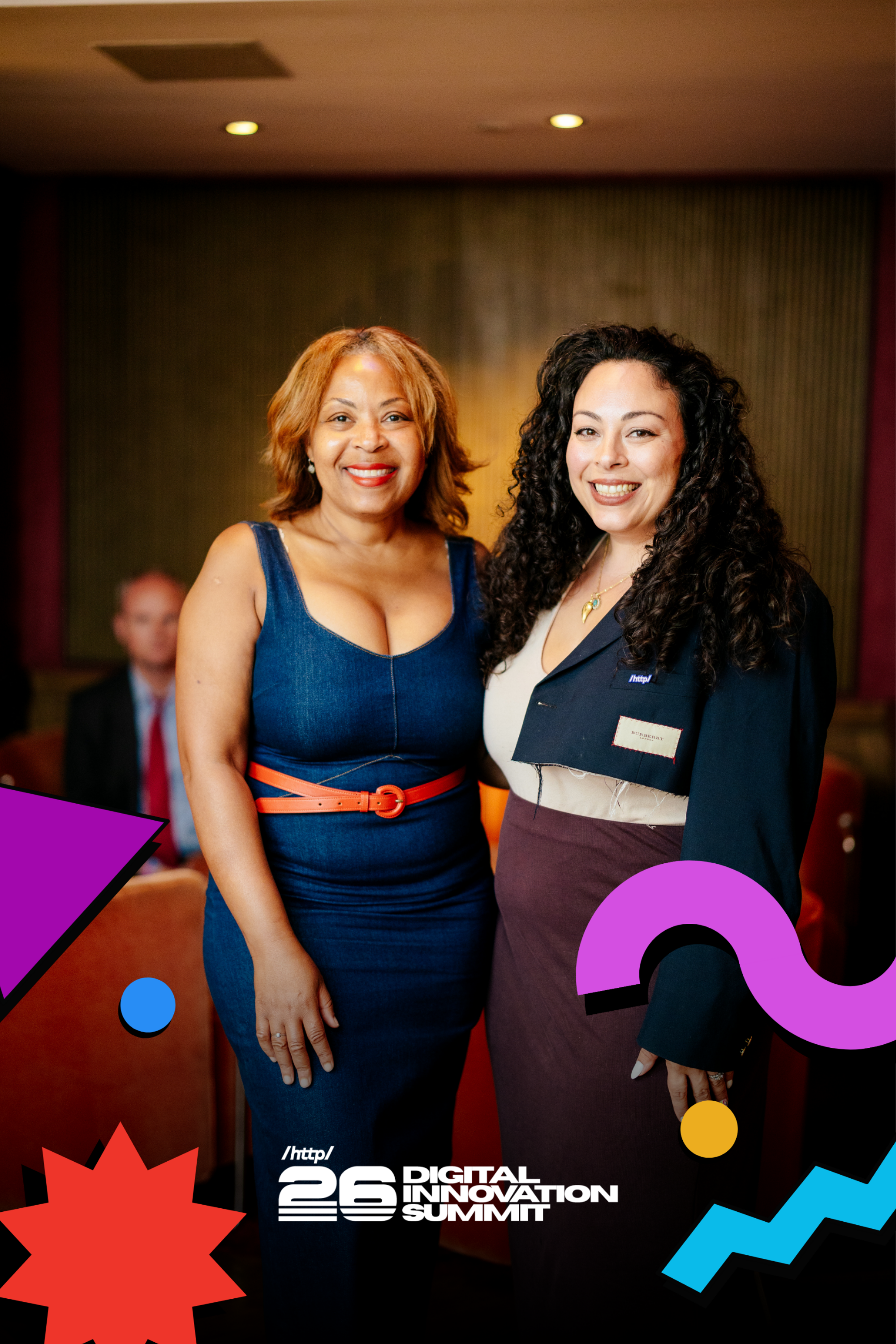
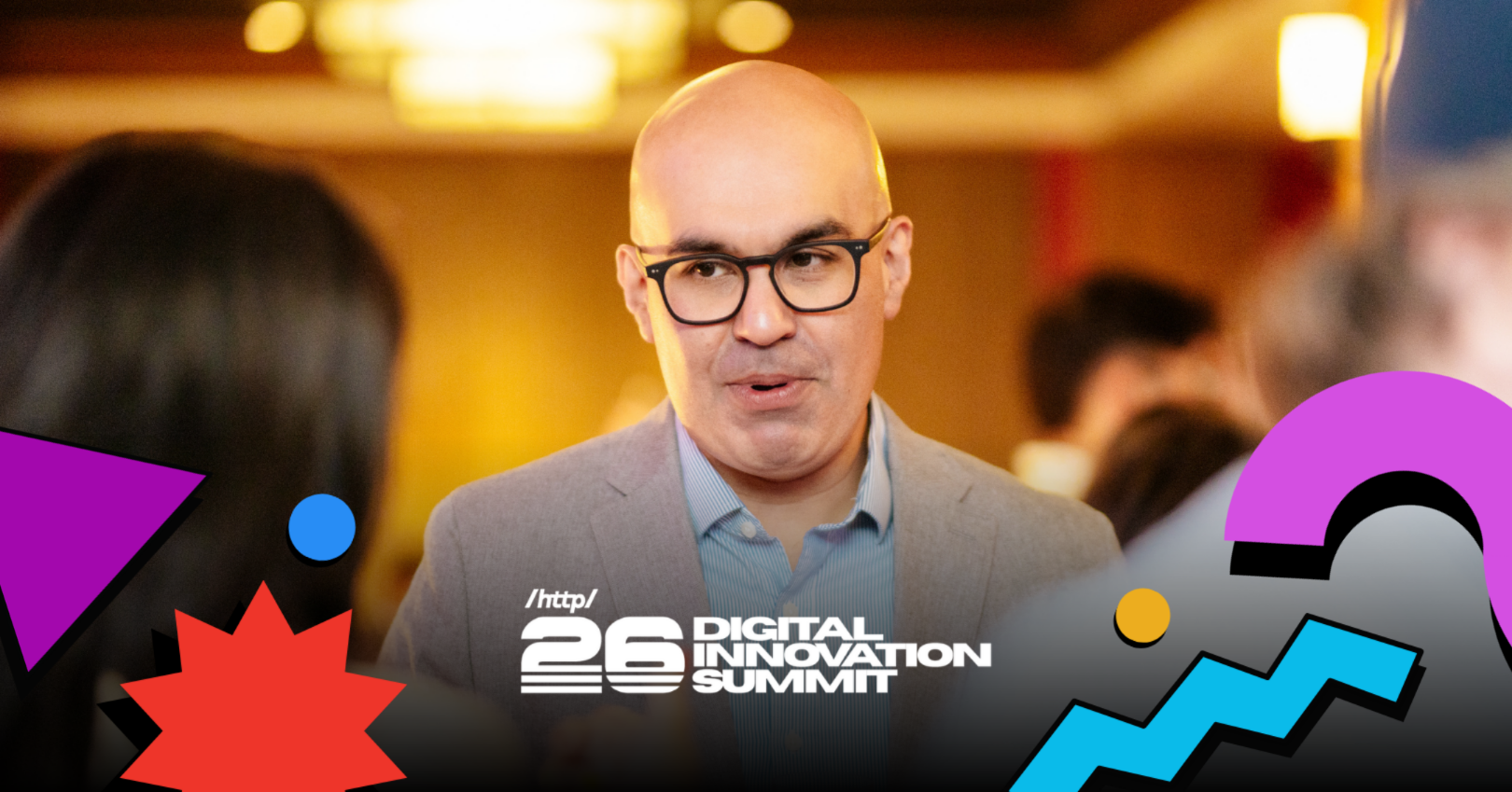
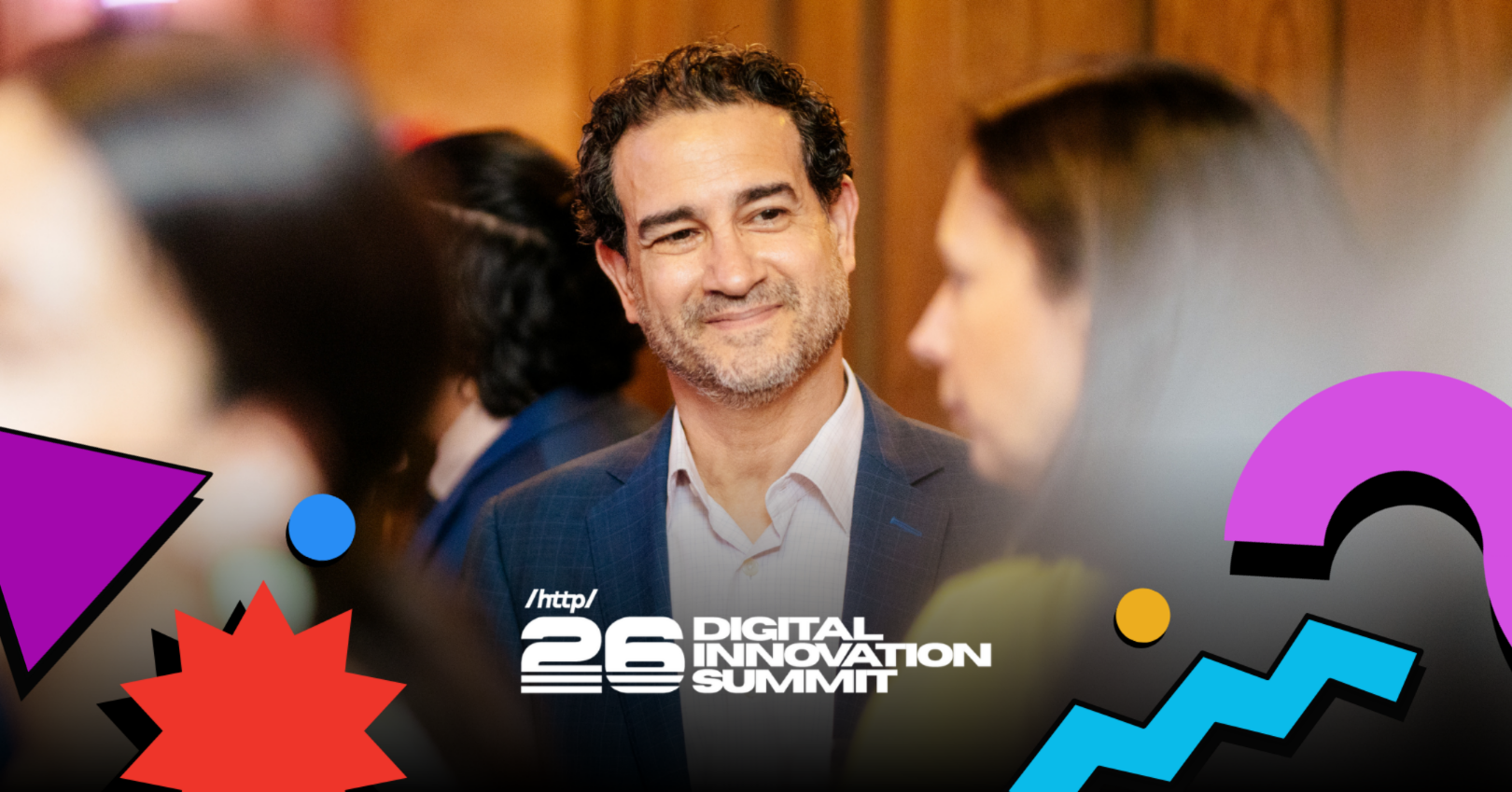
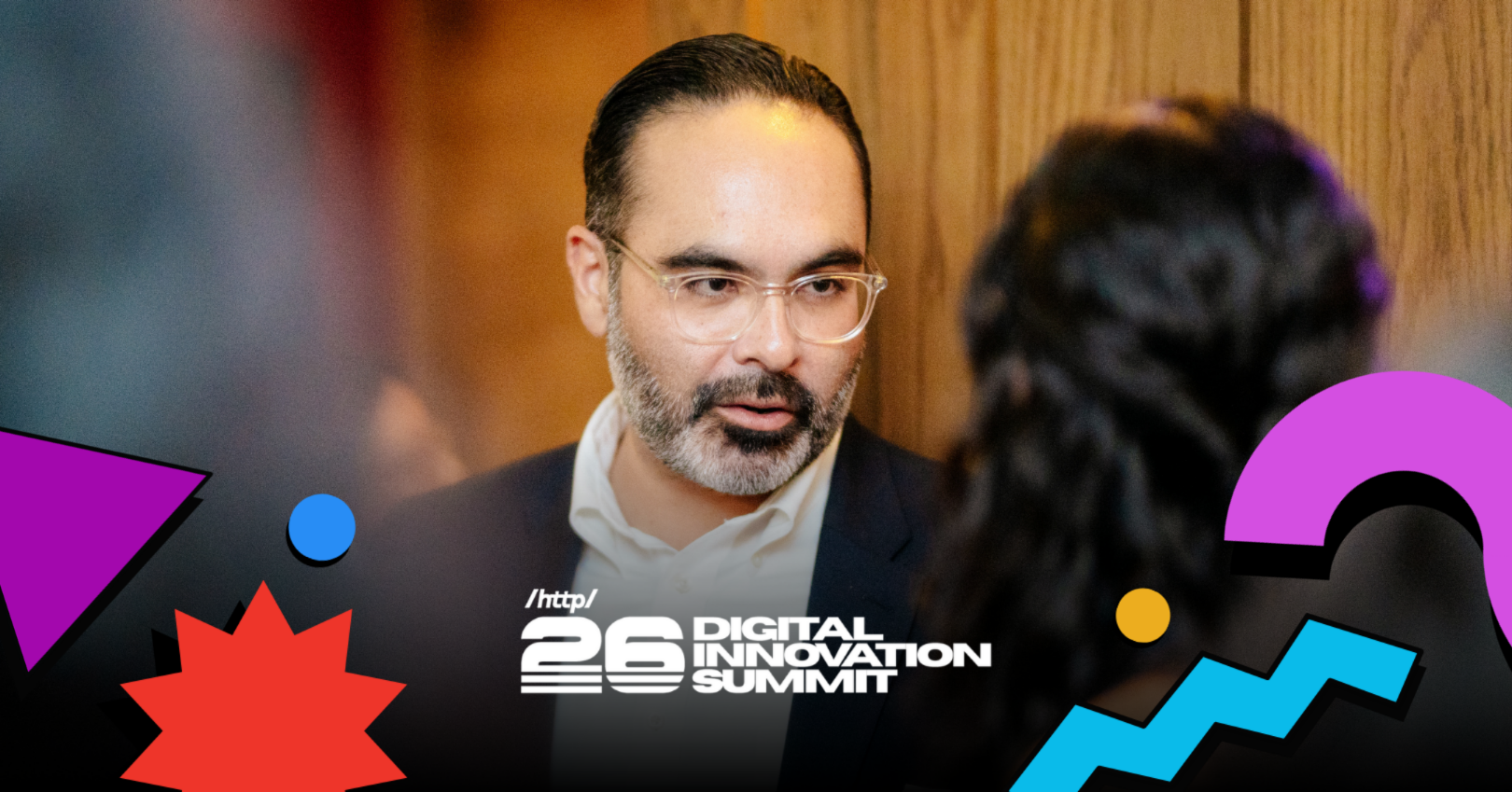
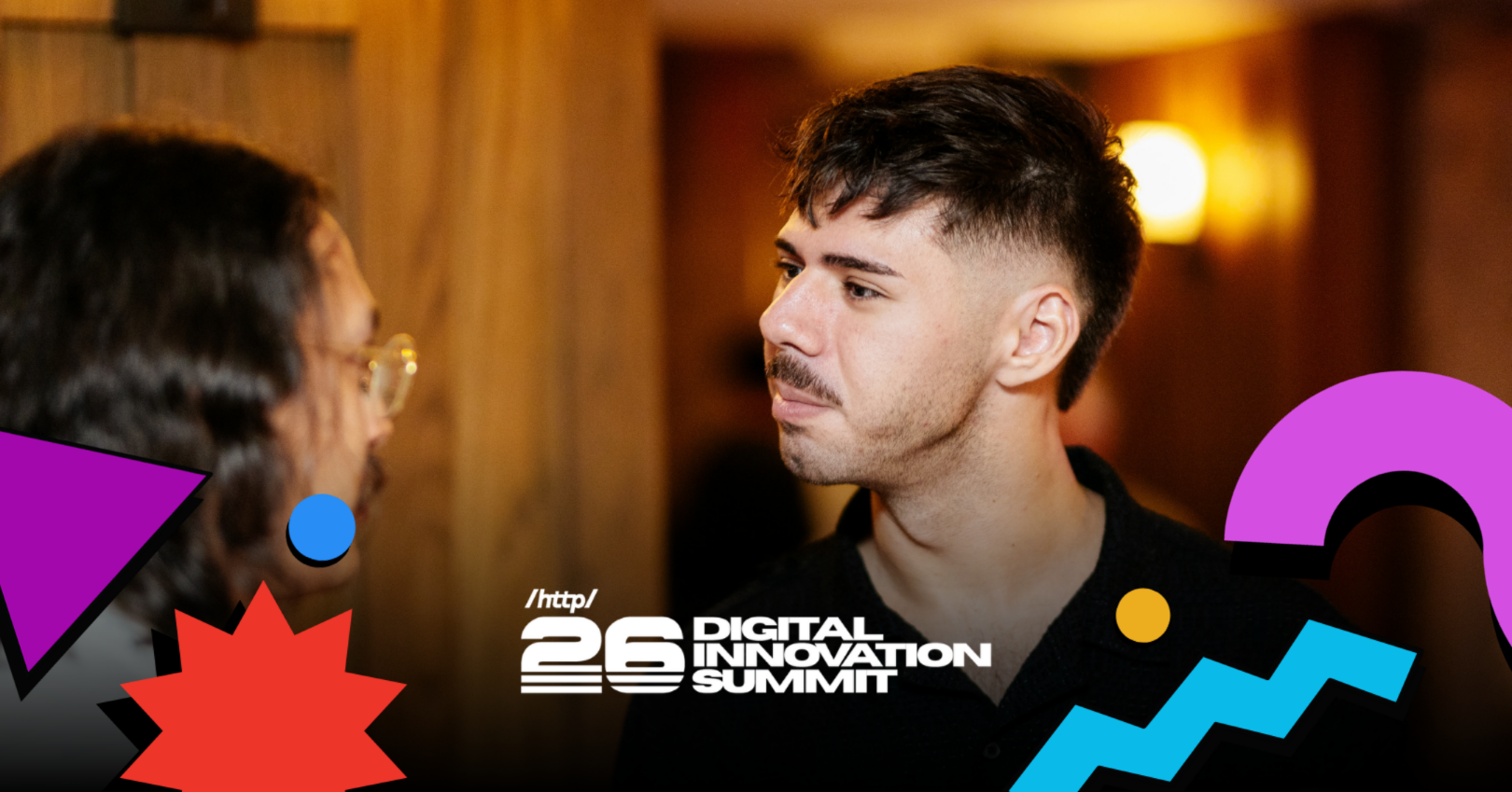
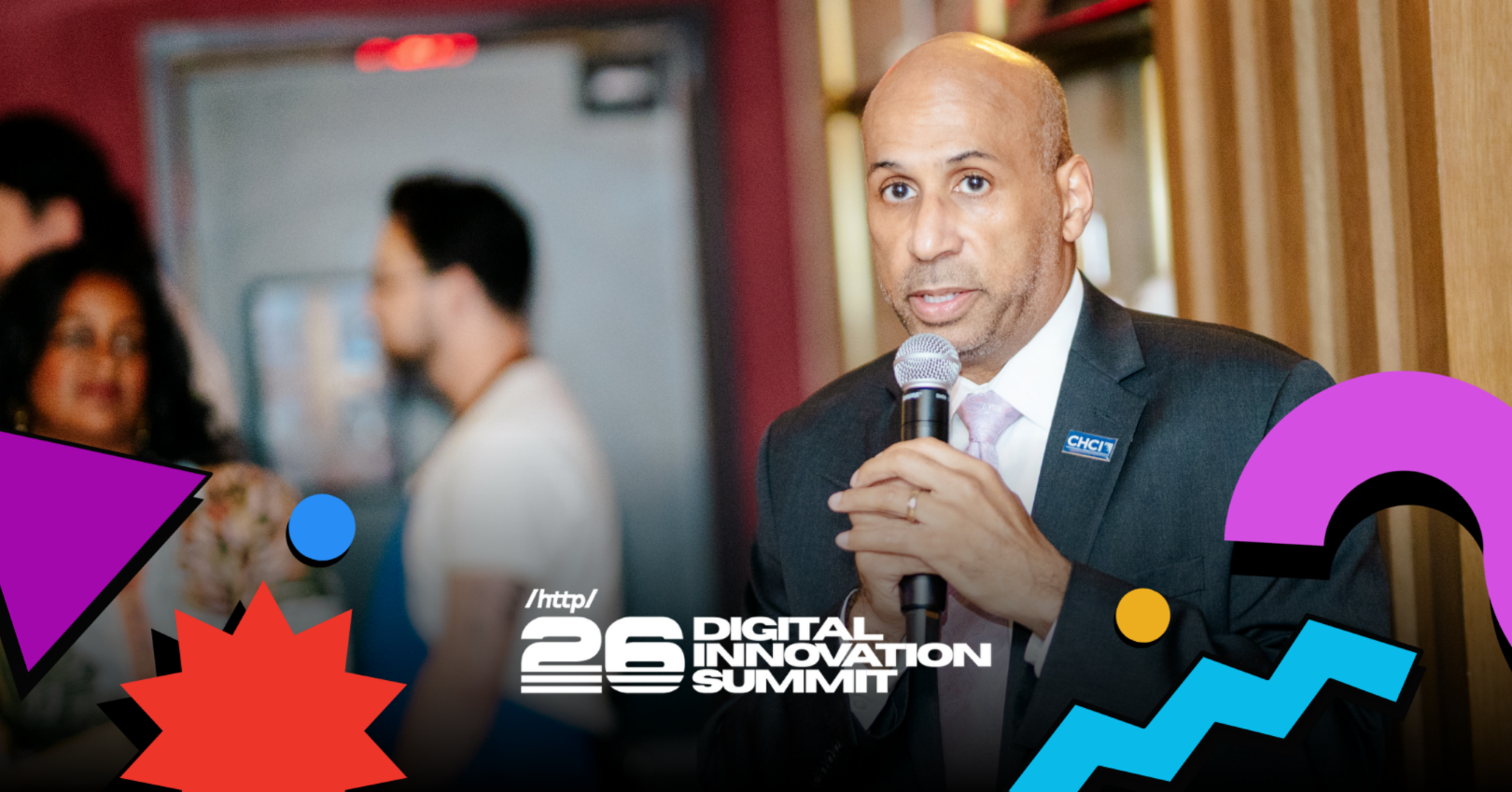
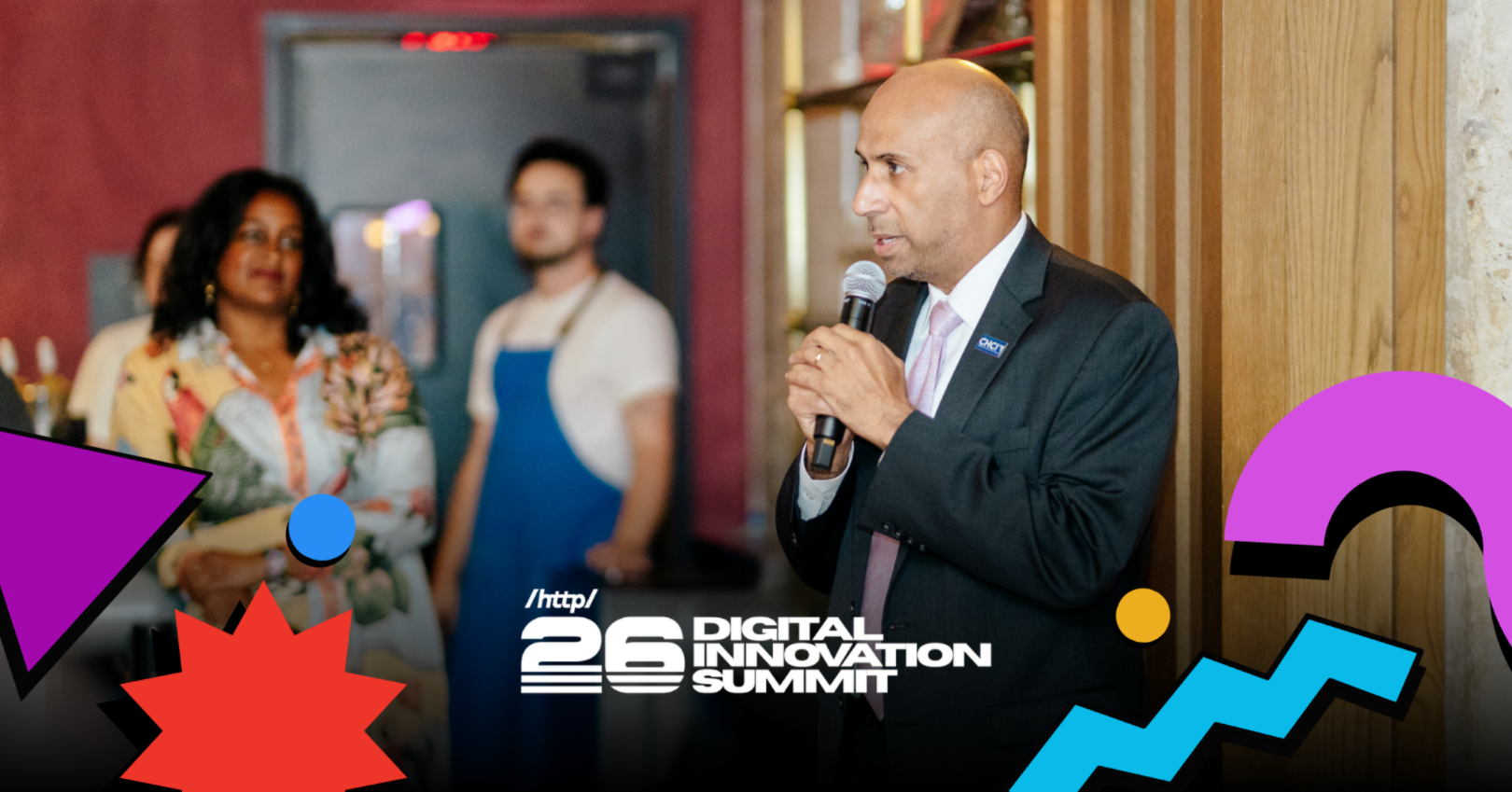
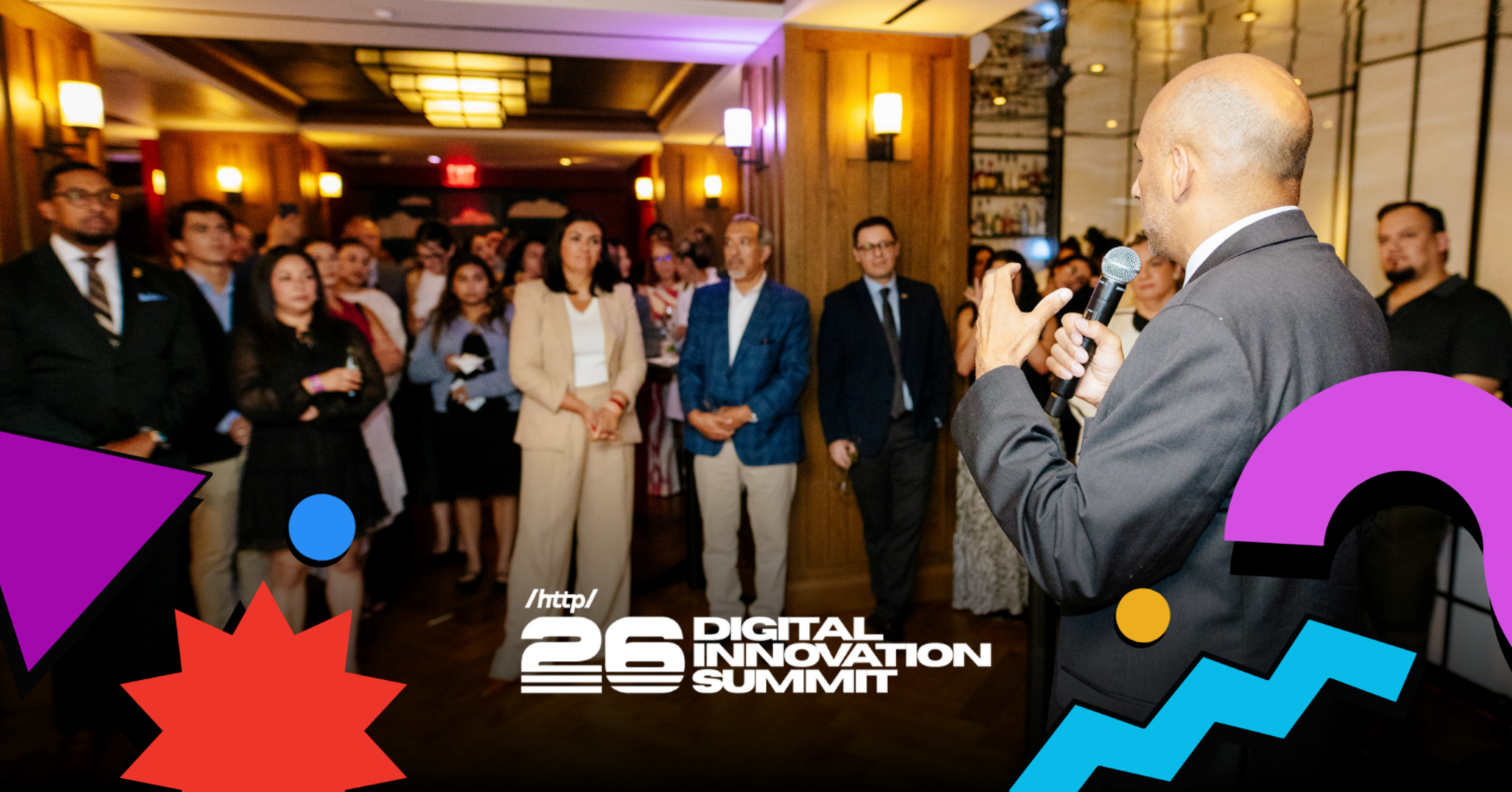
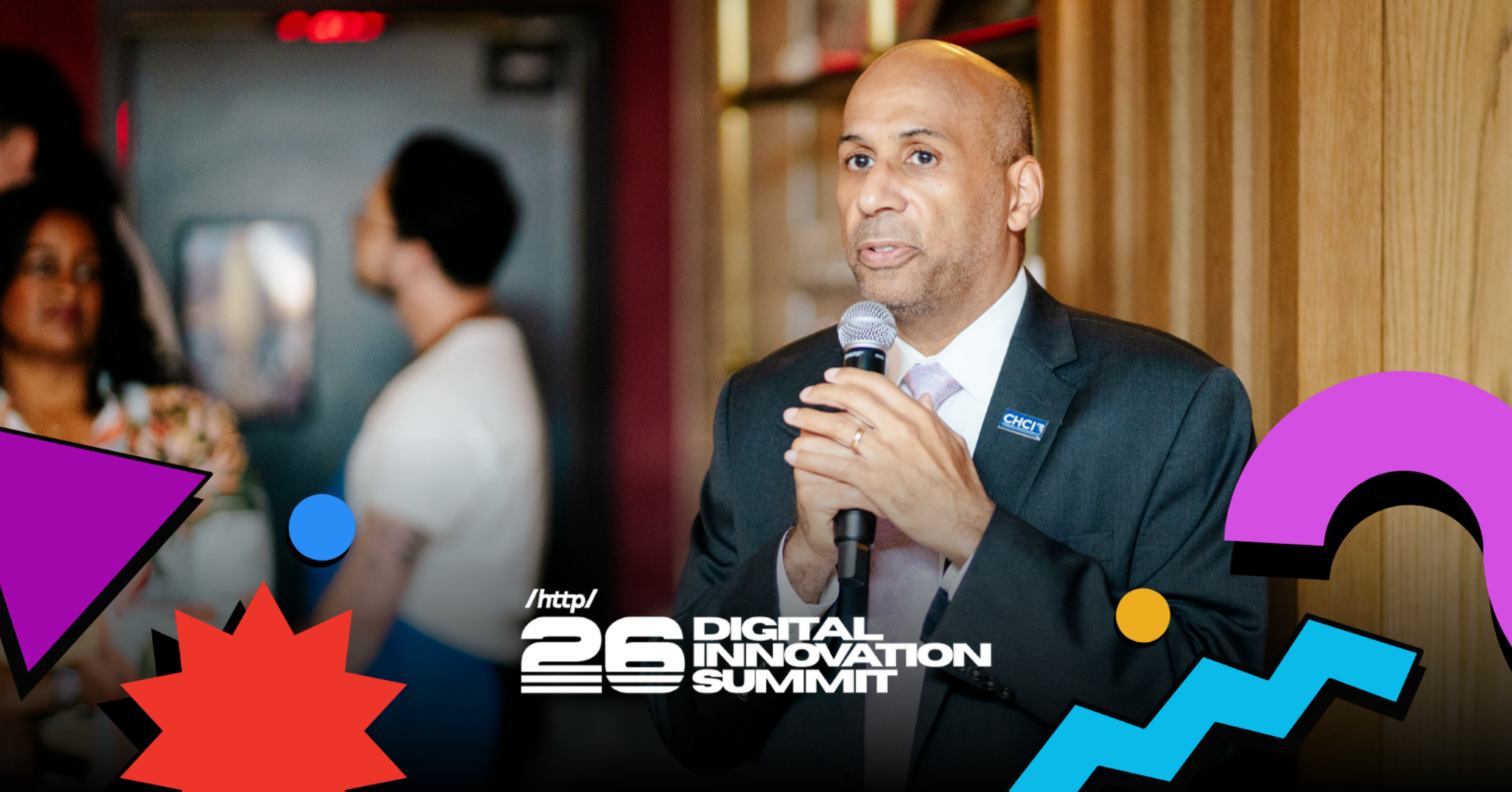
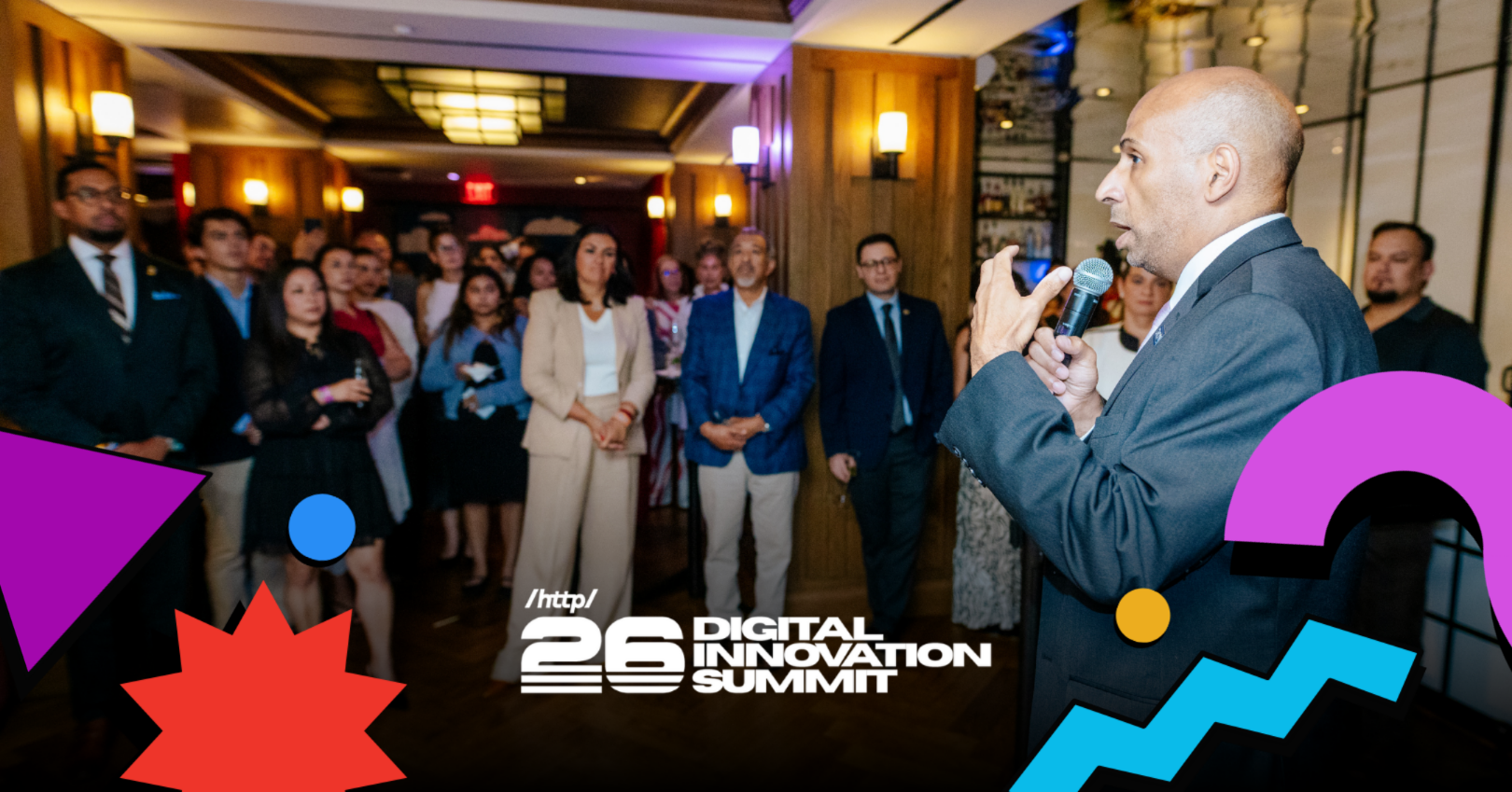
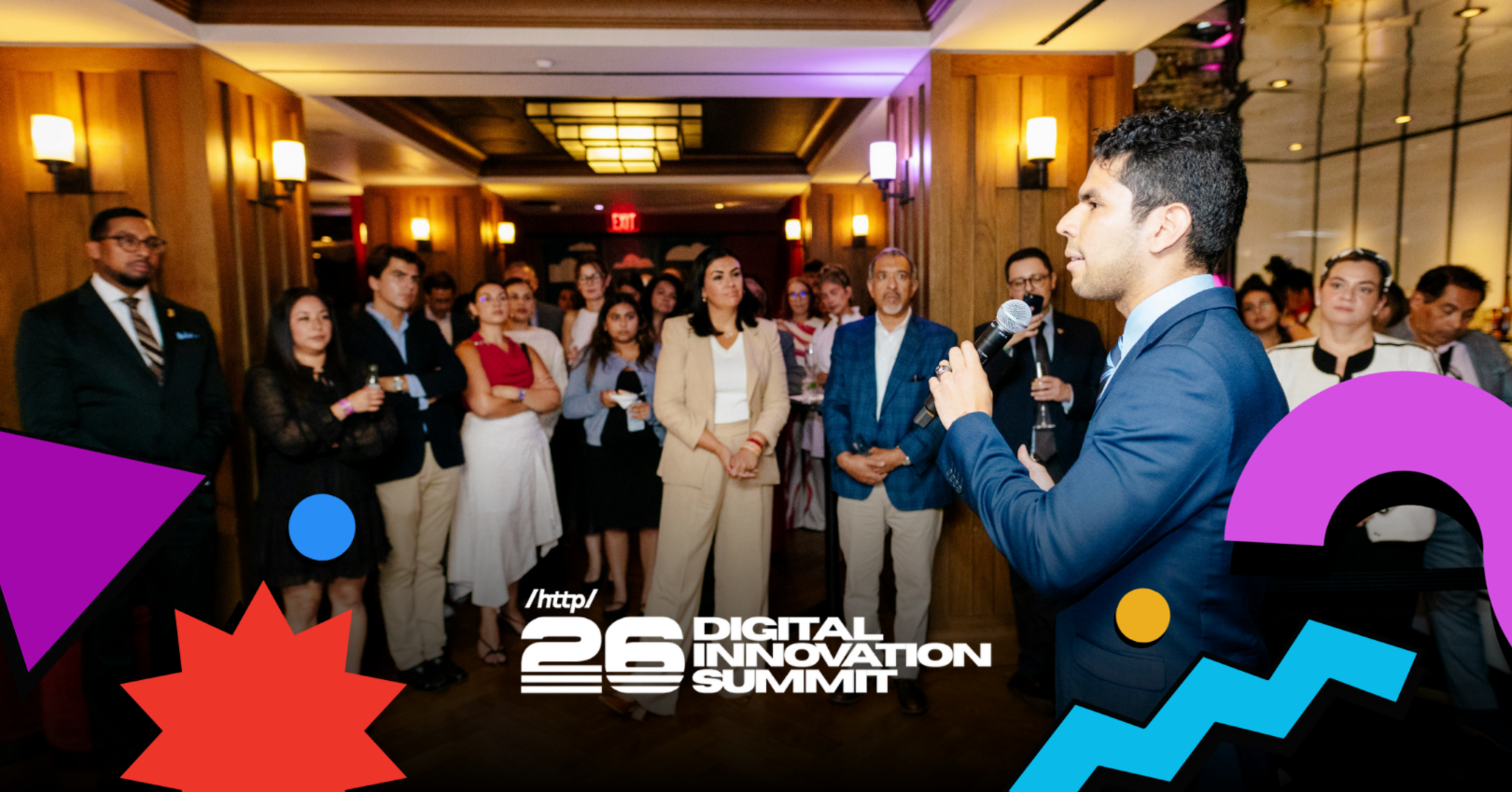
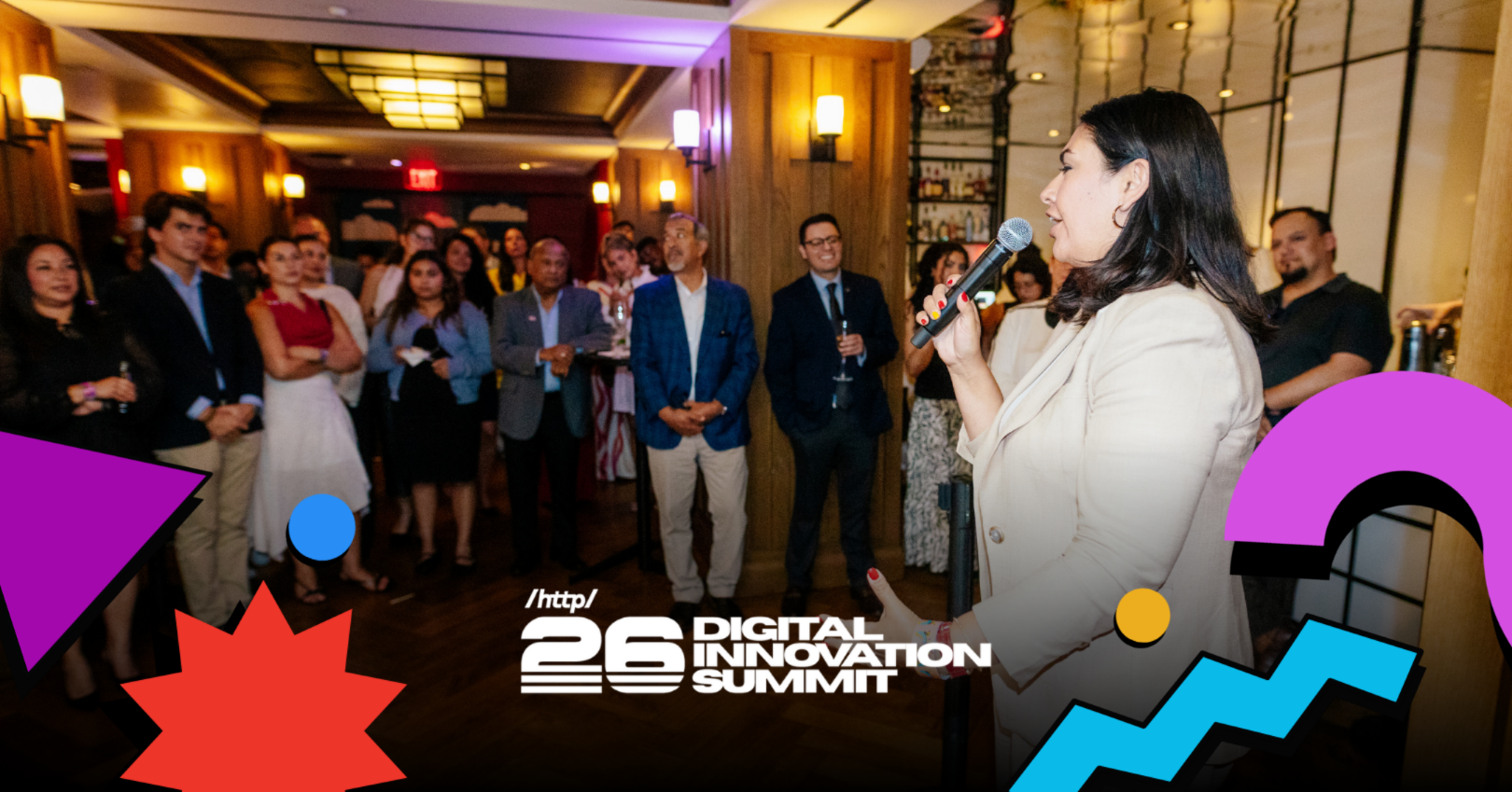
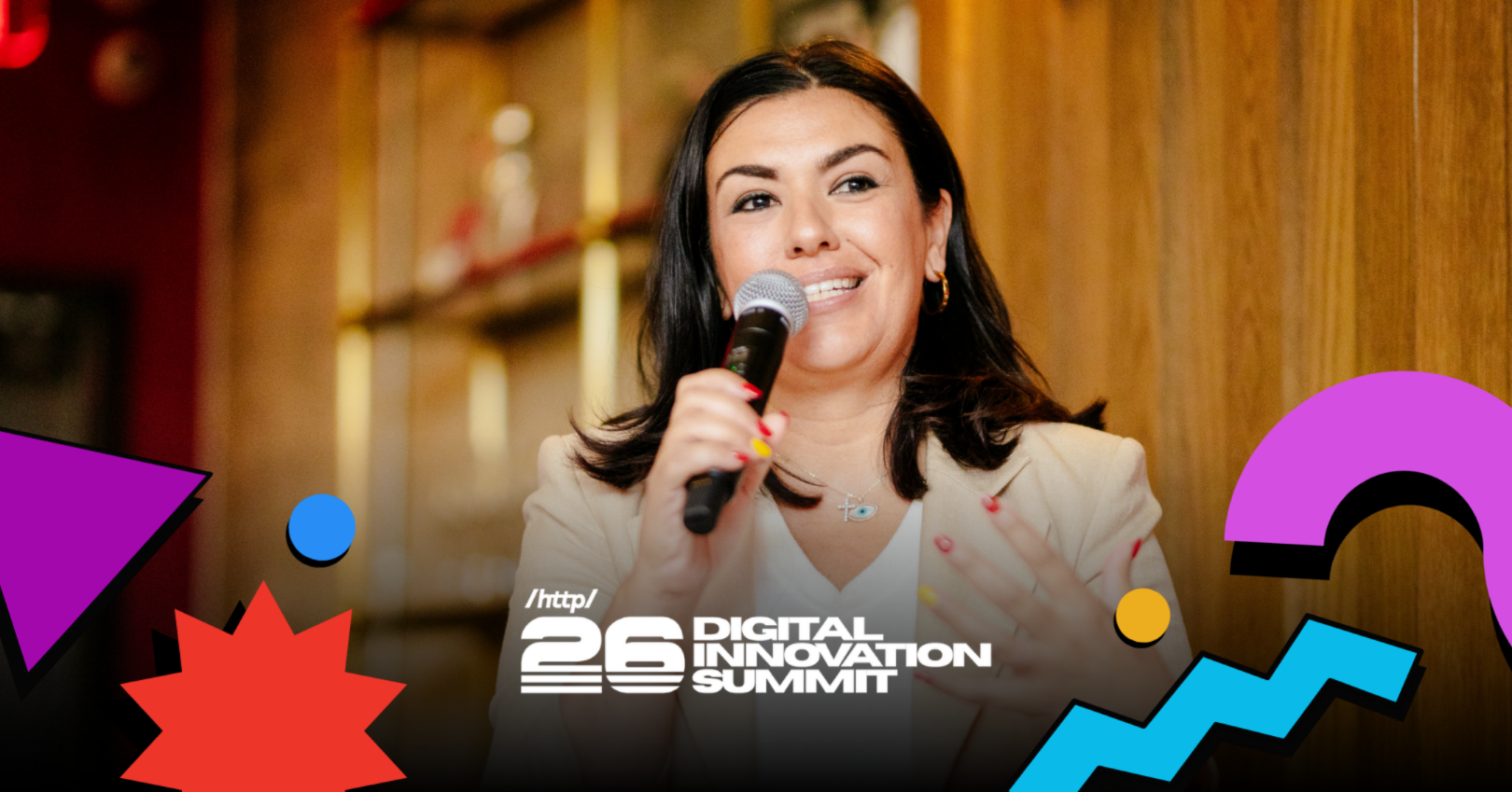
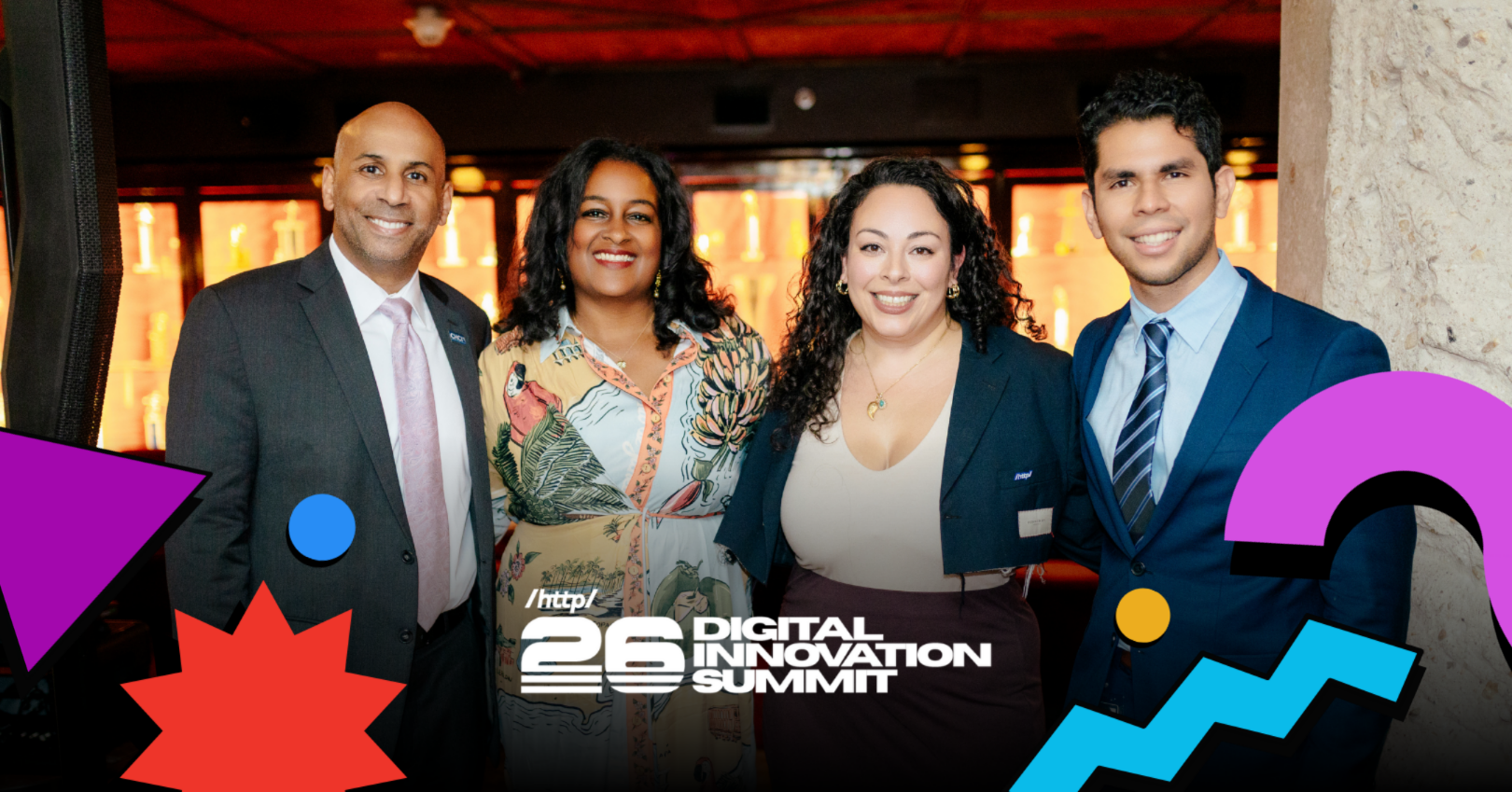
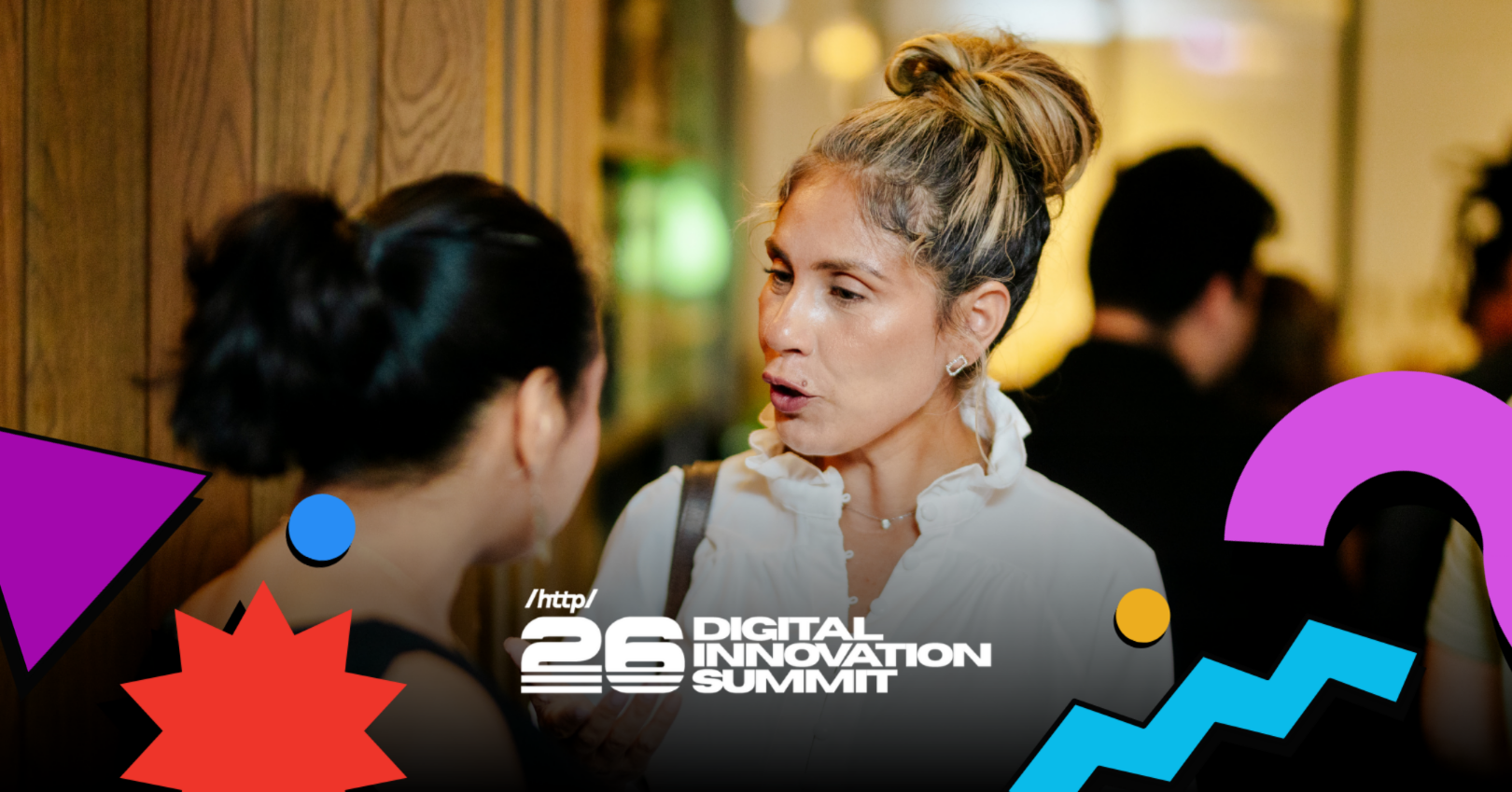
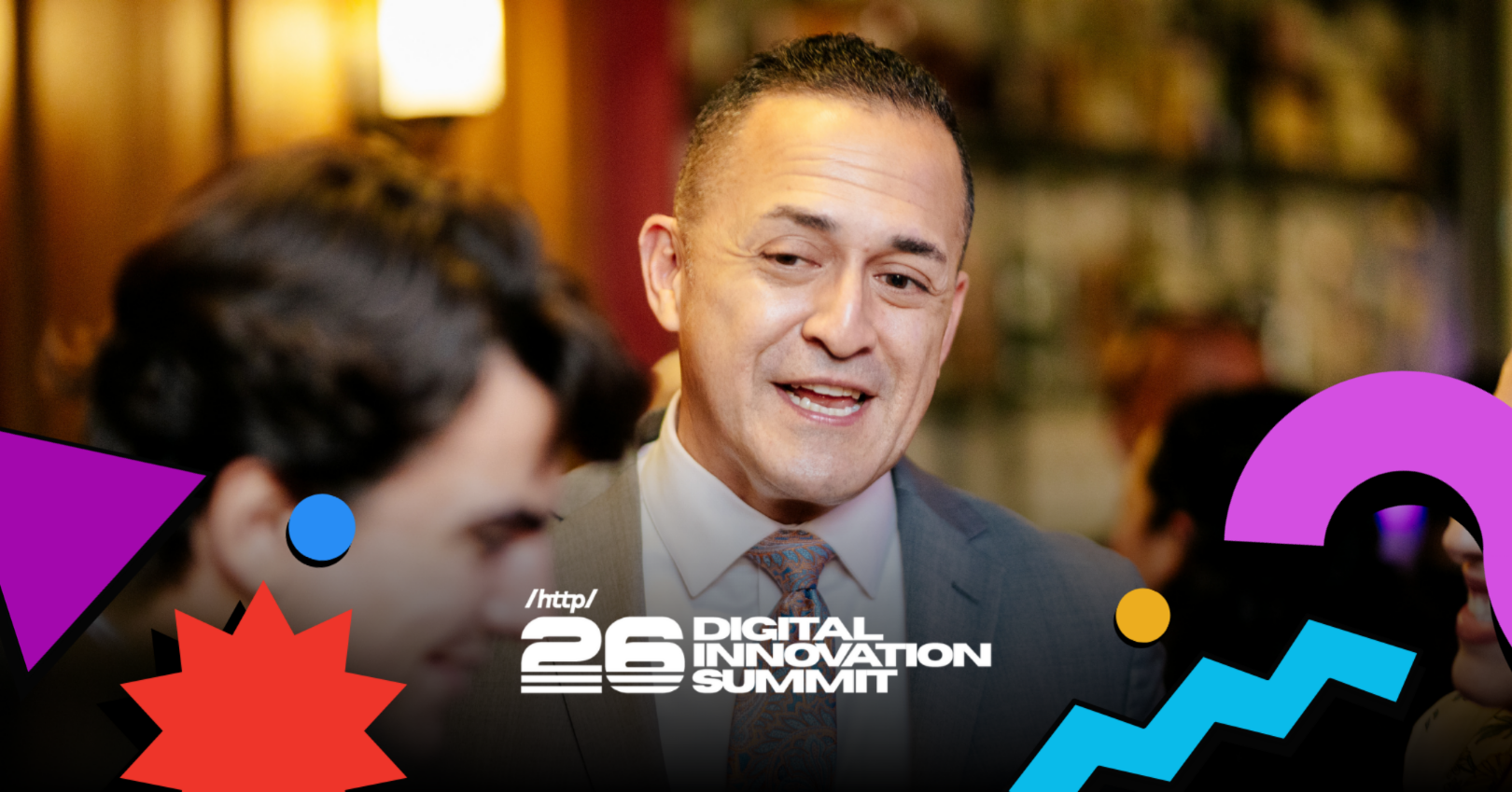
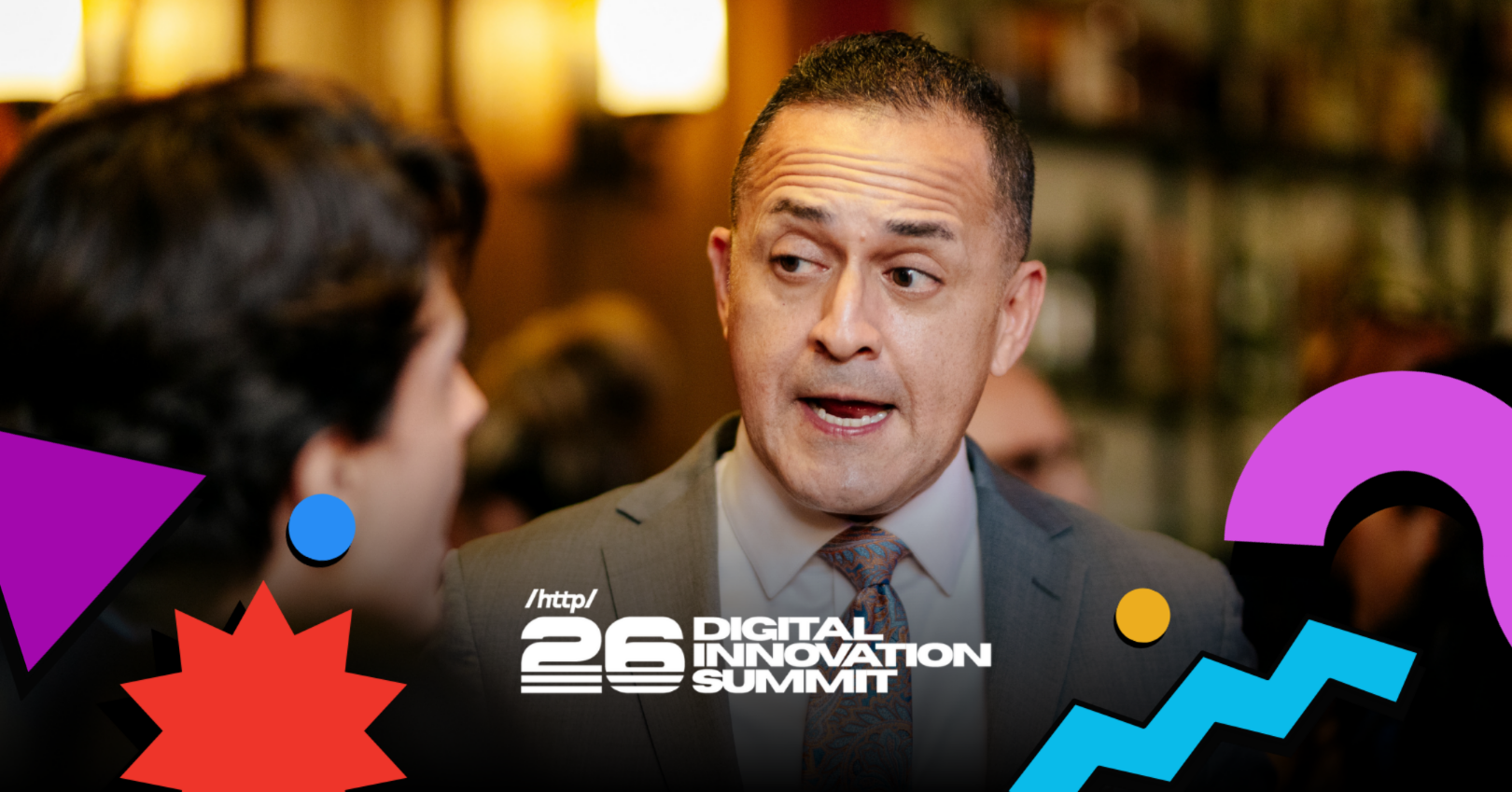
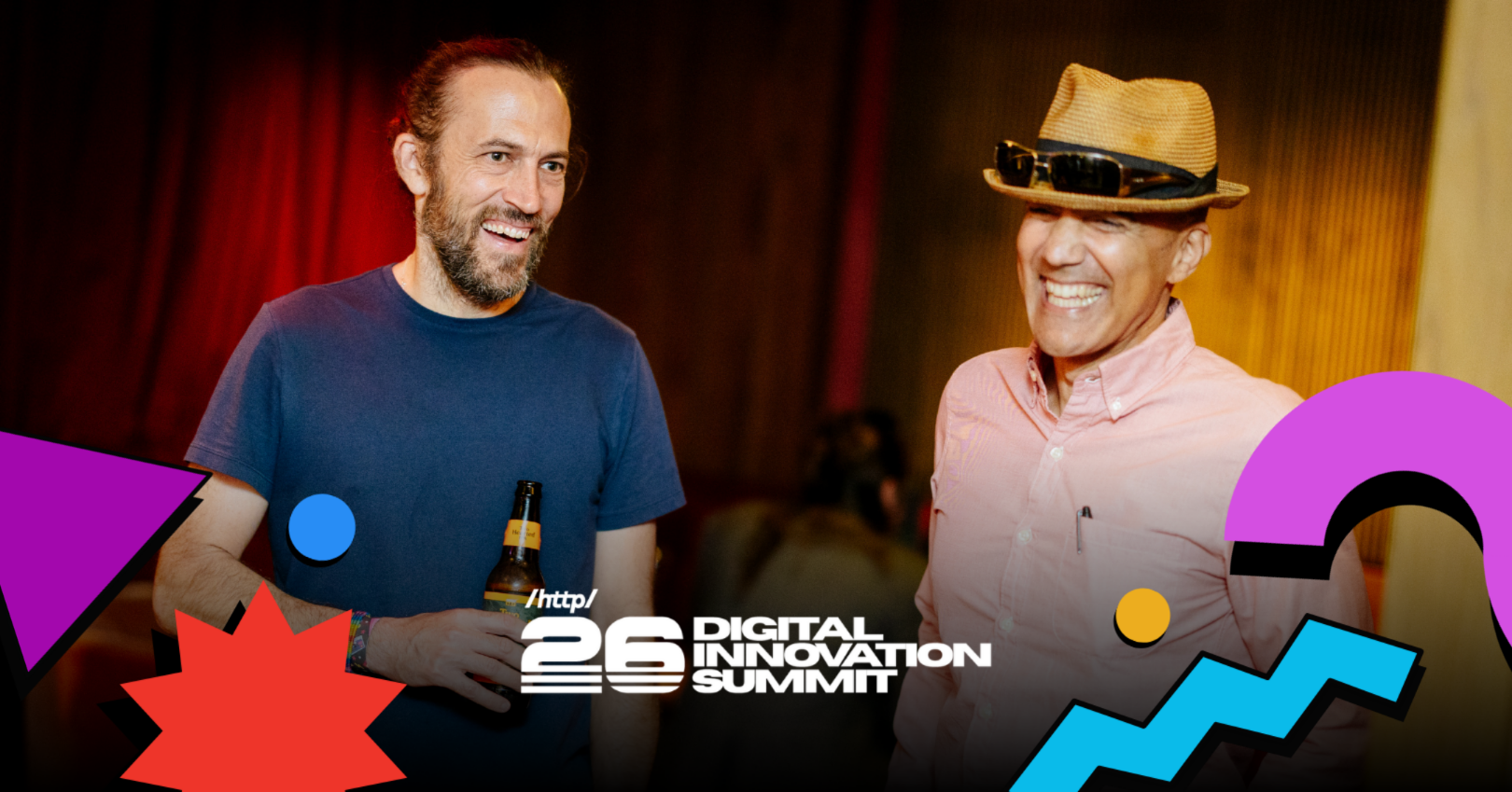
A Look Back at Our Opening Reception
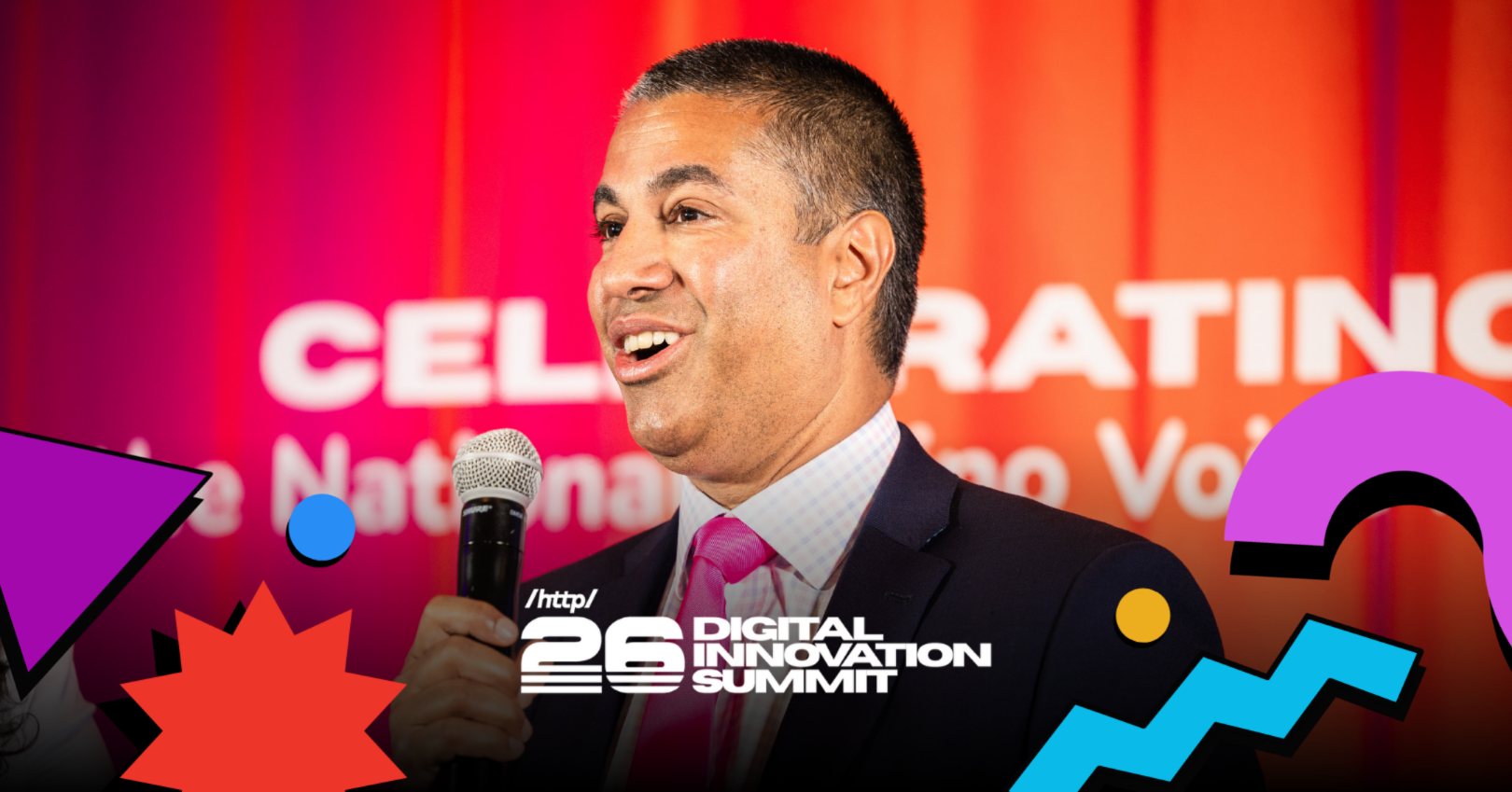
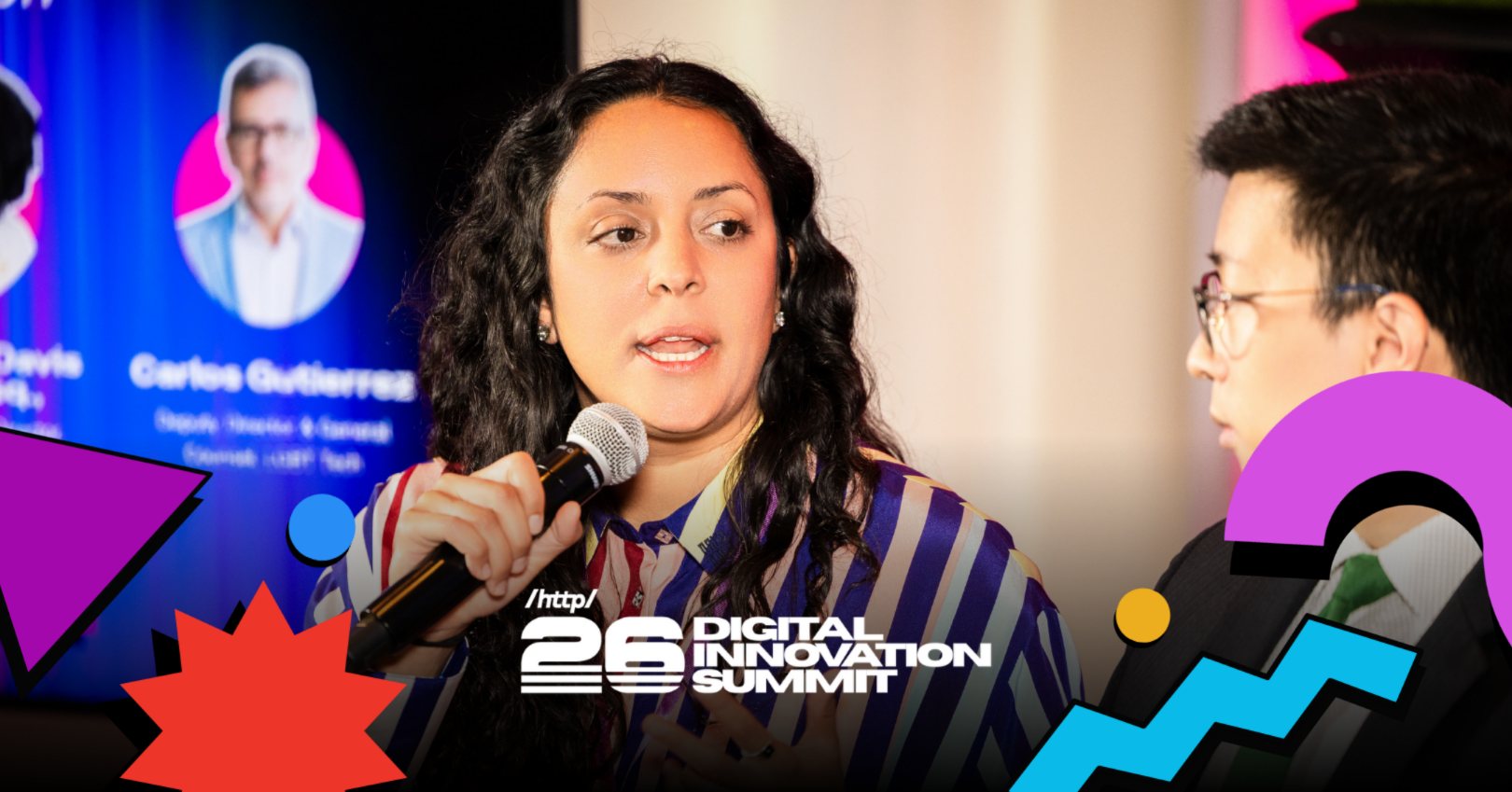
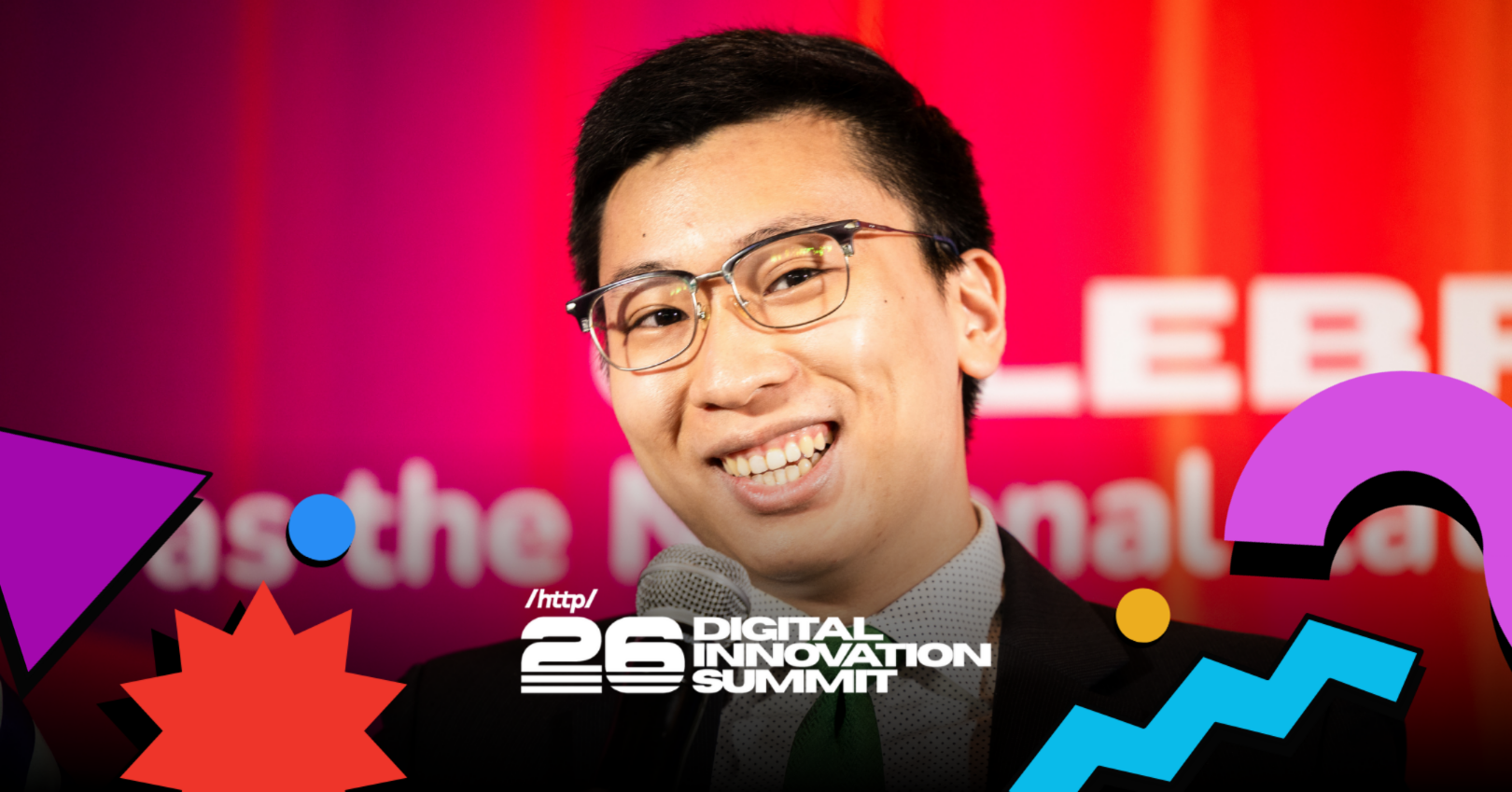
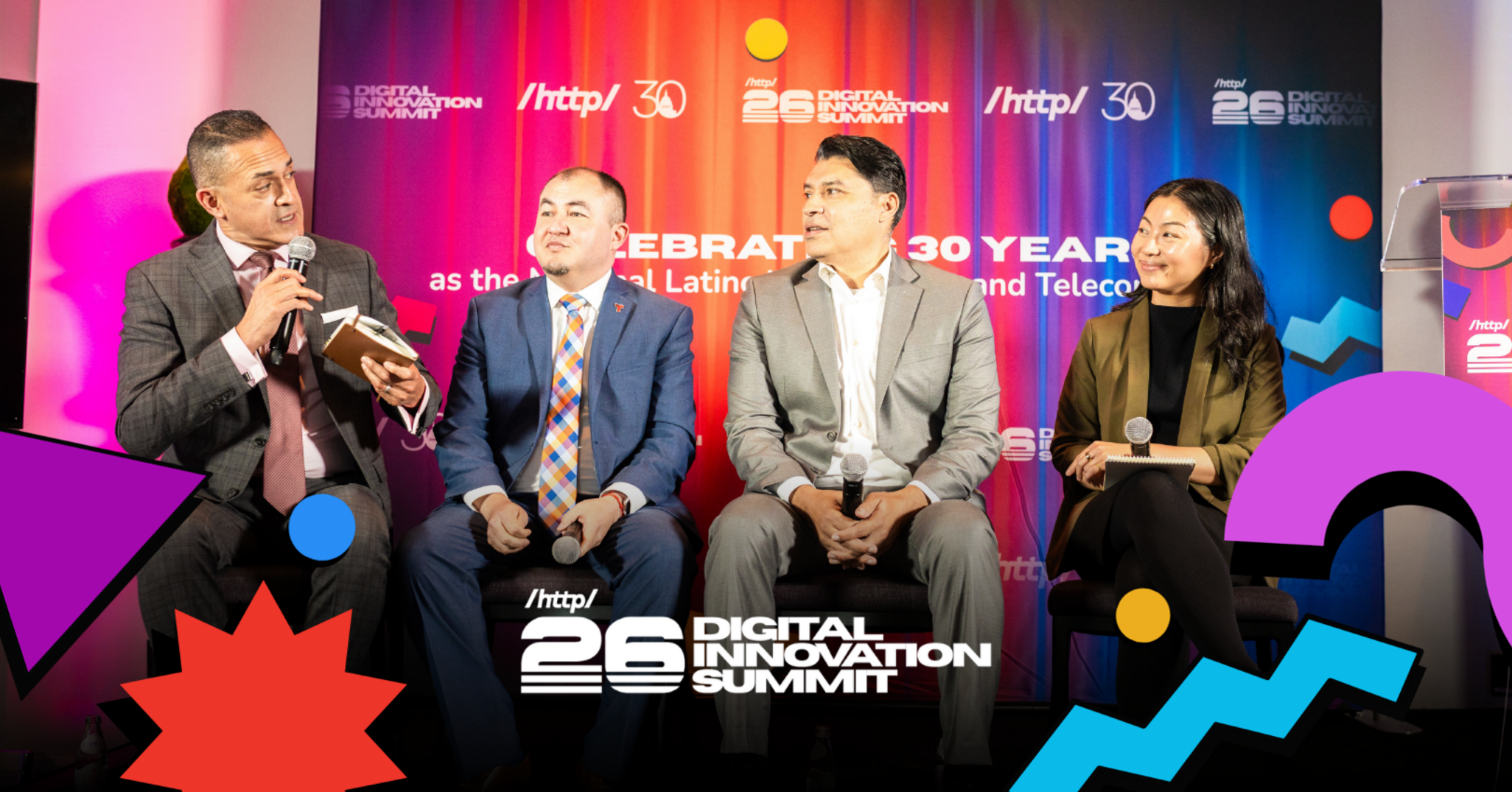
Explore photos from the evening that kicked off DIS26 and celebrated the leadership and impact of CHCI and CHSA.